
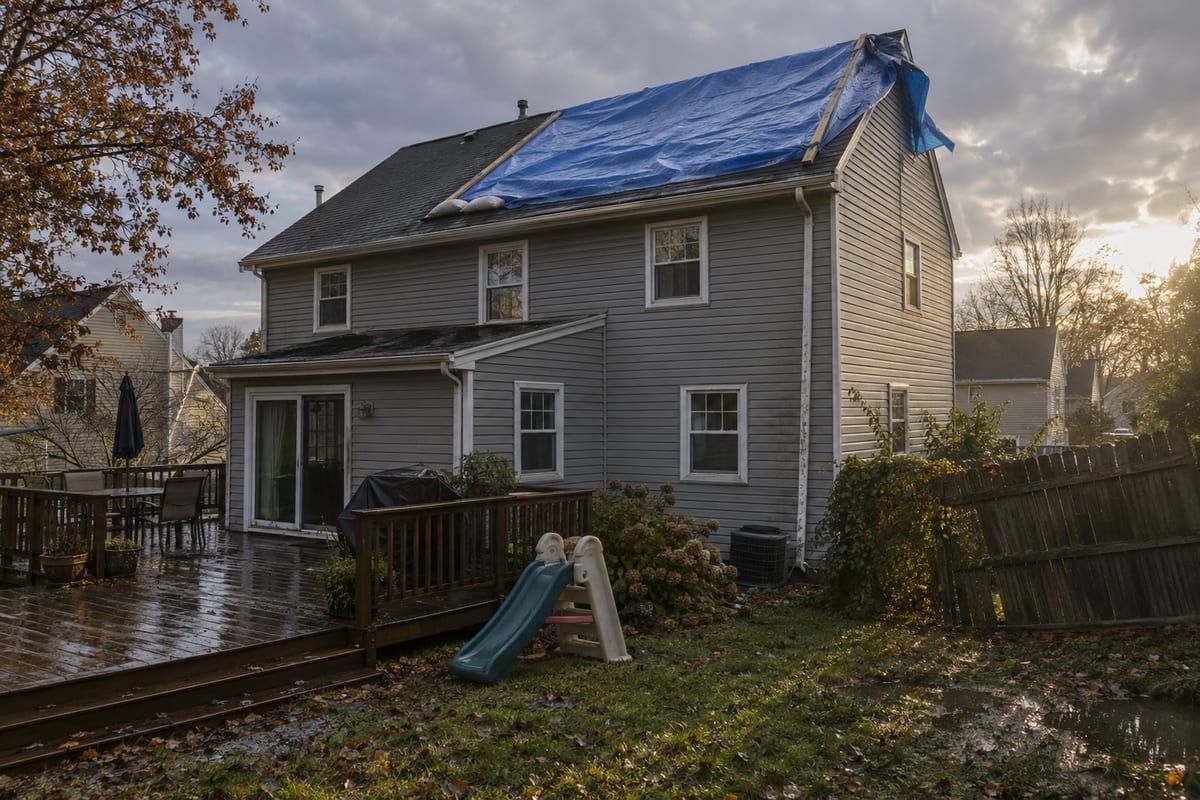
Roof Leak Repair · Rhode Island & Massachusetts
Roof Leak Repair: What To Do the Moment Water Comes In
Water is coming through the ceiling and you need a plan. Here is what to do in the first hour, why the stain is rarely under the hole, what usually causes a leak, and how to tell a repair from a roof that is finished.
Free EstimateRTP-····-···· · Warwick Office
Free Estimate
RTP-····-····Warwick Office
Step 1 of 5 · About 1 Minute
What Does Your Home Need?
Pick the closest one. You don't need the right words for it.
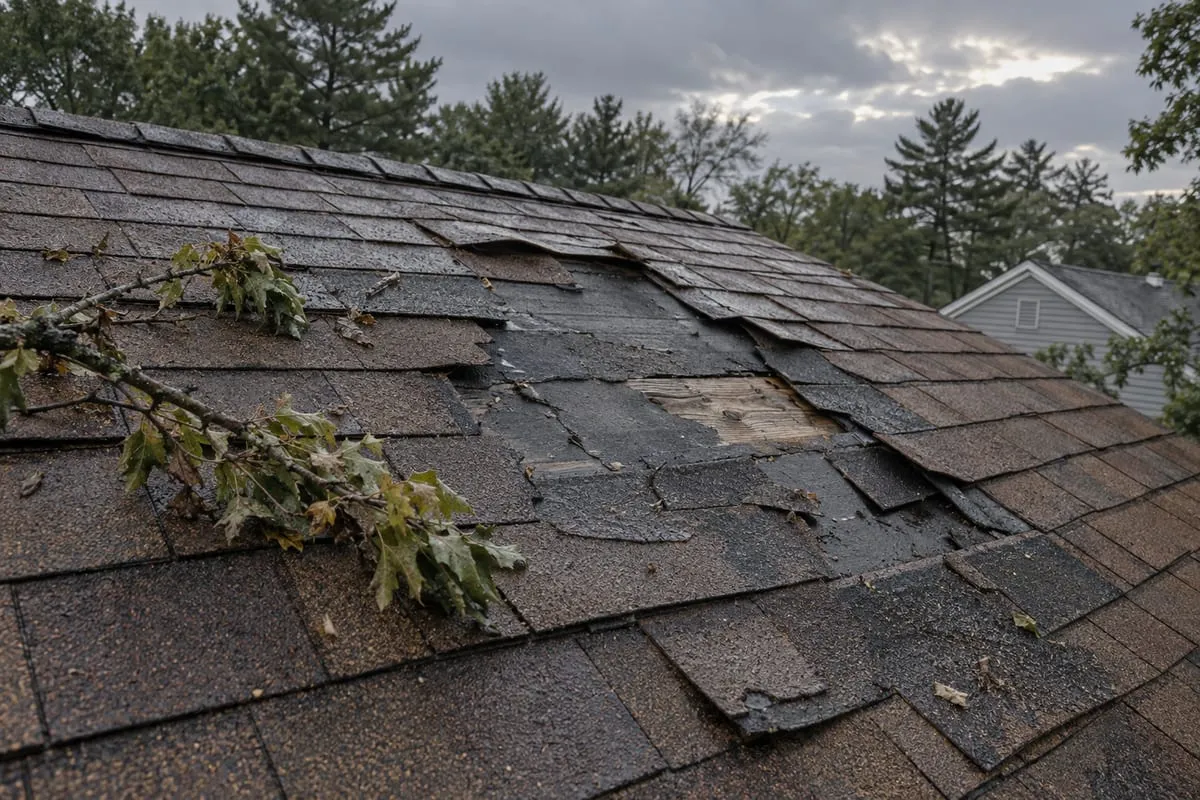 Something's Leaking or DamagedA stain on the ceiling, water in the attic, missing shingles.
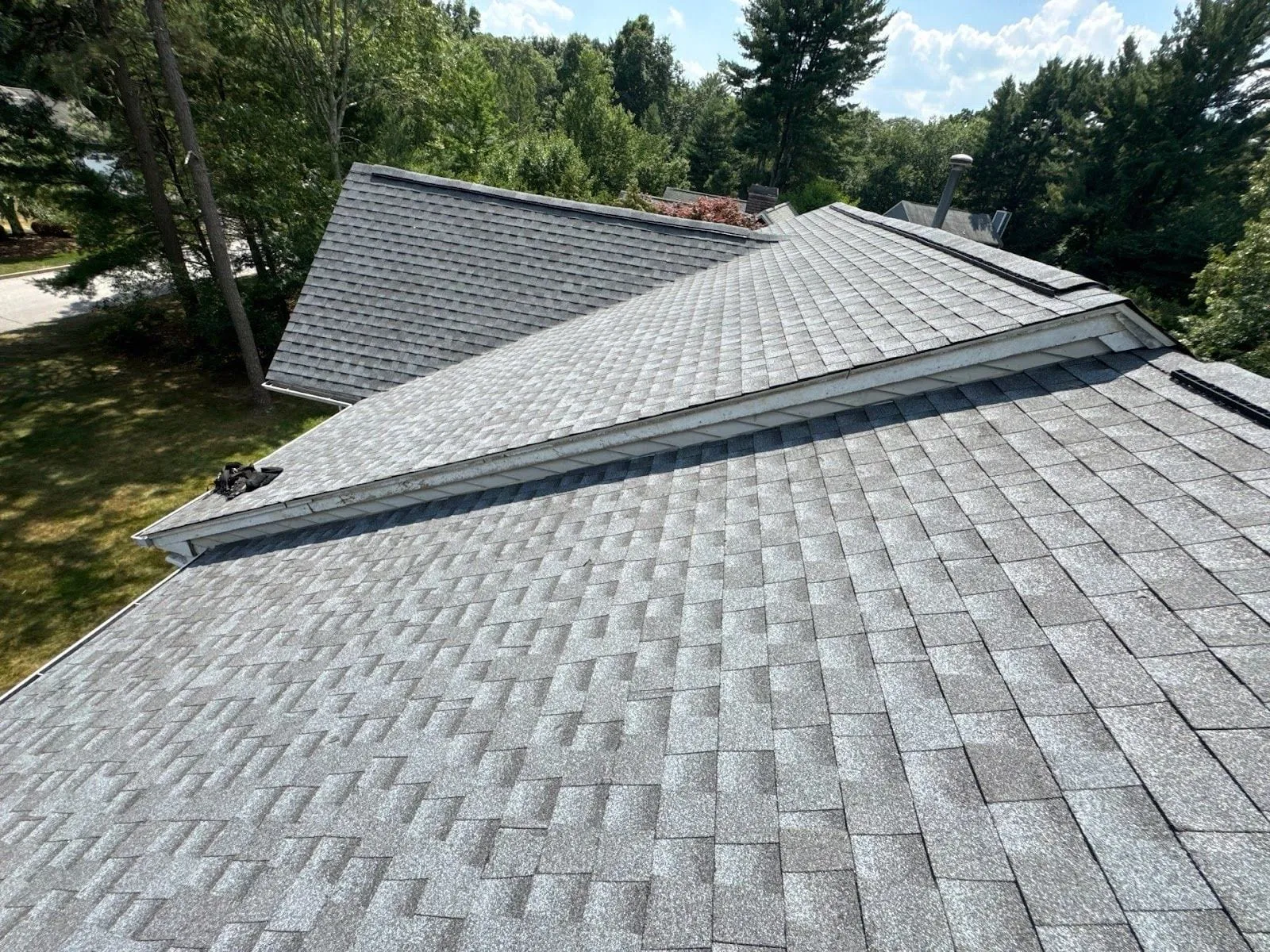 Old Roof, Weighing ReplacementCurling, bald spots, or it's just been a long time.
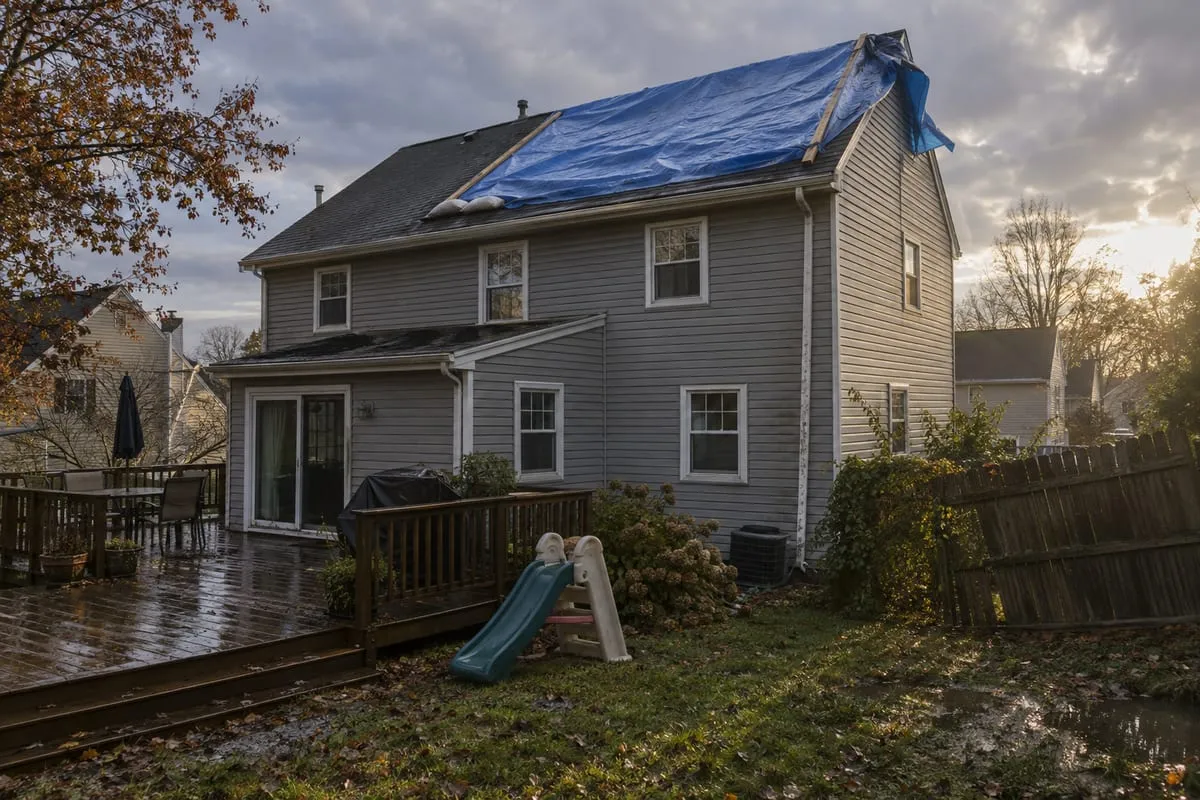 Storm DamageWind, a fallen limb, hail. Claim or no claim.
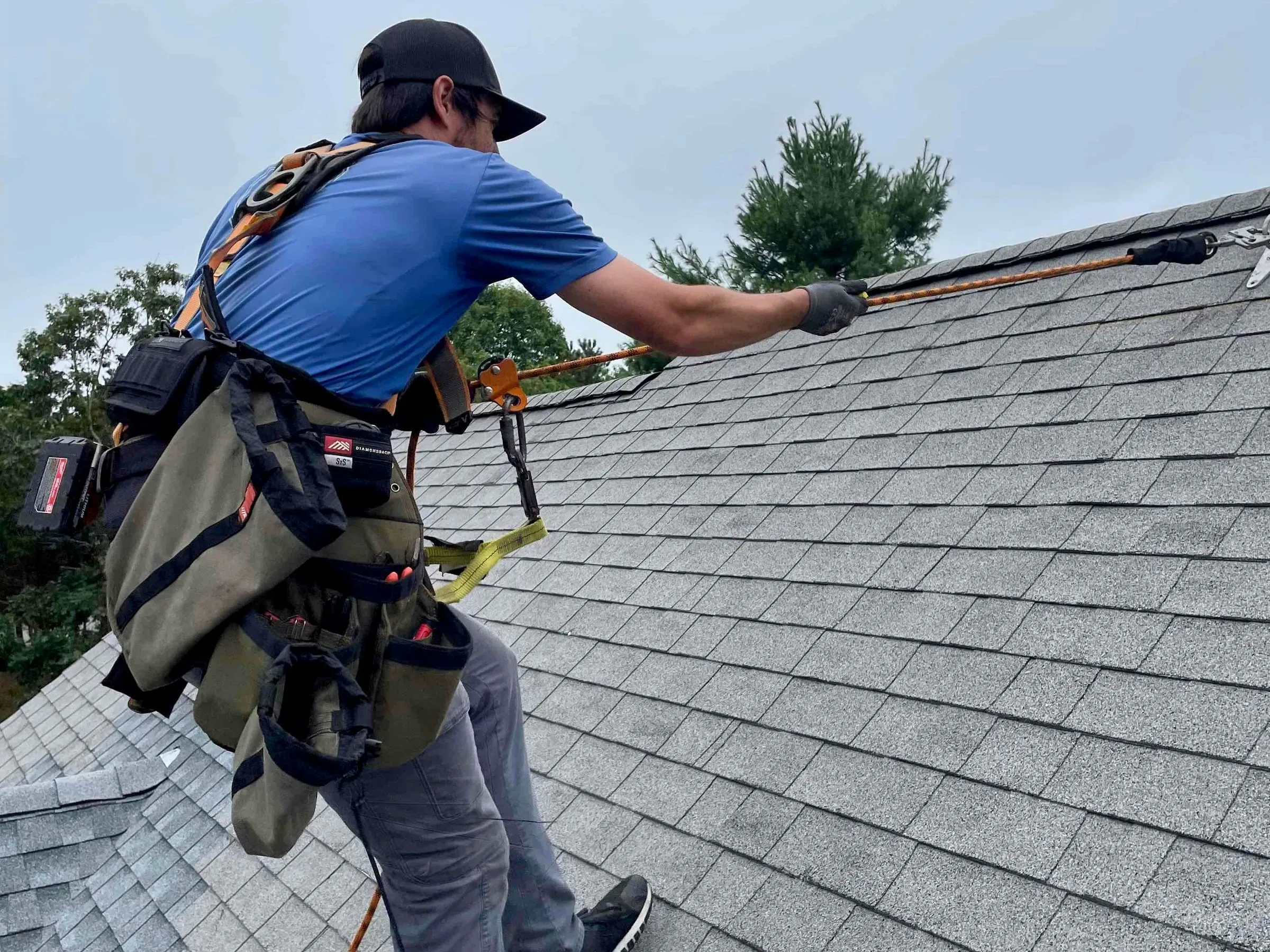 Not Sure, Need an InspectionAn inspection or a second opinion.
 Gutters, Siding or ExteriorGutters, siding, trim, windows, skylights.
 Commercial BuildingFlat or low-slope roofs, maintenance, replacement.
Where Are You Seeing It?
Pick the closest. We'll look at the rest on site.
How Old Is the Roof?
A rough guess is fine.
Have You Started an Insurance Claim?
Either way, we can take a look.
What's Behind the Inspection?
Pick the closest.
Which Part of the Exterior?
Pick the main one. Mention the rest at the end.
What Does the Building Need?
Flat and low-slope roofs included.
What Kind of Property Is It?
When Do You Want It Done?
Where Should We Reach You?
Request Sent
Reference RTP-····-····
We'll reach out from (401) 593-1512 during business hours. Need us sooner? Call that number any time.
Nothing is sent until you say so.
ContinueRather Talk?(401) 593-1512
- GAF Master Elite®
GAF Master Elite® Certified contractor, Cert. #1111816.
- BBB A+
Accredited by the Better Business Bureau since September 29, 2022.
- GC-47694
Licensed and registered general contractor in Rhode Island, valid through September 19, 2027.
- GAF Extended Warranty
Extended manufacturer warranty available on qualifying installations. Coverage terms vary by product and installation.
The First Hour: Safety, Containment, and Photos
Work from the inside. Nothing about a leaking roof is worth a fall, and the roof will still be there when the rain stops.
1. Check the ceiling and the wiring. If water is coming through a light fixture, a fan, or near outlets, do not touch them. OSHA's flood guidance says that if water has been present anywhere near electrical circuits and electrical equipment, the power should be turned off at the main breaker or fuse on the service panel. Only do that if you can reach the panel while standing somewhere dry. If the panel or the floor around it is wet, do not touch it: stay away and call an electrician or the fire department.
2. Stay out from under a sagging ceiling. A ceiling that bulges, sags, or makes cracking noises is holding a lot of water. Do not stand beneath it or press on it. Leave the room and call a professional.
3. Contain the water. Put buckets or pans under drips. Move furniture, electronics, and rugs out of the area. Lay plastic or towels on what you cannot move.
4. Photograph and video everything before you clean up. The Insurance Information Institute advises that you photograph or videotape the damage, then take reasonable steps to protect your property from further damage, and avoid throwing out damaged items until the adjuster has visited. Take wide shots of each room and close-ups of the stains, drips, and wet belongings. Note the date and the time the rain started.
5. Keep your receipts. The same source says to save receipts for what you spend, since you may be able to submit them to your insurer for reimbursement later. Keep receipts for buckets, plastic sheeting, and any temporary protection a roofer puts on. Ask your insurer what it will reimburse.
6. Call your roofer, and your insurer if a storm caused it. Tell the roofer where the water is showing up and whether it is still raining. Our guide to filing a storm damage roof insurance claim in Rhode Island walks through the claim steps.
Why You Should Stay Off the Roof
It is tempting to climb up with a tarp or a tube of sealant. A wet, steep roof is the wrong place for that. Even roof inspectors treat access as a safety job first. One national inspection association says that before you even think about climbing a ladder, you should have a harness, non-slip footwear, and gloves, and that a ladder should sit on stable, level ground and extend at least three feet above the roofline.
If you want to look, use binoculars from the ground.
The same caution applies to winter leaks. If water is coming in because of an ice dam, do not chip at the ice. InterNACHI notes that the roof can be easily damaged by these efforts, as can the homeowner, when they slip off the icy roof. Our ice dam prevention guide explains why dams form and what actually stops them.
How To Find Where a Leak Really Starts
The stain on your ceiling marks where the water came out. It rarely marks where the water went in. The National Roof Certification and Inspection Association puts it this way: water can hit the roof sheathing, run along a rafter or truss, and travel a surprising distance before it soaks through the ceiling. The stain can sit several feet from the actual breach in the roof.
So a patch placed directly above a stain often misses. Trace the leak from indoors.
- Start in the room below the stain. Look at the ceiling and walls for rings, bubbling paint, and soft drywall.
- Check the attic if you can reach it safely. Walk only on framing, never on drywall between the joists. Look at the underside of the roof deck. Dark stains or streaks on the wood are a sign that water has been getting in, and rusty nails show where moisture has been entering.
- Work uphill from the stain. Water runs downhill, so the entry point is usually higher than what you see inside.
- Rule out condensation. Not every damp spot is a roof leak. Warm, moist air from the house can condense on the cold underside of the roof and drip, which looks like a leak but is a ventilation problem.
The Most Common Places Roofs Leak
Leaks tend to start where one part of the roof meets another. The inspection association above names the flashing around chimneys, skylights, and vents, and the valleys where two roof planes join, as the vulnerable areas. InterNACHI lists a single weathered portion of the roof, poorly installed flashing, and the areas around chimneys and skylights as the usual causes of interior water damage.
- Flashing. These thin metal strips seal joints where the roof meets a wall, chimney, or vent. They can rust, bend, pull loose, or lose their sealant.
- Vents and other penetrations. Anything that passes through the roof is a joint that has to stay sealed.
- Valleys. Two roof slopes drain into the valley, so it carries a lot of water and has to hold up.
- Damaged or missing shingles. Cracked, curled, or missing shingles open a direct path for rain.
- Exposed fasteners. Exposed or rusted nail heads can let water seep in around them.
- Ice dams. InterNACHI says water that backs up behind an ice dam can leak through the roof and damage walls, ceilings, and insulation.
When a Repair Is Enough and When the Roof Is Done
InterNACHI says most roofs last many years if properly installed and often can be repaired rather than replaced, and that an isolated leak usually can be repaired. It also says the age of the roof is usually the major factor in deciding when to replace it.
In practice, the answer depends on what the inspection finds.
A repair usually makes sense when:
- The leak traces to one spot, such as a failed flashing joint or a few damaged shingles.
- The rest of the roof surface is in decent shape.
- The deck under the repair area is dry and solid.
Replacement deserves a serious look when:
- Leaks keep returning in different places after repairs.
- Shingles are failing across many slopes, not one area.
- Wet or soft decking turns up in more than one spot.
- The roof is near the end of its expected life and the repairs are stacking up.
We cover the full set of warning signs in our guide on signs you need a new roof. For a single failed spot, roofing repair is the place to start.
What a Roofer Inspection Checks
A proper leak inspection covers more than the spot you point to. Expect the roofer to work from the inside out and then go up on the roof.
- The interior evidence. Ceilings, walls, and the attic underside, including stains, damp insulation, and rusted fasteners.
- The roof surface. Cracked, curled, or missing shingles, and rust, gaps, or loose sealant on flashing around chimneys, vents, and valleys.
- The connections. Every point where one material meets another, since that is where leaks tend to start.
- Hidden moisture. Some inspectors use moisture meters to confirm water in roofing materials, and thermal imaging cameras that show temperature differences which can indicate trapped moisture.
A good roof inspection ends with findings you can see, not just a verdict.
After the Leak Stops: Dry It Out and Hold Off on Cosmetics
Getting the roof fixed is half the job. The EPA says it is important to dry water-damaged areas and items within 24 to 48 hours to prevent mold growth. Run fans, open windows when the weather allows, and pull up wet rugs.
Wait on the ceiling paint until the leak is confirmed fixed and the area is dry. Fresh paint over a wet ceiling hides a problem you still have. If the roof work was an emergency tarp or a temporary measure, treat it as a stopgap and schedule the permanent repair. Our emergency restoration work page describes that kind of job.
Questions
Frequently asked questions
Why is my ceiling stain not under the hole in my roof?
Water rarely drops straight down. It can hit the roof deck, run along a rafter or truss, and travel some distance before it soaks through the ceiling. The stain can be several feet from where the water got in, which is why leaks are traced from the attic and the roof, not just the stain.
Should I put a tarp on the roof myself?
We do not recommend it. A wet, steep roof is a fall risk, and a poorly secured tarp can blow off. Protect the inside of the house, take photos, and have a roofer handle the roof. Keep receipts for anything you spend on temporary protection.
Will my insurance cover a roof leak?
It depends on your policy and on what caused the leak. Sudden storm damage is handled differently from long-term wear. Photograph the damage, protect the property from more damage, keep your receipts, and call your insurer to ask what is covered and what the filing deadline is.
Can a leak be repaired, or does the whole roof need to go?
An isolated leak usually can be repaired. The age of the roof is usually the major factor in deciding when to replace it. Repeated leaks in different places, wide shingle failure, or wet decking in several spots point toward replacement, and an inspection can tell you which applies.
Could the leak be condensation instead of the roof?
Yes. Warm, moist air from the house can condense on the cold underside of the roof and drip, which looks like a leak. Poor attic ventilation is often behind it. A roofer can tell the difference by checking the attic during and after weather.
Serving Rhode Island
- Roof leak repair: what to do the moment water comes in in Barrington
- Roof leak repair: what to do the moment water comes in in Bristol
- Roof leak repair: what to do the moment water comes in in Burrillville
- Roof leak repair: what to do the moment water comes in in Central Falls
- Roof leak repair: what to do the moment water comes in in Charlestown
- Roof leak repair: what to do the moment water comes in in Coventry
- Roof leak repair: what to do the moment water comes in in Cranston
- Roof leak repair: what to do the moment water comes in in Cumberland
- Roof leak repair: what to do the moment water comes in in East Greenwich
- Roof leak repair: what to do the moment water comes in in East Providence
- Roof leak repair: what to do the moment water comes in in Exeter
- Roof leak repair: what to do the moment water comes in in Foster
- Roof leak repair: what to do the moment water comes in in Glocester
- Roof leak repair: what to do the moment water comes in in Hopkinton
- Roof leak repair: what to do the moment water comes in in Jamestown
- Roof leak repair: what to do the moment water comes in in Johnston
- Roof leak repair: what to do the moment water comes in in Lincoln
- Roof leak repair: what to do the moment water comes in in Little Compton
- Roof leak repair: what to do the moment water comes in in Middletown
- Roof leak repair: what to do the moment water comes in in Narragansett
- Roof leak repair: what to do the moment water comes in in New Shoreham
- Roof leak repair: what to do the moment water comes in in Newport
- Roof leak repair: what to do the moment water comes in in North Kingstown
- Roof leak repair: what to do the moment water comes in in North Providence
- Roof leak repair: what to do the moment water comes in in North Smithfield
- Roof leak repair: what to do the moment water comes in in Pawtucket
- Roof leak repair: what to do the moment water comes in in Portsmouth
- Roof leak repair: what to do the moment water comes in in Providence
- Roof leak repair: what to do the moment water comes in in Richmond
- Roof leak repair: what to do the moment water comes in in Scituate
- Roof leak repair: what to do the moment water comes in in Smithfield
- Roof leak repair: what to do the moment water comes in in South Kingstown
- Roof leak repair: what to do the moment water comes in in Tiverton
- Roof leak repair: what to do the moment water comes in in Warren
- Roof leak repair: what to do the moment water comes in in Warwick
- Roof leak repair: what to do the moment water comes in in West Greenwich
- Roof leak repair: what to do the moment water comes in in West Warwick
- Roof leak repair: what to do the moment water comes in in Westerly
- Roof leak repair: what to do the moment water comes in in Woonsocket
Serving Massachusetts
- Roof leak repair: what to do the moment water comes in in Attleboro
- Roof leak repair: what to do the moment water comes in in Bellingham
- Roof leak repair: what to do the moment water comes in in Blackstone
- Roof leak repair: what to do the moment water comes in in Bridgewater
- Roof leak repair: what to do the moment water comes in in Brockton
- Roof leak repair: what to do the moment water comes in in Dartmouth
- Roof leak repair: what to do the moment water comes in in Easton
- Roof leak repair: what to do the moment water comes in in Fall River
- Roof leak repair: what to do the moment water comes in in Foxborough
- Roof leak repair: what to do the moment water comes in in Franklin
- Roof leak repair: what to do the moment water comes in in Mansfield
- Roof leak repair: what to do the moment water comes in in Middleborough
- Roof leak repair: what to do the moment water comes in in Milford
- Roof leak repair: what to do the moment water comes in in New Bedford
- Roof leak repair: what to do the moment water comes in in North Attleborough
- Roof leak repair: what to do the moment water comes in in Norton
- Roof leak repair: what to do the moment water comes in in Plymouth
- Roof leak repair: what to do the moment water comes in in Rehoboth
- Roof leak repair: what to do the moment water comes in in Seekonk
- Roof leak repair: what to do the moment water comes in in Somerset
- Roof leak repair: what to do the moment water comes in in Swansea
- Roof leak repair: what to do the moment water comes in in Taunton
- Roof leak repair: what to do the moment water comes in in Uxbridge
- Roof leak repair: what to do the moment water comes in in Wareham
- Roof leak repair: what to do the moment water comes in in Westport
- Roof leak repair: what to do the moment water comes in in Worcester
Related pages
- Roof leak repair Rhode Island
- Emergency Restoration Work in Warwick, RI
- Roof inspector Providence RI
- Hail damage roof Rhode Island
- Ice dam prevention
- Roof insurance claim process RI
- Signs you need a new roof
- What affects roof replacement cost RI
- Asphalt shingle vs metal roofing new england
- Best time to replace a roof
- Flat roof leak repair
- GAF master elite warranty
- How long does a roof last
Back to All roofing guides
Water Coming In? Get the Roof Looked At
Request a free, on-roof inspection or call RTP Roofing at (401) 593-1512.