
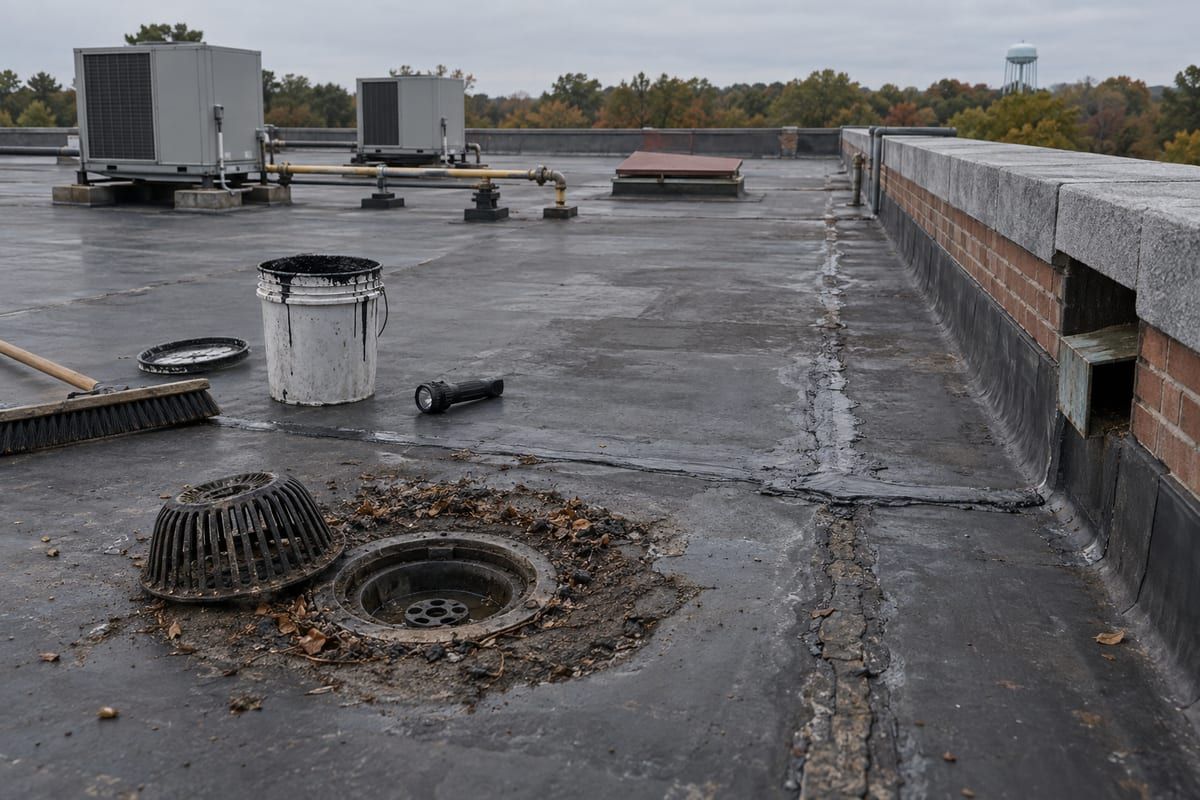
Commercial Roof Maintenance · Warwick & Rhode Island
Commercial Roof Maintenance in Warwick, RI
A small blister in the membrane. A drain that's been slow for months. The problems that turn into an emergency call are almost always the ones nobody was watching. RTP Roofing catches them first.
Free EstimateRTP-····-···· · Warwick Office
Free Estimate
RTP-····-····Warwick Office
Step 1 of 5 · About 1 Minute
What Does Your Home Need?
Pick the closest one. You don't need the right words for it.
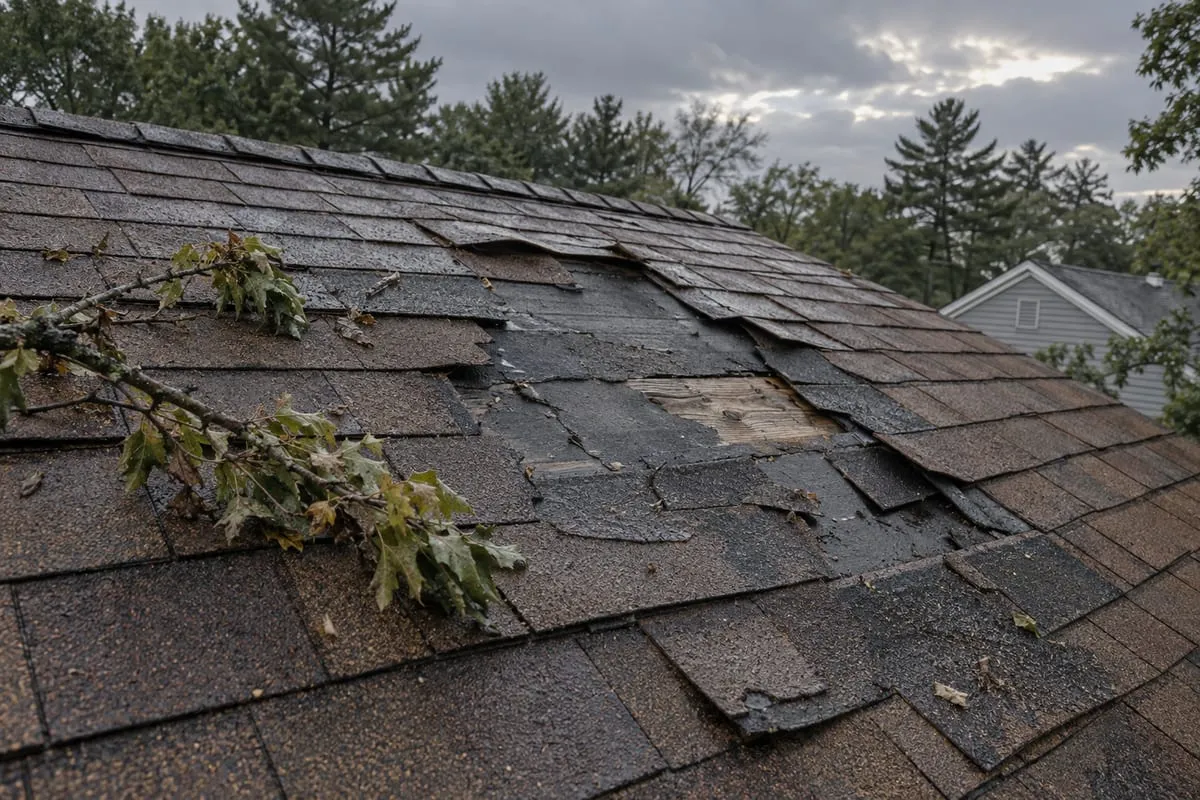 Something's Leaking or DamagedA stain on the ceiling, water in the attic, missing shingles.
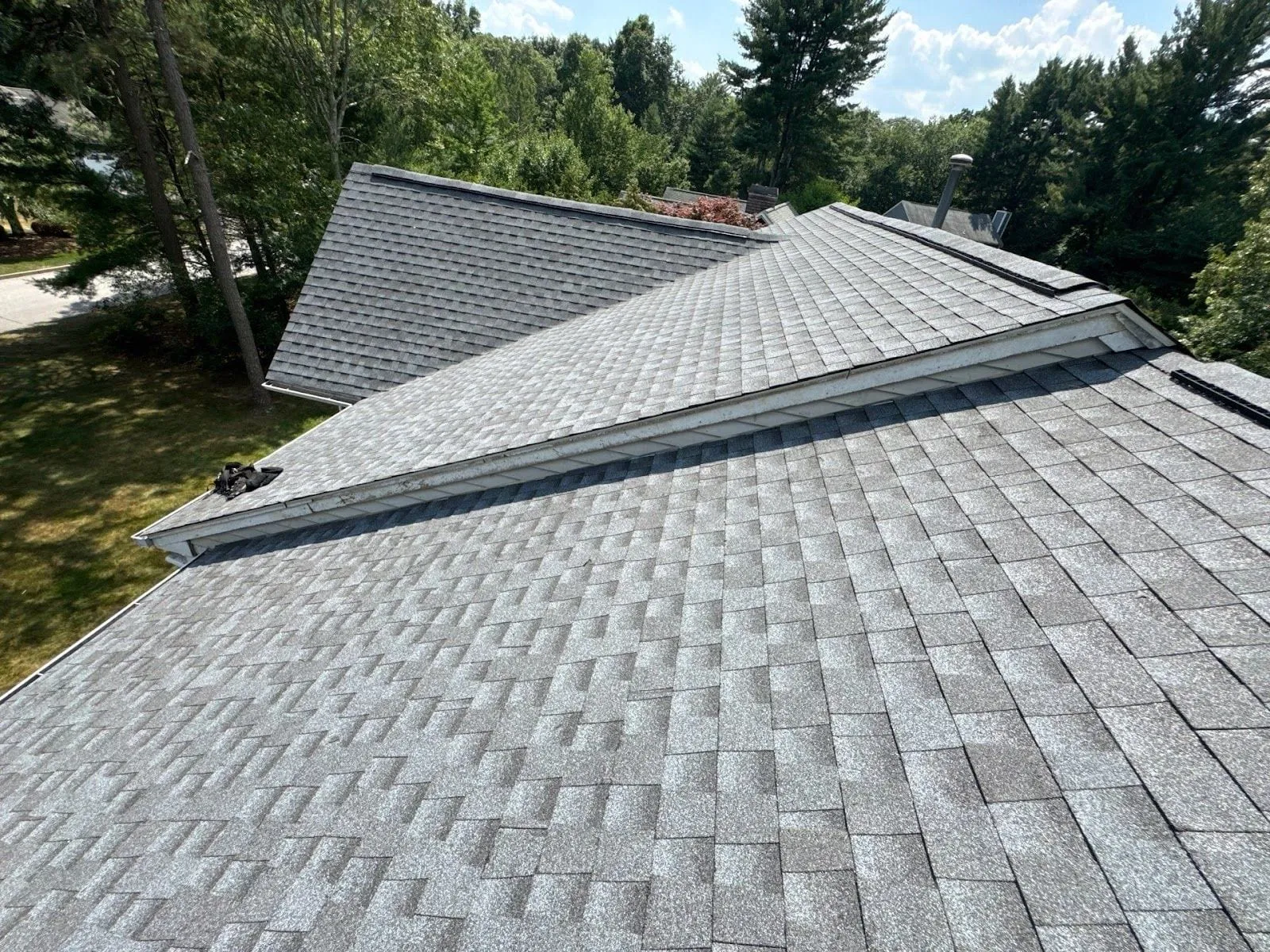 Old Roof, Weighing ReplacementCurling, bald spots, or it's just been a long time.
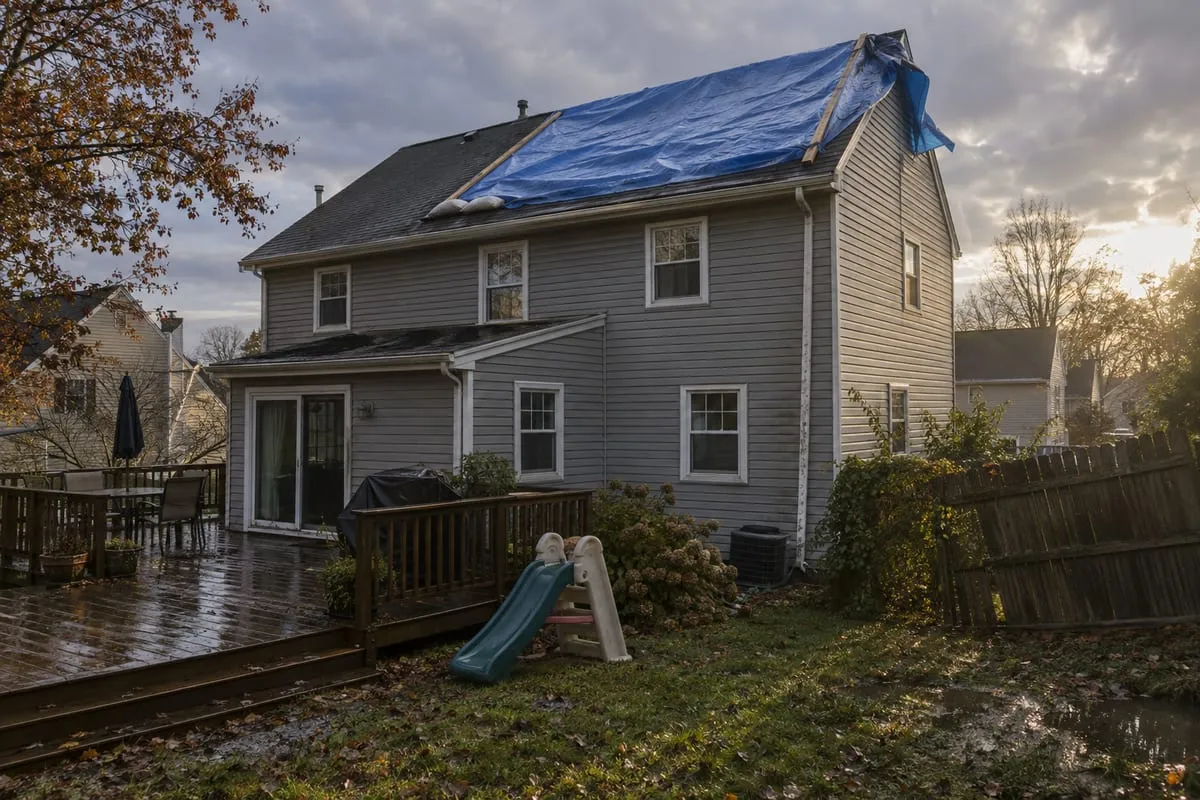 Storm DamageWind, a fallen limb, hail. Claim or no claim.
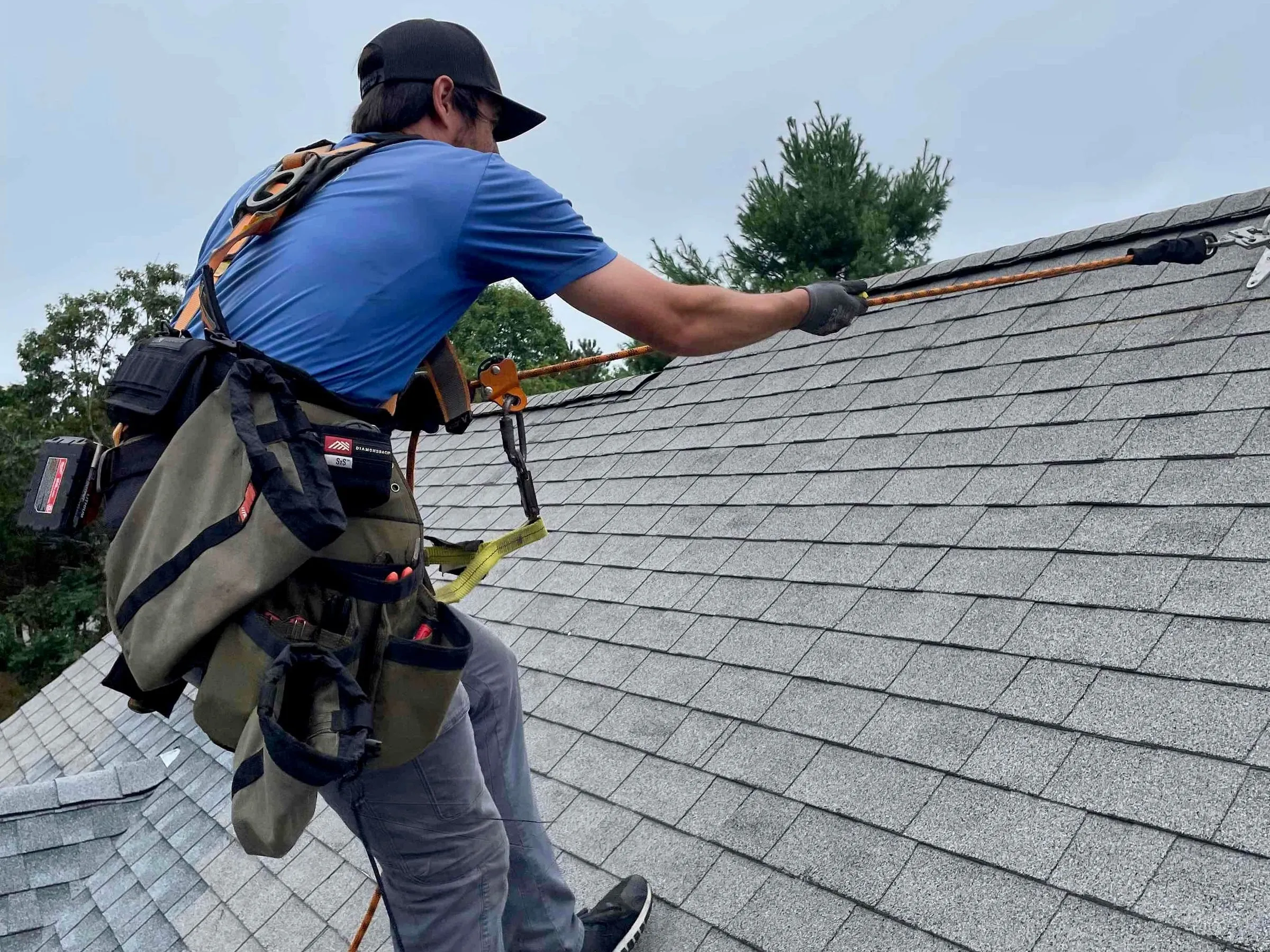 Not Sure, Need an InspectionAn inspection or a second opinion.
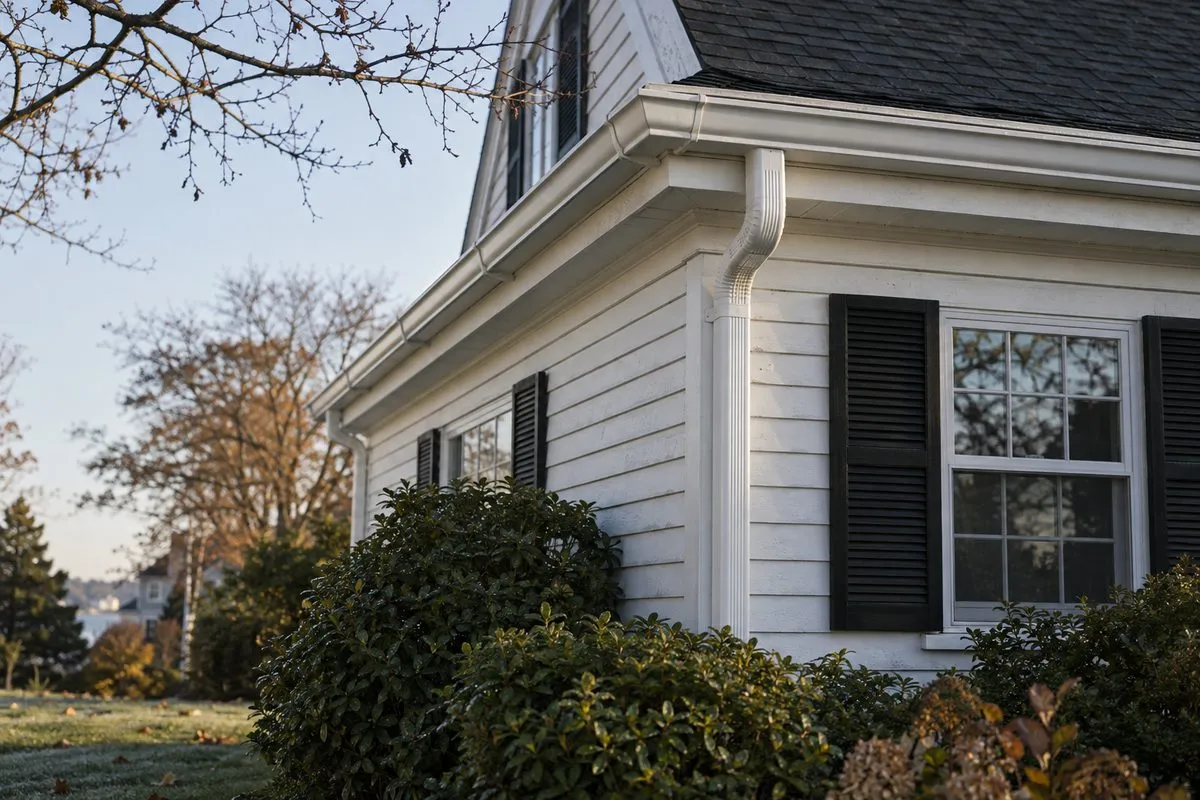 Gutters, Siding or ExteriorGutters, siding, trim, windows, skylights.
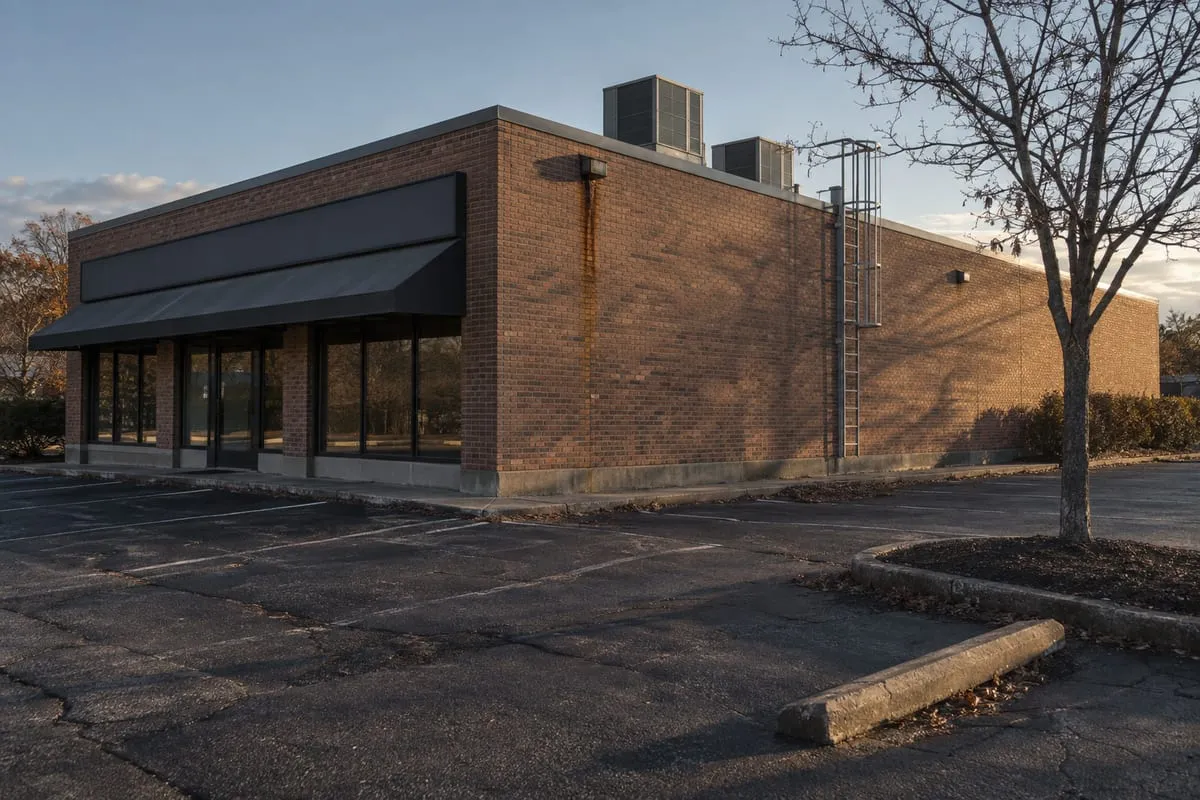 Commercial BuildingFlat or low-slope roofs, maintenance, replacement.
Where Are You Seeing It?
Pick the closest. We'll look at the rest on site.
How Old Is the Roof?
A rough guess is fine.
Have You Started an Insurance Claim?
Either way, we can take a look.
What's Behind the Inspection?
Pick the closest.
Which Part of the Exterior?
Pick the main one. Mention the rest at the end.
What Does the Building Need?
Flat and low-slope roofs included.
What Kind of Property Is It?
When Do You Want It Done?
Where Should We Reach You?
Request Sent
Reference RTP-····-····
We'll reach out from (401) 593-1512 during business hours. Need us sooner? Call that number any time.
Nothing is sent until you say so.
ContinueRather Talk?(401) 593-1512
- GAF Master Elite
GAF Master Elite® Certified contractor, Cert. #1111816.
- BBB A+
Accredited by the Better Business Bureau since September 29, 2022.
- RI GC-47694
Licensed and registered general contractor in Rhode Island, valid through September 19, 2027.
- GAF Golden Pledge
Extended manufacturer warranty available on qualifying installations. Coverage terms vary by product and installation.
What Skipping Commercial Roof Maintenance Actually Costs
A commercial roof rarely fails all at once. It fails one small, unwatched problem at a time: a seam that starts to lift, a drain that clogs, a blister that grows until it splits. Any one of these can put water into your building, your inventory, or your ceiling tiles before anyone notices from the ground.
RTP Roofing's maintenance visits check the things that actually cause commercial roof failures: membrane seams and flashing, drainage and scuppers, debris buildup, and foot-traffic damage around HVAC units and vents. We're a GAF Master Elite® certified, RI-registered (GC-47694) contractor that is BBB A+ rated.
What A Maintenance Visit Covers
Every visit includes a full walk of the roof, not a drive-by:
- Membrane and seam inspection. We check for blistering, punctures, and seam separation on TPO, PVC, EPDM, and modified bitumen systems.
- Drainage check. Clogged drains and scuppers cause ponding, and ponding water is one of the fastest ways to shorten a commercial roof's life.
- Flashing and penetrations. Vents, HVAC curbs, and wall flashing are common leak points we check every visit.
- Debris removal. Leaves, branches, and construction debris trap moisture and accelerate wear if left in place.
- Written report. You get what we found, where it is, and what (if anything) needs attention, before any repair work starts.
The membrane on your roof changes what a seam repair looks like. TPO and PVC are thermoplastics: their seams are hot-air welded, which fuses the sheets into one continuous membrane and gives us a clean weld to re-fuse if a seam ever starts to lift. EPDM is a thermoset, so its seams are glued or taped rather than welded, which is why we check EPDM seam tape more closely on every visit, it's the part most likely to need attention first. Modified bitumen is applied in overlapping layers using heat or a torch, so we check its seams and high-traffic areas by hand along drains and walk paths.
None of this changes the visit itself, we walk every system the same way, but it does change what we flag and how we phrase the recommendation.
How RTP Handles A Maintenance Visit
Inspection. A roofer from RTP Roofing walks the full roof: field, seams, flashing, drains, and every penetration. We don't inspect from the ground or a drone flyover alone.
On-the-spot minor repairs. A lifted seam edge or a clogged drain gets fixed while we're already up there when it's safe and quick to do, instead of scheduling a second trip for something small.
Cleanup. We leave the roof and the ground around it the way we found it, no leftover fasteners, wrappers, or debris from the visit itself.
Documentation you keep. Every visit gets written up with what we checked and what we found, so you have a record for your own files, an insurance claim, or a future warranty question. See our roof inspection service for how we handle a standalone, more detailed inspection outside of a maintenance visit.
When A Repair Is Enough, And When It Isn't
Most of what a maintenance visit catches, a lifted seam, a slow drain, a small area of wear near an HVAC curb, is a repair, not a reason to replace the roof. We fix it and keep moving.
A few signs tell us it's worth talking about replacement instead of another round of repairs:
- Repeated problems in the same area. The same seam or flashing detail failing again after a fix usually means the material underneath it is past the point a patch can hold.
- Widespread wear, not one spot. Blistering or granule loss spread across the field of the roof, rather than isolated to one penetration or seam, is a membrane-age problem, not a maintenance problem.
- Ponding that keeps coming back. If drainage work doesn't solve it because the roof deck itself has settled, that's a structural issue a repair can't fix.
We'll always tell you which situation you're in and why, with what we found on the roof, not a sales pitch. If storm damage is the cause rather than age or wear, see our storm damage and insurance claims page for how that process works separately from a routine maintenance finding.
Why New England Weather Makes Maintenance Matter More
Rhode Island commercial roofs deal with a full range of seasonal stress: heavy wet snow and ice in the winter, wind-driven rain off the coast, and summer heat cycles that expand and contract membrane seams. A roof that isn't checked between seasons is more likely to carry a small problem, a lifted seam, a slow drain, straight through a nor'easter and into an active leak.
Our maintenance visits are timed around that reality: a fall check before winter weather sets in, and a spring check to catch anything winter left behind. We'll set the exact schedule based on your roof's system and condition, not a generic calendar. Ask about a standing maintenance plan if you'd rather not have to remember to call.
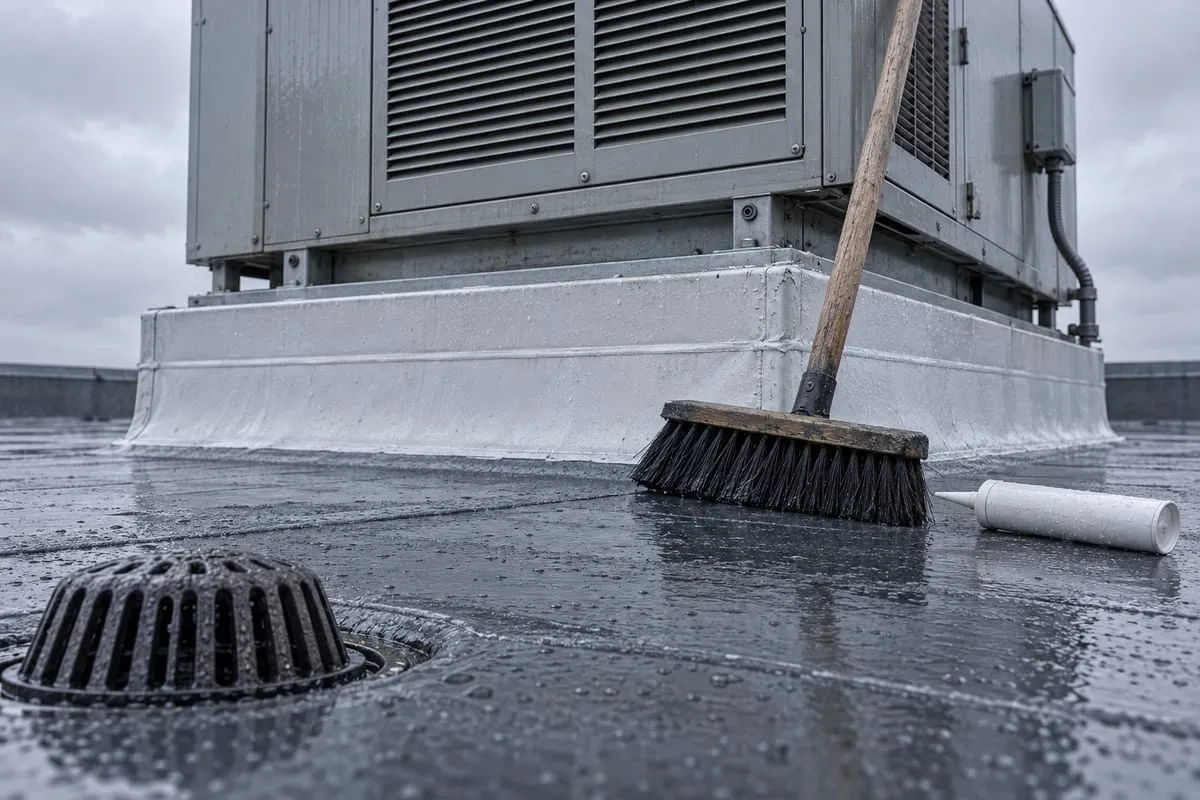
How it works
- Step 1
Roof Assessment
We walk the full roof and document its current condition: membrane, seams, drainage, flashing, and any areas of concern.
- Step 2
Maintenance Plan
We recommend a visit schedule based on your roof's age, system, and how your building's used, and explain what each visit will check.
- Step 3
Minor Repairs
Small issues found during a visit, a lifted seam, a clogged drain, get addressed on the spot where possible, before they become a leak.
- Step 4
Documentation
You get a record of every visit and finding, useful for warranty compliance and for budgeting a future replacement before it's an emergency.
Questions
Frequently asked questions
How often should a commercial roof be inspected?
Most commercial roofs benefit from at least two inspections a year, plus a check after any major storm. We'll recommend a schedule based on your roof's age and system during your first visit.
Can maintenance extend the life of my commercial roof?
Catching a lifted seam or a clogged drain before it becomes a leak is almost always cheaper than the repair that follows, and keeping a roof watertight is the biggest factor in how long it lasts.
Do you offer a formal maintenance program?
Yes. We'll set up a visit schedule and documentation trail for your property. Call (401) 593-1512 to ask what a program looks like for your roof's size and system.
What roofing systems do you maintain?
TPO, PVC, EPDM, modified bitumen, and built-up roofing (BUR). We service what's already on your building, not just what we'd prefer to install.
Does the maintenance visit change based on which membrane I have?
The walk-through is the same for every system, but what we check closely differs. TPO and PVC seams are heat-welded, so we're looking for any spot where that weld has separated. EPDM seams are glued or taped rather than welded, so we check that tape line first since it's usually the earliest sign of wear. Modified bitumen is applied in overlapping layers using heat or a torch, so we check it by hand along drains and walk paths.
Does maintenance help with insurance or warranty requirements?
Documented maintenance visits create a record that can support a warranty claim or an insurance claim if storm damage happens later. We provide that documentation as part of every visit.
How do I know if a problem needs a repair or a full roof replacement?
One repeat failure in the same spot, or wear spread across the whole field of the roof rather than one area, usually points to replacement. An isolated lifted seam or a clogged drain is almost always just a repair. We'll tell you which one you're looking at and why, based on what we find, before we recommend either.
What happens if you find a problem during a maintenance visit?
We explain what we found, show you where it is, and give you an honest recommendation, repair it on the spot if it's minor, or scope a larger fix if it isn't. You approve any work beyond the visit itself before we do it.
Serving Rhode Island
- Commercial roof maintenance in Barrington
- Commercial roof maintenance in Bristol
- Commercial roof maintenance in Burrillville
- Commercial roof maintenance in Central Falls
- Commercial roof maintenance in Charlestown
- Commercial roof maintenance in Coventry
- Commercial roof maintenance in Cranston
- Commercial roof maintenance in Cumberland
- Commercial roof maintenance in East Greenwich
- Commercial roof maintenance in East Providence
- Commercial roof maintenance in Exeter
- Commercial roof maintenance in Foster
- Commercial roof maintenance in Glocester
- Commercial roof maintenance in Hopkinton
- Commercial roof maintenance in Jamestown
- Commercial roof maintenance in Johnston
- Commercial roof maintenance in Lincoln
- Commercial roof maintenance in Little Compton
- Commercial roof maintenance in Middletown
- Commercial roof maintenance in Narragansett
- Commercial roof maintenance in New Shoreham
- Commercial roof maintenance in Newport
- Commercial roof maintenance in North Kingstown
- Commercial roof maintenance in North Providence
- Commercial roof maintenance in North Smithfield
- Commercial roof maintenance in Pawtucket
- Commercial roof maintenance in Portsmouth
- Commercial roof maintenance in Providence
- Commercial roof maintenance in Richmond
- Commercial roof maintenance in Scituate
- Commercial roof maintenance in Smithfield
- Commercial roof maintenance in South Kingstown
- Commercial roof maintenance in Tiverton
- Commercial roof maintenance in Warren
- Commercial roof maintenance in Warwick
- Commercial roof maintenance in West Greenwich
- Commercial roof maintenance in West Warwick
- Commercial roof maintenance in Westerly
- Commercial roof maintenance in Woonsocket
Serving Massachusetts
- Commercial roof maintenance in Attleboro
- Commercial roof maintenance in Bellingham
- Commercial roof maintenance in Blackstone
- Commercial roof maintenance in Bridgewater
- Commercial roof maintenance in Brockton
- Commercial roof maintenance in Dartmouth
- Commercial roof maintenance in Easton
- Commercial roof maintenance in Fall River
- Commercial roof maintenance in Foxborough
- Commercial roof maintenance in Franklin
- Commercial roof maintenance in Mansfield
- Commercial roof maintenance in Middleborough
- Commercial roof maintenance in Milford
- Commercial roof maintenance in New Bedford
- Commercial roof maintenance in North Attleborough
- Commercial roof maintenance in Norton
- Commercial roof maintenance in Plymouth
- Commercial roof maintenance in Rehoboth
- Commercial roof maintenance in Seekonk
- Commercial roof maintenance in Somerset
- Commercial roof maintenance in Swansea
- Commercial roof maintenance in Taunton
- Commercial roof maintenance in Uxbridge
- Commercial roof maintenance in Wareham
- Commercial roof maintenance in Westport
- Commercial roof maintenance in Worcester
Back to Commercial roofing services
Get A Maintenance Plan For Your Commercial Roof
Request a free inspection or call (401) 593-1512. We'll tell you what your roof needs before it becomes an emergency call.