
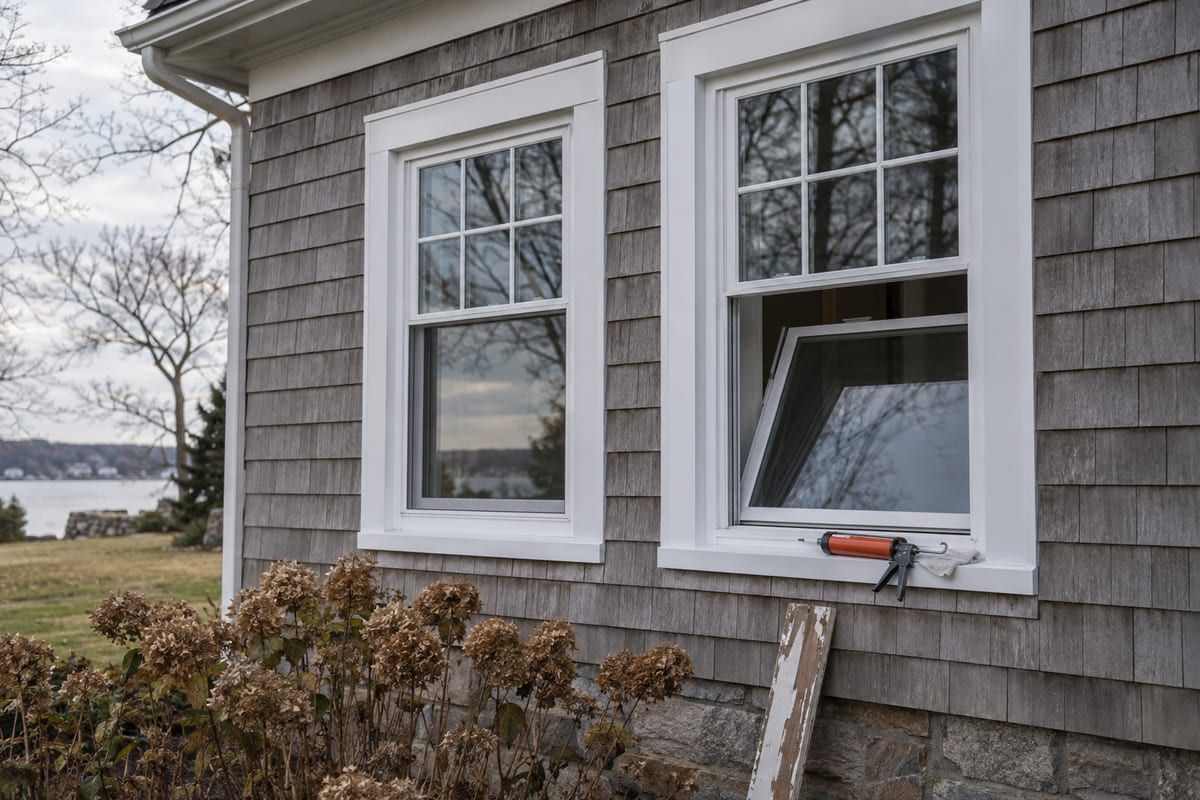
Windows · Warwick & Rhode Island
Window Replacement in Warwick, RI
A draft you can feel standing next to the frame on a cold night. A window that's fogged between the panes and won't clear. Rhode Island homeowners call RTP Roofing when old windows are costing more in heating bills than a replacement would.
Free EstimateRTP-····-···· · Warwick Office
Free Estimate
RTP-····-····Warwick Office
Step 1 of 5 · About 1 Minute
What Does Your Home Need?
Pick the closest one. You don't need the right words for it.
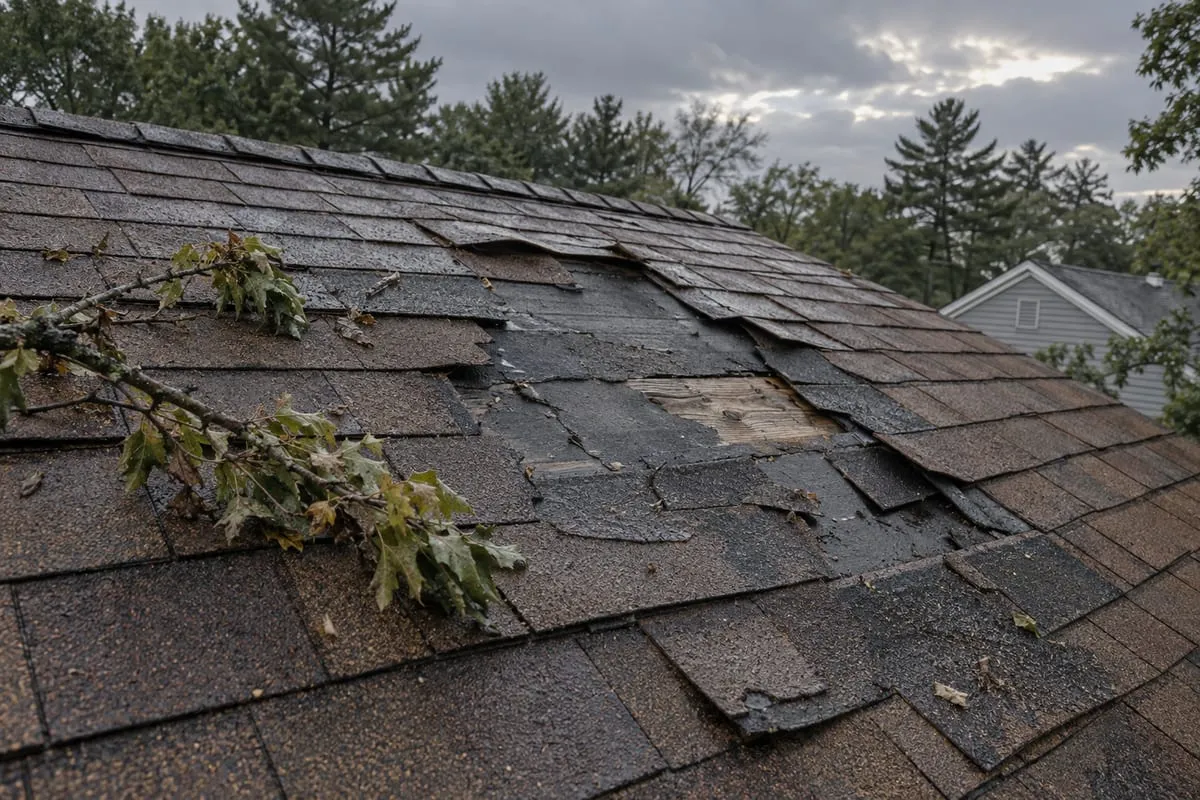 Something's Leaking or DamagedA stain on the ceiling, water in the attic, missing shingles.
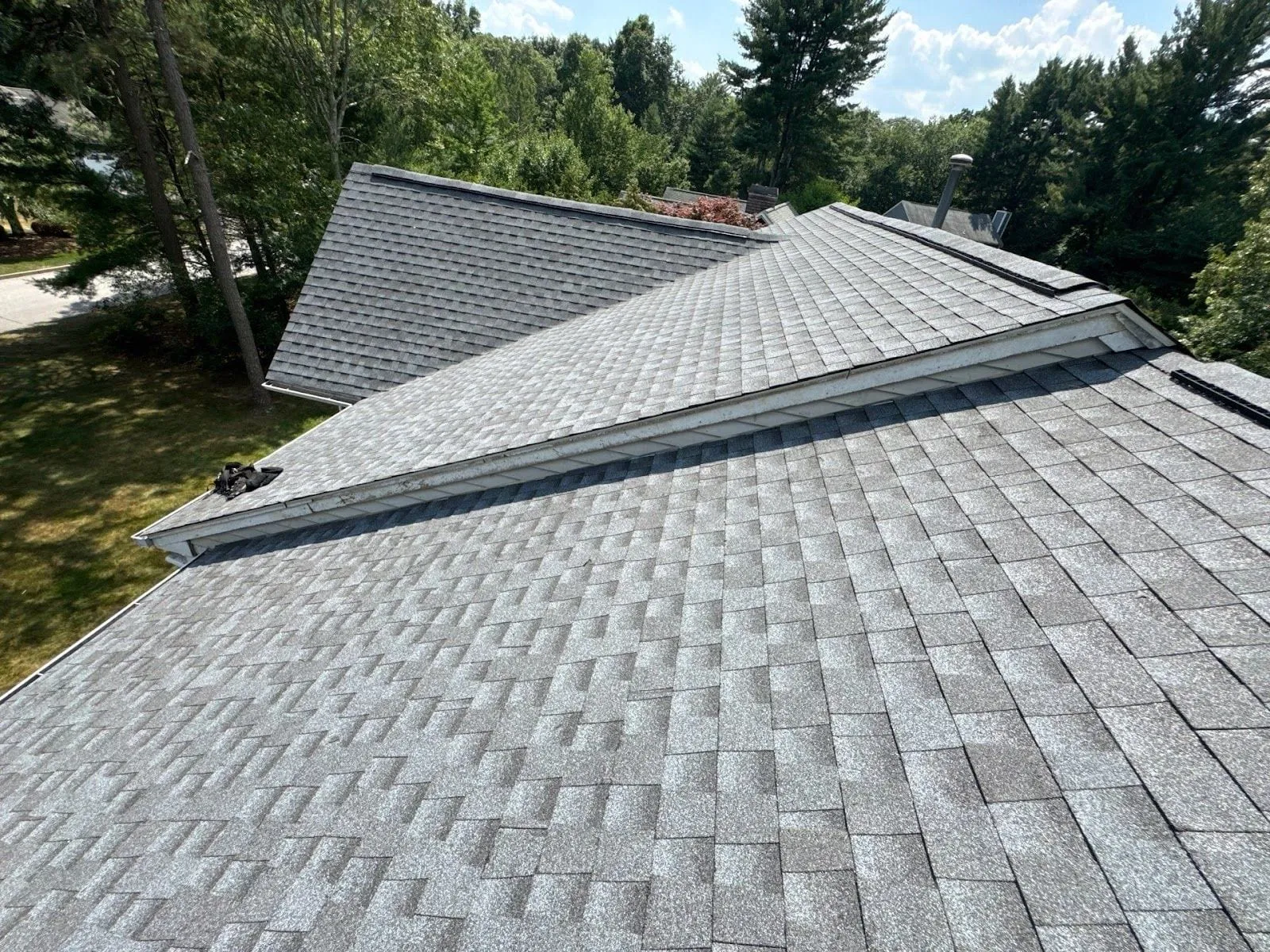 Old Roof, Weighing ReplacementCurling, bald spots, or it's just been a long time.
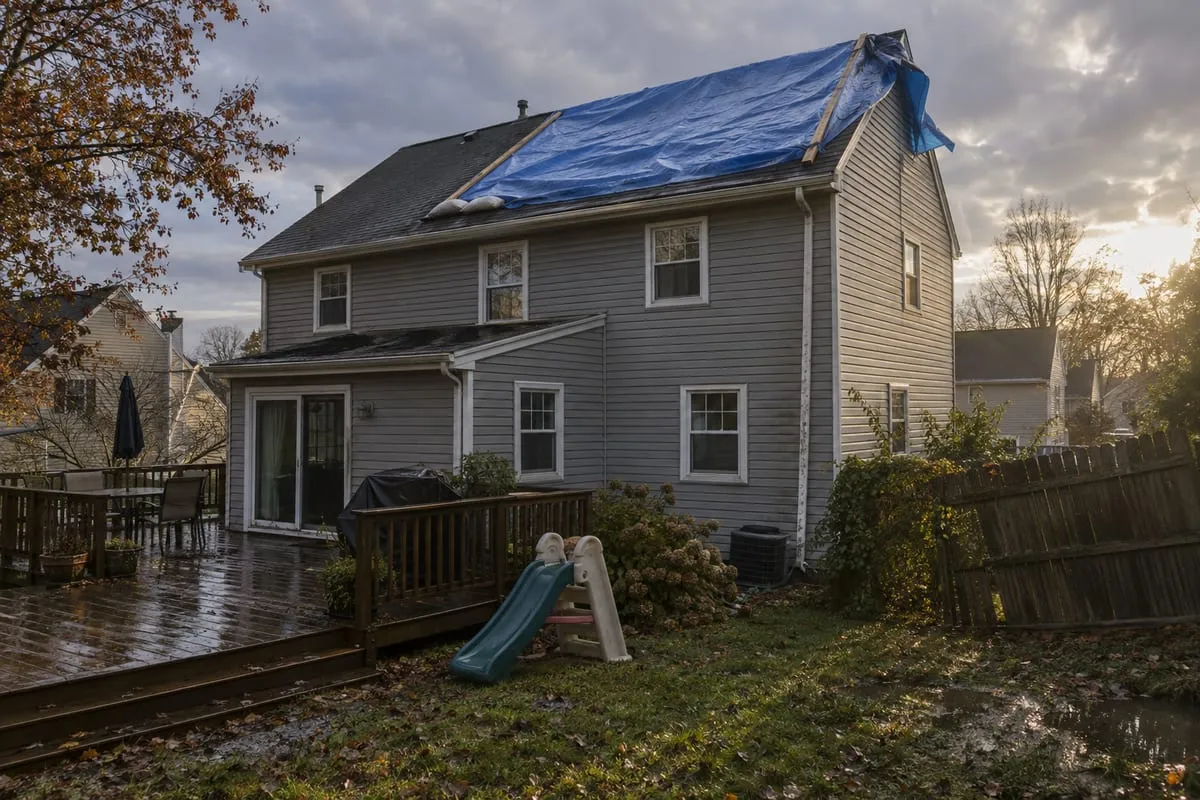 Storm DamageWind, a fallen limb, hail. Claim or no claim.
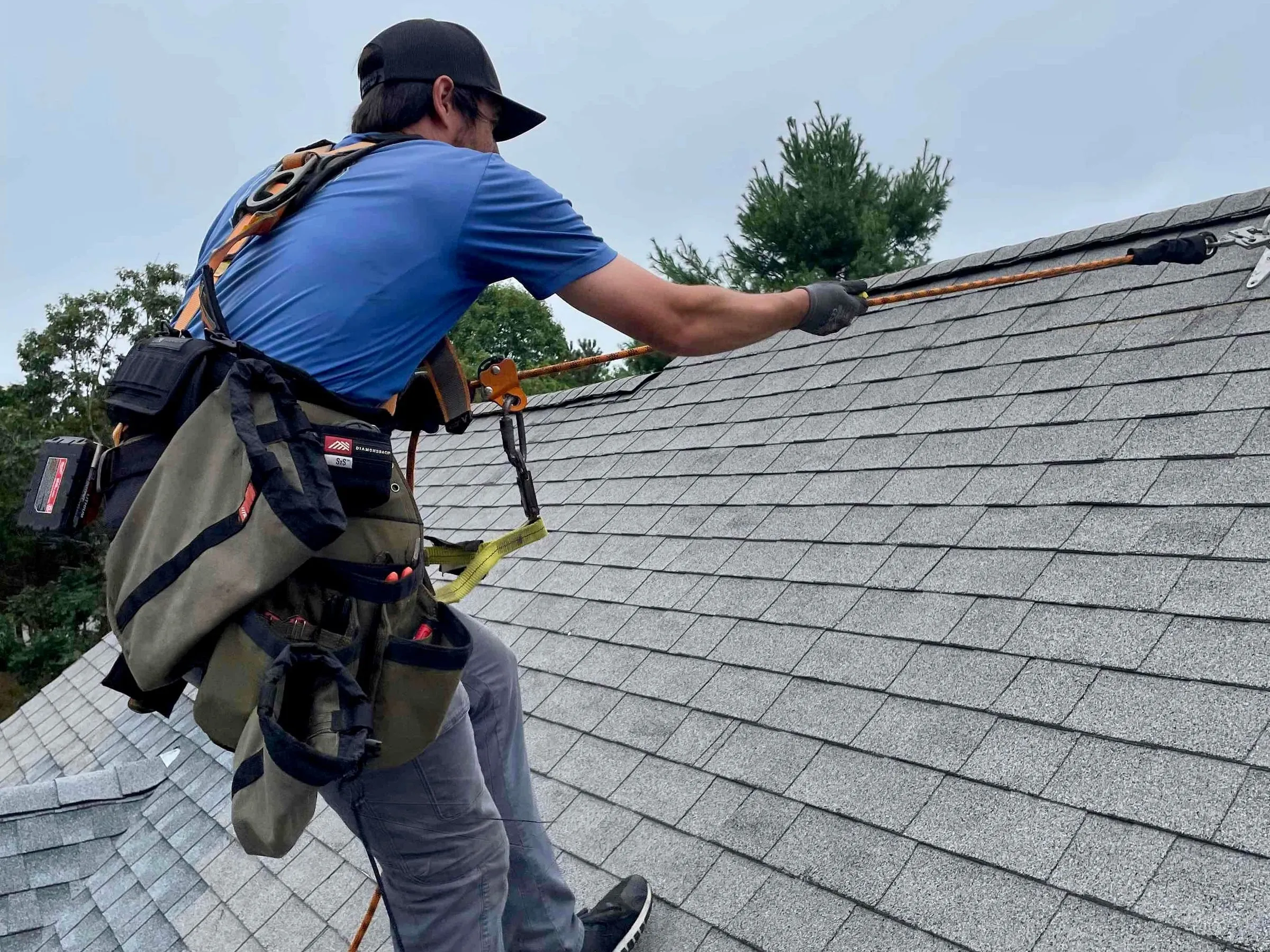 Not Sure, Need an InspectionAn inspection or a second opinion.
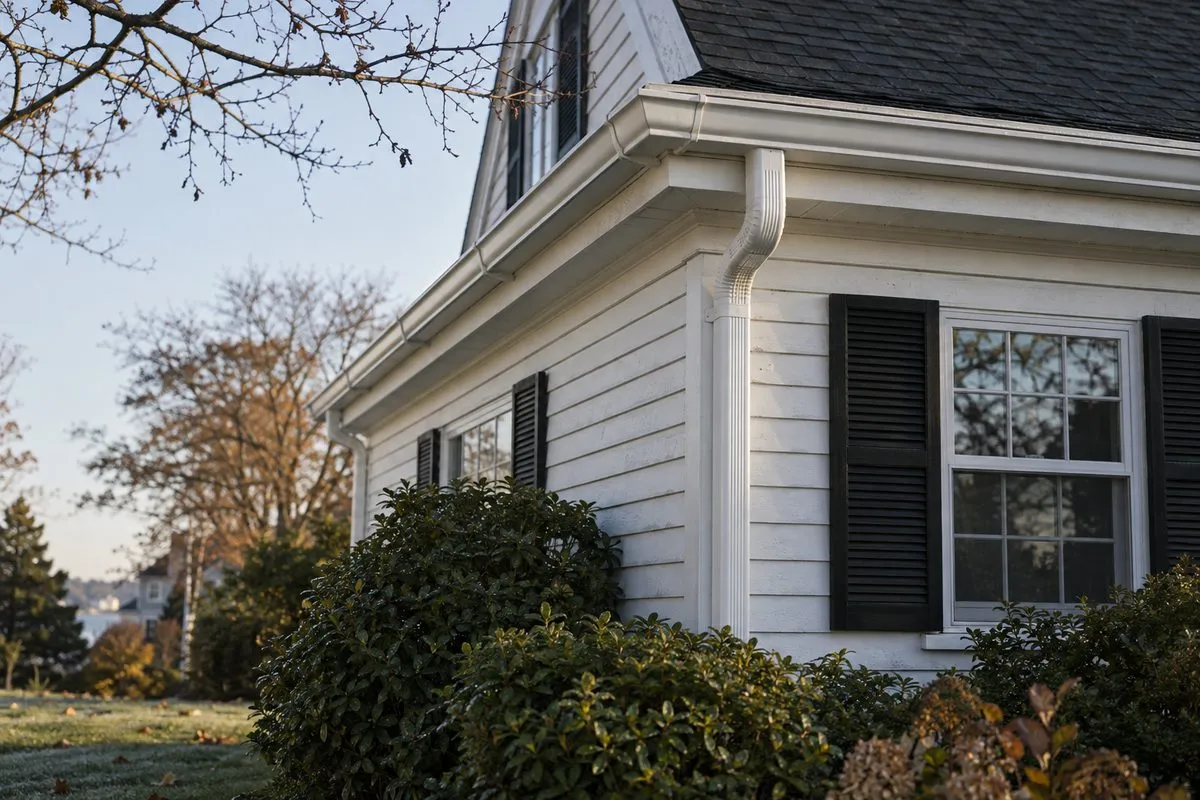 Gutters, Siding or ExteriorGutters, siding, trim, windows, skylights.
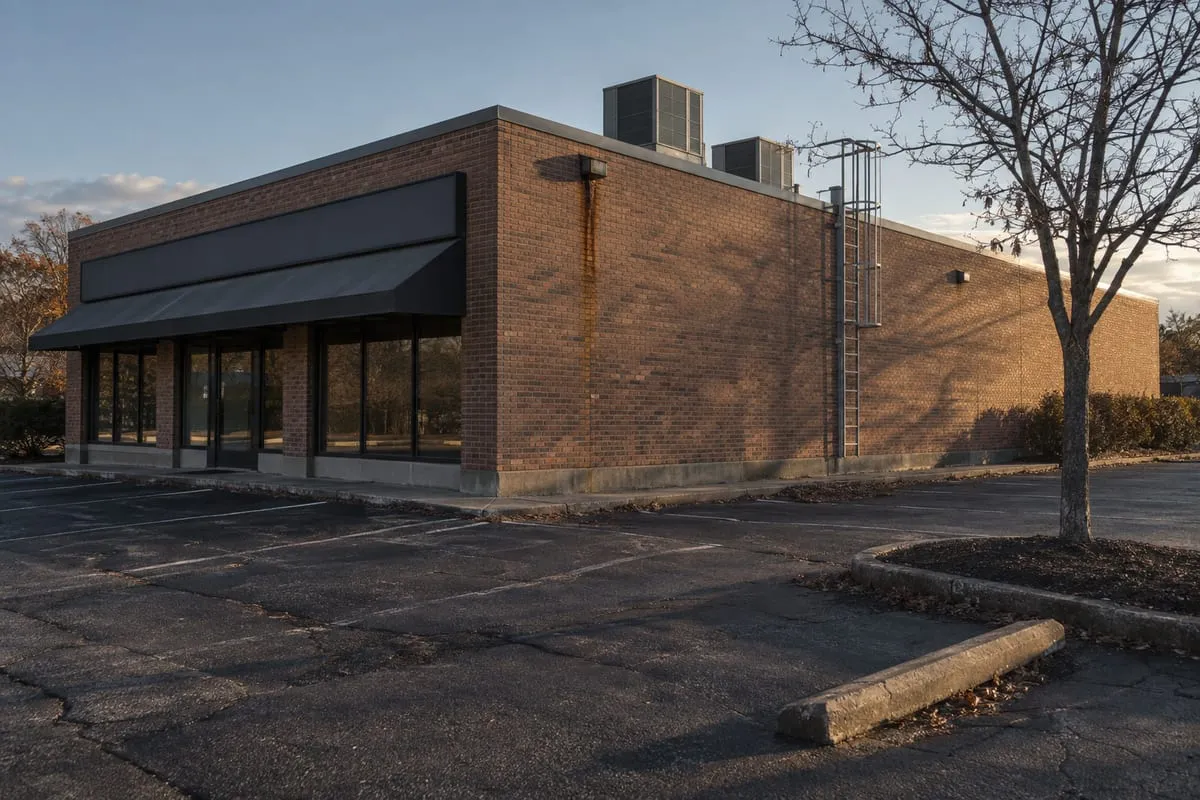 Commercial BuildingFlat or low-slope roofs, maintenance, replacement.
Where Are You Seeing It?
Pick the closest. We'll look at the rest on site.
How Old Is the Roof?
A rough guess is fine.
Have You Started an Insurance Claim?
Either way, we can take a look.
What's Behind the Inspection?
Pick the closest.
Which Part of the Exterior?
Pick the main one. Mention the rest at the end.
What Does the Building Need?
Flat and low-slope roofs included.
What Kind of Property Is It?
When Do You Want It Done?
Where Should We Reach You?
Request Sent
Reference RTP-····-····
We'll reach out from (401) 593-1512 during business hours. Need us sooner? Call that number any time.
Nothing is sent until you say so.
ContinueRather Talk?(401) 593-1512
- GAF Master Elite
GAF Master Elite® Certified contractor, Cert. #1111816.
- BBB A+
Accredited by the Better Business Bureau since September 29, 2022.
- RI GC-47694
Licensed and registered general contractor in Rhode Island, valid through September 19, 2027.
- GAF Golden Pledge
Extended manufacturer warranty available on qualifying installations. Coverage terms vary by product and installation.
What Old Windows Are Actually Costing You
Failing windows show up in a few predictable ways: rising heating and cooling bills as seals fail and drafts creep in, fogged or clouded glass between panes on double-pane units, and windows that stick, won't lock, or won't stay open.
Fogging between panes on a double-pane window means the seal holding the insulating gas between the two layers of glass has failed. Once that happens, the fog doesn't clear and it doesn't get cleaned away, the only fix is replacing the sash or the full unit. A window that won't stay open or won't lock securely is also a security issue, not just an inconvenience.
Rhode Island's electricity rates run well above the national average, so a drafty single-pane or failed-seal window costs more here over a winter than the same window would in a cheaper-power state. RTP Roofing installs and repairs windows as part of the exterior work we already do, so one company can take care of your window replacement along with your roof or siding. See our siding and roof replacement work for the rest of what that crew handles.
How Window Replacement Actually Works
There are two ways to replace a window, and which one applies to your home changes the job:
- Insert (pocket) replacement. The old sash and hardware come out, and a new window unit is set into the existing frame, then anchored, insulated, and sealed. It's faster and less disruptive since the exterior trim and siding stay in place, but it only works if the existing frame is still square, level, and free of rot. It also reduces the glass area slightly, since the new unit sits inside the old frame.
- Full-frame replacement. The window comes out down to the studs, frame included, and a new unit goes into the bare opening. It takes longer and involves more of the surrounding wall, but it's the right call when a frame is warped, rotted, or drafty no matter how well the window inside it seals, and it lets us re-flash the opening correctly instead of sealing over an existing problem.
We tell you which one your home needs during the inspection, not after we've already started, and we won't sell you a full-frame job an insert would handle.
Window Materials And Glass Options
Frame material. Vinyl is the most common choice and typically the least expensive, but it expands and contracts more than fiberglass across Rhode Island's temperature swings, which over time can affect how tightly a seal holds. Fiberglass costs more upfront, expands and contracts at close to the same rate as glass, and holds up well to impact and repeated freeze-thaw cycles, which is a real factor here. Wood-clad windows have the most traditional look, especially on older Rhode Island homes, but need more upkeep than vinyl or fiberglass and cost the most.
Glass and gas fill. Double-pane Low-E glass with an argon gas fill between the panes is the standard energy-efficient option for our climate. Triple-pane glass adds another layer of insulation and noise reduction, at a higher cost, and makes the most sense on a home with a noisy street or an unusually cold-facing wall.
There's no single right option here, it depends on your home's age, your budget, and how long you plan to stay in the house. We'll walk through the honest tradeoffs for your specific windows rather than pushing whatever's easiest for us to install.
When To Repair, When To Replace
Not every window problem means a full replacement. A stuck sash, a broken balance, a failed lock, or a cracked pane on an otherwise sound frame can usually be repaired for a fraction of what replacement costs. We'll always tell you when repair is the right call, even though replacement is the bigger job for us.
Replacement makes more sense once the seal has failed and the glass is permanently fogged, the frame itself is rotted, warped, or has gaps you can see daylight through, or you're dealing with single-pane glass with no real path to a cost-effective upgrade. If you're already replacing siding, see our siding work, or a roof, it's also often the right time to bundle windows in, since the crew and the scaffolding or staging are already on site.
The RTP Roofing Difference
We're RI-registered (GC-47694). We assess the frame and the surrounding trim or siding before we recommend anything, because a window that's flashed correctly on its own can still leak if it's poorly tied into the siding around it, exactly the kind of gap that gets missed when two separate contractors handle each piece.
Because we're already a roofing, siding, and gutters contractor, we look at how a window opening ties into the rest of your home's exterior, not just the window frame in isolation. When the job's done, we clean up trim scraps, old sashes, and packaging before we leave, and we walk every window with you so you can see it open, close, lock, and seal before we call it finished.
How it works
- Step 1
Inspection & Consultation
We assess your current windows, frames, and the surrounding trim or siding, tell you honestly whether insert or full-frame replacement fits, and talk through what's actually wrong before recommending anything.
- Step 2
Window Selection
We help you choose window styles, frame materials, and glass options that fit your home's look, your budget, and how much energy efficiency and noise reduction matter to you.
- Step 3
Measurement & Ordering
We take exact measurements for each opening so the units we order fit correctly, whether that's an insert unit sized to your existing frame or a full-frame unit sized to the rough opening.
- Step 4
Removal
We remove the old sash and hardware for an insert job, or the full window and frame down to the studs for a full-frame replacement, protecting the surrounding interior and exterior as we go.
- Step 5
Installation & Sealing
We set and anchor the new window, then insulate and seal it correctly, tying the flashing into the surrounding siding or trim so water has nowhere to get behind the new unit.
- Step 6
Final Walkthrough & Cleanup
We check that every window opens, closes, locks, and seals correctly, clear away old sashes, trim scraps, and packaging, and walk the finished work with you before we call the job done.
Questions
Frequently asked questions
Can new windows lower my energy bills?
Modern windows are designed to reduce heat transfer, which can help with both heating and cooling costs. How much depends on your home's current windows, your frame and glass choice, and your overall insulation.
Do you repair windows or only replace them?
Both. We'll tell you honestly whether a repair addresses the actual problem or whether the window has reached the point where replacement makes more sense.
What's the difference between insert and full-frame window replacement?
Insert replacement fits a new window into your existing, still-sound frame and is faster and less disruptive. Full-frame replacement removes the window down to the studs and is the right call when the existing frame is warped, rotted, or drafty. We'll tell you which one your home needs during the inspection.
Can you replace windows at the same time as siding or a roof?
Yes, and it's a common pairing since all three involve the same exterior work.
What window materials and glass options do you install?
Vinyl, fiberglass, and wood-clad frames, most often in double-hung or casement styles, with double-pane Low-E glass and argon fill as the standard energy-efficient option. Triple-pane is available where noise reduction or extra insulation matters most. We'll recommend a combination based on your home's age, budget, and how the window's used.
How do I know if a window needs a repair or full replacement?
A stuck sash, a broken lock, or a failed seal on one pane can often be repaired. A window that's warped, rotting at the frame, or fogged across multiple panes usually means replacement is the better investment. We'll tell you honestly which situation you're in.
How long does window replacement take?
Insert replacements are faster since the trim and siding stay in place; full-frame jobs take longer because more of the surrounding wall is involved. Most home window replacement projects run one to a few days depending on how many windows you're replacing and which method applies. We'll give you a real timeline after we've assessed your home, not a generic number.
Serving Rhode Island
- Window replacement in Barrington
- Window replacement in Bristol
- Window replacement in Burrillville
- Window replacement in Central Falls
- Window replacement in Charlestown
- Window replacement in Coventry
- Window replacement in Cranston
- Window replacement in Cumberland
- Window replacement in East Greenwich
- Window replacement in East Providence
- Window replacement in Exeter
- Window replacement in Foster
- Window replacement in Glocester
- Window replacement in Hopkinton
- Window replacement in Jamestown
- Window replacement in Johnston
- Window replacement in Lincoln
- Window replacement in Little Compton
- Window replacement in Middletown
- Window replacement in Narragansett
- Window replacement in New Shoreham
- Window replacement in Newport
- Window replacement in North Kingstown
- Window replacement in North Providence
- Window replacement in North Smithfield
- Window replacement in Pawtucket
- Window replacement in Portsmouth
- Window replacement in Providence
- Window replacement in Richmond
- Window replacement in Scituate
- Window replacement in Smithfield
- Window replacement in South Kingstown
- Window replacement in Tiverton
- Window replacement in Warren
- Window replacement in Warwick
- Window replacement in West Greenwich
- Window replacement in West Warwick
- Window replacement in Westerly
- Window replacement in Woonsocket
Serving Massachusetts
- Window replacement in Attleboro
- Window replacement in Bellingham
- Window replacement in Blackstone
- Window replacement in Bridgewater
- Window replacement in Brockton
- Window replacement in Dartmouth
- Window replacement in Easton
- Window replacement in Fall River
- Window replacement in Foxborough
- Window replacement in Franklin
- Window replacement in Mansfield
- Window replacement in Middleborough
- Window replacement in Milford
- Window replacement in New Bedford
- Window replacement in North Attleborough
- Window replacement in Norton
- Window replacement in Plymouth
- Window replacement in Rehoboth
- Window replacement in Seekonk
- Window replacement in Somerset
- Window replacement in Swansea
- Window replacement in Taunton
- Window replacement in Uxbridge
- Window replacement in Wareham
- Window replacement in Westport
- Window replacement in Worcester
Back to Additional exterior services hub
Get A Straight Answer On Your Windows
Request a free estimate or call (401) 593-1512. We'll tell you what your windows need before we talk price.