
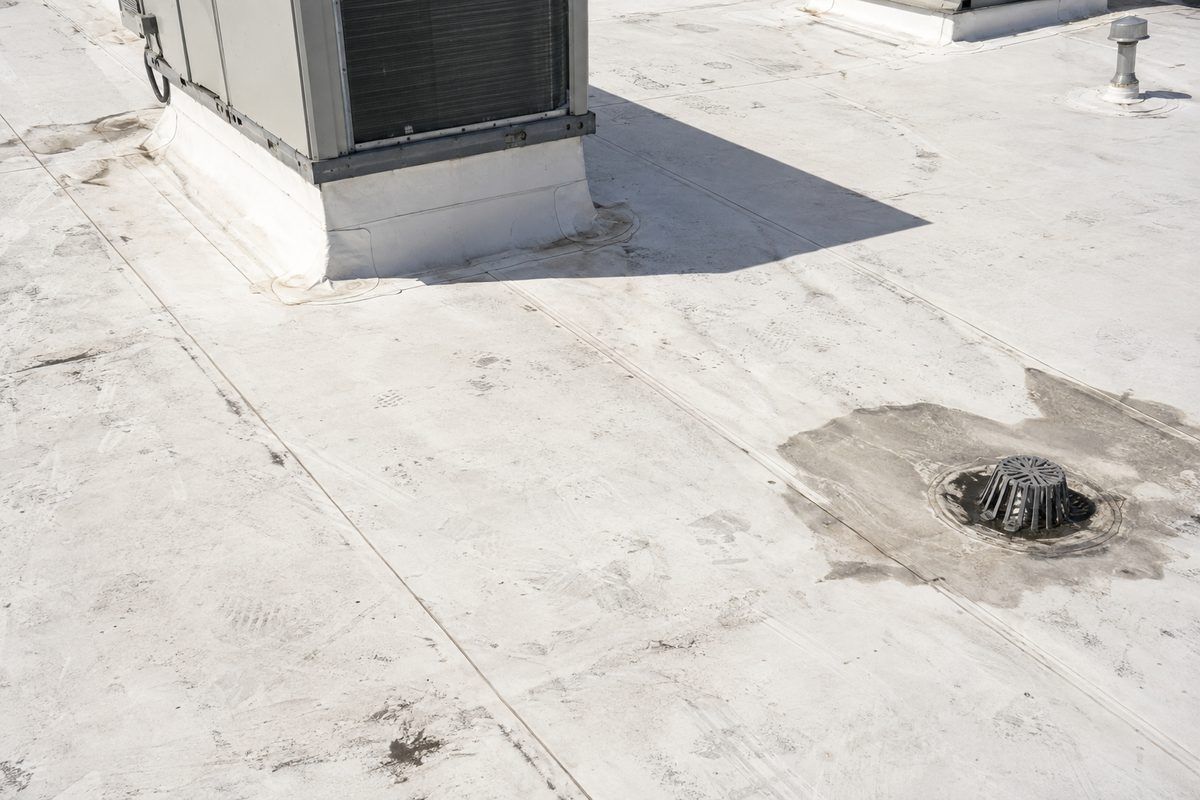
Flat Roof Repair · Rhode Island & Massachusetts
Flat Roof Repair For Homes: Why They Leak and What Actually Fixes Them
A flat or low-slope section on a porch, addition, dormer or triple-decker does not shed water the way a shingle roof does. That is why it leaks differently, and why the fix depends on the membrane and on where the water is really getting in.
Free EstimateRTP-····-···· · Warwick Office
Free Estimate
RTP-····-····Warwick Office
Step 1 of 5 · About 1 Minute
What Does Your Home Need?
Pick the closest one. You don't need the right words for it.
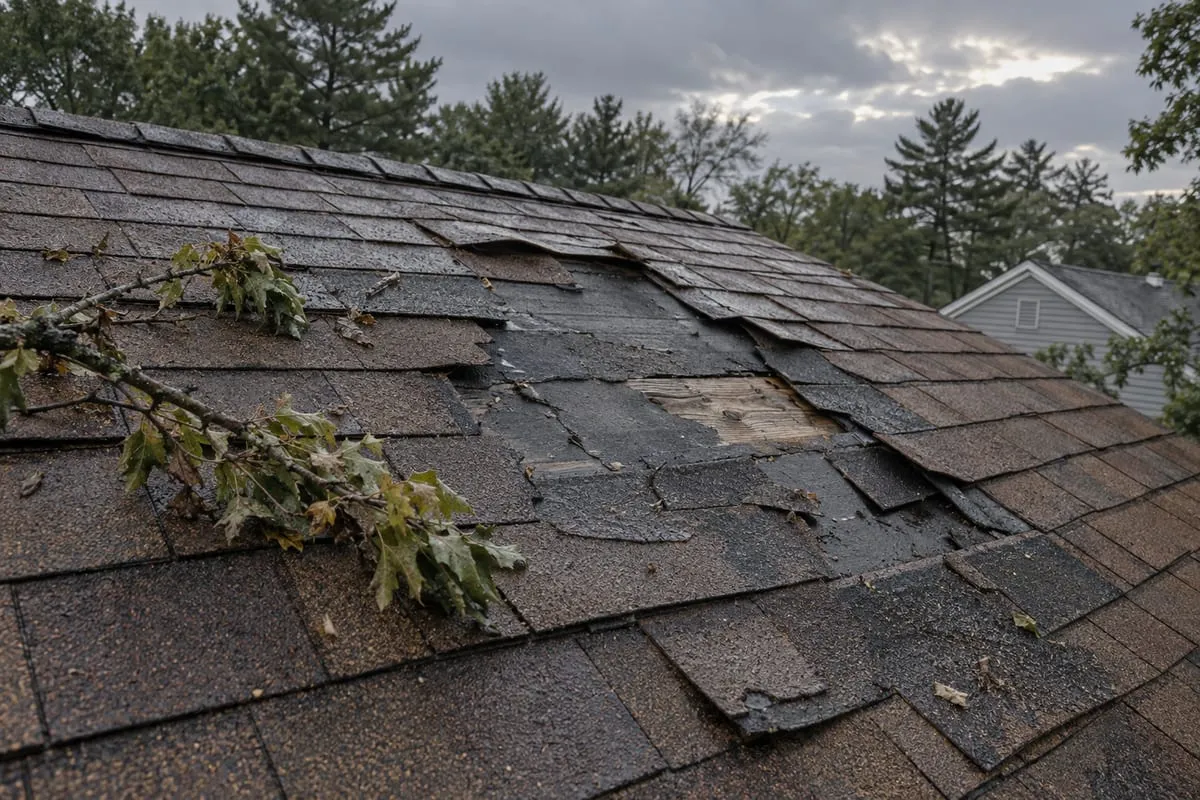 Something's Leaking or DamagedA stain on the ceiling, water in the attic, missing shingles.
 Old Roof, Weighing ReplacementCurling, bald spots, or it's just been a long time.
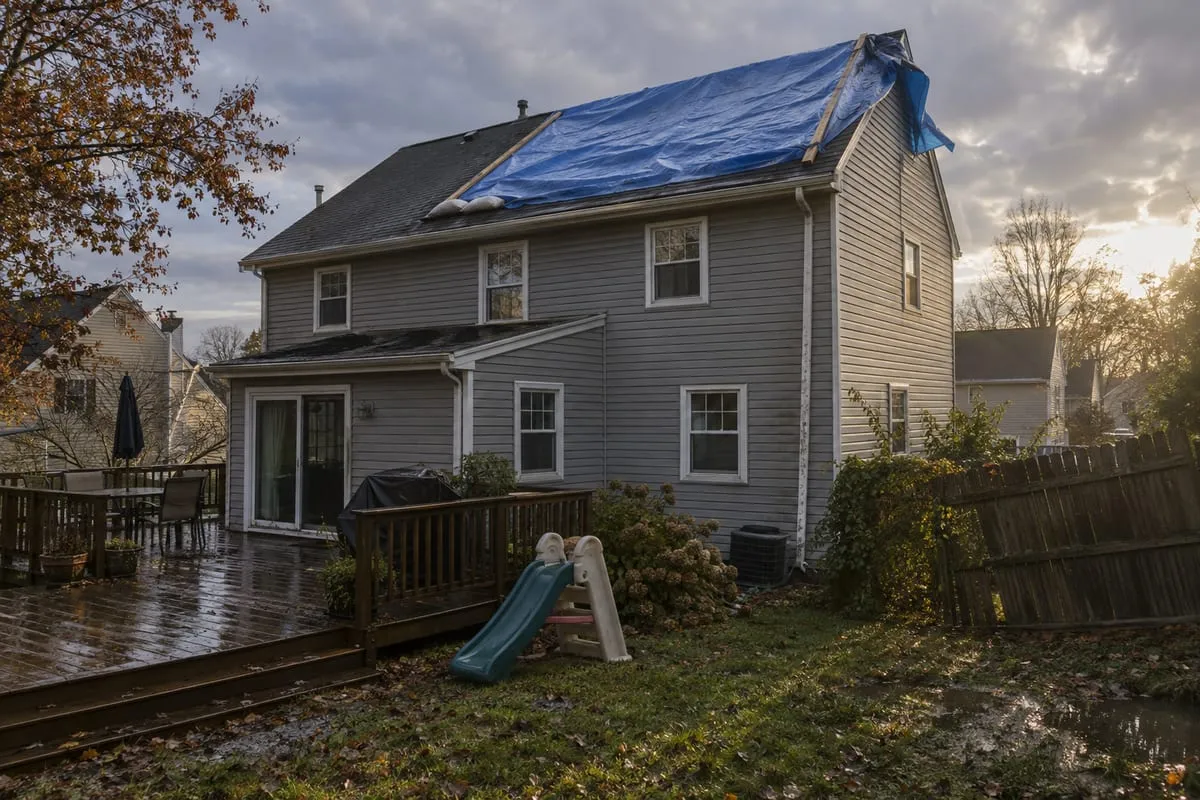 Storm DamageWind, a fallen limb, hail. Claim or no claim.
 Not Sure, Need an InspectionAn inspection or a second opinion.
 Gutters, Siding or ExteriorGutters, siding, trim, windows, skylights.
 Commercial BuildingFlat or low-slope roofs, maintenance, replacement.
Where Are You Seeing It?
Pick the closest. We'll look at the rest on site.
How Old Is the Roof?
A rough guess is fine.
Have You Started an Insurance Claim?
Either way, we can take a look.
What's Behind the Inspection?
Pick the closest.
Which Part of the Exterior?
Pick the main one. Mention the rest at the end.
What Does the Building Need?
Flat and low-slope roofs included.
What Kind of Property Is It?
When Do You Want It Done?
Where Should We Reach You?
Request Sent
Reference RTP-····-····
We'll reach out from (401) 593-1512 during business hours. Need us sooner? Call that number any time.
Nothing is sent until you say so.
ContinueRather Talk?(401) 593-1512
- GAF Master Elite®
GAF Master Elite® Certified contractor, Cert. #1111816.
- BBB A+
Accredited by the Better Business Bureau since September 29, 2022.
- GC-47694
Licensed and registered general contractor in Rhode Island, valid through September 19, 2027.
- GAF Extended Warranty
Extended manufacturer warranty available on qualifying installations. Coverage terms vary by product and installation.
Why Low-Slope Roofs Leak
A "flat" roof is never truly flat. It has a slight pitch so rain drains toward a gutter, scupper or drain. When that pitch is too shallow, or the roof sags, water stays put. One home inspector's long-standing observation is that some flat roofs are adequately sloped toward drains but many are not, and water simply ponds and will only be dispersed by evaporation.
Most leaks on these roofs come from a short list of causes:
- Ponding water. Carlisle, a major membrane maker, says ponded water should evaporate within 48 to 72 hours after a rainfall, and that debris can inhibit drainage. Polyglass, another manufacturer, notes that 1 inch of ponding water can weigh more than 5.2 pounds per square foot.
- Seams. InterNACHI says that on low-slope roofs seams which get soaked by ponding may fail.
- Flashing at walls and penetrations. Roof penetrations and intersecting planes are sealed with flashings, and those joints are a common leak point. IKO notes that ponding deeper than the flashing is tall can let water into the structure.
- Membrane movement and age. On EPDM, shrinkage may pull flashing loose or cause craze-cracking, and it can stress the seams too.
- Freeze and thaw. In New England, standing water that freezes and thaws works on the surface. IKO says freeze/thaw cycling can erode the mineral surface on some roofing materials, such as modified bitumen.
The spot where a stain shows up inside is often not the spot where water gets in. GAF's manual warns that leak water may move some lateral distance from the roof leak, which makes the entry point harder to find.
3 Common Flat Roof Membranes
Three common low-slope roof materials are EPDM, TPO and modified bitumen. Other types exist, such as PVC, built-up and metal. Knowing which one you have matters, because repair products are not interchangeable.
- EPDM (rubber roofing). A single sheet of synthetic rubber. This is what people mean by "rubber roof repair." Seams are joined with tape or adhesive.
- TPO. A single-ply sheet, often white, whose seams are joined with hot air. GAF's manual says laps in its TPO flashing membrane must be heat-welded, and that all cut edges of reinforced TPO membrane must be sealed.
- Modified bitumen. Layers of asphalt-based sheet with a polymer added. Roofing Contractor magazine says there are two primary types of modified bitumen systems: atactic polypropylene (APP) and styrene-butadiene-styrene (SBS), applied by several methods, including torch, hot asphalt, cold adhesive and self-adhering sheets.
Under any of these sits a deck and usually insulation. That layer matters in a leak, covered below. If you are not sure what your roof is, a roofer can usually tell from the surface and seams in a few minutes. This guide stays focused on the flat sections of a house.
How Each Membrane Is Repaired
Manufacturers publish repair methods, and they are written for trained installers. They involve torches, heat welders, primers and solvents on a roof surface. This section describes what a proper repair involves so you can ask better questions. It is not a how-to, and none of it is a job for a homeowner.
EPDM. Carlisle's restoration instructions call for a repaired area where the new membrane extends a minimum of 6" past the repair area for proper splicing, with surfaces cleaned and primed first. The same document says that cuts, holes, tears, and punctures that will lead to moisture infiltration in the future must be repaired. Carlisle's owner's manual, written for owners of its roofs, says that if minor emergency temporary repairs are made to a suspected leak area, its lap sealant or a good-grade rubber caulk should be used, and not asphaltic roof cement. Reaching the spot means going onto the roof, which this guide does not recommend.
TPO. GAF's installation manual says remedial work must be performed with like materials, consistent with the rest of the roof, so that the number of patches stays low. TPO patches are bonded with hot-air welding equipment, not with roof cement from a tube.
Modified bitumen. Roofing Contractor magazine says open or unadhered seams are often the result of improper torch application and that proper repairs require torch or heat welding of the seams. Before any patch goes on, the article says the area has to be cleared of debris and contaminants, and the prepared area should extend beyond the perimeter of the patch so the patch sits on clean material.
The pattern is the same across all 3. The surface is cleaned, the patch is the same family of material as the roof, it overlaps the damage, and the edges and seams are sealed. A bead of the wrong sealant over a crack rarely does that.
When A Patch Works And When It Does Not
A patch is a reasonable answer when the damage is local and the roof underneath is dry. A puncture, a lifted corner of flashing, or a failed seam at one spot are the typical cases. The manufacturers above treat these as repairs.
A patch stops being the right answer when water has already spread. Look for these signs:
- Wet or soft insulation. Carlisle's restoration instructions say to cut and remove membrane and wet insulation at area to be repaired and install compatible insulation of equal thickness. Patching over wet insulation traps the moisture. Carlisle also says a moisture scan should be performed on roofs with a history of leaks.
- Patch on top of patch. GAF's manual states that excessive patchwork will require replacement of the entire affected membrane section from lap to lap.
- A roof that keeps holding water. GAF warns that in an opening through the membrane, standing water can significantly worsen damage to the roof system. A patch does not fix a low spot. If the slope is the problem, the repair has to include drainage or added pitch.
- Widespread cracking, shrinkage or seam failure across the surface, rather than at one joint.
If a whole section needs replacing, it is often the porch, addition or dormer roof only, not the main roof. Our guide to signs you need roof repair vs. a full replacement covers how that decision is made for the rest of the house.
Why You Cannot Just Shingle A Flat Roof
Homeowners often ask whether a flat section can be re-covered with ordinary shingles. The model residential code says no below a set slope. In the Rhode Island edition of the 2021 IRC, section R905.2.2 states that asphalt shingles shall be used only on roof slopes of 2 units vertical in 12 units horizontal (17-percent slope) or greater. Between 2:12 and 4:12, the same section requires double underlayment.
Low-slope coverings have their own minimum. The same chapter sets a design slope of not less than 1/4 unit vertical in 12 units horizontal for modified bitumen, thermoset single-ply (EPDM) and thermoplastic single-ply (TPO) roofs. A roof pitched under 2:12 needs a membrane system that is built to hold water out, not shingles that rely on gravity to shed it.
This guide cites the Rhode Island text only. For a Massachusetts home, a roofer or the local building department can confirm the rule that applies in your town.
Safe Next Steps For A Leaking Flat Roof
Start from the inside. Note where the stain is, when it appears and whether it follows rain, melting snow or a pooled spot. Photos with dates help a roofer find the entry point.
Keep the roof itself off your to-do list. Carlisle cautions that single-ply roofs are typically low-slope and easy to inspect, but caution must be taken to ensure safety, and that roof surfaces may be slippery. Do not climb up to look, and do not carry solvents, primers or open-flame tools onto a roof. Carlisle's manual also says to keep all liquids containing petroleum products or chemicals off the membrane, which is one more reason to leave sealant choices to the installer.
From the ground or a window, you can check that gutters and drains are not visibly blocked and look for standing water 2 to 3 days after rain. Then ask for an inspection, so the actual cause is identified before any material is chosen. A routine roof inspection looks at the field of the roof, seams, flashings and drainage. If an inspection finds localized damage, the work is a roof repair. Carlisle also recommends inspections every six months and after severe weather, which a roof maintenance plan can cover.
If your membrane is still under a manufacturer warranty, check it before anyone touches the roof. Carlisle's manual says that a Carlisle Authorized Applicator must perform all revision work, and other manufacturers have their own rules.
Questions
Frequently asked questions
Can a flat roof leak be repaired, or does it need replacing?
Both happen. A localized puncture, failed seam or lifted flashing on a dry roof is typically repaired. If insulation under the membrane is wet, or the same area has been patched repeatedly, manufacturers like Carlisle and GAF describe removing and replacing material rather than patching over it.
What is the difference between EPDM, TPO and modified bitumen?
EPDM is a rubber sheet, TPO is a single-ply sheet whose seams are heat-welded, and modified bitumen is asphalt-based sheet roofing. They are repaired with different materials, so a repair product made for one should not be assumed to work on another.
Is ponding water on a flat roof normal?
Some puddling after rain is common, but water that stays is a problem. Carlisle says ponded water should evaporate within 48 to 72 hours after rain, and standing water can speed up damage to seams and flashing. Persistent ponding points to a drainage or slope issue that a patch will not fix.
Can I use roof cement or a tube of sealant to stop a flat roof leak?
Do not go on the roof to apply anything. Carlisle's owner's manual says not to use asphaltic roof cement and names its own lap sealant or a good-grade rubber caulk for minor emergency repairs on its membranes. Anything applied can complicate a proper repair later, so have a roofer handle it.
Why can't a flat roof be covered with shingles?
The International Residential Code, as published for Rhode Island, allows asphalt shingles only on slopes of 2:12 or greater, with double underlayment between 2:12 and 4:12. Flatter roofs need a membrane system designed to hold water out.
How often should a flat roof be inspected?
Carlisle recommends inspecting its roofs at least every six months, preferably spring and fall, and after weather events with heavy rain, high winds or hail. In New England, a check after winter is also a practical habit.
Does a repair affect my roof warranty?
It can. Carlisle's warranty language calls for a Carlisle Authorized Applicator to perform revision work. If your roof is under any manufacturer warranty, read the terms or call the manufacturer before work begins.
Serving Rhode Island
- Flat roof repair for homes: why they leak and what actually fixes them in Barrington
- Flat roof repair for homes: why they leak and what actually fixes them in Bristol
- Flat roof repair for homes: why they leak and what actually fixes them in Burrillville
- Flat roof repair for homes: why they leak and what actually fixes them in Central Falls
- Flat roof repair for homes: why they leak and what actually fixes them in Charlestown
- Flat roof repair for homes: why they leak and what actually fixes them in Coventry
- Flat roof repair for homes: why they leak and what actually fixes them in Cranston
- Flat roof repair for homes: why they leak and what actually fixes them in Cumberland
- Flat roof repair for homes: why they leak and what actually fixes them in East Greenwich
- Flat roof repair for homes: why they leak and what actually fixes them in East Providence
- Flat roof repair for homes: why they leak and what actually fixes them in Exeter
- Flat roof repair for homes: why they leak and what actually fixes them in Foster
- Flat roof repair for homes: why they leak and what actually fixes them in Glocester
- Flat roof repair for homes: why they leak and what actually fixes them in Hopkinton
- Flat roof repair for homes: why they leak and what actually fixes them in Jamestown
- Flat roof repair for homes: why they leak and what actually fixes them in Johnston
- Flat roof repair for homes: why they leak and what actually fixes them in Lincoln
- Flat roof repair for homes: why they leak and what actually fixes them in Little Compton
- Flat roof repair for homes: why they leak and what actually fixes them in Middletown
- Flat roof repair for homes: why they leak and what actually fixes them in Narragansett
- Flat roof repair for homes: why they leak and what actually fixes them in New Shoreham
- Flat roof repair for homes: why they leak and what actually fixes them in Newport
- Flat roof repair for homes: why they leak and what actually fixes them in North Kingstown
- Flat roof repair for homes: why they leak and what actually fixes them in North Providence
- Flat roof repair for homes: why they leak and what actually fixes them in North Smithfield
- Flat roof repair for homes: why they leak and what actually fixes them in Pawtucket
- Flat roof repair for homes: why they leak and what actually fixes them in Portsmouth
- Flat roof repair for homes: why they leak and what actually fixes them in Providence
- Flat roof repair for homes: why they leak and what actually fixes them in Richmond
- Flat roof repair for homes: why they leak and what actually fixes them in Scituate
- Flat roof repair for homes: why they leak and what actually fixes them in Smithfield
- Flat roof repair for homes: why they leak and what actually fixes them in South Kingstown
- Flat roof repair for homes: why they leak and what actually fixes them in Tiverton
- Flat roof repair for homes: why they leak and what actually fixes them in Warren
- Flat roof repair for homes: why they leak and what actually fixes them in Warwick
- Flat roof repair for homes: why they leak and what actually fixes them in West Greenwich
- Flat roof repair for homes: why they leak and what actually fixes them in West Warwick
- Flat roof repair for homes: why they leak and what actually fixes them in Westerly
- Flat roof repair for homes: why they leak and what actually fixes them in Woonsocket
Serving Massachusetts
- Flat roof repair for homes: why they leak and what actually fixes them in Attleboro
- Flat roof repair for homes: why they leak and what actually fixes them in Bellingham
- Flat roof repair for homes: why they leak and what actually fixes them in Blackstone
- Flat roof repair for homes: why they leak and what actually fixes them in Bridgewater
- Flat roof repair for homes: why they leak and what actually fixes them in Brockton
- Flat roof repair for homes: why they leak and what actually fixes them in Dartmouth
- Flat roof repair for homes: why they leak and what actually fixes them in Easton
- Flat roof repair for homes: why they leak and what actually fixes them in Fall River
- Flat roof repair for homes: why they leak and what actually fixes them in Foxborough
- Flat roof repair for homes: why they leak and what actually fixes them in Franklin
- Flat roof repair for homes: why they leak and what actually fixes them in Mansfield
- Flat roof repair for homes: why they leak and what actually fixes them in Middleborough
- Flat roof repair for homes: why they leak and what actually fixes them in Milford
- Flat roof repair for homes: why they leak and what actually fixes them in New Bedford
- Flat roof repair for homes: why they leak and what actually fixes them in North Attleborough
- Flat roof repair for homes: why they leak and what actually fixes them in Norton
- Flat roof repair for homes: why they leak and what actually fixes them in Plymouth
- Flat roof repair for homes: why they leak and what actually fixes them in Rehoboth
- Flat roof repair for homes: why they leak and what actually fixes them in Seekonk
- Flat roof repair for homes: why they leak and what actually fixes them in Somerset
- Flat roof repair for homes: why they leak and what actually fixes them in Swansea
- Flat roof repair for homes: why they leak and what actually fixes them in Taunton
- Flat roof repair for homes: why they leak and what actually fixes them in Uxbridge
- Flat roof repair for homes: why they leak and what actually fixes them in Wareham
- Flat roof repair for homes: why they leak and what actually fixes them in Westport
- Flat roof repair for homes: why they leak and what actually fixes them in Worcester
Related pages
- Roof repair Rhode Island
- Free roof inspection Rhode Island
- Roof Maintenance in Warwick, RI
- Roof replacement Cranston
- Roof repair vs replacement
- Ice dams Rhode Island
- GAF golden pledge limited warranty explained
- How long does a roof last
- Ice dam removal
- Roof leak repair
- Roof replacement cost factors Rhode Island
- How A Roof Storm-Damage Insurance Claim Works In Rhode Island, Step By Step
Back to Roofing guides hub
Leak Under A Flat Section Of Your Roof?
Request a free, on-roof inspection or call RTP Roofing at (401) 593-1512.