
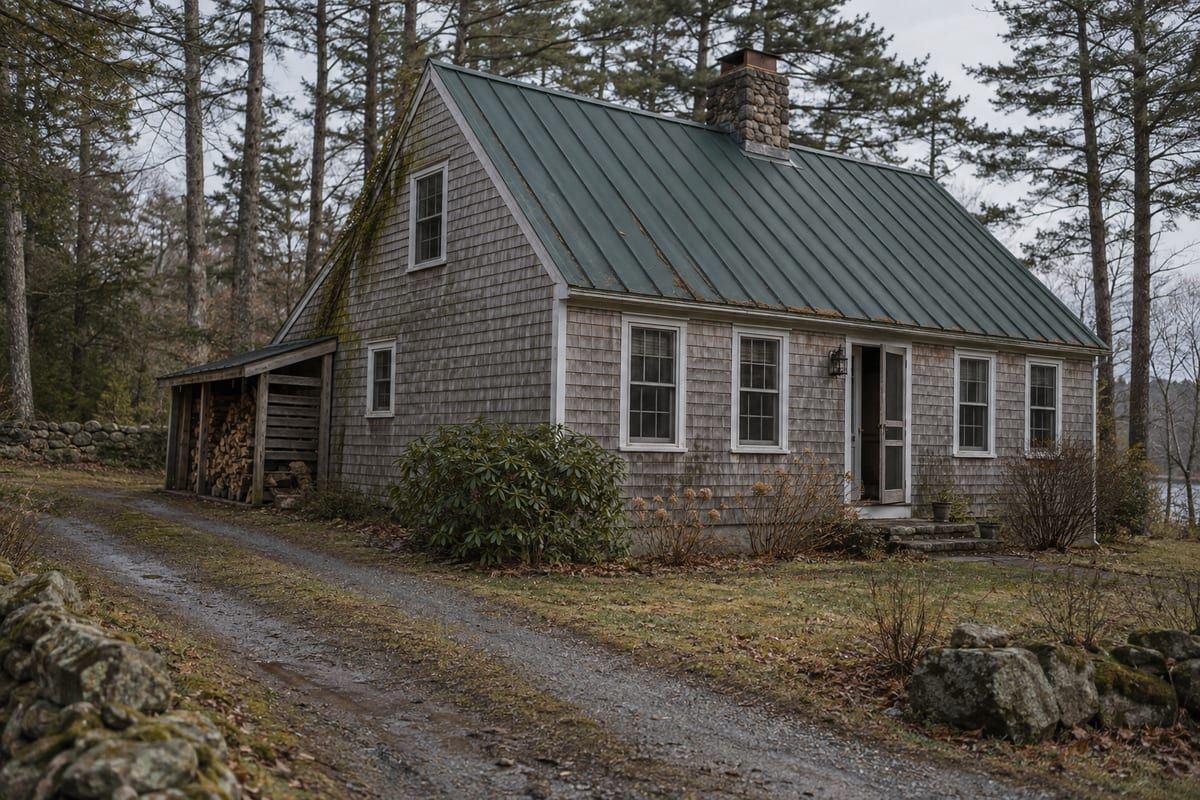
Ice Dam Removal · New England
Ice Dam Removal: What Helps, What to Avoid, and What Comes Next
A ridge of ice on your eaves and water showing up inside is stressful, and the tools most people grab first are the ones that do the most harm. Here is what the guidance supports, what to avoid, and what removal can and cannot fix.
Free EstimateRTP-····-···· · Warwick Office
Free Estimate
RTP-····-····Warwick Office
Step 1 of 5 · About 1 Minute
What Does Your Home Need?
Pick the closest one. You don't need the right words for it.
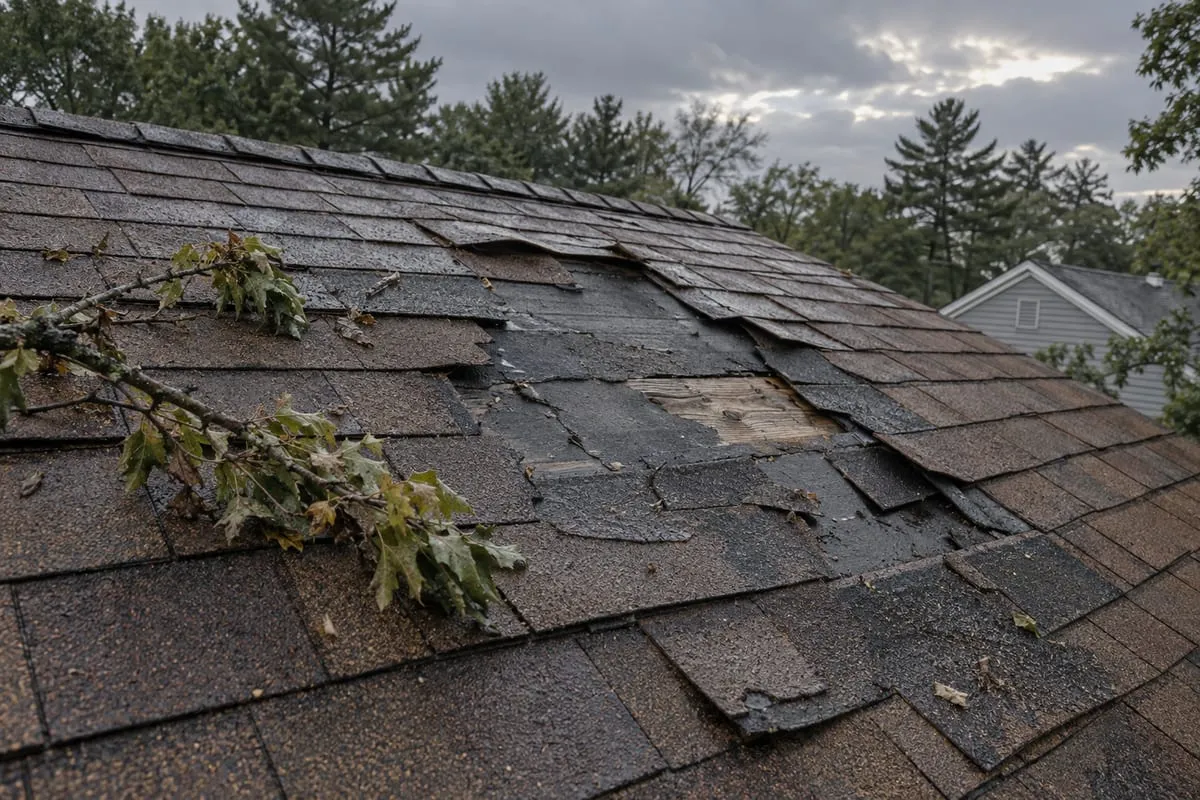 Something's Leaking or DamagedA stain on the ceiling, water in the attic, missing shingles.
 Old Roof, Weighing ReplacementCurling, bald spots, or it's just been a long time.
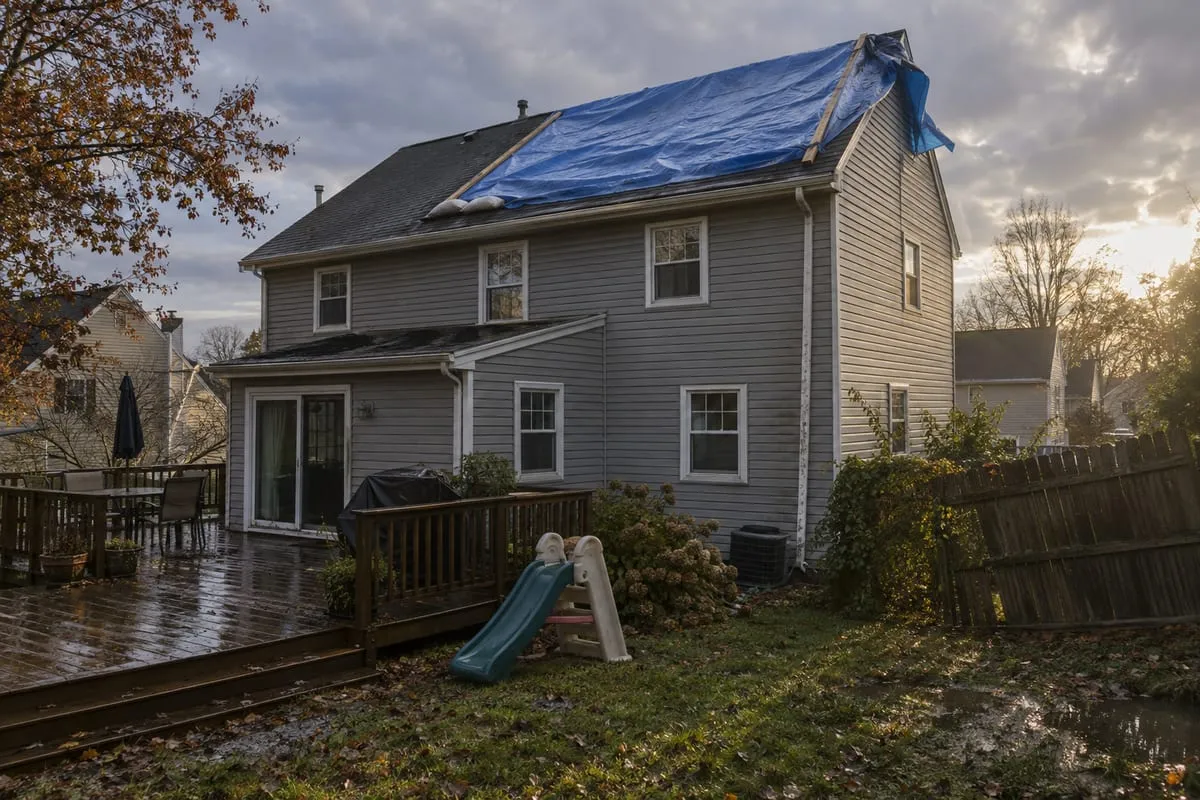 Storm DamageWind, a fallen limb, hail. Claim or no claim.
 Not Sure, Need an InspectionAn inspection or a second opinion.
 Gutters, Siding or ExteriorGutters, siding, trim, windows, skylights.
 Commercial BuildingFlat or low-slope roofs, maintenance, replacement.
Where Are You Seeing It?
Pick the closest. We'll look at the rest on site.
How Old Is the Roof?
A rough guess is fine.
Have You Started an Insurance Claim?
Either way, we can take a look.
What's Behind the Inspection?
Pick the closest.
Which Part of the Exterior?
Pick the main one. Mention the rest at the end.
What Does the Building Need?
Flat and low-slope roofs included.
What Kind of Property Is It?
When Do You Want It Done?
Where Should We Reach You?
Request Sent
Reference RTP-····-····
We'll reach out from (401) 593-1512 during business hours. Need us sooner? Call that number any time.
Nothing is sent until you say so.
ContinueRather Talk?(401) 593-1512
- GAF Master Elite®
GAF Master Elite® Certified contractor, Cert. #1111816.
- BBB A+
Accredited by the Better Business Bureau since September 29, 2022.
- GC-47694
Licensed and registered general contractor in Rhode Island, valid through September 19, 2027.
- GAF Extended Warranty
Extended manufacturer warranty available on qualifying installations. Coverage terms vary by product and installation.
What Ice Dam Removal Can And Cannot Do
Removing an ice dam gets rid of the ice. It does not get rid of the reason the ice formed. Ice dams build up because heat from the house leaks into the attic and melts snow on the roof, and that meltwater refreezes at the cold edge. The University of Massachusetts Amherst building program puts it plainly: ice dams are created by the heat lost from the house.
That makes removal a short-term fix, useful when water is already getting in or the ice is heavy enough to worry about. It is not a cure. If you want to stop the dam from coming back, read our guide on ice dam causes and prevention, which covers insulation, air sealing, ventilation, and the ice barrier code. This page sticks to the removal side so the two guides do not repeat each other.
The short version of what follows: clear snow from the ground if you can, leave the ice itself alone unless a trained crew is doing it, and treat water coming indoors as the signal to call someone.
Lower Risk: Raking Snow From The Ground
The one removal step that homeowner guidance consistently supports is taking snow off the lower part of the roof with a roof rake while you stand on the ground. InterNACHI, the home inspector association, says snow can be removed safely with a roof rake from the ground, as long as you are careful not to harm the roofing materials or knock loose dangerous icicles. Less snow at the eave means less meltwater to refreeze.
The Maine Emergency Management Agency adds practical limits worth following:
- Stand well back and rake small amounts at a time. Snow that comes down can come down on you.
- Do not scrape the roof bare. Maine advises leaving about 2 or 3 inches of snow, because scraping it clean risks damaging shingles. UMass Amherst makes the same point: a rake can scrape some of the protective mineral surface off asphalt shingles.
- Watch the power lines. An aluminum rake conducts electricity, so check where the service lines reach your house and stay well away from that area.
- Wear a helmet and goggles, and have someone outside with you.
- Mind the icicles. A cubic foot of ice weighs about 62 pounds, so large icicles over doors and walkways need care.
A rake only works on snow and only from the ground. If the snow is out of reach, or the dam is already built up, the rake is not the tool for it. Maine's guidance is to consider hiring a professional, because the combination of heights plus ice makes this one of the more dangerous house chores.
What Not To Do
Several common shortcuts can hurt you or the roof. Each of these is warned against by the sources below.
- Do not chip or hack at the ice. InterNACHI lists removing a dam with shovels, hammers, and ice picks as a method to avoid, noting that the roof can be easily damaged, as can the homeowner when they slip off the icy roof. UMass Amherst describes the pattern of people attacking roof ice with hammers, shovels, and ice picks and concludes that more damage is done to life, limb, and roof than the ice ever caused.
- Do not put rock salt on the roof. Travelers, the insurer, says to avoid rock salt or sodium chloride, which can damage your roof.
- Do not climb a ladder or get on the roof. Maine's emergency agency says to say no to climbing on ladders because ice and snow build up on the rungs and on your boot soles. The Alaska Department of Labor notes that falls cause the most deaths and injuries during rooftop snow removal.
- Do not use heat on the roof. Maine also says no to hair dryers and heat guns, because water and electricity do not mix, and no to open flame, which can damage roofs and gutters and even set a house on fire.
- Do not count on heat cables as a fix. InterNACHI says they rarely work, take effort to install, use electricity, and can make shingles brittle.
Travelers also describes filling a nylon stocking with calcium chloride ice melt and laying it across the dam to melt a channel. That step means getting a stocking onto the roof edge, which brings back the ladder problem. We do not recommend doing it yourself.
How Steam Removal Differs From Pressure Washing
When a dam needs to come off, the method a crew uses matters as much as whether they use one. The two are often confused.
Ice dam steaming, as one Minnesota roofing contractor describes it, is converting cold water into low pressure steam with the use of high temperatures, then directing that steam through a specialized nozzle to melt ice dams. The idea is to melt the ice rather than force it off. The same contractor says that hot water pressure washers are different, and that their intense pressure can loosen and tear the granules on shingles. That is one contractor's account, so treat it as a description of the method and a reason to ask questions, not as a test result.
The wider guidance on pressure is clearer. The Asphalt Roofing Manufacturers Association, which represents shingle makers, says that high-pressure washing systems are likely to damage asphalt roofing and should not be used for any purpose on it. That statement is about cleaning algae, but the mechanism is the same: pressure on shingle granules.
If you hire someone, ask these before the work starts:
- What equipment do you use, and is it a steamer or a hot-water pressure washer?
- How do you protect the shingles, flashing, and gutters?
- How will you handle the water that runs off, so it does not refreeze on walkways?
- Do you work from a ladder or a lift, and what fall protection do you use?
The answers tell you more than a price ever will. Checking your shingle manufacturer's warranty terms for roof-surface treatments is also reasonable before any work on the roof itself.
If Water Is Already Coming Inside
Water on a ceiling or down a wall is the point where waiting stops being a good plan. If water is reaching a light fixture, an outlet or the area around your electrical panel, deal with that first: our roof leak repair guide explains when to turn power off at the main breaker and when to stay away and call an electrician. Then a few things help while you arrange professional help:
- Protect what is below the stain. Move furniture and belongings, and put containers under drips where it is safe to do so.
- Take dated photos and video of the ice, the ceiling, and any stained walls, inside and out, from the ground. You will want them for an insurance claim, and our guide to the storm damage insurance claims process explains what to expect.
- Do not wait for the ice to melt on its own. The University of Minnesota Extension says that in an emergency where water is flowing into the house structure, making channels through the ice dam allows the water behind the dam to drain off the roof. That is a job for a crew with the right equipment, not a homeowner with a hose and a ladder.
- Do not repair interior damage yet. The same extension page advises waiting until ceilings and walls are dry before repairing them.
Damage from an ice dam does not always stay in sight. InterNACHI notes that leaks can saturate wall cavities and cause trouble long after the ice dam has melted, and that chronically wet insulation will not decompress even when it dries. Once the ice is gone, a roof inspection can show whether water got under the shingles, and a roof repair can fix what it damaged.
Why Removal Is Only A Short-Term Fix
Even a clean, careful removal leaves the cause in place. The University of Minnesota Extension is direct about the drainage channels crews cut: the channel will become ineffective within days and is only a temporary solution. A roof rake is likewise listed as an immediate step, not a long-term one.
The long-term action the extension lists starts inside the house. First, make the ceiling airtight so no warm, moist air can flow from the house into the attic space. After that comes insulation. Our prevention guide walks through all of it.
If the same eave builds a dam every winter, that pattern is worth a closer look than another round of removal. Repeated wetting can wear on a roof over several seasons, and our guide on signs you need a new roof explains how to tell repair from replacement. A roof maintenance visit before winter is also a practical way to check the attic side while the roof is dry and safe to reach.
Questions
Frequently asked questions
Can I remove an ice dam myself?
The only part most guidance supports is raking snow from the ground with a roof rake. Chipping ice, climbing a ladder, using salt or heat, and getting on the roof are all warned against by the sources above. If the dam is built up or water is coming in, a trained crew is the safer route.
Is it safe to use a roof rake?
It is safer than the alternatives, but it has limits. Stand on the ground, rake small amounts, leave a couple of inches of snow rather than scraping to bare shingles, and keep an aluminum rake well away from where power lines reach the house. Never use a rake from a ladder.
Will hot water melt an ice dam?
Not safely as a homeowner project. It adds water to a roof where it can refreeze, and getting to the dam usually means a ladder or the roof itself. InterNACHI says warm water channels should be used only in emergencies when a great deal of water is already flowing through the roof, and only when it is warm enough that the water can drain before it freezes.
What is the difference between steaming and pressure washing an ice dam?
Steaming melts ice with low-pressure steam. Pressure washing forces water at high pressure, and shingle makers warn that high-pressure washing is likely to damage asphalt roofing. If you hire a crew, ask which equipment they use and how they protect the shingles.
Do ice dams damage the roof even after they are removed?
They can. Water pushed under shingles can soak the roof deck, insulation, and wall cavities, and the damage sometimes shows up long after the ice is gone. A roof inspection after a hard winter is the way to find out.
Will removing the ice dam stop it from coming back?
No. Removal clears the ice, but the heat leaking into the attic is still there. Fixing air leaks and insulation is what prevents the next dam, and our ice dam prevention guide covers it.
Serving Rhode Island
- Ice dam removal: what helps, what to avoid, and what comes next in Barrington
- Ice dam removal: what helps, what to avoid, and what comes next in Bristol
- Ice dam removal: what helps, what to avoid, and what comes next in Burrillville
- Ice dam removal: what helps, what to avoid, and what comes next in Central Falls
- Ice dam removal: what helps, what to avoid, and what comes next in Charlestown
- Ice dam removal: what helps, what to avoid, and what comes next in Coventry
- Ice dam removal: what helps, what to avoid, and what comes next in Cranston
- Ice dam removal: what helps, what to avoid, and what comes next in Cumberland
- Ice dam removal: what helps, what to avoid, and what comes next in East Greenwich
- Ice dam removal: what helps, what to avoid, and what comes next in East Providence
- Ice dam removal: what helps, what to avoid, and what comes next in Exeter
- Ice dam removal: what helps, what to avoid, and what comes next in Foster
- Ice dam removal: what helps, what to avoid, and what comes next in Glocester
- Ice dam removal: what helps, what to avoid, and what comes next in Hopkinton
- Ice dam removal: what helps, what to avoid, and what comes next in Jamestown
- Ice dam removal: what helps, what to avoid, and what comes next in Johnston
- Ice dam removal: what helps, what to avoid, and what comes next in Lincoln
- Ice dam removal: what helps, what to avoid, and what comes next in Little Compton
- Ice dam removal: what helps, what to avoid, and what comes next in Middletown
- Ice dam removal: what helps, what to avoid, and what comes next in Narragansett
- Ice dam removal: what helps, what to avoid, and what comes next in New Shoreham
- Ice dam removal: what helps, what to avoid, and what comes next in Newport
- Ice dam removal: what helps, what to avoid, and what comes next in North Kingstown
- Ice dam removal: what helps, what to avoid, and what comes next in North Providence
- Ice dam removal: what helps, what to avoid, and what comes next in North Smithfield
- Ice dam removal: what helps, what to avoid, and what comes next in Pawtucket
- Ice dam removal: what helps, what to avoid, and what comes next in Portsmouth
- Ice dam removal: what helps, what to avoid, and what comes next in Providence
- Ice dam removal: what helps, what to avoid, and what comes next in Richmond
- Ice dam removal: what helps, what to avoid, and what comes next in Scituate
- Ice dam removal: what helps, what to avoid, and what comes next in Smithfield
- Ice dam removal: what helps, what to avoid, and what comes next in South Kingstown
- Ice dam removal: what helps, what to avoid, and what comes next in Tiverton
- Ice dam removal: what helps, what to avoid, and what comes next in Warren
- Ice dam removal: what helps, what to avoid, and what comes next in Warwick
- Ice dam removal: what helps, what to avoid, and what comes next in West Greenwich
- Ice dam removal: what helps, what to avoid, and what comes next in West Warwick
- Ice dam removal: what helps, what to avoid, and what comes next in Westerly
- Ice dam removal: what helps, what to avoid, and what comes next in Woonsocket
Serving Massachusetts
- Ice dam removal: what helps, what to avoid, and what comes next in Attleboro
- Ice dam removal: what helps, what to avoid, and what comes next in Bellingham
- Ice dam removal: what helps, what to avoid, and what comes next in Blackstone
- Ice dam removal: what helps, what to avoid, and what comes next in Bridgewater
- Ice dam removal: what helps, what to avoid, and what comes next in Brockton
- Ice dam removal: what helps, what to avoid, and what comes next in Dartmouth
- Ice dam removal: what helps, what to avoid, and what comes next in Easton
- Ice dam removal: what helps, what to avoid, and what comes next in Fall River
- Ice dam removal: what helps, what to avoid, and what comes next in Foxborough
- Ice dam removal: what helps, what to avoid, and what comes next in Franklin
- Ice dam removal: what helps, what to avoid, and what comes next in Mansfield
- Ice dam removal: what helps, what to avoid, and what comes next in Middleborough
- Ice dam removal: what helps, what to avoid, and what comes next in Milford
- Ice dam removal: what helps, what to avoid, and what comes next in New Bedford
- Ice dam removal: what helps, what to avoid, and what comes next in North Attleborough
- Ice dam removal: what helps, what to avoid, and what comes next in Norton
- Ice dam removal: what helps, what to avoid, and what comes next in Plymouth
- Ice dam removal: what helps, what to avoid, and what comes next in Rehoboth
- Ice dam removal: what helps, what to avoid, and what comes next in Seekonk
- Ice dam removal: what helps, what to avoid, and what comes next in Somerset
- Ice dam removal: what helps, what to avoid, and what comes next in Swansea
- Ice dam removal: what helps, what to avoid, and what comes next in Taunton
- Ice dam removal: what helps, what to avoid, and what comes next in Uxbridge
- Ice dam removal: what helps, what to avoid, and what comes next in Wareham
- Ice dam removal: what helps, what to avoid, and what comes next in Westport
- Ice dam removal: what helps, what to avoid, and what comes next in Worcester
Related pages
- Ice dam prevention
- Roof leak repair Rhode Island
- Roof inspection Cranston RI
- Storm damage roof insurance claims RI
- Roof maintenance Warwick RI
- Signs you need a new roof
- Storm damage roof insurance claim Rhode Island
- Leaking roof
- What affects roof replacement cost RI
- Asphalt shingle vs metal roofing new england
- Best time to replace a roof
- Flat roof repair
- GAF golden pledge limited warranty explained
Back to Roofing guides overview
Water Coming In Or Ice Building Up?
Request a free, on-roof inspection or call RTP Roofing at (401) 593-1512.