
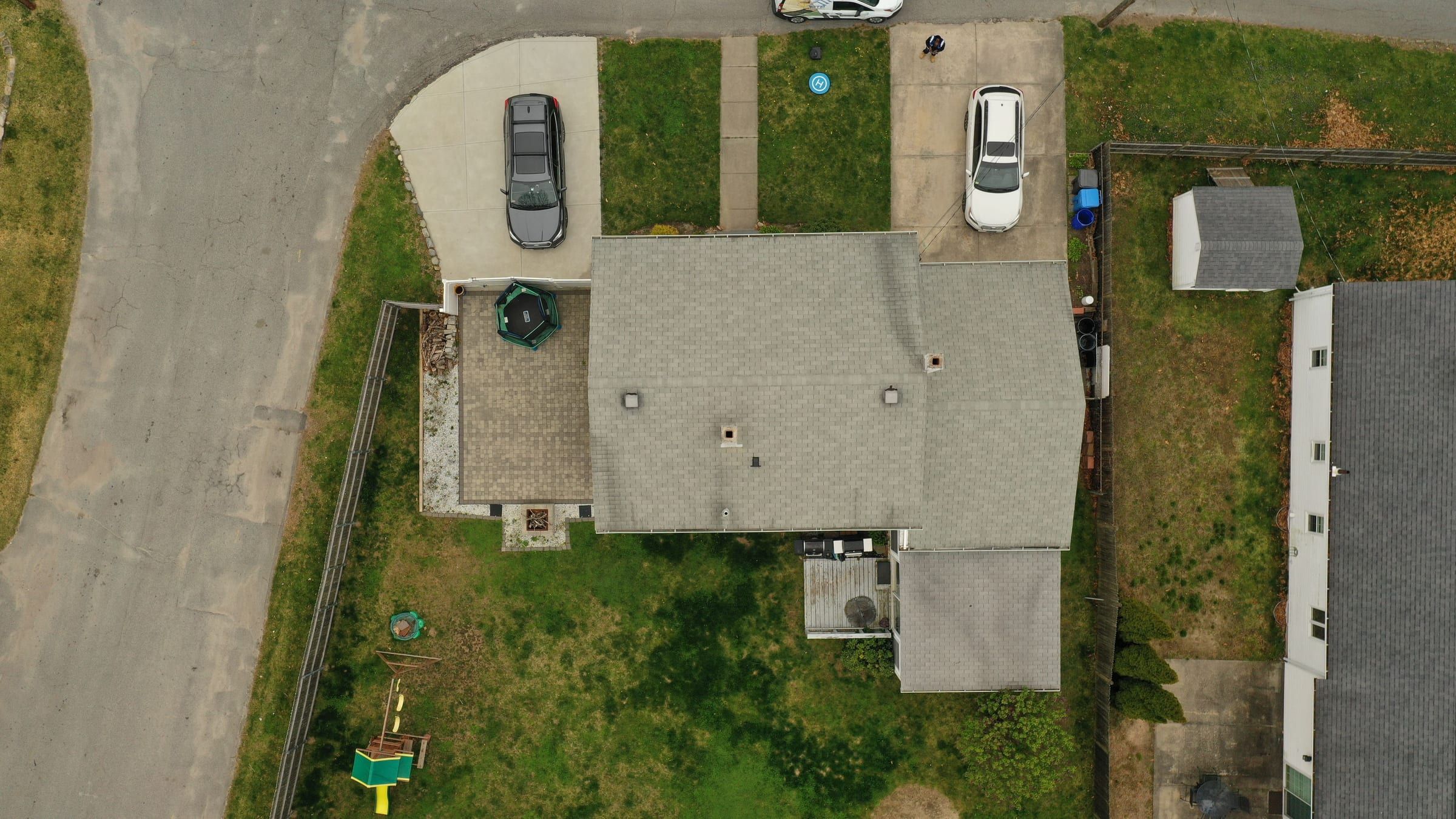
Roof Inspection · Warwick & Rhode Island
Roof Inspection in Warwick, RI
A drone photo from the driveway can't tell you what's happening in your attic. Before anyone quotes you a repair or a replacement, RTP Roofing gets a real crew on the roof and, when it matters, in the attic, to find out what's actually going on.
Free EstimateRTP-····-···· · Warwick Office
Free Estimate
RTP-····-····Warwick Office
Step 1 of 5 · About 1 Minute
What Does Your Home Need?
Pick the closest one. You don't need the right words for it.
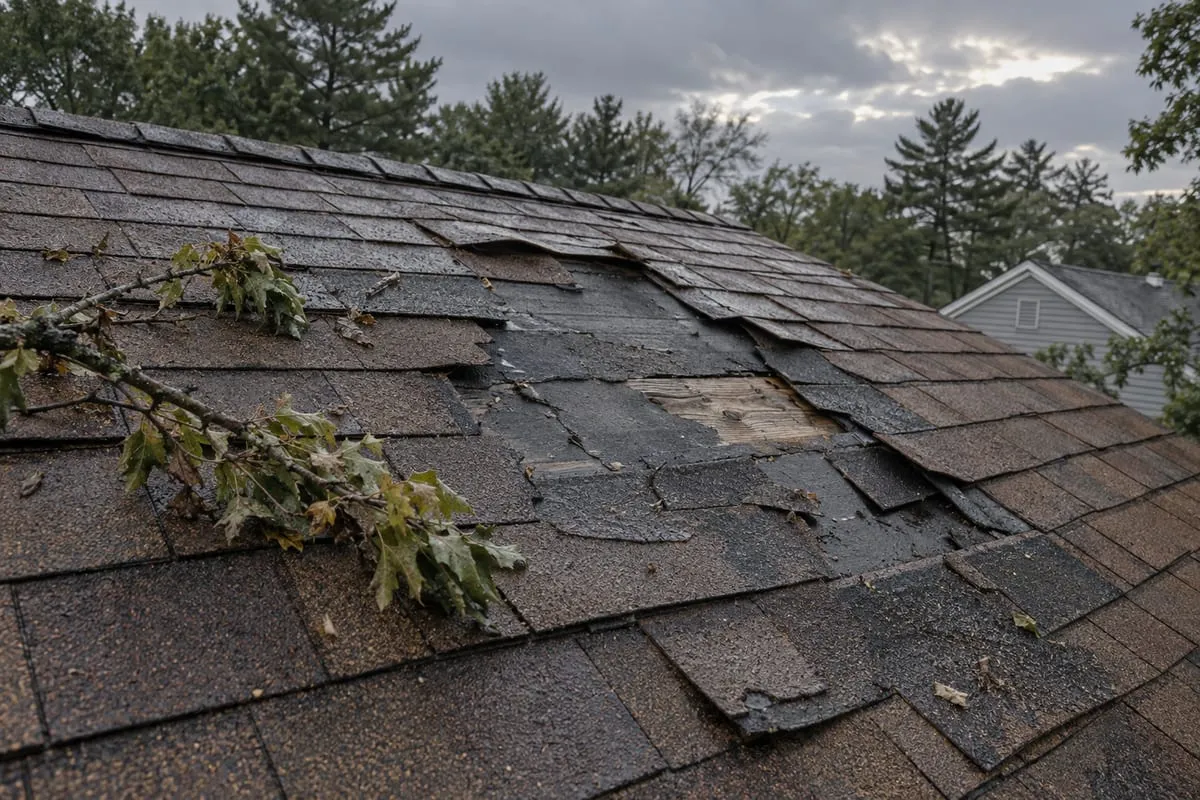 Something's Leaking or DamagedA stain on the ceiling, water in the attic, missing shingles.
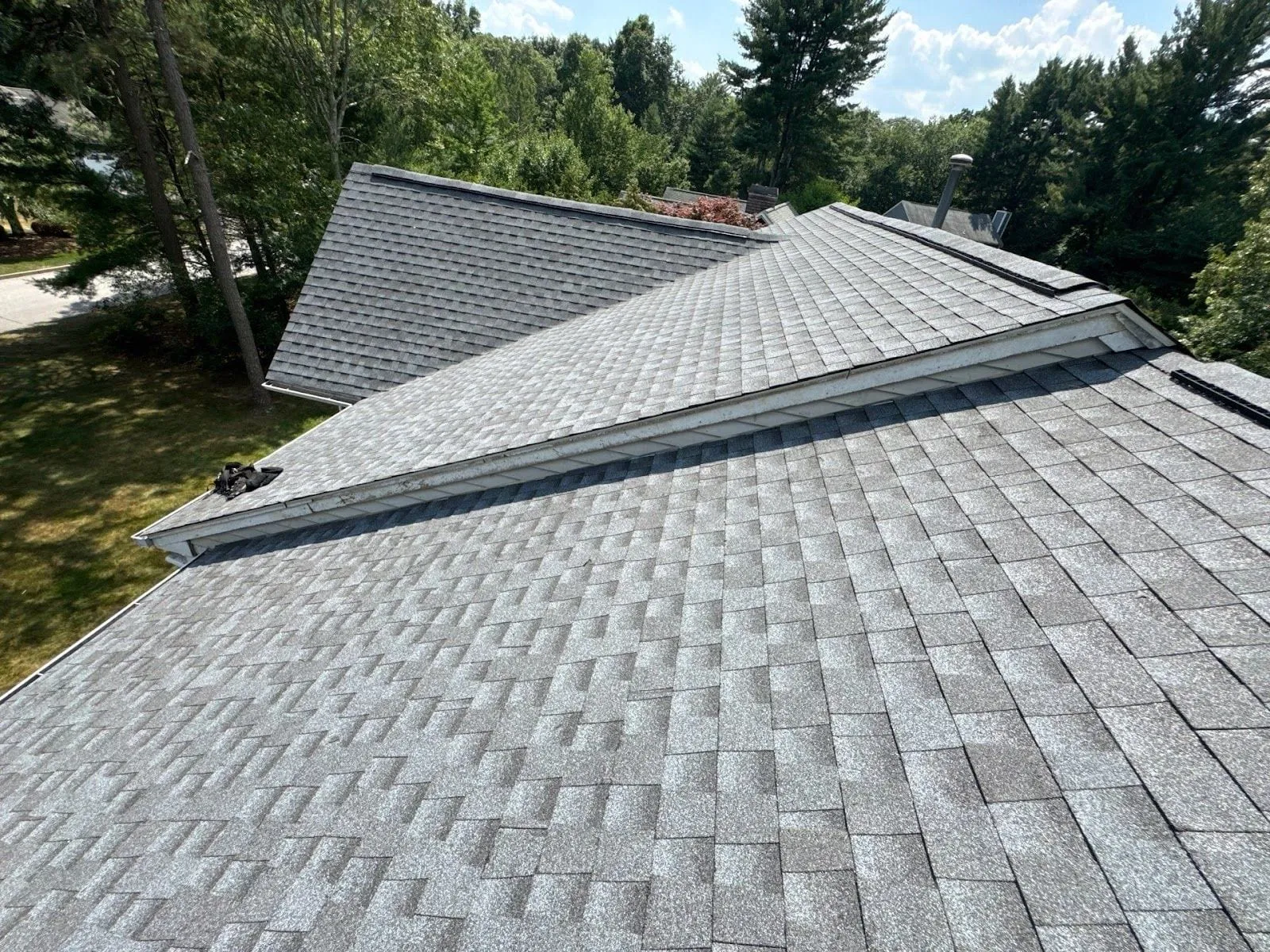 Old Roof, Weighing ReplacementCurling, bald spots, or it's just been a long time.
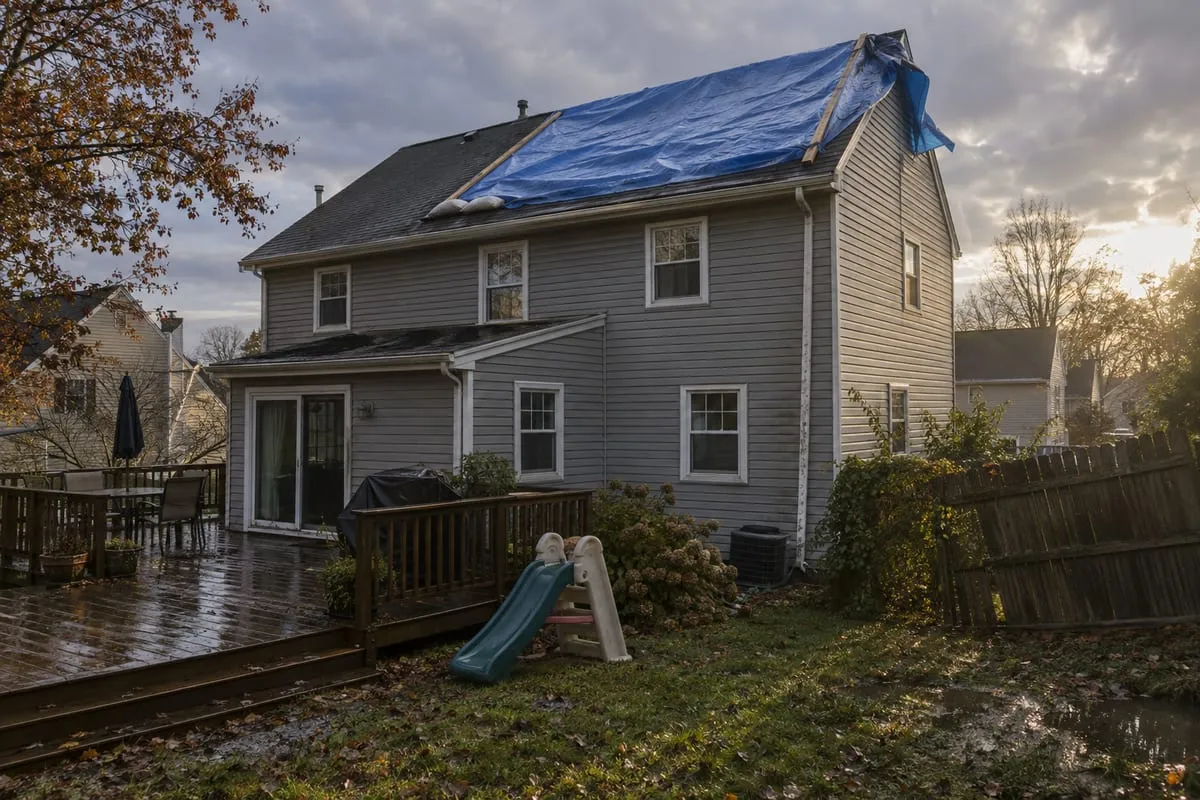 Storm DamageWind, a fallen limb, hail. Claim or no claim.
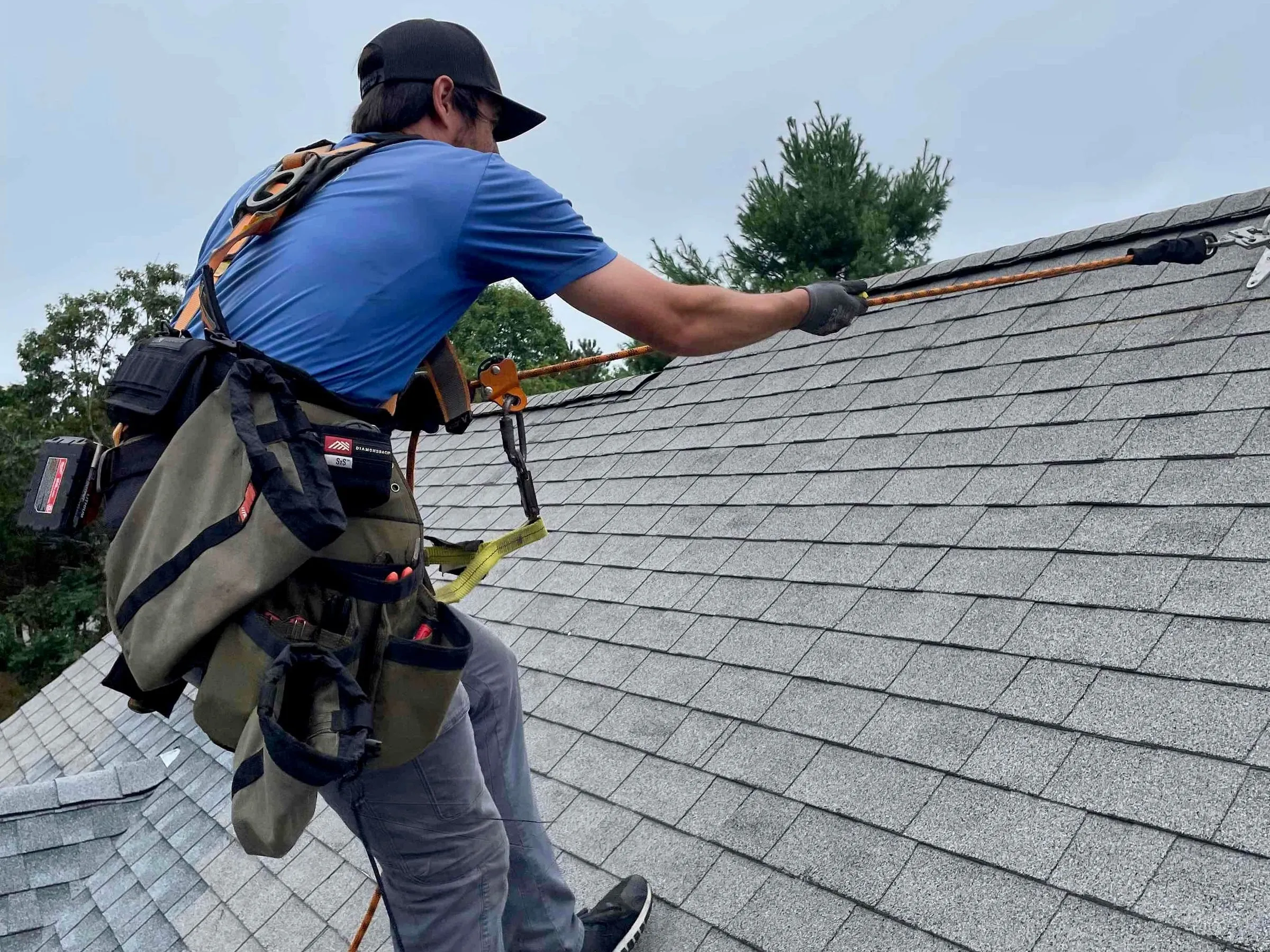 Not Sure, Need an InspectionAn inspection or a second opinion.
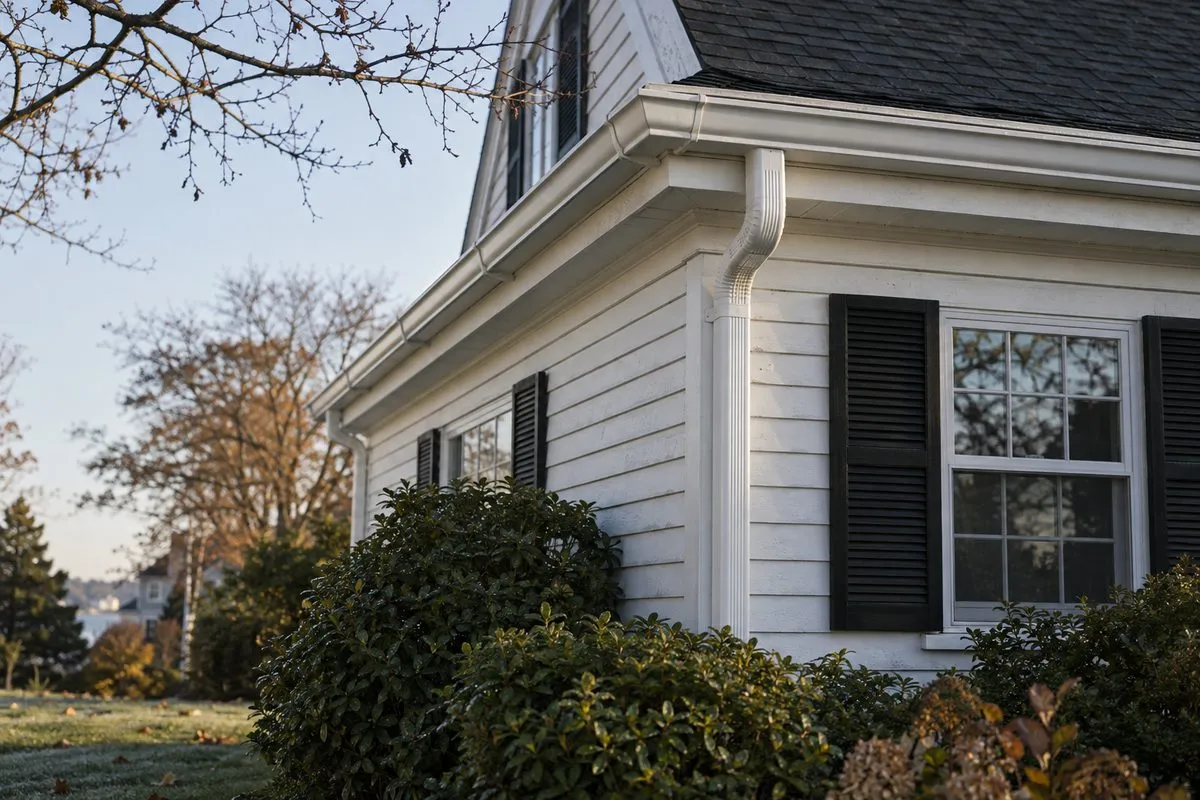 Gutters, Siding or ExteriorGutters, siding, trim, windows, skylights.
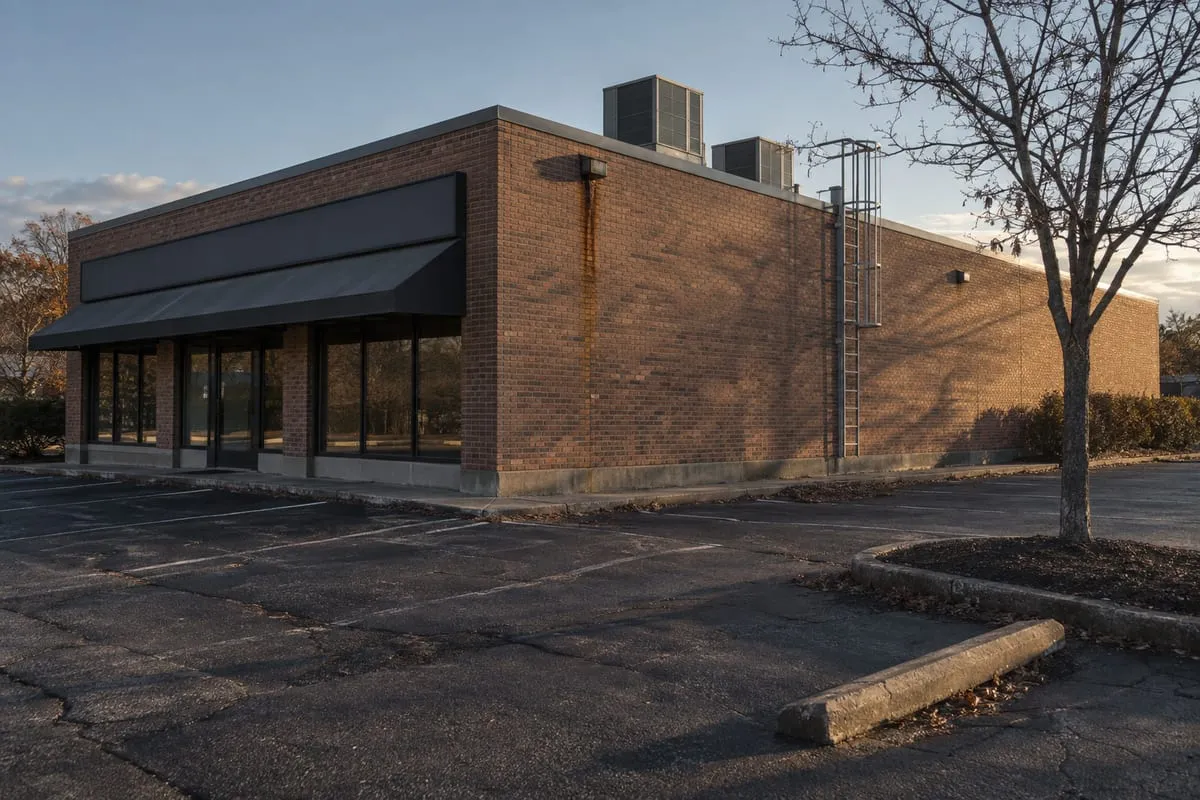 Commercial BuildingFlat or low-slope roofs, maintenance, replacement.
Where Are You Seeing It?
Pick the closest. We'll look at the rest on site.
How Old Is the Roof?
A rough guess is fine.
Have You Started an Insurance Claim?
Either way, we can take a look.
What's Behind the Inspection?
Pick the closest.
Which Part of the Exterior?
Pick the main one. Mention the rest at the end.
What Does the Building Need?
Flat and low-slope roofs included.
What Kind of Property Is It?
When Do You Want It Done?
Where Should We Reach You?
Request Sent
Reference RTP-····-····
We'll reach out from (401) 593-1512 during business hours. Need us sooner? Call that number any time.
Nothing is sent until you say so.
ContinueRather Talk?(401) 593-1512
- GAF Master Elite
GAF Master Elite® Certified contractor, Cert. #1111816.
- BBB A+
Accredited by the Better Business Bureau since September 29, 2022.
- RI GC-47694
Licensed and registered general contractor in Rhode Island, valid through September 19, 2027.
- GAF Golden Pledge
Extended manufacturer warranty available on qualifying installations. Coverage terms vary by product and installation.
What A Real Roof Inspection Covers
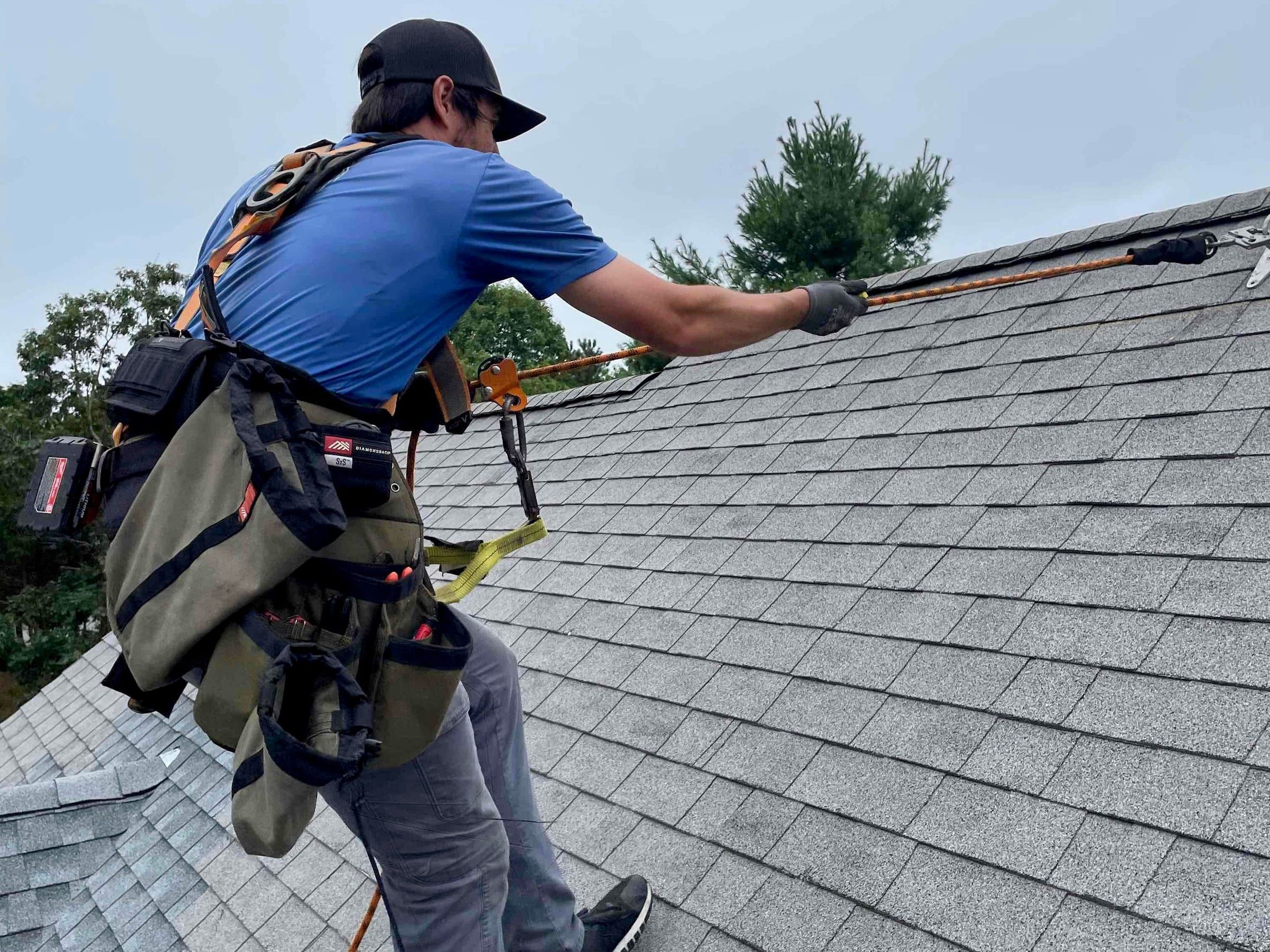
A lot of "free inspections" are a five-minute walk around the yard with binoculars, or a drone photo emailed back with a quote attached. Ours isn't. We get a crew on the roof itself and go through it point by point:
- Roof covering, shingles or metal panels checked for wear, cracking, curling, granule loss, and any spots where fasteners have backed out or sheathing underneath has started to sag.
- Flashing and penetrations, the metal and sealant around chimneys, vents, skylights, and any place a pipe or duct comes through the roof. This is where most leaks actually start, not in the open field of shingles.
- Valleys and edges, where two roof planes meet, plus drip edges and rake edges, because these carry more water than any other part of the roof and take the most wear.
- Gutters and drainage, for clogs, sagging sections, loose fasteners, and granule buildup in the runoff, which is often the first visible sign that shingles are aging out.
- Attic and interior, when it matters, we get inside to check for moisture staining, mold, daylight through the decking, and whether the attic is ventilated well enough to keep ice dams and heat buildup from shortening the roof's life.
We document everything with photos and give you a plain-language read on it, not a sales pitch dressed up as a report.
How We Handle It, Start To Finish
For most homes, we start with an exterior-only inspection, on the roof itself, not the driveway. We walk the full roof covering (shingles or metal panels), check every penetration, chimney, vent, and skylight, and go over the valleys, ridge lines, and edges before moving to fasteners and the visible deck sheathing at eaves and penetrations. If nothing points to an interior problem, that's often all it takes, and you don't need to be home for it.
If we see staining, a soft spot, or you've already got a leak or a stain on a ceiling, we'll want to get into the attic too. From inside, we're looking for daylight coming through the decking, moisture staining on the rafters or sheathing, and whether the insulation and ventilation are doing their job, because a poorly vented attic cooks shingles from underneath and drives ice dams in winter. For that one we like to walk it with you so you can see exactly what we're seeing, not just hear about it after.
There's a real tradeoff between the two. An exterior-only check is faster and works fine for a routine yearly look or a quick storm check. An attic-and-interior check takes longer and needs someone home, but it's the only way to catch a slow leak, a ventilation problem, or moisture damage before it shows up as a stain on your ceiling. We'll tell you which one your situation calls for, not sell you the longer one by default.
Afterward, we clean up anything we moved or set down, and you get a plain-language walkthrough of what we found, backed by photos, before we talk about next steps or price.
The RTP Roofing Difference
We're a GAF Master Elite® certified contractor, RI-registered under GC-47694. Every inspection is free, and if your roof needs work, we'll tell you honestly whether that's maintenance, a repair, or a full roof replacement. What we tell you is what we'd actually stand behind, not someone else's read of the photos.
What We're Looking For, By Roof Type
What we're checking shifts depending on what's over your head, asphalt shingle or standing-seam and panel metal:
- Asphalt shingles. We're looking for granule loss (a sign the shingle is aging out and losing UV protection), cracking or curling at the tabs, lifted or missing shingles from wind, and nail pops where a fastener has backed out and could work a hole through the shingle above it. Asphalt is the most common covering because it's the most affordable up front and straightforward to repair in sections, but it has a shorter service life than metal and is more vulnerable to wind and hail damage. See our shingle roofing page for more on installation and options.
- Metal panels. We check seams and standing ribs for separation, fastener backout on exposed-fastener panels, oil-canning (a rippled look in the flat pan of a panel), and coating wear at cut edges where bare metal can start to rust. Metal costs more to install than asphalt but typically lasts longer and holds up better to wind and snow load, which is worth weighing if you're deciding between a repair and a full metal roofing replacement.
Either way, flashing and penetrations get the closest look, the same metal and sealant around chimneys, vents, and skylights we check on every roof, regardless of material.
Repair, Maintenance, Or Replacement: How We Decide
A lot of what we find on an inspection is a repair: a section of lifted or cracked shingles, flashing that's pulled away, a clogged valley. Those get fixed without touching the rest of the roof. If the damage is scattered across the whole roof, or the shingles are past their expected life, patching one spot just means you're back out here fixing the next one in a year. That's when we'll tell you replacement makes more sense, and why, not just that it does.
A lot of roofs land in between, sound overall but starting to show age. That's where a maintenance plan earns its keep: catching the small stuff, a loose shingle, a clogged gutter, early granule loss, before it becomes the kind of damage that only a full replacement can fix. We also check the gutters every time we're up there; a gutter that's pulling away or overflowing can send water right back up under the drip edge, so if yours needs attention we'll flag it alongside the roof, not as a separate surprise (see our gutter installation and repair page).
When To Schedule A Roof Inspection
The obvious times are after a storm, before buying or selling a home, or when you notice a stain, a draft, or shingles in the yard. The less obvious time is on a schedule, once a year, so small issues get caught before they become a ceiling stain. If you'd rather not have to remember, our maintenance plans build a yearly inspection into a set schedule instead of leaving it up to you to call.
Wind and hail damage in particular can be nearly invisible from the ground, lifted shingle edges, a handful of missing granules, so if you've had a serious storm come through, it's worth a look even if nothing seems wrong. See our storm damage and insurance claims page for how we document that for a claim. We'll give you a straight read on your roof's condition either way, not a guess from the street.
Inspections For Buying Or Selling A Home
A roof inspection before closing tells you what you're actually buying, or lets you disclose what you're actually selling, instead of finding out after the deal is done. We give the same free, on-roof inspection whether you're a homeowner curious about your own roof or a buyer or seller who needs a straight answer before a real estate deadline. If timing is tight, tell us that when you call and we'll do our best to work around it.
How it works
- Step 1
Exterior Walkthrough
We check shingles, flashing, ridge lines, and gutters for damage, wear, or signs of an aging roof.
- Step 2
Interior & Attic Check
When it matters, we get in the attic to check for moisture, staining, or ventilation issues that don't show from outside.
- Step 3
Findings Review
We walk you through exactly what we found, in plain language, before we talk about next steps.
- Step 4
Honest Recommendation
You get a straight answer: repair, maintenance, replacement, or nothing at all. We tell you which, and why.
Questions
Frequently asked questions
Is a roof inspection really free?
Yes. Every inspection is free, whether it leads to a repair recommendation or a clean bill of health for your roof.
How long does a roof inspection take?
Most residential inspections take 30 to 60 minutes, longer if we need to spend time in the attic tracing a leak.
Do I need to be home for the inspection, and what's the difference between exterior-only and a full inspection?
Not always. An exterior-only inspection checks the roof covering, flashing, valleys, and gutters, and we can often do it without you present and send findings by phone or email. A full inspection adds the attic and interior, which we recommend for a stain, a leak, or a ventilation concern, and for that one we like to walk it with you.
How often should I get my roof inspected?
Once a year is typical, plus an inspection after any major storm. Roofs near the end of their expected 20-30 year lifespan may need more frequent checks.
What happens if you find a problem?
We'll explain exactly what we found and what your options are, whether that's a repair, ongoing maintenance, or replacement. We never push a bigger job than the roof needs.
Can a roof inspection catch storm damage I can't see from the ground?
Yes, that's a large part of why it's worth doing after a storm. Wind and hail damage often shows up as lifted shingle edges or granule loss that's nearly invisible from the yard but visible once we're up there.
Do you inspect metal roofs, not just shingles?
Yes. The specific failure points differ, seams, fasteners, and oil-canning on a metal roof versus granule loss and shingle edges on asphalt, but we handle both, and we'll tell you what we're looking for either way.
Serving Rhode Island
- Roof inspection in Barrington
- Roof inspection in Bristol
- Roof inspection in Burrillville
- Roof inspection in Central Falls
- Roof inspection in Charlestown
- Roof inspection in Coventry
- Roof inspection in Cranston
- Roof inspection in Cumberland
- Roof inspection in East Greenwich
- Roof inspection in East Providence
- Roof inspection in Exeter
- Roof inspection in Foster
- Roof inspection in Glocester
- Roof inspection in Hopkinton
- Roof inspection in Jamestown
- Roof inspection in Johnston
- Roof inspection in Lincoln
- Roof inspection in Little Compton
- Roof inspection in Middletown
- Roof inspection in Narragansett
- Roof inspection in New Shoreham
- Roof inspection in Newport
- Roof inspection in North Kingstown
- Roof inspection in North Providence
- Roof inspection in North Smithfield
- Roof inspection in Pawtucket
- Roof inspection in Portsmouth
- Roof inspection in Providence
- Roof inspection in Richmond
- Roof inspection in Scituate
- Roof inspection in Smithfield
- Roof inspection in South Kingstown
- Roof inspection in Tiverton
- Roof inspection in Warren
- Roof inspection in Warwick
- Roof inspection in West Greenwich
- Roof inspection in West Warwick
- Roof inspection in Westerly
- Roof inspection in Woonsocket
Serving Massachusetts
- Roof inspection in Attleboro
- Roof inspection in Bellingham
- Roof inspection in Blackstone
- Roof inspection in Bridgewater
- Roof inspection in Brockton
- Roof inspection in Dartmouth
- Roof inspection in Easton
- Roof inspection in Fall River
- Roof inspection in Foxborough
- Roof inspection in Franklin
- Roof inspection in Mansfield
- Roof inspection in Middleborough
- Roof inspection in Milford
- Roof inspection in New Bedford
- Roof inspection in North Attleborough
- Roof inspection in Norton
- Roof inspection in Plymouth
- Roof inspection in Rehoboth
- Roof inspection in Seekonk
- Roof inspection in Somerset
- Roof inspection in Swansea
- Roof inspection in Taunton
- Roof inspection in Uxbridge
- Roof inspection in Wareham
- Roof inspection in Westport
- Roof inspection in Worcester
Back to Roofing services hub
Get A Real Read On Your Roof
Request a free, on-roof inspection or call (401) 593-1512. We'll tell you what your roof actually needs before anyone talks price.