
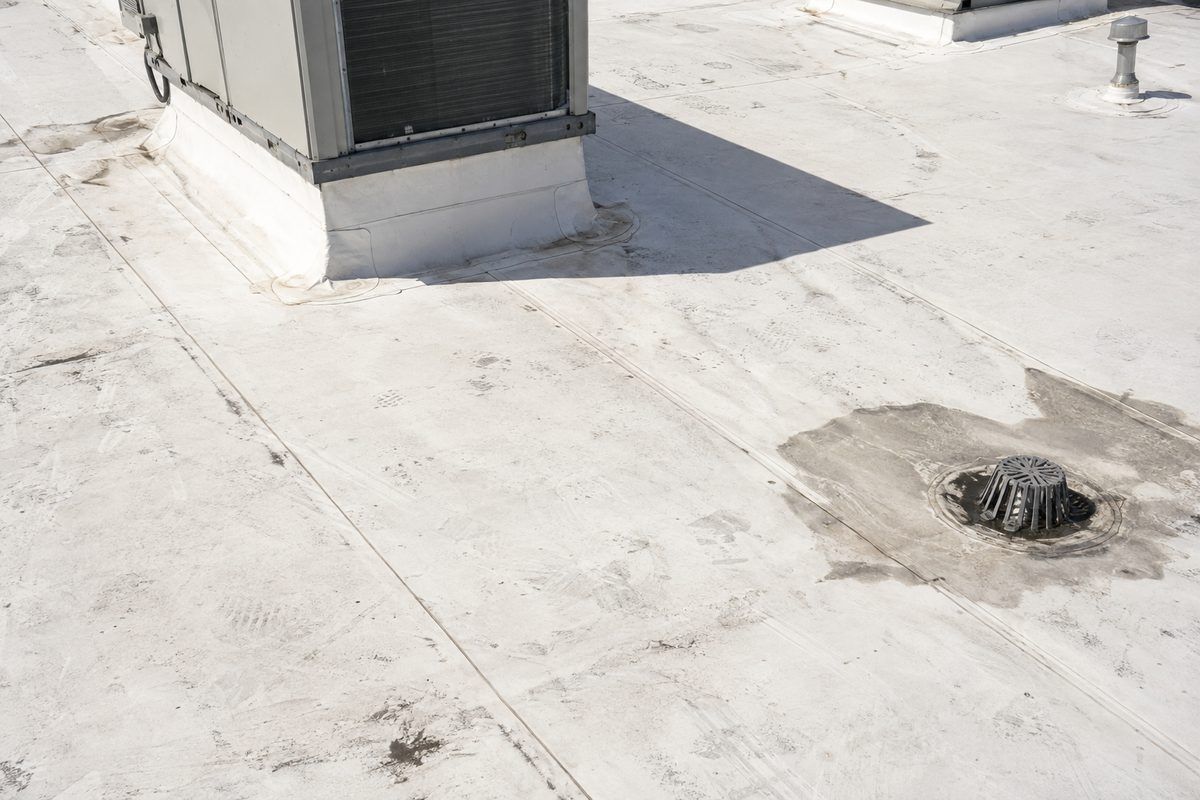
TPO Roofing · Rhode Island
TPO Roofing in Rhode Island
Your flat roof has been patched twice this year and the leaks keep finding new spots. Before you patch it a third time, Rhode Island business owners call RTP Roofing to find out whether TPO is the right fix.
Free EstimateRTP-····-···· · Warwick Office
Free Estimate
RTP-····-····Warwick Office
Step 1 of 5 · About 1 Minute
What Does Your Home Need?
Pick the closest one. You don't need the right words for it.
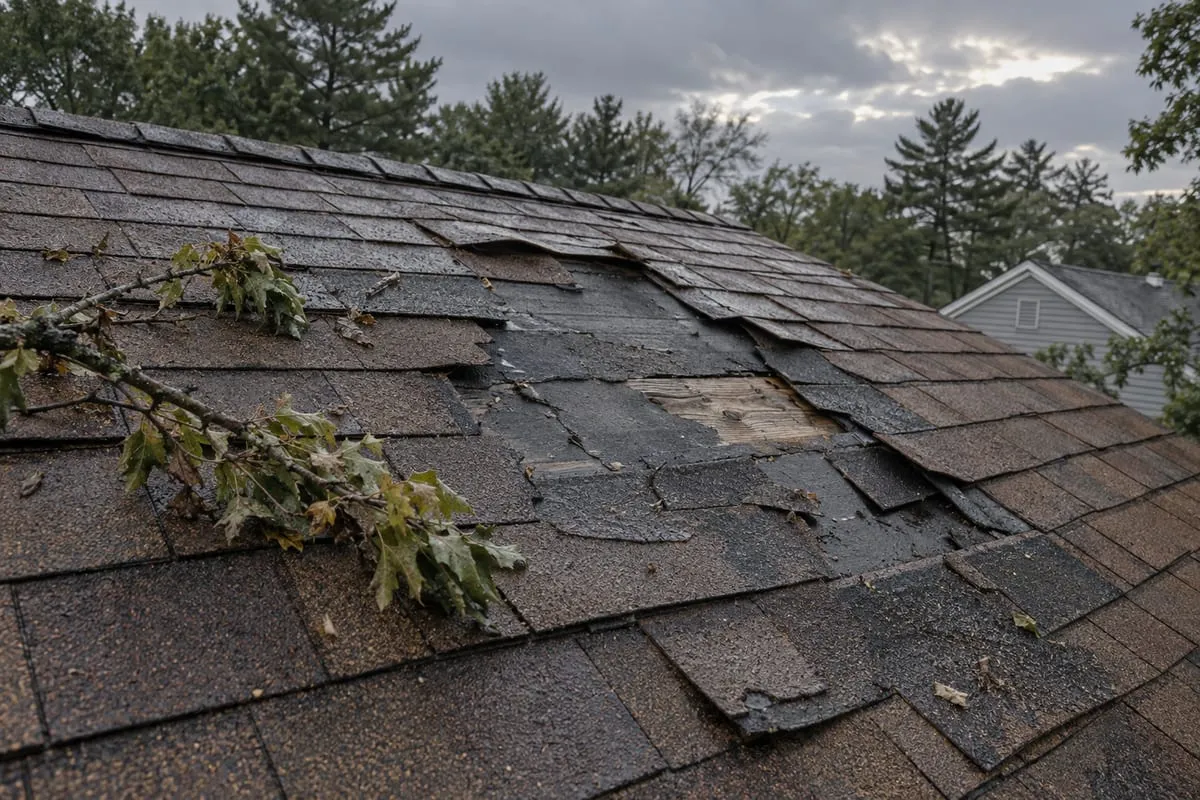 Something's Leaking or DamagedA stain on the ceiling, water in the attic, missing shingles.
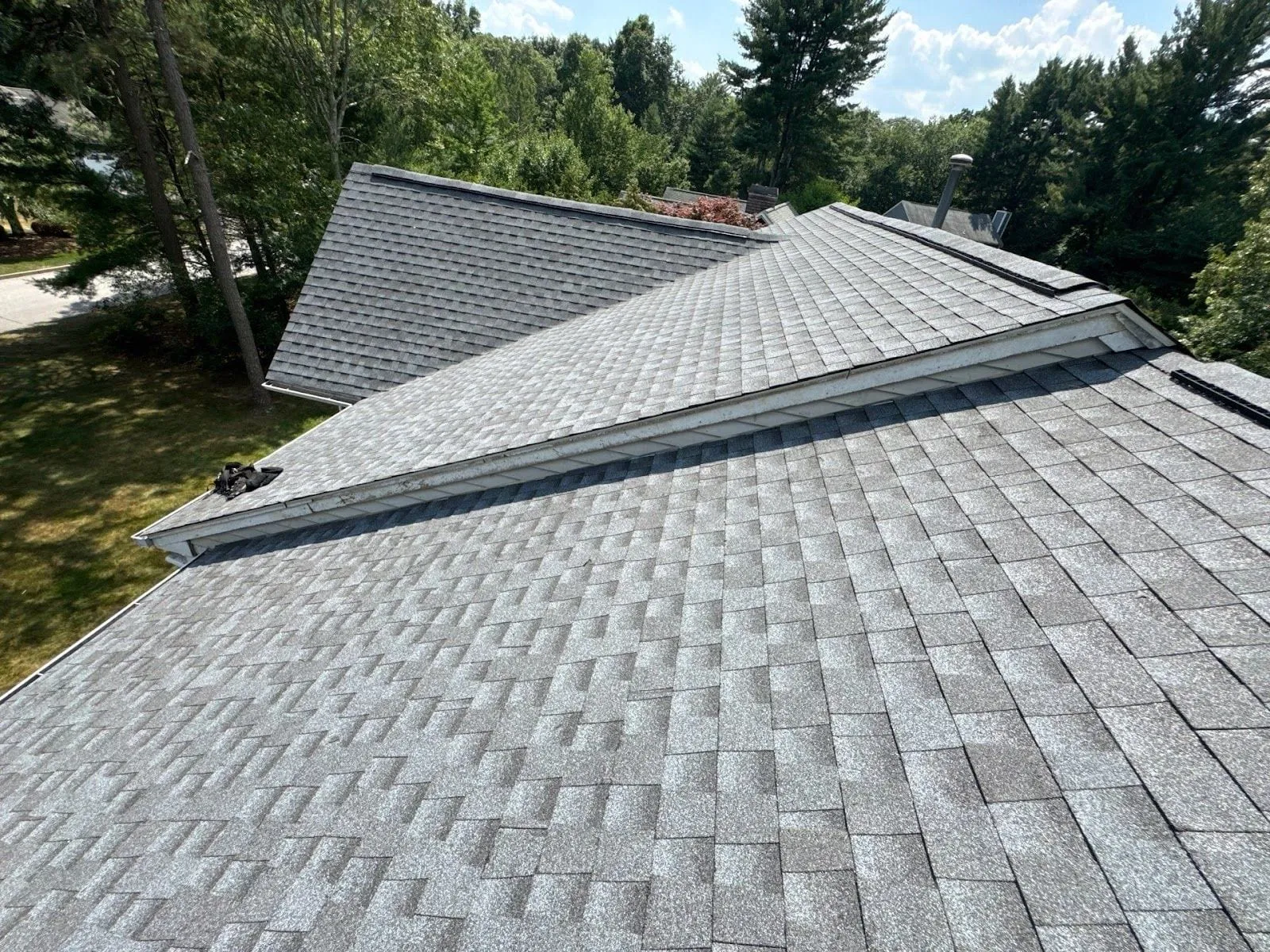 Old Roof, Weighing ReplacementCurling, bald spots, or it's just been a long time.
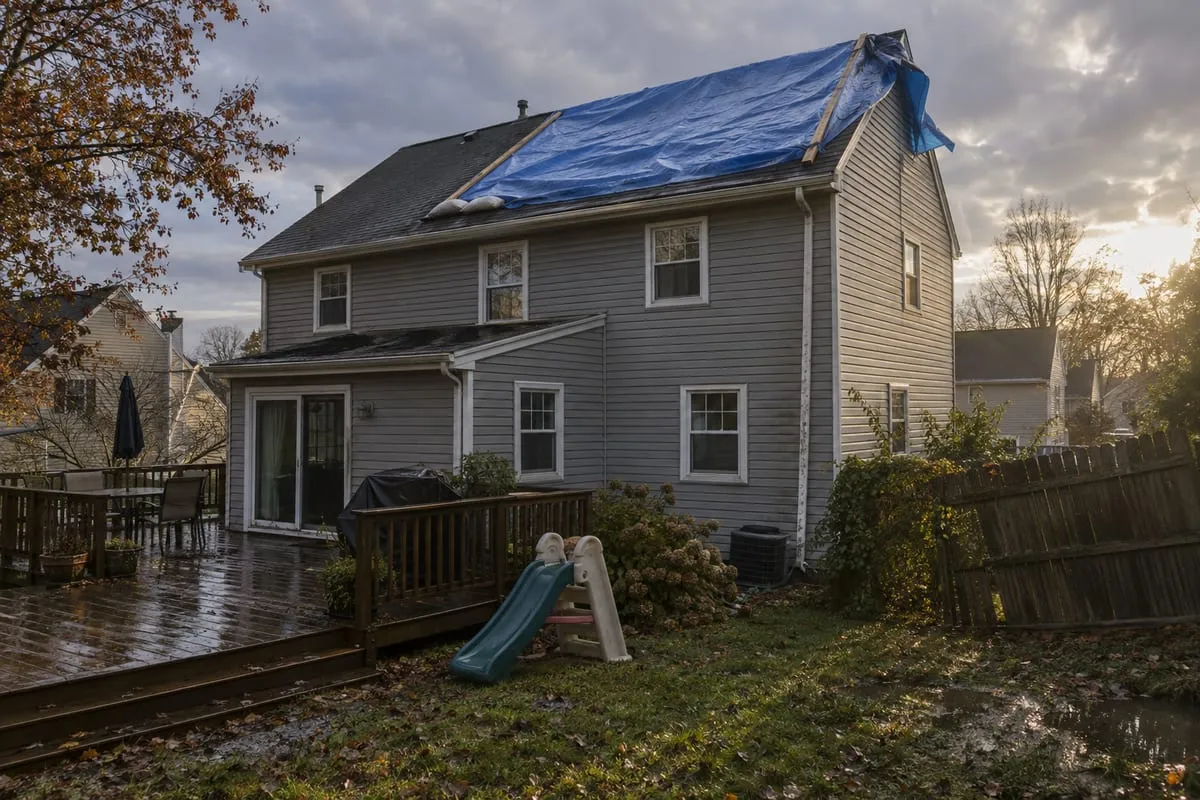 Storm DamageWind, a fallen limb, hail. Claim or no claim.
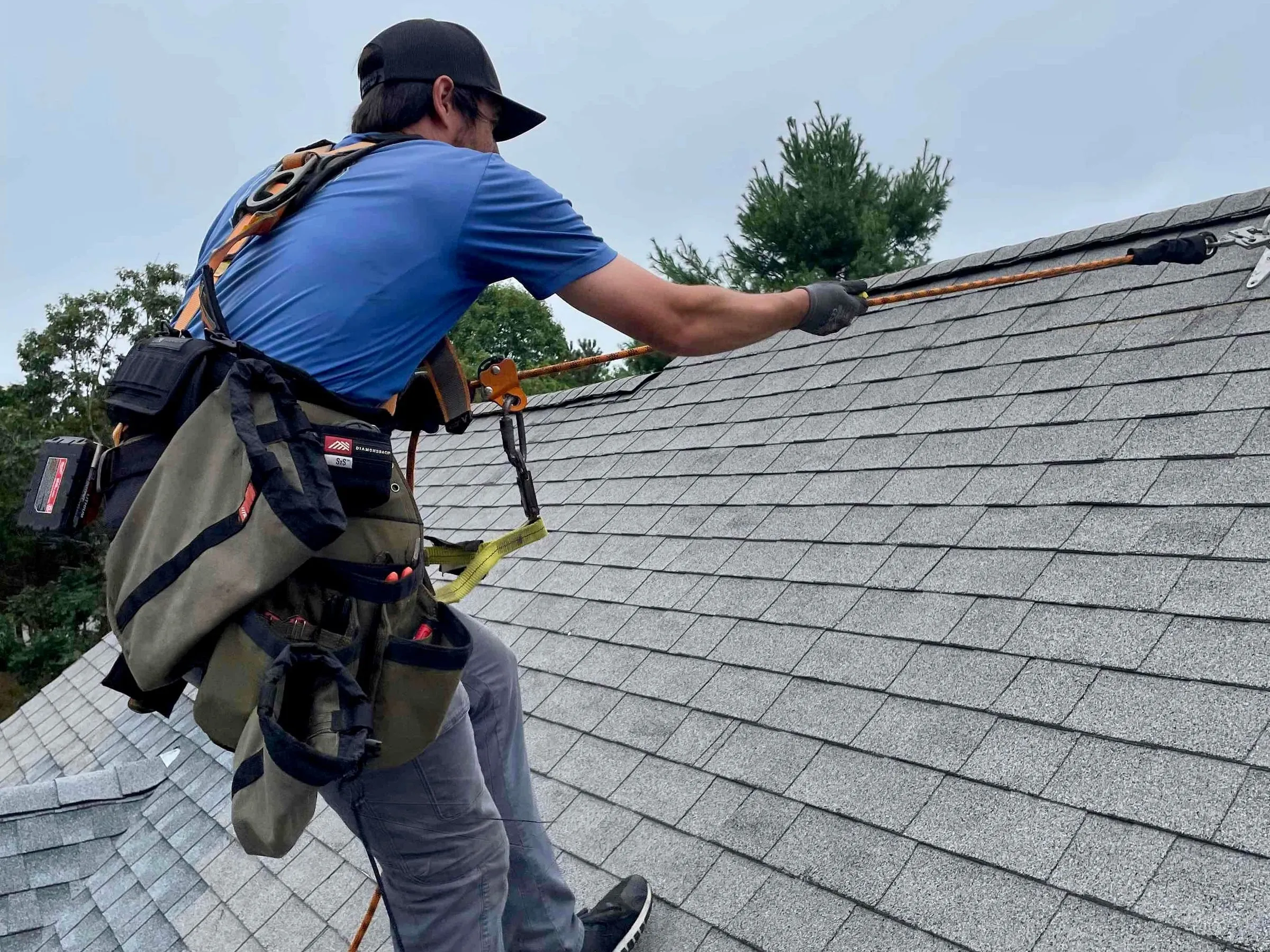 Not Sure, Need an InspectionAn inspection or a second opinion.
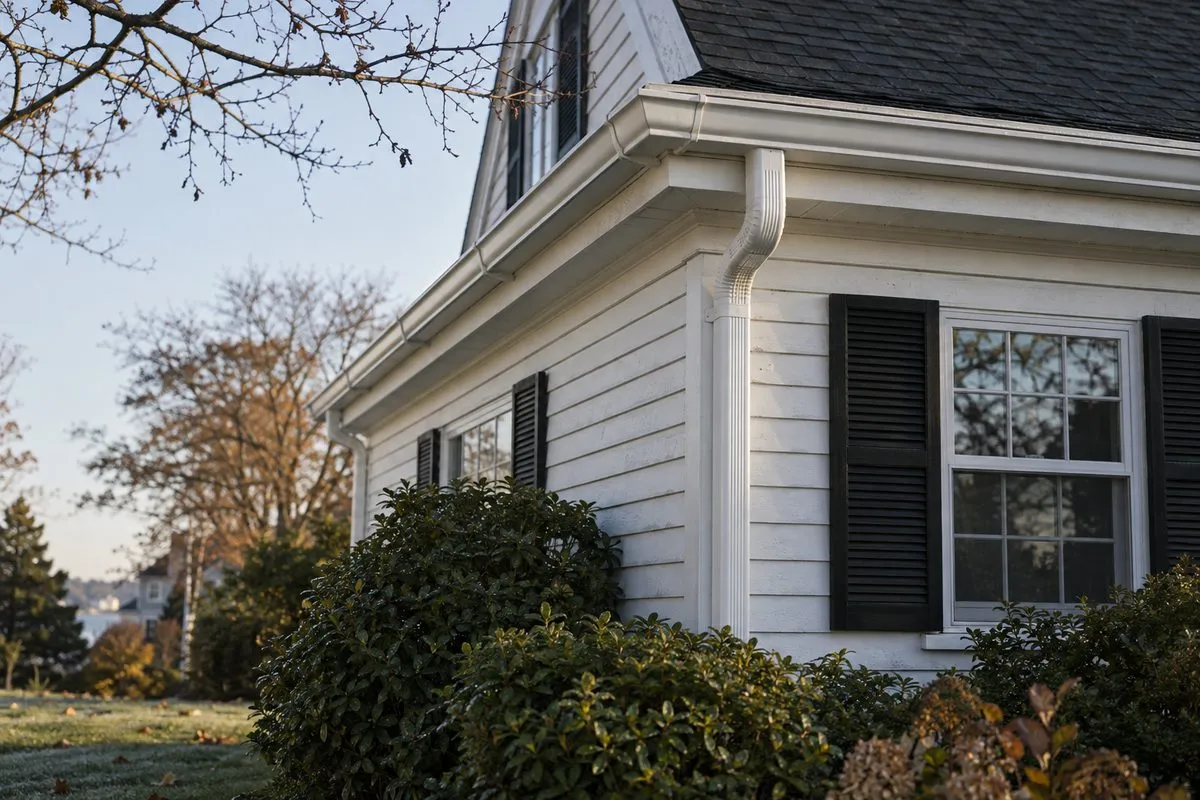 Gutters, Siding or ExteriorGutters, siding, trim, windows, skylights.
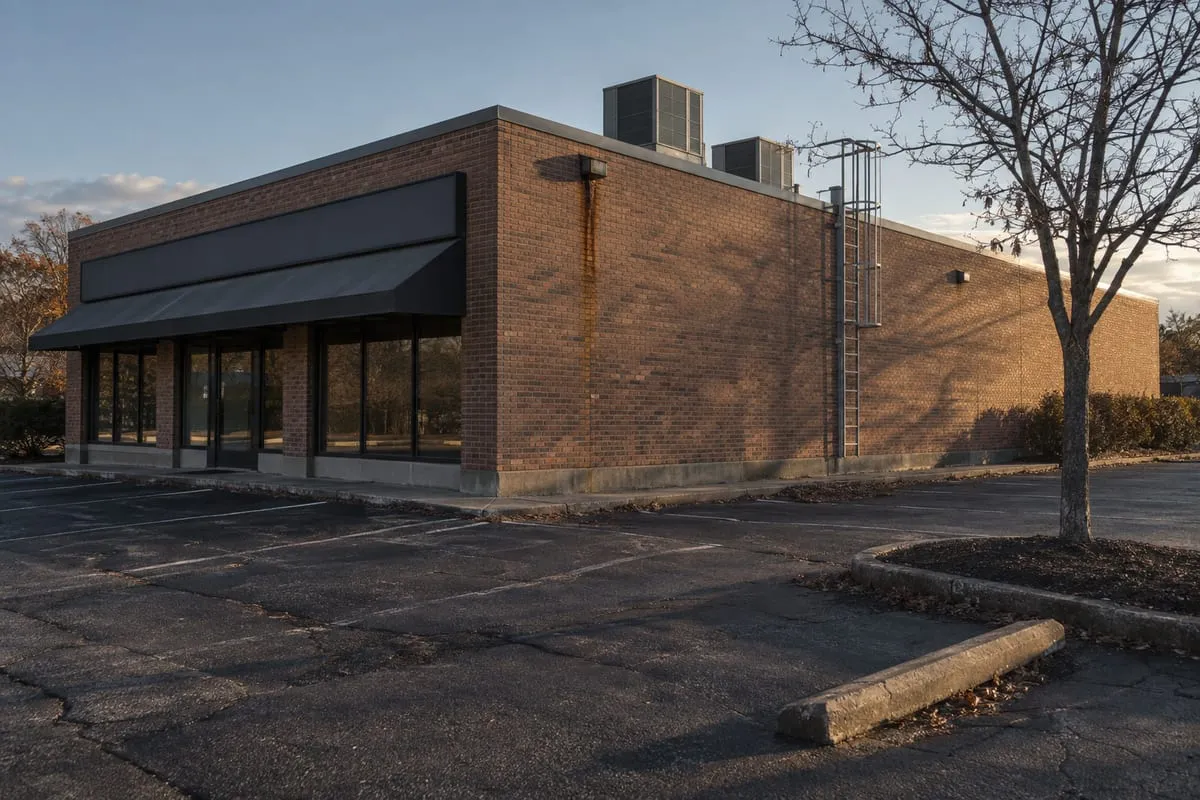 Commercial BuildingFlat or low-slope roofs, maintenance, replacement.
Where Are You Seeing It?
Pick the closest. We'll look at the rest on site.
How Old Is the Roof?
A rough guess is fine.
Have You Started an Insurance Claim?
Either way, we can take a look.
What's Behind the Inspection?
Pick the closest.
Which Part of the Exterior?
Pick the main one. Mention the rest at the end.
What Does the Building Need?
Flat and low-slope roofs included.
What Kind of Property Is It?
When Do You Want It Done?
Where Should We Reach You?
Request Sent
Reference RTP-····-····
We'll reach out from (401) 593-1512 during business hours. Need us sooner? Call that number any time.
Nothing is sent until you say so.
ContinueRather Talk?(401) 593-1512
- 5.0Google rating · 229 reviews
 GAF Master Elite® GAF Master Elite® Certified contractor, Cert. #1111816.
- BBB A+ Accredited by the Better Business Bureau since September 29, 2022.
- GC-47694 Licensed and registered general contractor in Rhode Island, valid through September 19, 2027.
- GAF Extended Warranty Extended manufacturer warranty available on qualifying installations. Coverage terms vary by product and installation.
What TPO Roofing Is
TPO, short for thermoplastic polyolefin, is a single-ply membrane roofing system: one continuous sheet of reinforced material rolled out over a flat or low-slope roof and heat-welded at every seam. The membrane itself is a polymer blend, typically polypropylene and ethylene-propylene rubber, reinforced with an internal polyester scrim and compounded with fillers such as talc or fiberglass for strength. That thermoplastic formulation is what makes it weldable and resistant to breaking down under sustained sun exposure, unlike some other polymer materials.
It's become one of the most common commercial roofing systems in Rhode Island because it's reflective (most TPO is white or light-colored, which cuts heat buildup on the roof deck), lighter than older built-up systems, and the welded seams give it a genuinely watertight joint rather than a glued or taped one.
TPO membrane comes in a handful of standard thicknesses, most commonly 45, 60, and 80 mil. A thicker membrane generally holds up to foot traffic, hail, and UV exposure longer, but thickness alone doesn't make a roof watertight, the seam work does. A roof built with premium 80-mil membrane and rushed seams will leak before a well-welded 60-mil roof does.
A TPO roof is installed either mechanically fastened or fully adhered to the deck or insulation below, depending on the building, and it's the system we recommend most often when a commercial roof in Rhode Island needs replacing and the slope, budget, and building use all point the same direction.
How A TPO Roof Installation Actually Works
A TPO install isn't just rolling out a membrane. The attachment method and the seam work are what determine whether the roof performs for the long haul:
Mechanically fastened.
The membrane is rolled over the insulation or deck and secured with fasteners and plates spaced along the seams per the manufacturer's layout, then the next sheet overlaps and gets welded to it. It's a common choice on new construction and larger roofs where fastener patterns are straightforward.
Fully adhered.
Bonding adhesive is applied to the substrate and the underside of the membrane, which is then rolled into place. This method leaves no exposed fasteners and can be the better fit on roofs with irregular decks or tighter wind-uplift requirements.
Induction (plate) welded.
Fasteners and plates are set first, then the membrane is welded to the plate from above so nothing is exposed on the roof surface at all, combining a mechanical hold with a fully clean top surface.
Whichever attachment method fits the building, the seams are the part that actually keeps water out. We use hot-air welding equipment that heats the top and bottom membrane surfaces at the overlap until they fuse into one continuous sheet, not a glued or taped joint that can lift over time. Detail work around drains, corners, curbs, and penetrations gets hand-welded, since that's where a roof is most likely to leak if it's rushed.
New England winters are a real factor in the install window: TPO membrane becomes stiffer and harder to work in cold weather, and fully-adhered systems in particular have a manufacturer-specified minimum application temperature. We plan tear-offs and welds around the weather rather than pushing a membrane past what it's rated for, and we detail corners and terminations to hold up through Rhode Island's freeze-thaw cycles, not just a mild-weather test.
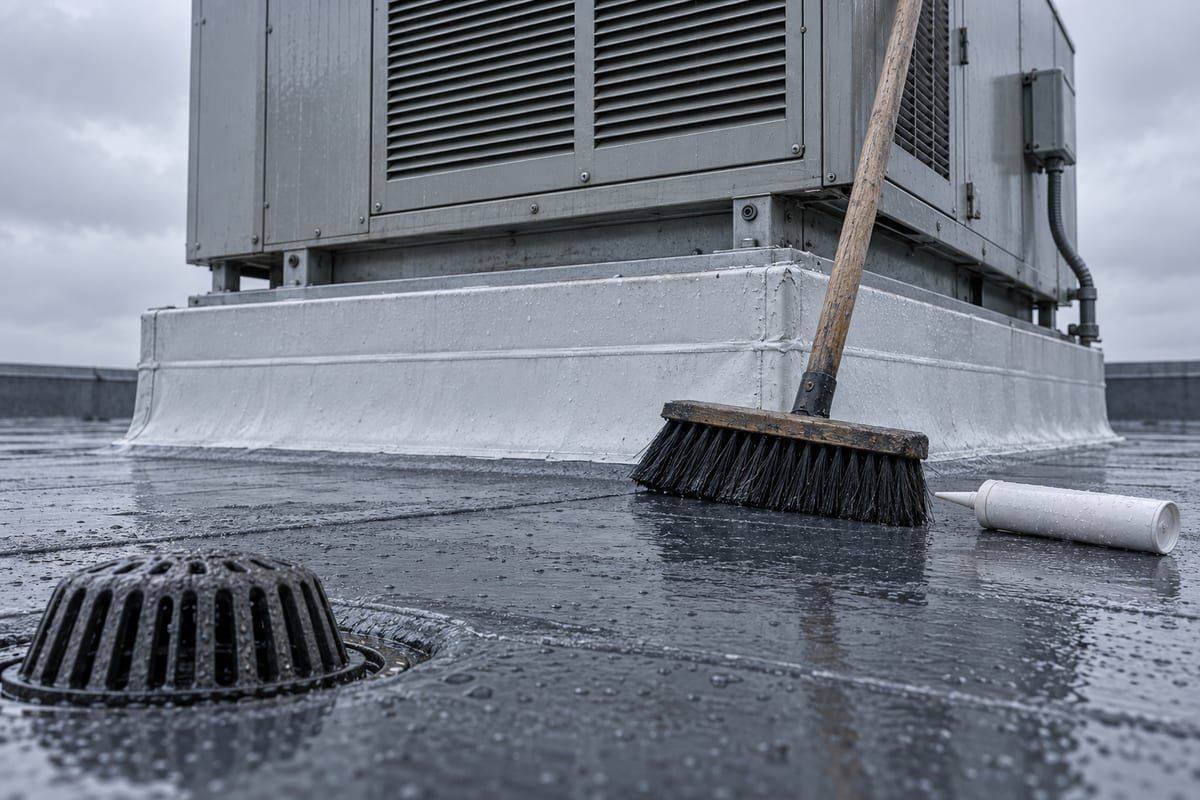
The RTP Roofing Difference On A TPO Install
We're a GAF Master Elite® certified, RI-registered (GC-47694) contractor, and every crew on your roof is our own. On qualifying installations we can offer GAF's Golden Pledge® Limited Warranty, up to 50 years of non-prorated coverage. Eligibility, coverage, and terms vary by product and installation; see our guide on GAF's Golden Pledge Limited Warranty, explained for what that coverage actually includes, or full details at gaf.com.
Keeping A TPO Roof Watertight
A TPO roof's biggest risks are the same ones that shorten any commercial roof's life: ponding water, damaged or punctured seams, and debris left to sit. Regular checks of the welded seams, drains, and flashing catch small problems before they become leaks.
Most TPO roof failures trace back to a handful of repeat causes: seams that were hand-welded poorly at corners and penetrations, fasteners or termination bars that worked loose, deck moisture that was never caught before the membrane went down, and chronic ponding water that accelerates UV breakdown at the same spot every time it rains. None of those are TPO's fault, they're install and upkeep issues, which is exactly why the inspection and the maintenance visit both exist.
A roof inspection is where that check starts; a standing maintenance plan is what keeps it from being a one-time look. See that page for what a maintenance visit actually covers.
How it works
- Step 1
Inspection & Assessment
We get on the existing roof to check the deck, insulation, drainage, and slope, then tell you honestly whether TPO is the right system for your building.
- Step 2
System & Attachment Selection
We recommend mechanically fastened or fully adhered TPO based on your building, budget, and code requirements, and walk you through what each involves.
- Step 3
Tear-Off & Installation
We remove the old roof down to the deck where needed, then install the TPO membrane and heat-weld every seam using manufacturer-specified methods.
- Step 4
Final Inspection & Warranty Registration
We walk the finished roof with you, confirm every seam and drain is working correctly, and register your warranty paperwork before we call the job done.
Questions
Frequently asked questions
What is TPO roofing?
TPO (thermoplastic polyolefin) is a single-ply membrane roofing system installed as one continuous sheet with heat-welded seams. It's one of the most common systems on Rhode Island flat and low-slope commercial roofs.
Is TPO better than EPDM for my building?
It depends on your roof. TPO's reflective surface and welded seams make it a strong fit for many buildings, but EPDM can be the better budget or compatibility choice on some older roofs. We'll recommend a system after we've inspected your roof, not before.
How long does a TPO roof last?
How long any commercial roof lasts depends on the specific system, installation quality, and maintenance. We'll walk you through the expected performance of the exact system we recommend during your inspection, rather than quoting a generic number.
Can you install TPO over an existing roof?
Sometimes, if the existing roof and deck are in good enough condition to support an overlay. We'll tell you during inspection whether your roof qualifies or needs a full tear-off.
Do you offer a warranty on TPO roof installations?
As a GAF Master Elite® contractor, we can offer GAF's Golden Pledge® Limited Warranty on qualifying installations, up to 50 years of non-prorated coverage. Coverage and eligibility vary by product and installation; we'll confirm exactly what applies before you sign.
Does a white TPO roof actually lower cooling costs?
A reflective, light-colored membrane reduces heat buildup at the roof surface compared to a dark membrane, which is one reason TPO is popular on Rhode Island commercial buildings. How much that translates into a specific cooling-cost reduction depends on your building's insulation, HVAC system, and use, so we won't quote you a number we can't back up.
Does a thicker TPO membrane matter?
TPO comes in a few standard thicknesses, and a thicker membrane generally resists foot traffic, hail, and UV exposure longer. But thickness doesn't make a roof watertight on its own, the seam welds do. We'll recommend a thickness that fits your building and your budget, and we won't let seam quality slide to hit a lower price.
Serving
Serving Rhode Island
- TPO roofing in Barrington
- TPO roofing in Bristol
- TPO roofing in Burrillville
- TPO roofing in Central Falls
- TPO roofing in Charlestown
- TPO roofing in Coventry
- TPO roofing in Cranston
- TPO roofing in Cumberland
- TPO roofing in East Greenwich
- TPO roofing in East Providence
- TPO roofing in Exeter
- TPO roofing in Foster
- TPO roofing in Glocester
- TPO roofing in Hopkinton
- TPO roofing in Jamestown
- TPO roofing in Johnston
- TPO roofing in Lincoln
- TPO roofing in Little Compton
- TPO roofing in Middletown
- TPO roofing in Narragansett
- TPO roofing in New Shoreham
- TPO roofing in Newport
- TPO roofing in North Kingstown
- TPO roofing in North Providence
- TPO roofing in North Smithfield
- TPO roofing in Pawtucket
- TPO roofing in Portsmouth
- TPO roofing in Providence
- TPO roofing in Richmond
- TPO roofing in Scituate
- TPO roofing in Smithfield
- TPO roofing in South Kingstown
- TPO roofing in Tiverton
- TPO roofing in Warren
- TPO roofing in Warwick
- TPO roofing in West Greenwich
- TPO roofing in West Warwick
- TPO roofing in Westerly
- TPO roofing in Woonsocket
Serving
Serving Massachusetts
- TPO roofing in Attleboro
- TPO roofing in Bellingham
- TPO roofing in Blackstone
- TPO roofing in Bridgewater
- TPO roofing in Brockton
- TPO roofing in Dartmouth
- TPO roofing in Easton
- TPO roofing in Fall River
- TPO roofing in Foxborough
- TPO roofing in Franklin
- TPO roofing in Mansfield
- TPO roofing in Middleborough
- TPO roofing in Milford
- TPO roofing in New Bedford
- TPO roofing in North Attleborough
- TPO roofing in Norton
- TPO roofing in Plymouth
- TPO roofing in Rehoboth
- TPO roofing in Seekonk
- TPO roofing in Somerset
- TPO roofing in Swansea
- TPO roofing in Taunton
- TPO roofing in Uxbridge
- TPO roofing in Wareham
- TPO roofing in Westport
- TPO roofing in Worcester
Find Out If TPO Is Right For Your Roof
Request a free, on-roof inspection or call (401) 593-1512. We'll tell you honestly which commercial roofing system fits your building before we talk price.