
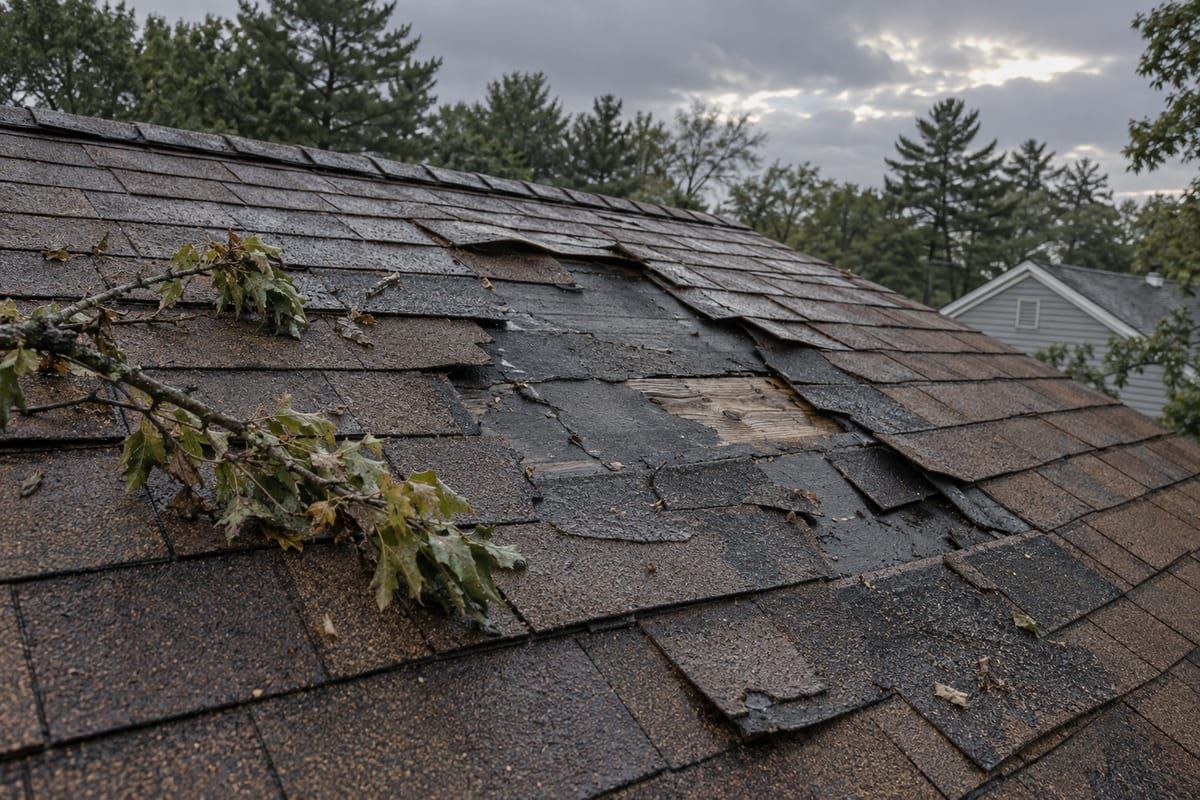
Storm Damage & Insurance Claims · Warwick & Rhode Island
Storm Damage & Insurance Claims in Warwick, RI
Your insurance company wants documentation before it approves anything. Standing on the ground with a phone camera doesn't get you that. RTP Roofing gets on the roof, documents what a storm actually did, and helps you understand the claims process from there.
Free EstimateRTP-····-···· · Warwick Office
Free Estimate
RTP-····-····Warwick Office
Step 1 of 5 · About 1 Minute
What Does Your Home Need?
Pick the closest one. You don't need the right words for it.
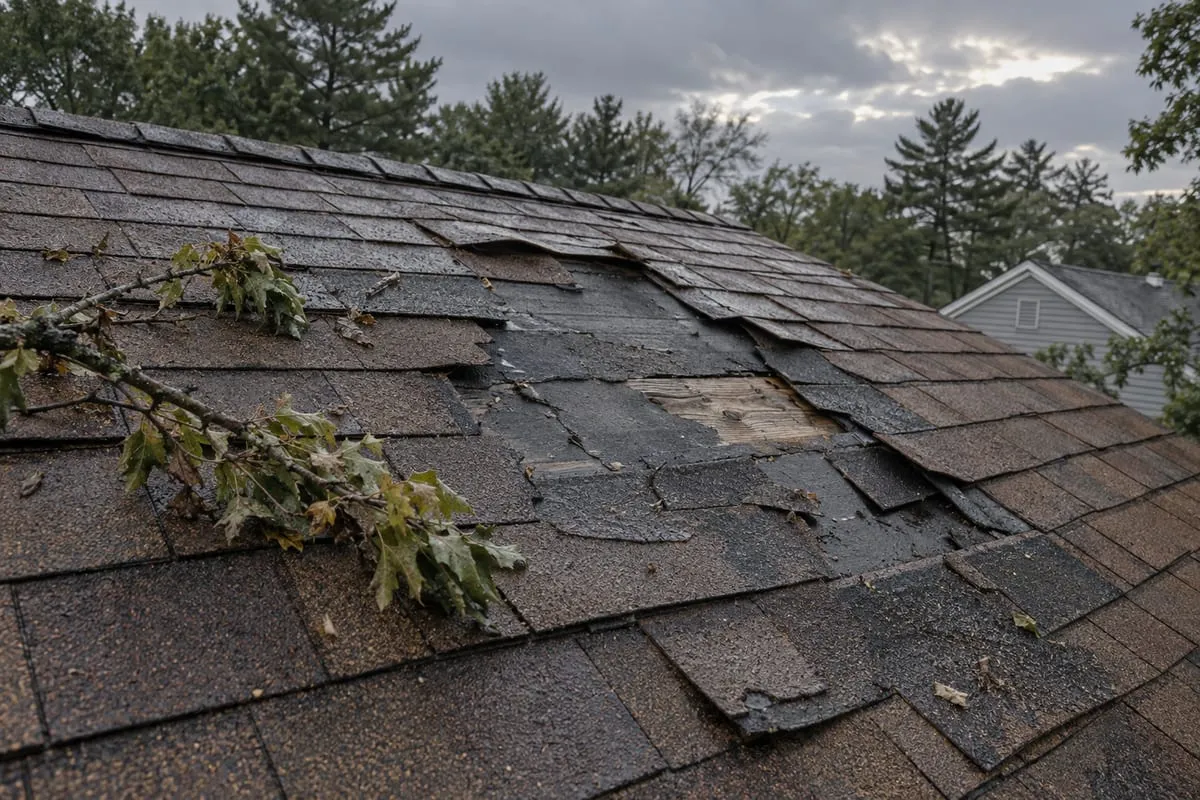 Something's Leaking or DamagedA stain on the ceiling, water in the attic, missing shingles.
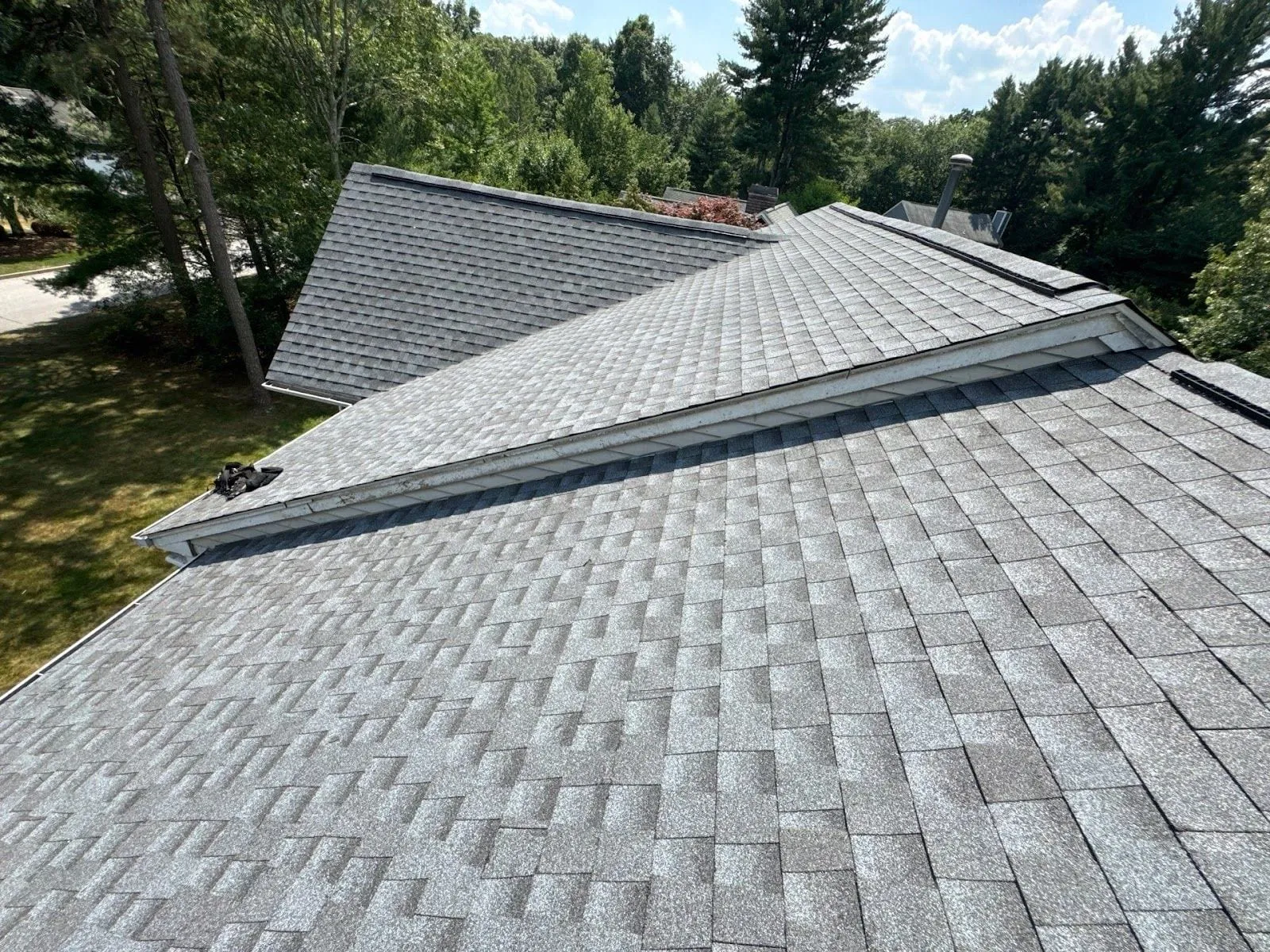 Old Roof, Weighing ReplacementCurling, bald spots, or it's just been a long time.
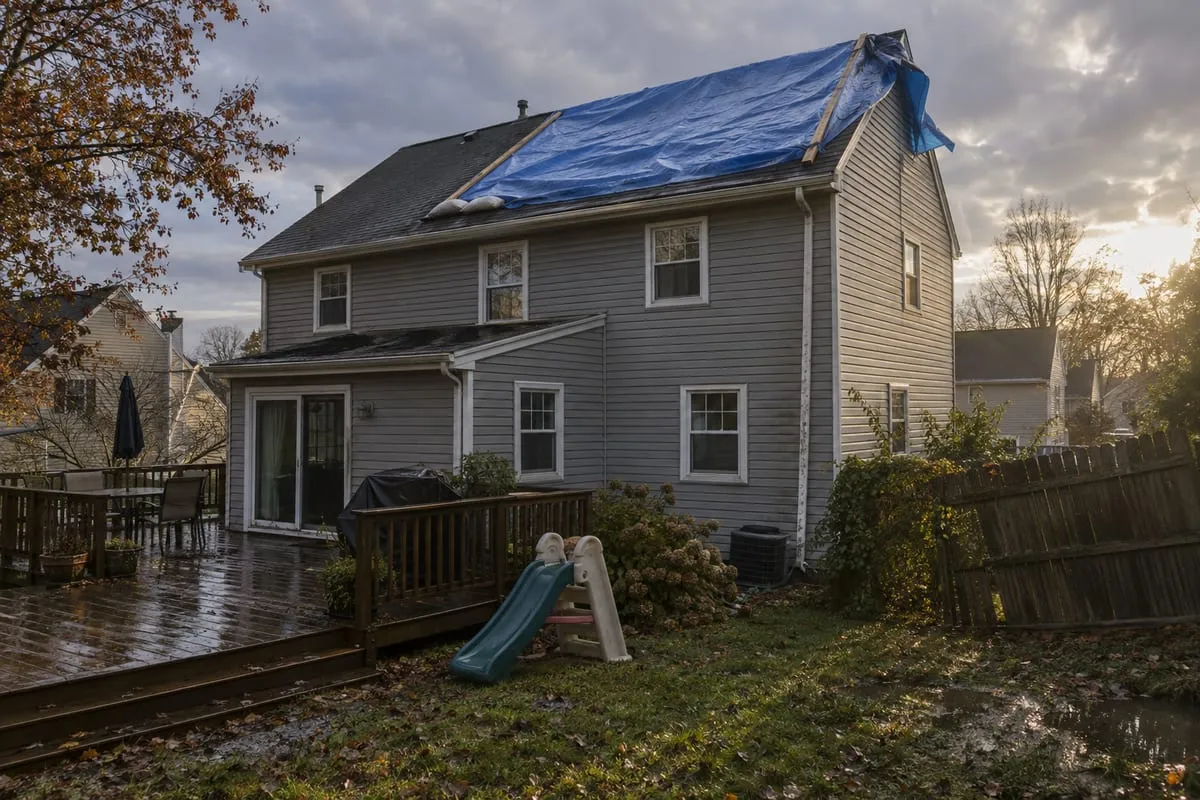 Storm DamageWind, a fallen limb, hail. Claim or no claim.
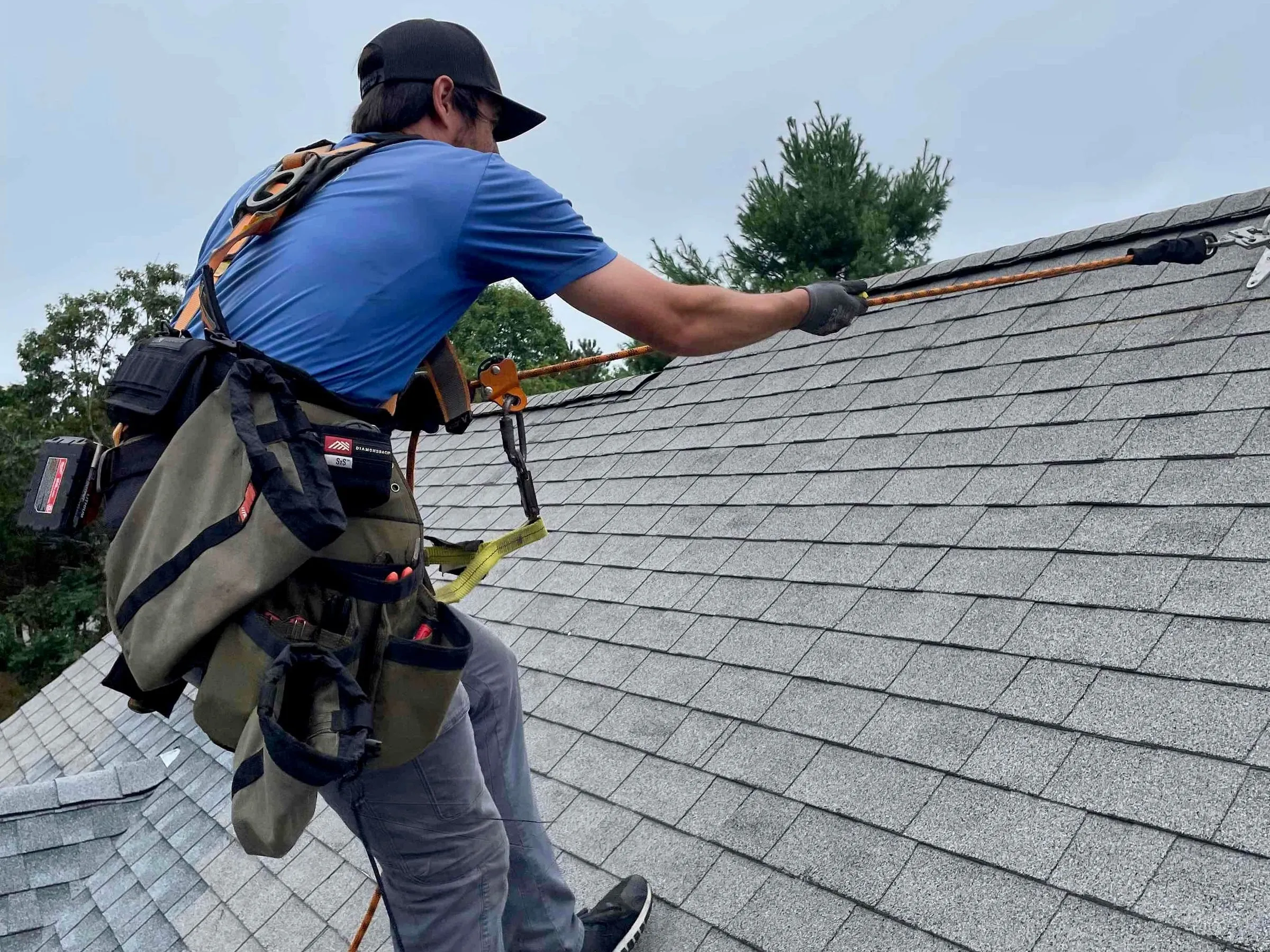 Not Sure, Need an InspectionAn inspection or a second opinion.
 Gutters, Siding or ExteriorGutters, siding, trim, windows, skylights.
 Commercial BuildingFlat or low-slope roofs, maintenance, replacement.
Where Are You Seeing It?
Pick the closest. We'll look at the rest on site.
How Old Is the Roof?
A rough guess is fine.
Have You Started an Insurance Claim?
Either way, we can take a look.
What's Behind the Inspection?
Pick the closest.
Which Part of the Exterior?
Pick the main one. Mention the rest at the end.
What Does the Building Need?
Flat and low-slope roofs included.
What Kind of Property Is It?
When Do You Want It Done?
Where Should We Reach You?
Request Sent
Reference RTP-····-····
We'll reach out from (401) 593-1512 during business hours. Need us sooner? Call that number any time.
Nothing is sent until you say so.
ContinueRather Talk?(401) 593-1512
- 5.0Google rating · 229 reviews
 GAF Master Elite® GAF Master Elite® Certified contractor, Cert. #1111816.
- BBB A+ Accredited by the Better Business Bureau since September 29, 2022.
- GC-47694 Licensed and registered general contractor in Rhode Island, valid through September 19, 2027.
- GAF Extended Warranty Extended manufacturer warranty available on qualifying installations. Coverage terms vary by product and installation.
What Wind, Hail, And Storm Damage Actually Looks Like
Storm damage isn't always as obvious as a missing section of shingles. We look for:
Wind damage.
Lifted, creased, or missing shingles, often concentrated on one side or corner of the roof where wind pressure was highest.
Hail damage.
Bruising or granule loss on shingles that can be hard to spot from the ground but compromises the shingle's protection over time.
Impact damage.
Fallen limbs or debris that punctured, cracked, or dented the roofing material or decking.
Flashing and seal failures.
Storm-force wind and rain can work flashing loose around chimneys, vents, and skylights, opening a path for water even where shingles look intact.
Inside the house, storm damage can show up before you ever get a look at the roof: a new ceiling stain, a musty smell in an upstairs closet, or daylight visible in the attic around a vent pipe. If you notice any of that after a storm, treat it as a reason to get the roof looked at, not just the ceiling patched.
If you're not sure whether what you're seeing is storm damage or normal wear, that's exactly what a free inspection is for.
The System
How The Insurance Claims Process Works
We're not your insurance company and we can't promise what they'll approve, but we can tell you how the process generally goes and help you through the parts that involve your roof:
Document the damage.
We inspect the roof, photograph what we find, and give you a written record of the damage, separate from and in addition to whatever your insurer's adjuster documents.
File the claim.
You contact your insurance company to open a claim. We can provide our documentation to support it, but the claim itself is between you and your insurer.
Adjuster inspection.
Your insurance company sends an adjuster to assess the damage. We're glad to be present for that inspection if you'd like a second set of eyes on the roof.
Claim decision.
Your insurer determines what's covered and what isn't. Coverage, deductibles, and approval decisions are entirely your insurance company's call, not ours.
Repair or replacement.
Once you know what's covered, we'll give you a real quote for the repair or replacement work and schedule it.
For the fuller step-by-step, including documentation tips and what actual cash value vs. replacement cost mean for your payout, see our guide on how a storm-damage roof insurance claim works in Rhode Island.
We never guess at what your policy covers or promise a claim outcome. That's a decision your insurer makes, and we'd rather tell you that plainly than oversell what we control.
Repair Or Replace: What Actually Drives That Decision
Every storm damage job is different, but a few honest factors decide whether a repair makes sense or the roof needs a full replacement:
How much of the roof is affected.
Damage confined to one slope or a handful of shingles is usually a repair. Damage spread across multiple slopes, or affecting the decking underneath, points toward replacement.
Whether we can match what's there.
Shingle lines get discontinued or fade unevenly over time. If we can't get a close match for the undamaged sections, a patch repair can leave your roof looking mismatched, which is worth knowing before you decide.
The roof's age and condition going in.
Storm damage on a roof that already had years of wear left often justifies a targeted repair. The same damage on a roof nearing the end of its service life is often the point where replacement is the more honest recommendation, not just the more profitable one.
What your insurer decides is covered.
Sometimes the damage supports a repair in our judgment, but your insurer's adjuster and your policy's terms are what actually determine what gets paid for. We'll tell you what we'd recommend either way, but that final call runs through your claim.
We'll walk you through which of these applies to your roof and why, not just hand you a number.
How RTP Handles A Storm Damage Job
Inspection.
We get on the roof, not just in the driveway, and check the decking, flashing, and vents along with the shingles, since storm damage isn't always confined to what's visible from the ground.
Cleanup.
We clear debris and old material from the property before we call the job done, whether it's a full-roof job or a single-slope repair.
Temporary protection.
If the roof is actively letting water in, we can put a tarp or other temporary protection in place the same visit to stop further damage while the claim works through your insurer, ahead of any permanent repair.
If The Damage Is Urgent
If a storm has left your roof actively leaking or structurally compromised, don't wait on the claims process to protect your home. See our emergency restoration work page or call (401) 593-1512 now. We can document the damage and put temporary protection in place the same visit.
How it works
- Step 1
On-Roof Damage Inspection
We get on the roof to identify and photograph wind, hail, or impact damage, not just what's visible from the ground.
- Step 2
Written Documentation
You get a written record of what we found, useful for opening or supporting a claim with your insurance company.
- Step 3
Adjuster Walkthrough Support
We're available to be on-site during your insurer's adjuster inspection if you want a roofer's perspective alongside theirs.
- Step 4
Repair Or Replacement
Once your insurer's decision is in, we give you a real quote for the covered work and schedule it.
Questions
Frequently asked questions
Will RTP Roofing guarantee my insurance claim gets approved?
No, and we'd be lying if we said otherwise. What your policy covers, and whether a claim is approved, is entirely your insurance company's decision. We document the roof damage honestly and support the process, but we don't control or promise the outcome.
Do you work directly with my insurance company?
We can provide documentation and be present during an adjuster's inspection if you'd like, but the claim itself is a contract between you and your insurer. We're there to support the roofing side of it, not to negotiate coverage on your behalf.
How do I know if my roof damage is from a storm?
Wind and hail damage isn't always obvious from the ground, missing shingles are the clearest sign, but bruised granules and lifted flashing can be just as significant and much harder to spot. A free inspection is the fastest way to know.
What should I do first after a storm damages my roof?
If the damage is actively letting water in or looks structurally unsafe, call (401) 593-1512 or see our emergency restoration page first. If it's not urgent, request a free inspection so you have documentation before you call your insurer.
Does a repair or replacement start before my claim is settled?
Not usually, other than emergency temporary protection to stop further damage. We'll give you a real quote once you know what your insurance company has approved, so you're not guessing at costs before coverage is confirmed.
What if my insurer only wants to pay for a section, but the shingles no longer match?
It happens, especially on older roofs where the shingle line has faded or been discontinued. We'll tell you honestly whether a close match is realistic before the repair starts, so a mismatched patch isn't a surprise you discover afterward.
Will you tarp the roof before my claim is approved?
If water is actively getting in, yes, we can put temporary protection in place the same visit rather than waiting on a claim decision. That's about stopping further damage, not a substitute for the permanent repair or replacement once coverage is confirmed.
Serving
Serving Rhode Island
- Storm damage & insurance claims in Barrington
- Storm damage & insurance claims in Bristol
- Storm damage & insurance claims in Burrillville
- Storm damage & insurance claims in Central Falls
- Storm damage & insurance claims in Charlestown
- Storm damage & insurance claims in Coventry
- Storm damage & insurance claims in Cranston
- Storm damage & insurance claims in Cumberland
- Storm damage & insurance claims in East Greenwich
- Storm damage & insurance claims in East Providence
- Storm damage & insurance claims in Exeter
- Storm damage & insurance claims in Foster
- Storm damage & insurance claims in Glocester
- Storm damage & insurance claims in Hopkinton
- Storm damage & insurance claims in Jamestown
- Storm damage & insurance claims in Johnston
- Storm damage & insurance claims in Lincoln
- Storm damage & insurance claims in Little Compton
- Storm damage & insurance claims in Middletown
- Storm damage & insurance claims in Narragansett
- Storm damage & insurance claims in New Shoreham
- Storm damage & insurance claims in Newport
- Storm damage & insurance claims in North Kingstown
- Storm damage & insurance claims in North Providence
- Storm damage & insurance claims in North Smithfield
- Storm damage & insurance claims in Pawtucket
- Storm damage & insurance claims in Portsmouth
- Storm damage & insurance claims in Providence
- Storm damage & insurance claims in Richmond
- Storm damage & insurance claims in Scituate
- Storm damage & insurance claims in Smithfield
- Storm damage & insurance claims in South Kingstown
- Storm damage & insurance claims in Tiverton
- Storm damage & insurance claims in Warren
- Storm damage & insurance claims in Warwick
- Storm damage & insurance claims in West Greenwich
- Storm damage & insurance claims in West Warwick
- Storm damage & insurance claims in Westerly
- Storm damage & insurance claims in Woonsocket
Serving
Serving Massachusetts
- Storm damage & insurance claims in Attleboro
- Storm damage & insurance claims in Bellingham
- Storm damage & insurance claims in Blackstone
- Storm damage & insurance claims in Bridgewater
- Storm damage & insurance claims in Brockton
- Storm damage & insurance claims in Dartmouth
- Storm damage & insurance claims in Easton
- Storm damage & insurance claims in Fall River
- Storm damage & insurance claims in Foxborough
- Storm damage & insurance claims in Franklin
- Storm damage & insurance claims in Mansfield
- Storm damage & insurance claims in Middleborough
- Storm damage & insurance claims in Milford
- Storm damage & insurance claims in New Bedford
- Storm damage & insurance claims in North Attleborough
- Storm damage & insurance claims in Norton
- Storm damage & insurance claims in Plymouth
- Storm damage & insurance claims in Rehoboth
- Storm damage & insurance claims in Seekonk
- Storm damage & insurance claims in Somerset
- Storm damage & insurance claims in Swansea
- Storm damage & insurance claims in Taunton
- Storm damage & insurance claims in Uxbridge
- Storm damage & insurance claims in Wareham
- Storm damage & insurance claims in Westport
- Storm damage & insurance claims in Worcester
Get Storm Damage Documented Before You File
Request a free inspection or call (401) 593-1512. We'll document what a storm actually did to your roof and walk you through what comes next.