
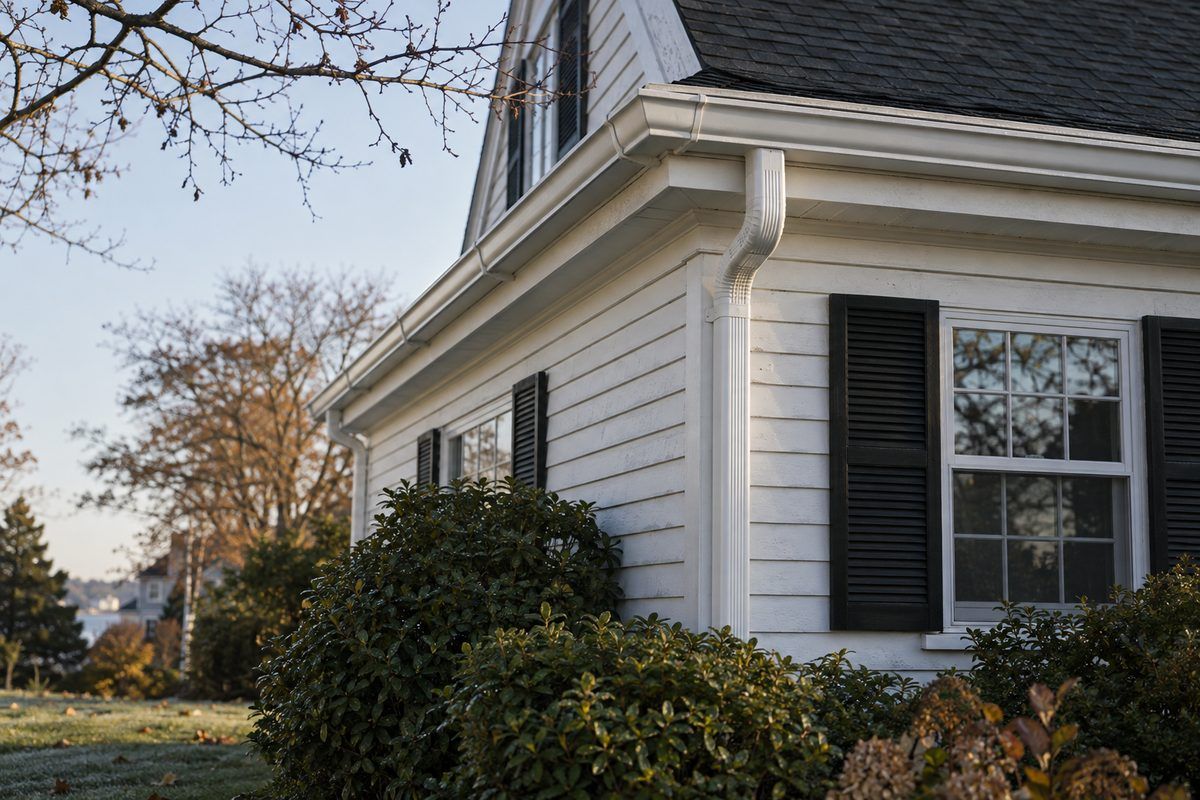
Gutters · Warwick & Rhode Island
Gutter Installation & Repair in Warwick, RI
Water pooling next to the foundation. A stain creeping down the siding every time it rains. Most water damage around a house starts with gutters nobody's looked at in years, and RTP Roofing checks them every time we're on your roof.
Free EstimateRTP-····-···· · Warwick Office
Free Estimate
RTP-····-····Warwick Office
Step 1 of 5 · About 1 Minute
What Does Your Home Need?
Pick the closest one. You don't need the right words for it.
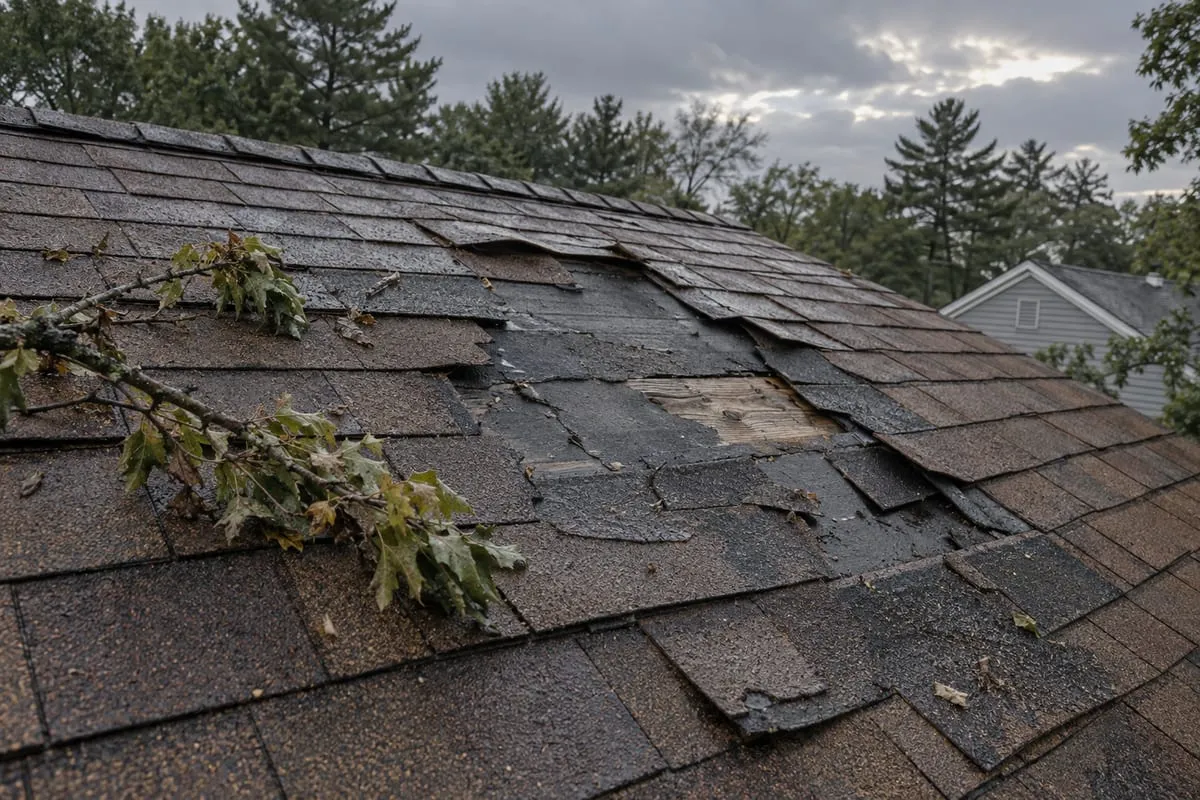 Something's Leaking or DamagedA stain on the ceiling, water in the attic, missing shingles.
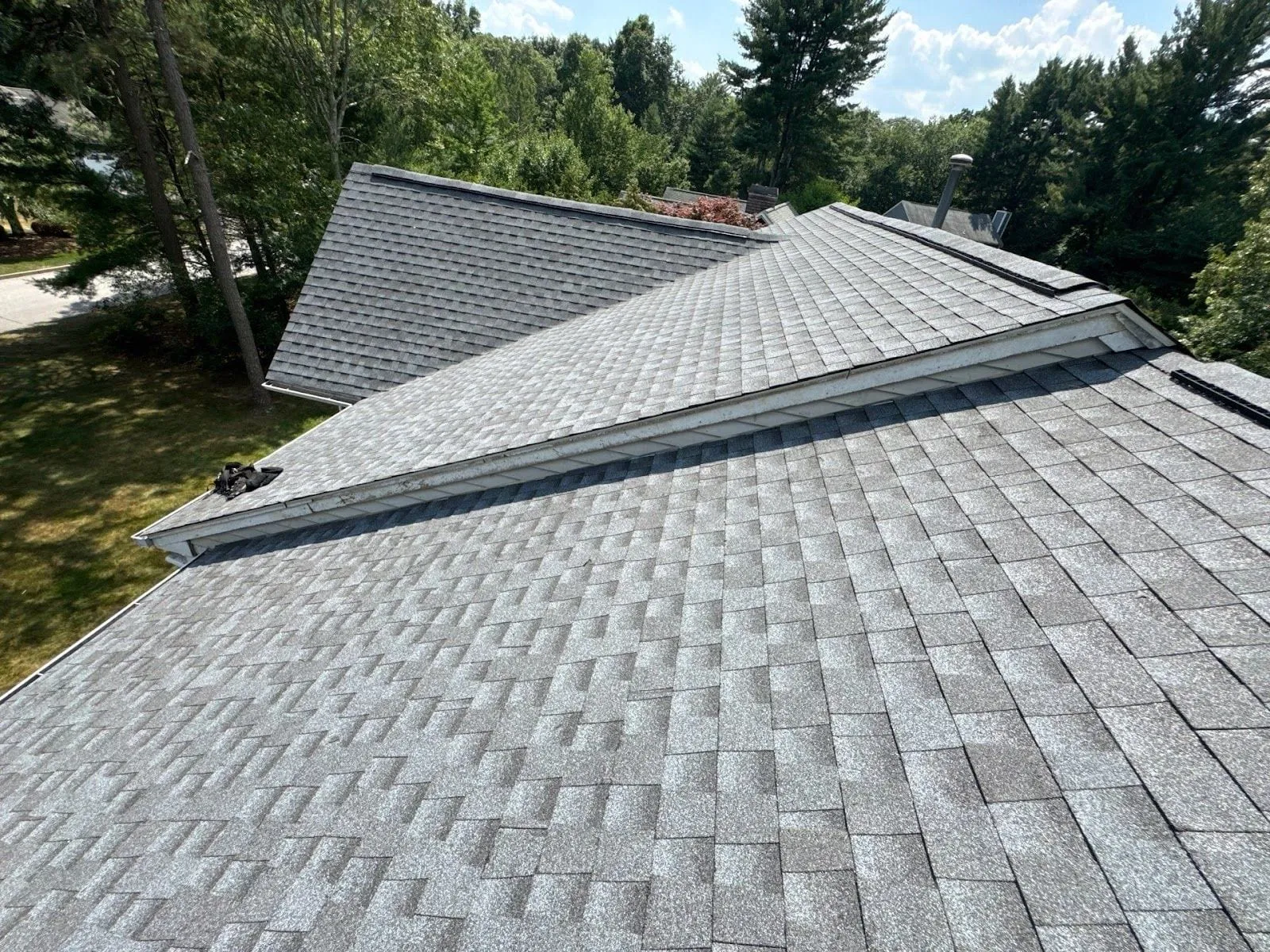 Old Roof, Weighing ReplacementCurling, bald spots, or it's just been a long time.
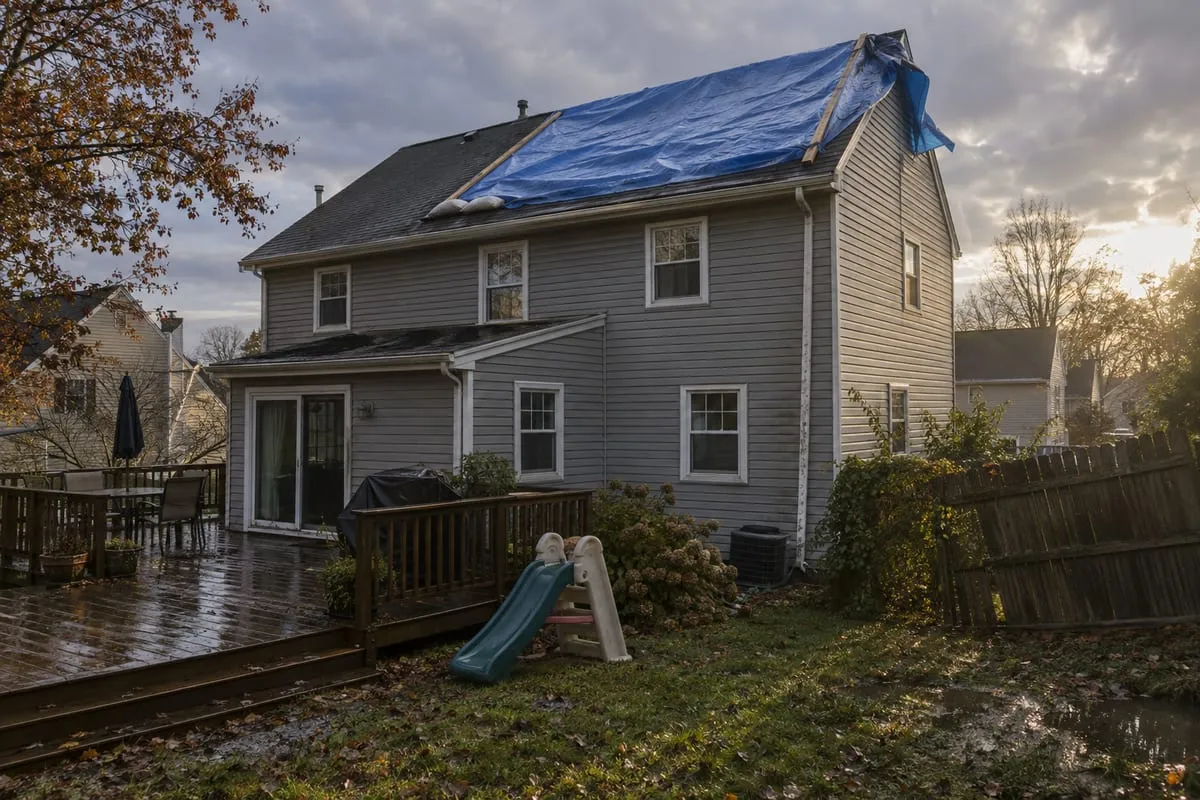 Storm DamageWind, a fallen limb, hail. Claim or no claim.
 Not Sure, Need an InspectionAn inspection or a second opinion.
 Gutters, Siding or ExteriorGutters, siding, trim, windows, skylights.
 Commercial BuildingFlat or low-slope roofs, maintenance, replacement.
Where Are You Seeing It?
Pick the closest. We'll look at the rest on site.
How Old Is the Roof?
A rough guess is fine.
Have You Started an Insurance Claim?
Either way, we can take a look.
What's Behind the Inspection?
Pick the closest.
Which Part of the Exterior?
Pick the main one. Mention the rest at the end.
What Does the Building Need?
Flat and low-slope roofs included.
What Kind of Property Is It?
When Do You Want It Done?
Where Should We Reach You?
Request Sent
Reference RTP-····-····
We'll reach out from (401) 593-1512 during business hours. Need us sooner? Call that number any time.
Nothing is sent until you say so.
ContinueRather Talk?(401) 593-1512
- GAF Master Elite
GAF Master Elite® Certified contractor, Cert. #1111816.
- BBB A+
Accredited by the Better Business Bureau since September 29, 2022.
- RI GC-47694
Licensed and registered general contractor in Rhode Island, valid through September 19, 2027.
- GAF Golden Pledge
Extended manufacturer warranty available on qualifying installations. Coverage terms vary by product and installation.
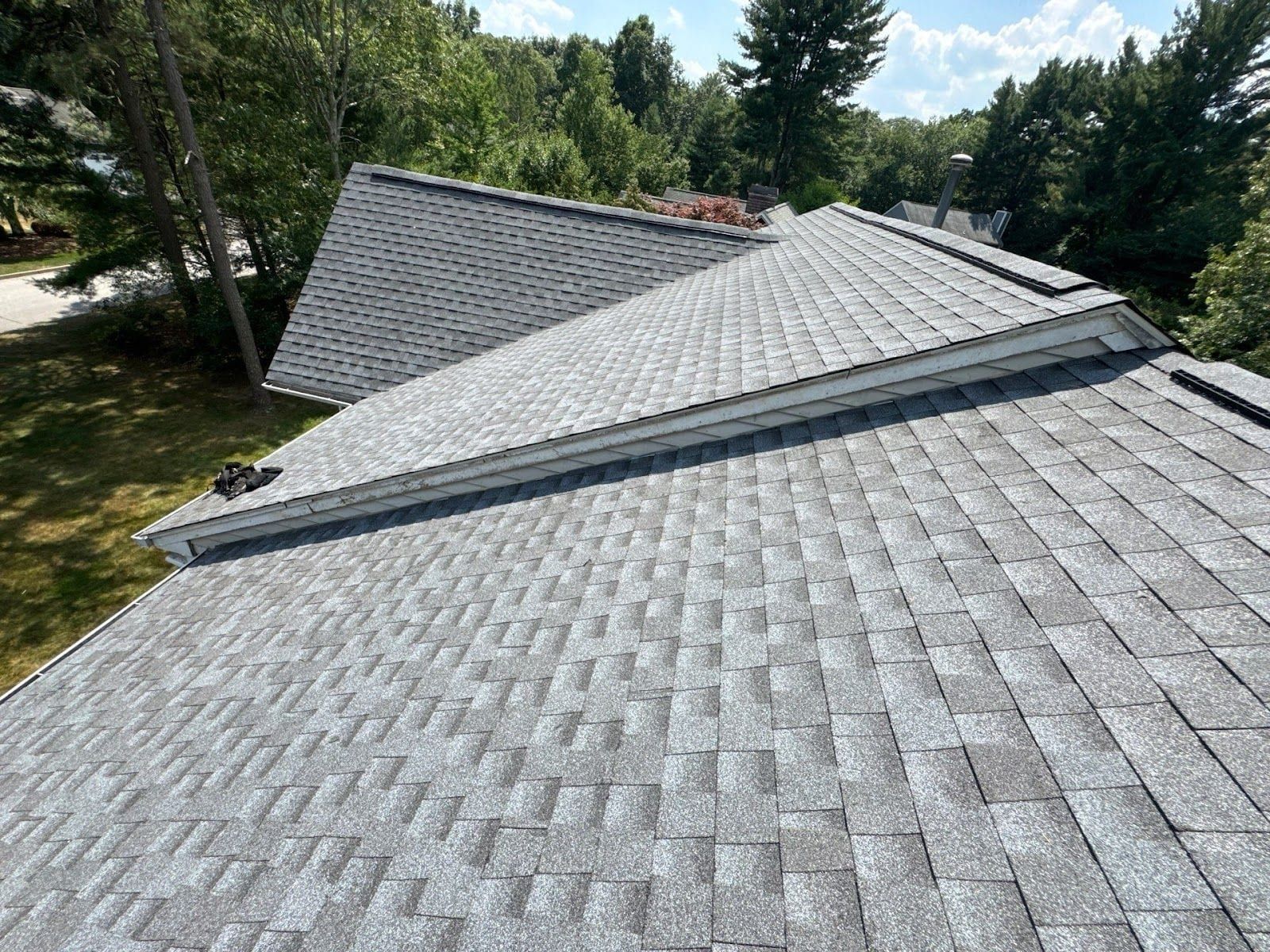
What Bad Gutters Actually Cost You
Gutters have one job: get water away from your roof, walls, and foundation. When they fail, that water doesn't disappear, it goes somewhere worse:
- Foundation damage. Water pooling at the foundation from an overflowing or misdirected gutter can lead to cracking and settling over time.
- Siding and trim damage. Water splashing or running behind gutters stains and deteriorates siding, fascia, and trim faster than normal weathering. If that's already happened at your place, our siding repair crew and our gutter crew coordinate on the fix instead of pointing at each other.
- Roof edge damage. Clogged gutters can back water up under the lowest course of shingles, exactly where a roof is most vulnerable to a leak. That's the same edge we check on every roof inspection.
- Basement moisture. Water that isn't carried away from the foundation is one of the most common causes of a wet basement.
We check your gutters every time we're on your roof for another reason, because a roof and its gutters are one system, not two separate jobs.
What Gutter Installation Actually Involves
Gutter work looks simple from the ground, a metal trough on the roof edge, but there's a sequence to doing it right:
- Tear-off and hanger check. Old gutters and hangers come down first. We check the fascia board behind them for rot, because a new gutter hung on a rotted fascia board fails again within a season.
- Slope. Gutters need a slight, consistent pitch toward the downspout so water moves instead of sitting and pooling mid-run.
- Fabrication. For seamless aluminum, the gutter is formed on-site to the exact length of your roofline, which means no seams to leak partway down a run.
- Hanging and fastening. Hangers go in at a consistent spacing so the gutter can carry a full load of water and wet leaves without sagging.
- Downspout placement. Downspouts get positioned to actually move water away from the foundation and landscaping, not just off the roof and onto the ground below.
- Sealing and cleanup. Seams, end caps, and corners get sealed, and we clear debris from the yard and driveway before we call it done.
The RTP Roofing Difference
We're RI-registered (GC-47694), and we install and repair gutters using seamless aluminum systems sized correctly for your roof's runoff, not a one-size-fits-all box store kit. Because we're already a roofing contractor, we can spot a gutter problem that's actually a roof problem, and fix both at once instead of sending you to a second company, whether that's a roofing repair or a spot on your roofing maintenance plan. We inspect your gutters and install them, and there's cleanup on the ground before we leave, not just a finished gutter overhead.
Sizing And Material: Why The Standard Kit Often Isn't Enough
A lot of gutter problems start with an undersized system, not a bad install. A roof with steep pitches or a lot of surface area sheds more water per minute during a heavy Rhode Island downpour than a standard 5-inch residential gutter can carry, which is exactly when you'll see it overflow at the corners instead of draining through the downspout.
We size gutters and downspouts to your roof's actual runoff, upsizing to 6-inch profiles or adding downspouts where the roof calls for it, rather than defaulting to whatever's standard. Seamless aluminum is our default material for its fit and low maintenance, and we'll talk through the tradeoffs if you're considering something else:
- Aluminum (our default). Lightweight, resists corrosion, and holds up well in New England weather without the upkeep heavier metals need. The tradeoff is that it can dent under a hard impact, like a falling branch.
- Steel. Heavier and more dent-resistant than aluminum, which matters under trees or where ladders and equipment get set against the gutter. It needs a good protective coating to hold off rust over time.
- Premium metal. The most durable common option and it develops a distinctive patina with age, but it costs meaningfully more than aluminum or steel.
- Vinyl. The lowest upfront cost and no corrosion to worry about, but it becomes brittle in cold and expands and contracts more with temperature swings than metal, which shows up as gaps or cracks sooner, especially through a Rhode Island winter.
For most Warwick-area roofs, seamless aluminum sized correctly hits the right balance of cost, durability, and low maintenance, which is why it's our default, not a heavier or pricier metal marked up as an "upgrade" you don't need.
Downspouts And Drainage: The Part People Skip
A gutter that's perfectly hung still fails at its one job if the water it collects dumps right back next to your foundation. Downspouts and where they discharge matter as much as the gutter itself:
- Extensions. A downspout that ends at the base of the wall just moves the puddling problem a few feet, not away from the house. An extension routes that water further out, onto a slope or a spot that drains.
- Splash blocks. At a minimum, a splash block under the downspout outlet keeps the discharge from digging a trench in the mulch or eroding the grade right at the foundation.
- Underground drainage tie-ins. On lots where grading doesn't carry water away on its own, a downspout can tie into buried drain pipe that carries water further from the house, sometimes to daylight, a dry well, or a drainage swale.
- Downspout count and placement. A long roofline with a single downspout is a common reason a gutter overflows even though nothing is clogged. We look at how many downspouts your roof actually needs, not just where the last ones happened to be.
We check this during every gutter job, because we've seen plenty of houses where the gutters themselves were fine and the water damage kept happening anyway because of where the downspouts let go.
Gutters Through A Rhode Island Winter
New England winters put gutters through a different kind of stress than rain does. Freeze-thaw cycles work joints and fasteners loose over a season, and heavy, wet snow sitting in a gutter adds real weight that a marginal hanging job won't carry. Ice buildup at the roof edge is also tied to the same area gutters sit on, which is one more reason we look at the gutter line and the first few courses of shingles together rather than as separate problems.
Clearing gutters before the ground freezes each fall matters more here than in milder climates, since a gutter that's already clogged going into winter has nowhere for meltwater to go except back under the roofline.
Gutter Guards: What's Actually Worth Installing
Gutter guards can cut down on cleanings, but not all of them do it equally well, and none of them replace maintenance entirely:
- Screen and micromesh guards. The most effective common option at keeping out both large debris and fine grit or shingle granules. They cost more than the alternatives below.
- Foam inserts. Cheap and easy to install, but they clog with fine debris over time and don't stop algae or plant growth from taking hold in them, so they end up needing replacement rather than just cleaning.
- Reverse-curve (surface tension) guards. Shed leaves well in theory, but many homeowners find them visually obvious on the roofline and awkward to service when they do need attention.
- Brush guards. Simple to install and catch large debris, but smaller particles pass right through, so they're only a partial fix under heavy tree cover.
We'll give you a straight read on whether a guard makes sense for your property, or whether the honest answer is a twice-a-year cleaning instead.
When To Repair, And When To Replace
We don't default to "replace" because it's the bigger job. The call usually comes down to a few things:
- Age and material condition. A system that's sagging, rusting through, or pulling away from the fascia in multiple spots is past the point where patching individual sections makes sense.
- Extent of the problem. A single separated seam, a bent section, or one loose hanger is a repair. Sagging along most of a run, or damage on more than one side of the house, usually points to full replacement.
- What's behind the gutter. If the fascia board itself is rotted, that gets fixed regardless of whether the gutter is repaired or replaced, since reattaching to bad wood just fails again. Sometimes that overlaps with siding repair if the damage has spread to the trim.
- Sizing. If a correctly-installed gutter is still overflowing because it was undersized for the roof to begin with, that's a case for replacement with the right-sized system, not another repair of the same undersized one.
We'll tell you which situation you're in and why, not just quote the bigger job by default. If the fascia or trim behind the gutter has already deteriorated, that repair sometimes overlaps with our decking or siding work, and we'll flag it rather than reattach a gutter to wood that won't hold it.
How it works
- Step 1
Inspection
We check your current gutters, downspouts, and the roof edge they attach to for pitch, clogs, separation, and damage.
- Step 2
Recommendation
We tell you honestly whether your gutters need cleaning, repair, or full replacement, and explain the sizing and material options that fit your home.
- Step 3
Installation or Repair
We install seamless gutters and downspouts, or repair the sections that are failing, protecting your landscaping and siding while we work.
- Step 4
Final Walkthrough
We walk the finished work with you and confirm water is actually flowing away from your foundation before we call the job done.
Questions
Frequently asked questions
How often should gutters be cleaned?
Most Rhode Island homes benefit from cleaning at least twice a year, in the fall and spring, when leaves and debris accumulate fastest. Homes under heavy tree cover may need more.
Do you install seamless gutters?
Yes. We install seamless aluminum gutter systems sized to your roof's runoff, along with matching downspouts.
Can bad gutters actually damage my roof?
Yes. Clogged or overflowing gutters can back water up under the lowest row of shingles, which is one of the most common ways a roof edge starts leaking.
Do you repair gutters or only replace them?
Both. We'll tell you honestly whether a section can be repaired or whether full replacement makes more sense, based on the age and condition of the system.
Why do my gutters overflow even when they're clean?
It's often a sizing problem, not a clog. A steep or large roof can shed more water than a standard gutter profile can handle in a heavy downpour. We'll check whether your system is actually sized for your roof.
Do you install gutter guards?
We can discuss gutter guard options as part of an installation, though they're not a substitute for regular cleaning on a heavily wooded property. We'll give you a straight answer on whether they make sense for your home.
Can you fix a gutter that's pulling away from the roofline?
Yes. A gutter pulling away usually means the hangers or fascia board behind it have failed, and we'll check both before reattaching it, since reattaching to a rotted fascia board just fails again.
Serving Rhode Island
- Gutter installation & repair in Barrington
- Gutter installation & repair in Bristol
- Gutter installation & repair in Burrillville
- Gutter installation & repair in Central Falls
- Gutter installation & repair in Charlestown
- Gutter installation & repair in Coventry
- Gutter installation & repair in Cranston
- Gutter installation & repair in Cumberland
- Gutter installation & repair in East Greenwich
- Gutter installation & repair in East Providence
- Gutter installation & repair in Exeter
- Gutter installation & repair in Foster
- Gutter installation & repair in Glocester
- Gutter installation & repair in Hopkinton
- Gutter installation & repair in Jamestown
- Gutter installation & repair in Johnston
- Gutter installation & repair in Lincoln
- Gutter installation & repair in Little Compton
- Gutter installation & repair in Middletown
- Gutter installation & repair in Narragansett
- Gutter installation & repair in New Shoreham
- Gutter installation & repair in Newport
- Gutter installation & repair in North Kingstown
- Gutter installation & repair in North Providence
- Gutter installation & repair in North Smithfield
- Gutter installation & repair in Pawtucket
- Gutter installation & repair in Portsmouth
- Gutter installation & repair in Providence
- Gutter installation & repair in Richmond
- Gutter installation & repair in Scituate
- Gutter installation & repair in Smithfield
- Gutter installation & repair in South Kingstown
- Gutter installation & repair in Tiverton
- Gutter installation & repair in Warren
- Gutter installation & repair in Warwick
- Gutter installation & repair in West Greenwich
- Gutter installation & repair in West Warwick
- Gutter installation & repair in Westerly
- Gutter installation & repair in Woonsocket
Serving Massachusetts
- Gutter installation & repair in Attleboro
- Gutter installation & repair in Bellingham
- Gutter installation & repair in Blackstone
- Gutter installation & repair in Bridgewater
- Gutter installation & repair in Brockton
- Gutter installation & repair in Dartmouth
- Gutter installation & repair in Easton
- Gutter installation & repair in Fall River
- Gutter installation & repair in Foxborough
- Gutter installation & repair in Franklin
- Gutter installation & repair in Mansfield
- Gutter installation & repair in Middleborough
- Gutter installation & repair in Milford
- Gutter installation & repair in New Bedford
- Gutter installation & repair in North Attleborough
- Gutter installation & repair in Norton
- Gutter installation & repair in Plymouth
- Gutter installation & repair in Rehoboth
- Gutter installation & repair in Seekonk
- Gutter installation & repair in Somerset
- Gutter installation & repair in Swansea
- Gutter installation & repair in Taunton
- Gutter installation & repair in Uxbridge
- Gutter installation & repair in Wareham
- Gutter installation & repair in Westport
- Gutter installation & repair in Worcester
Back to Additional exterior services
Get A Straight Answer On Your Gutters
Request a free estimate or call (401) 593-1512. We'll check your gutters and your roof edge in the same visit.