
A brown ring on the ceiling around the skylight, or drops falling from the frame on a cold morning, sends most people straight to the word "leak." Sometimes that is right. Sometimes the roof is fine and the room is simply too humid for a cold sheet of glass.
The two problems look alike from the floor and need completely different fixes, so the first job is telling them apart. After that, it helps to know where skylight leaks actually start, because it is usually not the glass.
Leak or Condensation on the Glass
Condensation forms when warm, damp indoor air touches a cold surface. A skylight is a large cold surface in a warm room, so it can fog more easily than a wall window. A bathroom, kitchen or laundry area makes it worse.
Timing and pattern give most of the answer:
- Condensation tends to show up on cold mornings and in humid rooms, and it fades when the weather warms or the room dries out. It spreads evenly across the glass or frame, often as a film or small beads, and it can show up on a dry day.
- A leak follows weather. Water that appears during rain, wind-driven rain or snowmelt, or in the day after, points to the roof. A leak tends to start at one spot and trail from there, and it can leave a stain on the ceiling or on the walls of the light shaft that stays put.
- Moisture trapped between the panes of a double-glazed unit is a third case. That is a failed seal in the glass unit itself, and it will not wipe away.
Condensation is a humidity and ventilation question. Running bath and kitchen fans, keeping the room from staying damp, and making sure the house moves air properly all help. It is worth a look, but it is not a roof repair.
If you are not sure which one you have, write down when it happens. A note like "only after the last two rainstorms" or "every cold morning, never when it rains" saves a roofer a lot of guessing.
Where Skylight Leaks Start
A skylight is a hole cut in the roof with a window set in it. Water is always trying to find a way into that hole, and the roof around it has to be built so water goes around it. When a skylight leaks, these are the usual places to look.
The flashing. Flashing is the metal that ties the skylight into the roof. It is installed in pieces, woven in with the shingles, so water running down the roof is carried around the unit instead of into it. Flashing that has aged, shifted, been bent or was installed wrong is the usual source of a skylight leak. Our skylight page goes through why this makes it a roofing problem rather than a glass problem.
The seals and gaskets. The seal between the glass and the frame, and the gaskets around an opening sash, wear out over the years. Some leaks start there.
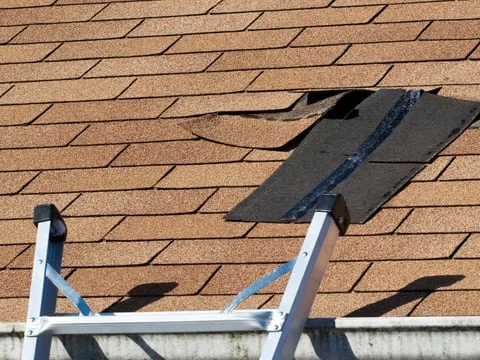
The shingles above. Lifted or damaged shingles, an old patch, or a valley that sends a stream of runoff toward the top edge of the skylight can push water into the opening. The skylight gets blamed for water that really entered farther up.
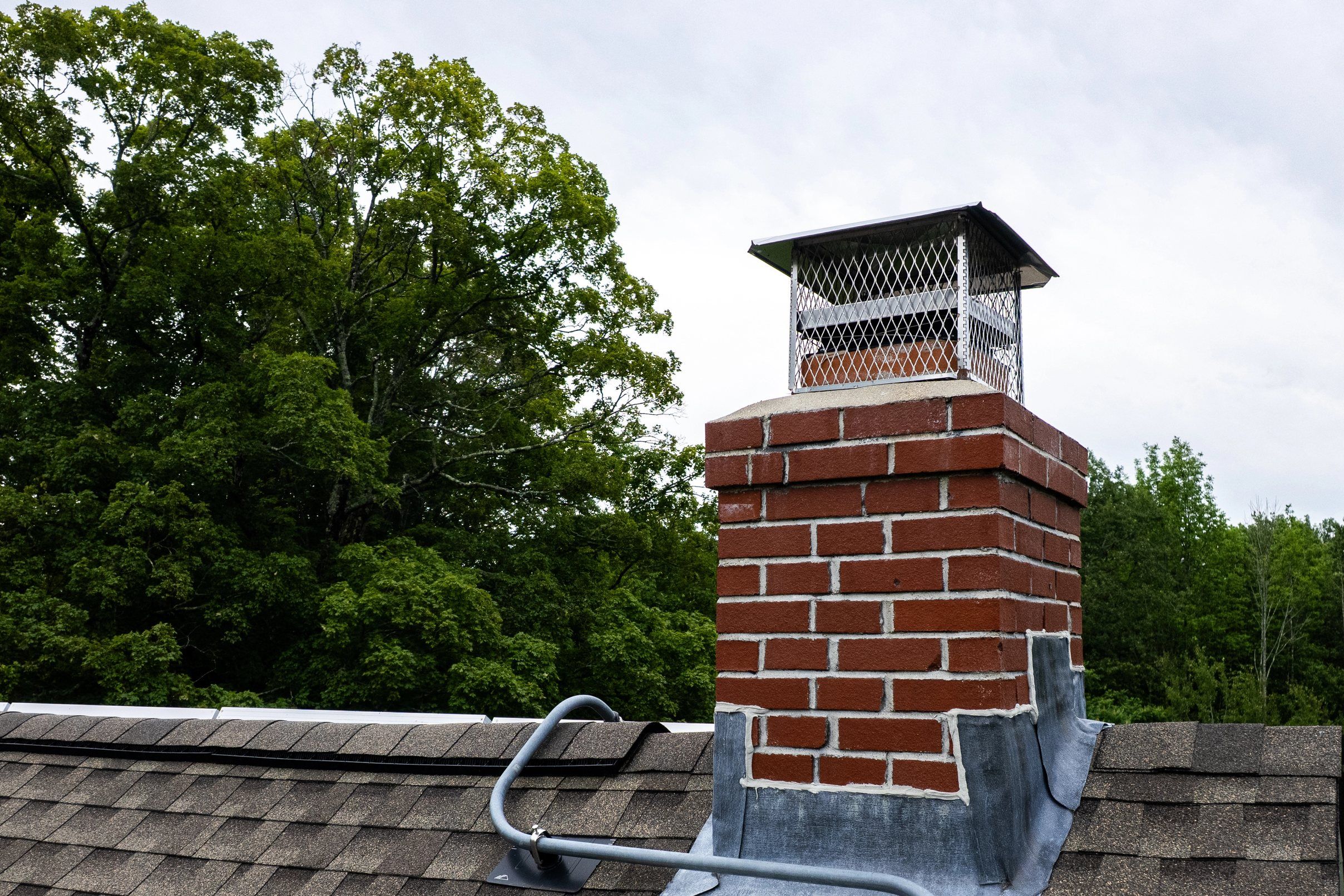
Somewhere uphill. Water can enter at a vent, a chimney, a nail hole or a wall joint higher on the roof and run along the deck before it appears at the skylight. A stain a foot or two from the opening, instead of right at the glass, is a hint that the source may be somewhere other than the skylight itself. If you also have a chimney or a wall nearby, that flashing belongs on the list.
Snow and ice. A skylight that leaks only in winter may be dealing with drainage that snow and ice change. Meltwater that backs up behind snow on the roof can reach places rain does not usually reach. Our post on leaks that only show up in heavy rain and wind explains why some leaks wait for the right weather.
Because of all this, the repair that matters is the one aimed at the real source. Smearing sealant around a skylight frame without finding it tends to hide the problem until the next storm. Our roof leak repair guide covers how leak sources get traced across the whole roof.
What to Do Right Now
You do not need to get on the roof, and you should not. A wet roof, ladder work and snow do not mix, and finding the source is a job for someone with the right equipment.
- Take photos of the stain, the drip and the glass, with dates, and note what the weather was doing.
- Put a container under any drip and move furniture out of the way. A towel under the container saves the floor.
- Stay out from under a ceiling that bulges or sags, and keep others out too.
- If water is running toward a light fixture, outlet or switch, do not touch it. Call an electrician.
- If you can reach the frame from the floor, wipe off condensation so moisture does not sit on the wood or drywall. Do not use a ladder or step stool to reach it.
- Book a roof inspection and bring your notes. A roofer can look at the flashing, the shingles around the unit, the curb and the attic side of the opening.
Repair or Replace the Skylight
Most skylight leaks are a flashing or seal problem, and the repair is usually aimed at the roof around the unit, not the unit itself. That means new flashing, correct shingle work around the opening, and a closer look at the curb and the deck.
Replacement starts to make sense when:
- The glazing is fogged between the panes or the glass is cracked.
- The frame is damaged or corroded.
- The unit leaks again in new spots after it has been repaired.
- Reaching the leak means disturbing roofing that is already brittle and close to the end of its life.
It helps to ask a roofer which of these they see. A repair only makes sense if the unit is worth saving. Putting new flashing around an old unit that is nearing the end of its life can mean doing the work twice. Roofing repair fits when the unit and the shingles around it are sound.
Why a Reroof Is a Good Time to Replace the Skylight
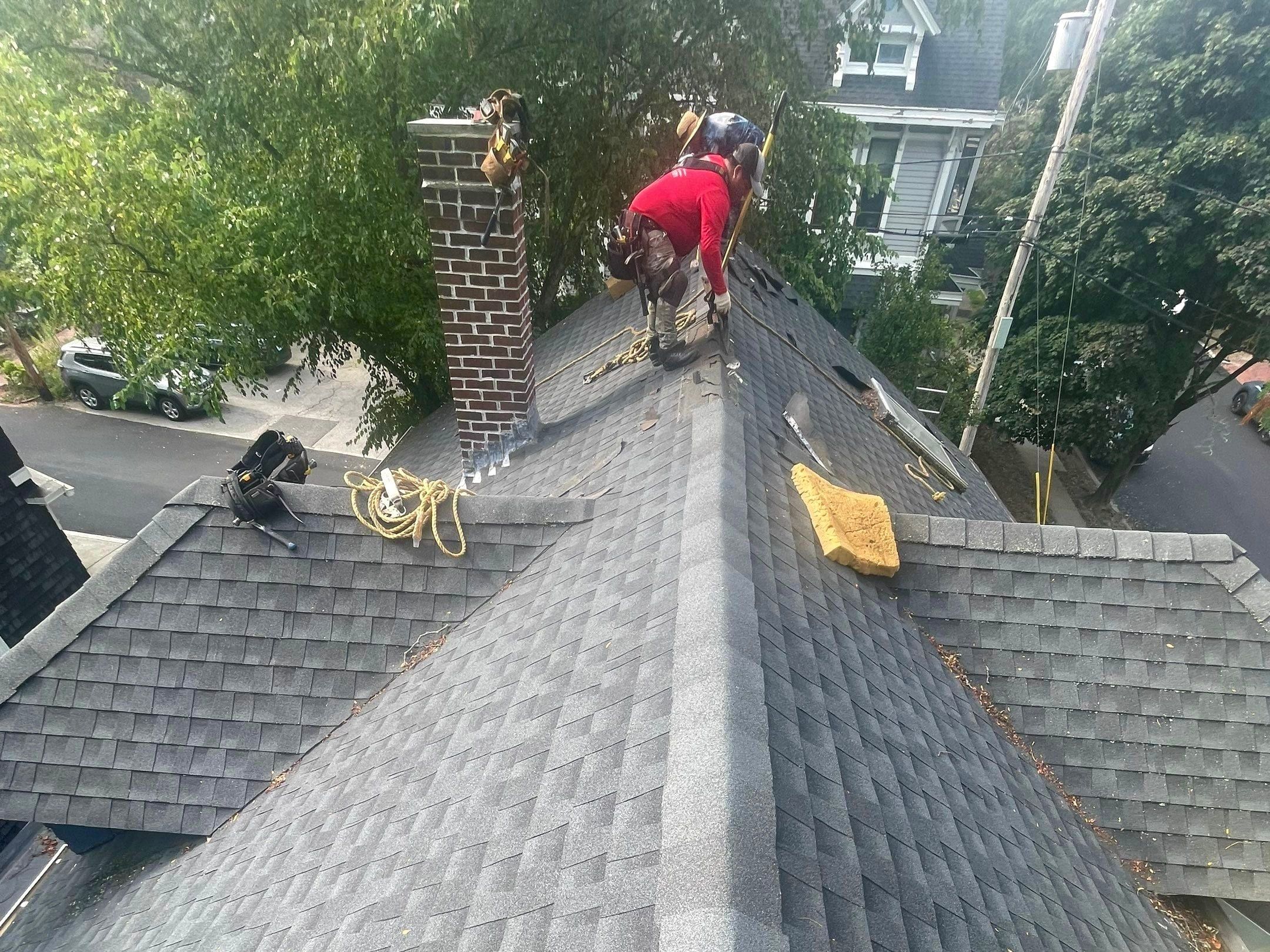
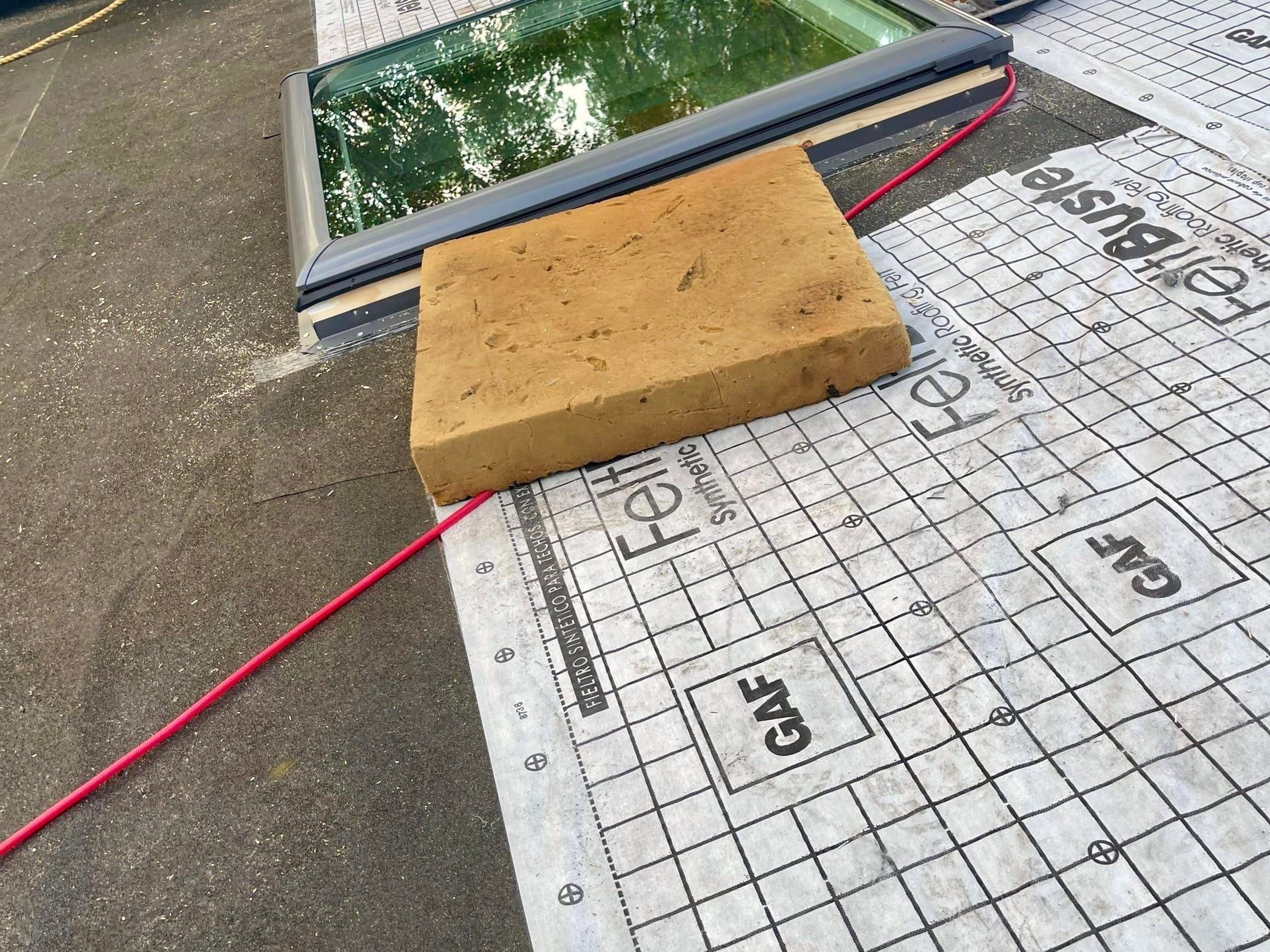
If your roof is already due for replacement, the skylight should be part of that conversation. During a roof replacement the shingles around the skylight come off anyway, and the flashing has to be dealt with either way. Replacing an aging unit while the roof is open means the new flashing is built around the new unit and the new roof at the same time, with fewer places where one job meets another.
A skylight installed in one project and flashed in another is a common way for a leak to start, because nobody owns the joint between the two. Doing both together also avoids a second round of tear-up and cleanup later.
When you get estimates for a new roof, ask how each skylight will be handled. The answer should say whether the unit stays and how the new flashing ties into the new roofing. A written line on the estimate for each skylight is a reasonable thing to expect.
Next Step
If you can tell it is condensation, start with the fans and the humidity in the room. If it follows rain, or you cannot tell, get it looked at before the water finds the insulation and drywall.
RTP Roofing is a roofing contractor in Warwick, Rhode Island. If your skylight is leaking, request an estimate and tell us when the water shows up, or read about our skylight installation and repair work. Our Warwick roofing page has more on the area we serve.