
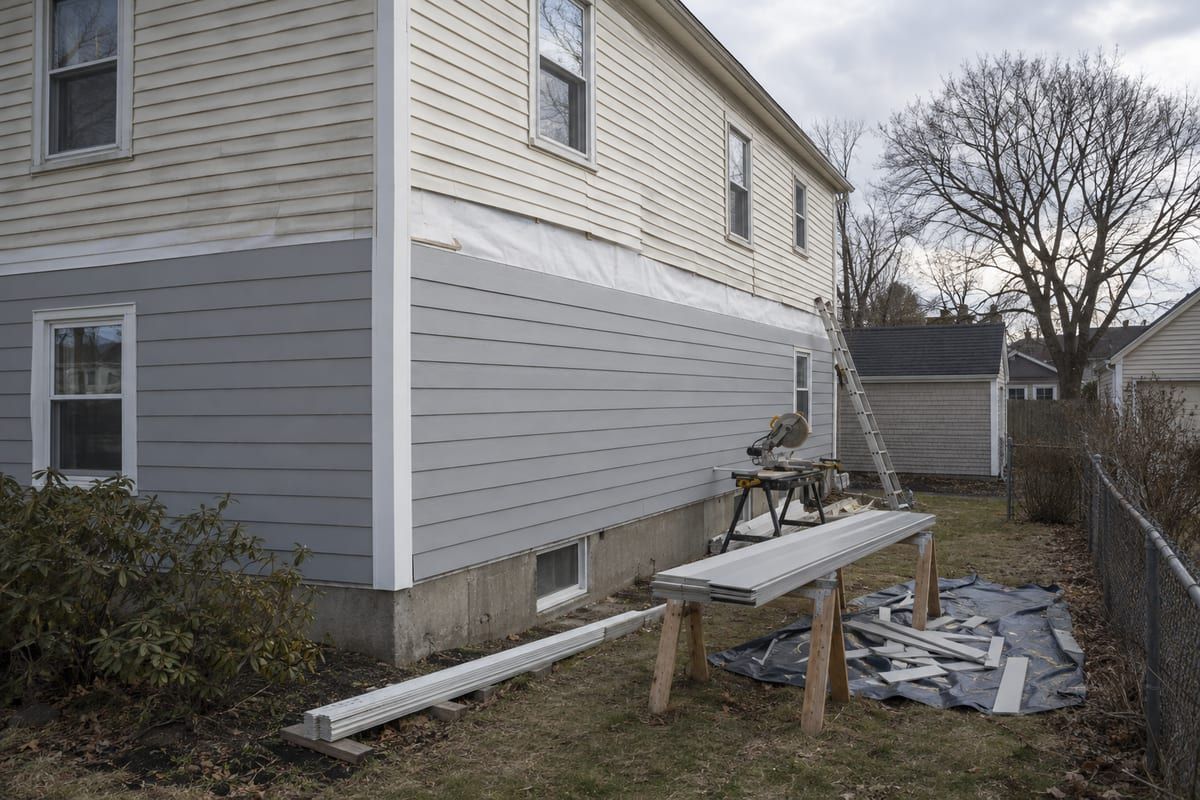
Siding Repair · Warwick & Rhode Island
Siding Repair in Warwick, RI
A branch that cracked one panel during the last storm. A section that's warped and pulling away from the wall. You don't need to reside the whole house for a problem that's isolated to one spot, and RTP Roofing will tell you that straight.
Free EstimateRTP-····-···· · Warwick Office
Free Estimate
RTP-····-····Warwick Office
Step 1 of 5 · About 1 Minute
What Does Your Home Need?
Pick the closest one. You don't need the right words for it.
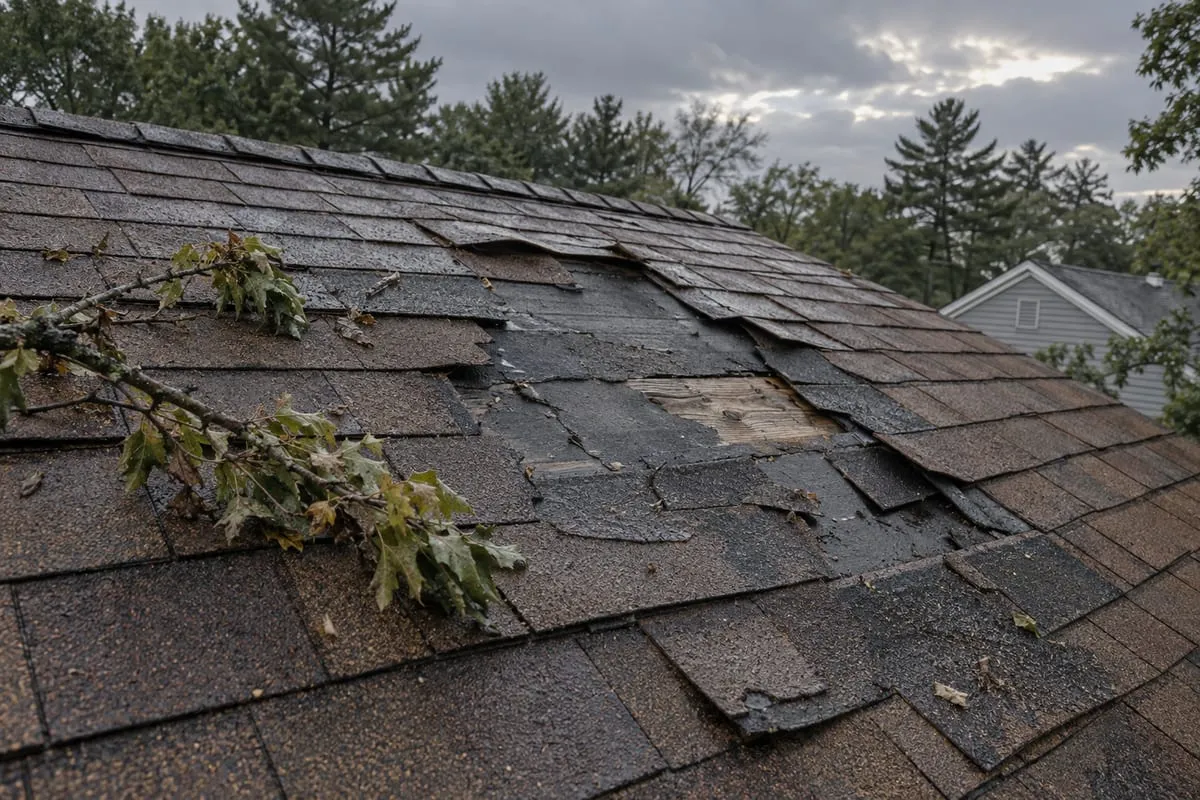 Something's Leaking or DamagedA stain on the ceiling, water in the attic, missing shingles.
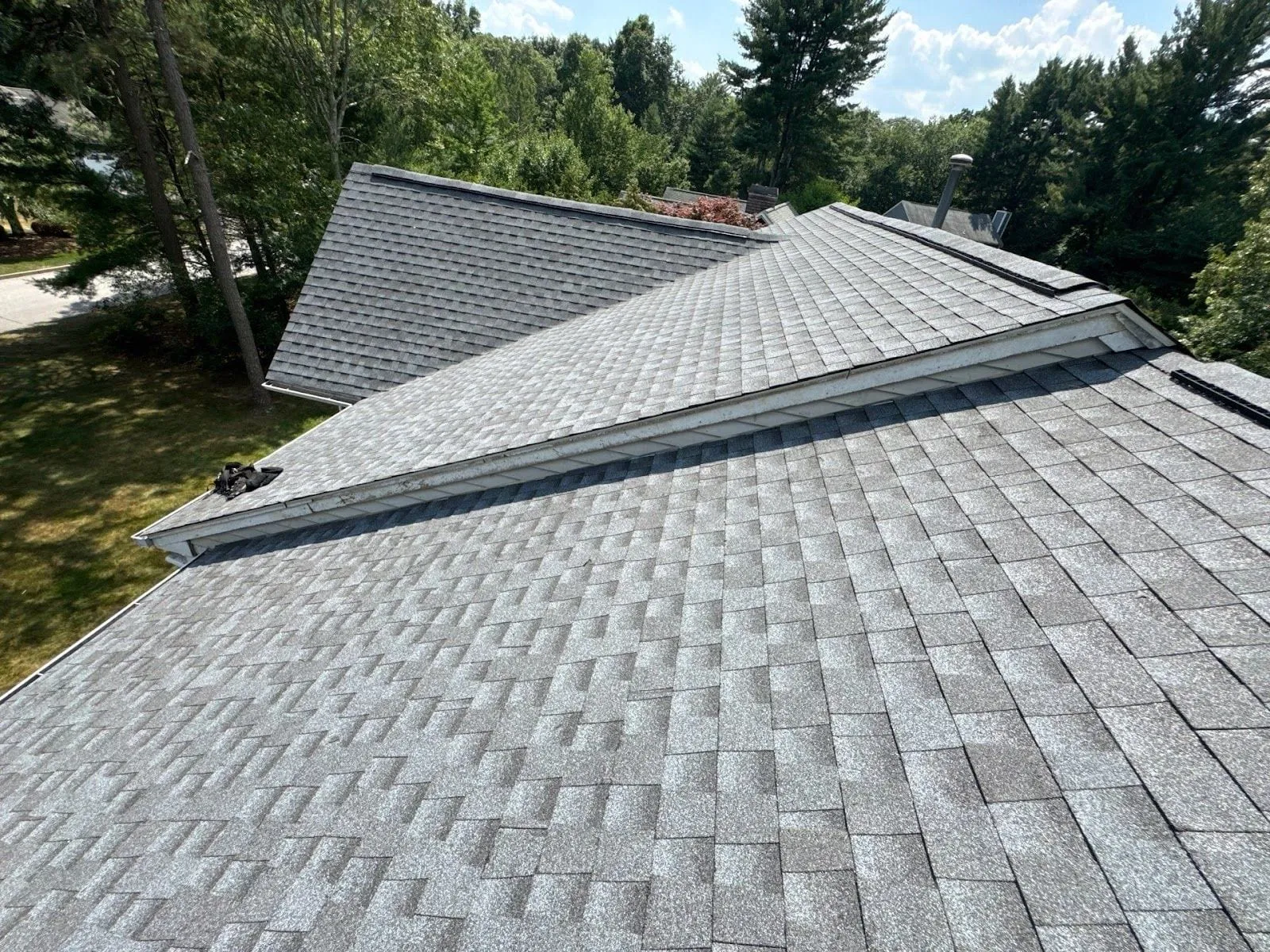 Old Roof, Weighing ReplacementCurling, bald spots, or it's just been a long time.
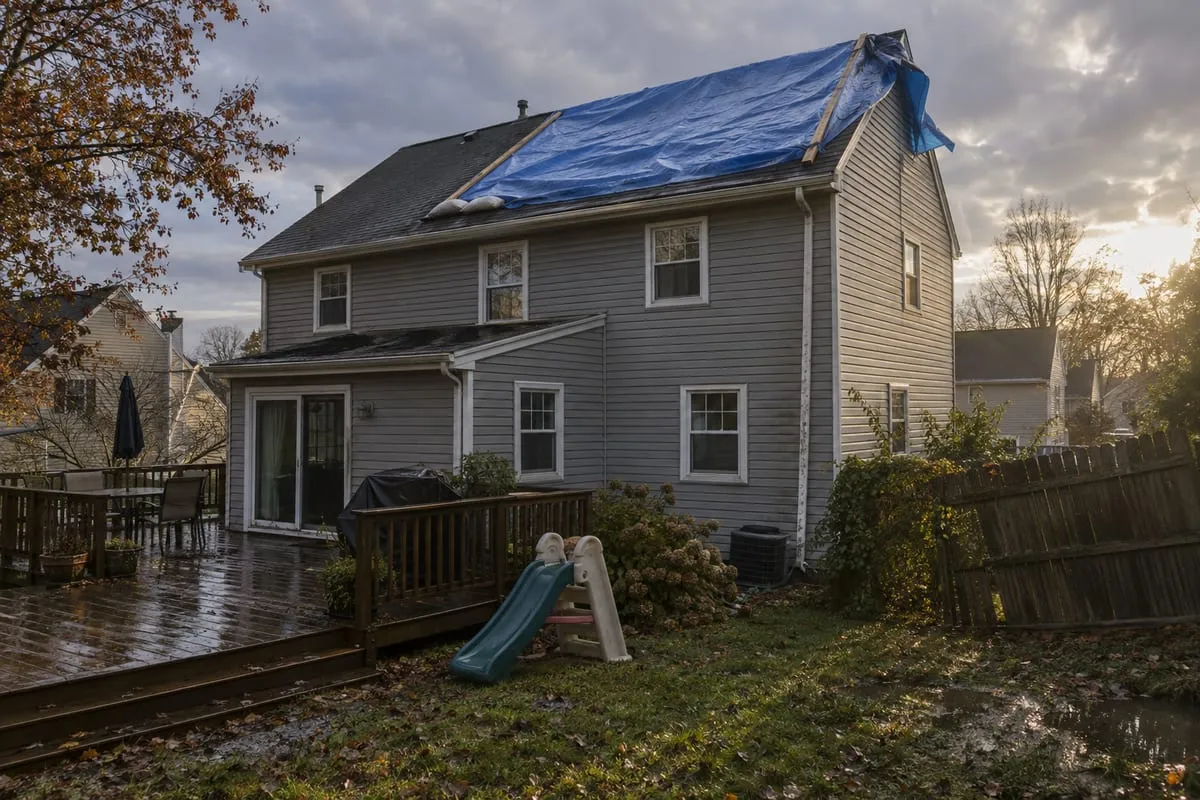 Storm DamageWind, a fallen limb, hail. Claim or no claim.
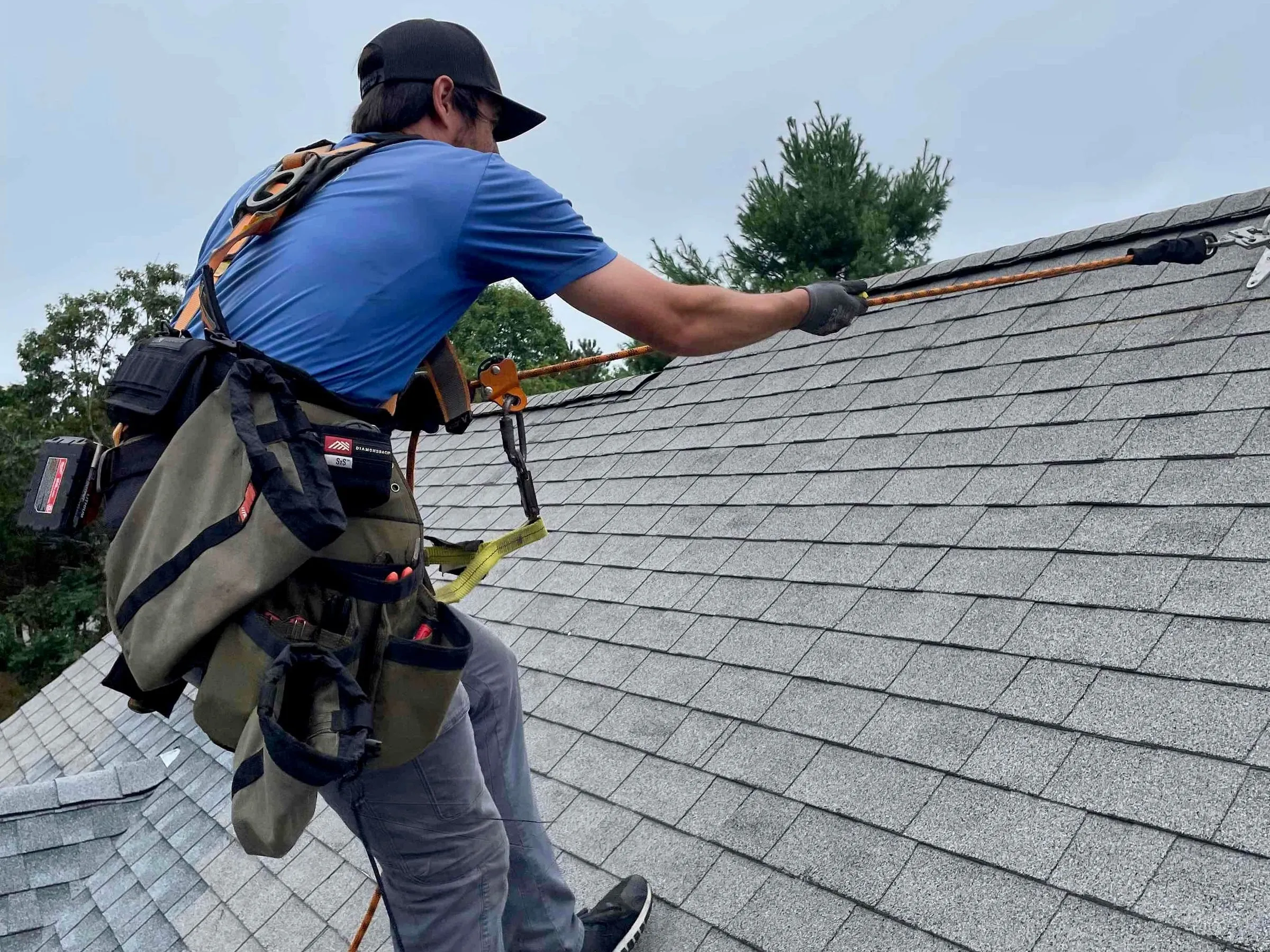 Not Sure, Need an InspectionAn inspection or a second opinion.
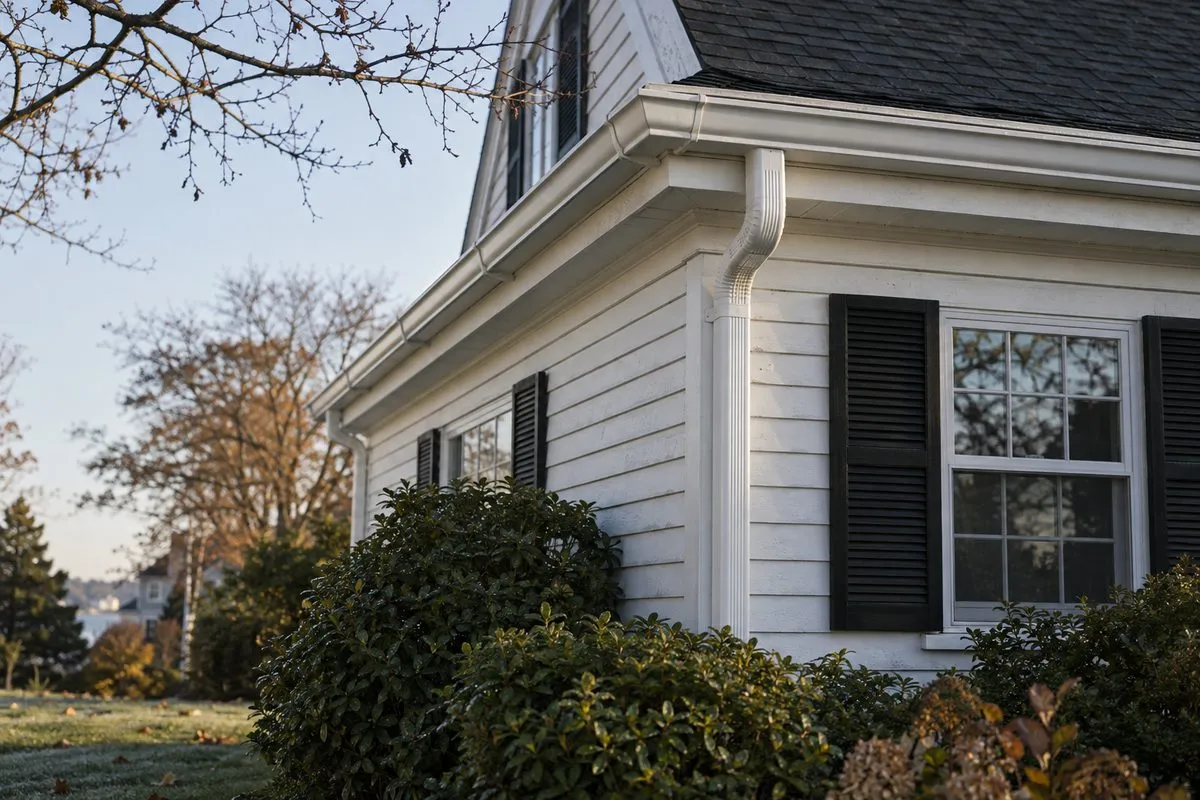 Gutters, Siding or ExteriorGutters, siding, trim, windows, skylights.
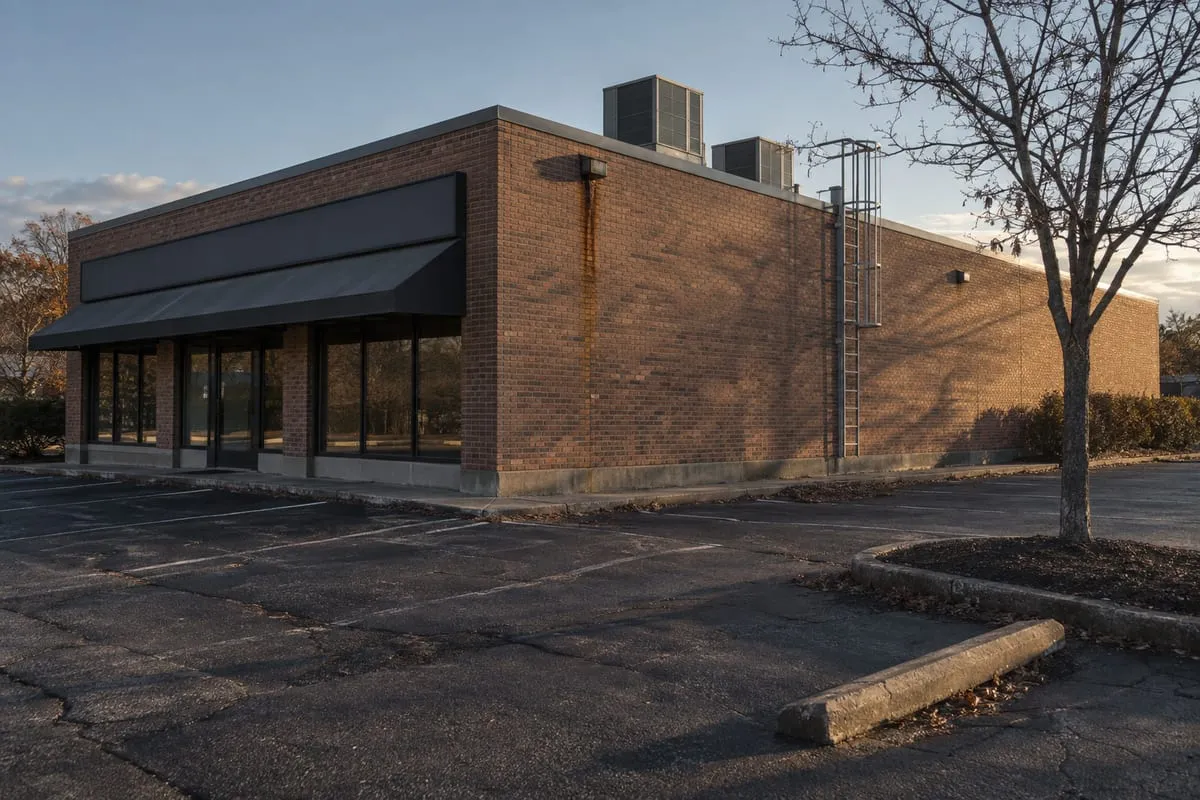 Commercial BuildingFlat or low-slope roofs, maintenance, replacement.
Where Are You Seeing It?
Pick the closest. We'll look at the rest on site.
How Old Is the Roof?
A rough guess is fine.
Have You Started an Insurance Claim?
Either way, we can take a look.
What's Behind the Inspection?
Pick the closest.
Which Part of the Exterior?
Pick the main one. Mention the rest at the end.
What Does the Building Need?
Flat and low-slope roofs included.
What Kind of Property Is It?
When Do You Want It Done?
Where Should We Reach You?
Request Sent
Reference RTP-····-····
We'll reach out from (401) 593-1512 during business hours. Need us sooner? Call that number any time.
Nothing is sent until you say so.
ContinueRather Talk?(401) 593-1512
- GAF Master Elite
GAF Master Elite® Certified contractor, Cert. #1111816.
- BBB A+
Accredited by the Better Business Bureau since September 29, 2022.
- RI GC-47694
Licensed and registered general contractor in Rhode Island, valid through September 19, 2027.
- GAF Golden Pledge
Extended manufacturer warranty available on qualifying installations. Coverage terms vary by product and installation.
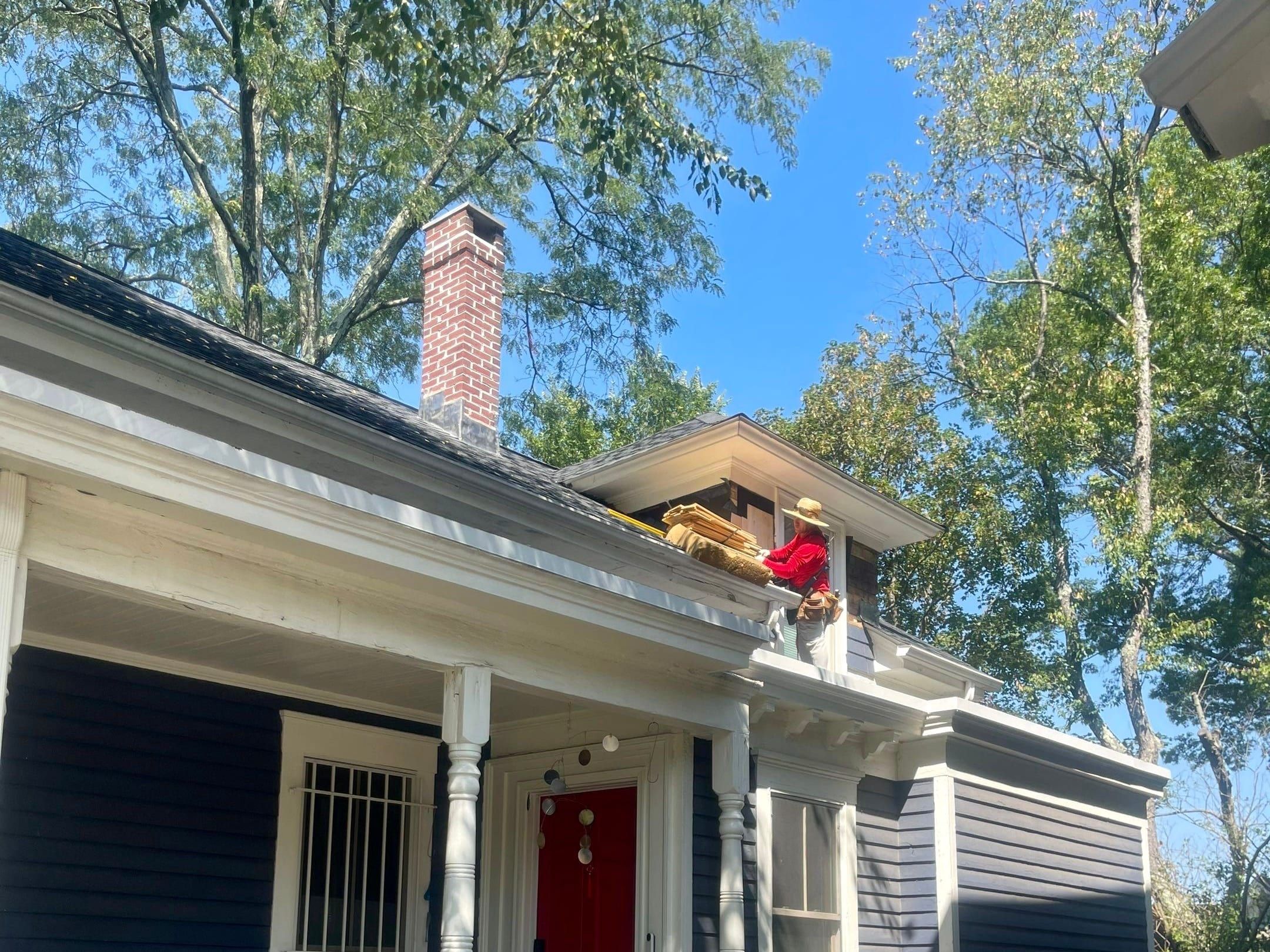
What's Actually Wrong With Your Siding
Siding takes a beating from Rhode Island weather year-round: salt air near the coast, freeze-thaw cycles in winter, and UV exposure through the summer. Most damage falls into a few categories, and knowing which one you have changes the fix:
- Cracks and holes. Impact from hail, a falling branch, or a stray ball can crack or puncture siding, letting moisture behind it.
- Warping and buckling. Trapped moisture, improper installation, or temperature swings can cause panels to warp, which usually means the section needs replacing, not just resealing.
- Fading and discoloration. Years of sun exposure can fade siding unevenly, especially on the south and west sides of a house.
- Loose or missing panels. High wind can pop panels loose or tear them off entirely, leaving the wall exposed.
- Open or failing seams. Panels that have pulled apart at the joints, or trim around windows and doors that's separated from the wall, both give wind-driven rain a direct path behind the siding.
We'll tell you which of these you're dealing with and whether it's a repair or a sign the whole run needs replacing.
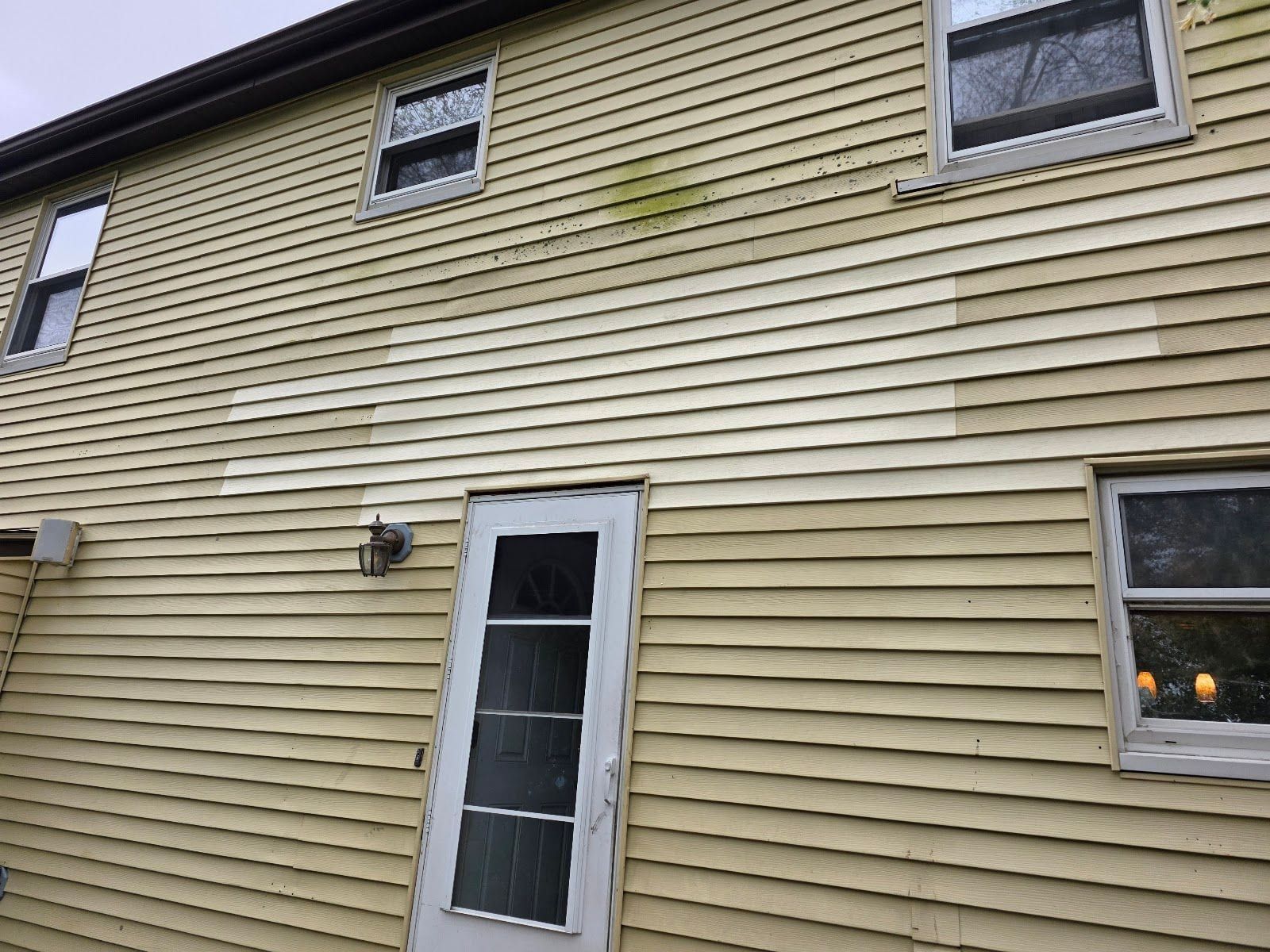
What A Siding Repair Actually Involves
A repair isn't just popping in a new panel and moving on. The steps that actually protect your wall:
- Inspect the full elevation, not just the damaged spot. Wind and impact damage often isn't limited to the one panel that's obviously cracked. We walk the whole wall the damage is on.
- Open the area and check what's behind it. Vinyl and fiber cement panels lock into the courses above and below them, so removing one usually means unlocking a few neighbors first. Once it's open, we check the house wrap or building paper and the sheathing underneath for moisture staining or soft spots, since that's the damage a homeowner can't see from the ground.
- Source matching material. We try to match your existing siding's brand, profile, and color first. On older siding that's faded or been discontinued, we'll show you the closest available option rather than guessing and hoping it blends.
- Cut, fit, and fasten to spec. Panels are installed to hang, not nail, tight, with room to expand and contract with temperature, and trim and flashing around the repair are tied back in so water sheds the way it's supposed to.
- Reseal and inspect. Seams and transitions get sealed where the material calls for it, and we walk the finished repair with you before we call it done.
Skipping the "check what's behind it" step is the most common way a small, cheap repair turns into a bigger, more expensive one a year later, once trapped moisture has had time to work on the sheathing.
The RTP Roofing Difference
We're RI-registered (GC-47694). We match repaired sections to your existing siding wherever possible, so a repair doesn't stand out as an obvious patch. If storm damage caused it, see our storm damage and insurance claims page for how we help document it for your insurer.
Because we're a roofing contractor first, we also check the places where your siding meets your roofline, gutters, and window and door trim, the transitions where a lot of hidden leaks actually start, rather than treating the damaged panel as an isolated problem. If we find a gutter that's dumping water straight down a wall, or window trim that's pulled away and letting water behind the siding next to it, we'll flag it rather than repair one and ignore the other.
Why A Repair Often Makes More Sense Than A Full Re-Side
Not every damaged section needs a whole-house solution. If the damage is isolated, one or two panels from a fallen branch, a corner that took wind damage, a repair that matches the surrounding material protects your home without the cost or disruption of a full siding installation. We'll tell you plainly when a repair is enough, and just as plainly when the damage points to a bigger problem underneath.
A repair tends to make sense when the damage is contained to one or two elevations, the existing siding is still structurally sound everywhere else, and a matching or close-enough replacement panel is available. Replacement is usually the better call when damage is spread across multiple walls, when panels are warping or buckling in more than one spot (a sign of a moisture problem behind the whole run, not just one panel), or when the siding is old enough that a repaired section will visibly mismatch the rest no matter what we do.
We also check what's behind the damaged panel before we close it back up. A crack or hole that's let moisture in for a while can mean the house wrap or sheathing behind the siding needs attention too, not just the visible panel. Skipping that check is how a small repair turns into a bigger problem a year later.
Repair Materials: Matching What You Have, Or Upgrading
Most repairs use the same material as your existing siding, since matching an existing wall is almost always cheaper and less disruptive than reworking an entire elevation in a new material. The three you'll most likely be choosing between:
- Vinyl. The most common siding material on Rhode Island homes and usually the easiest and fastest to repair, since individual panels snap in and out of the courses above and below them. It's low-maintenance and holds up well, but it's also the material most prone to visible cracking from a hard impact and the most likely to show a slight color mismatch on an older, sun-faded wall.
- Fiber cement (e.g., James Hardie). A cement-and-fiber composite that's noncombustible, and resists pests well since there's no wood for them to get into. It holds paint and color longer than vinyl, but it's heavier to work with than vinyl.
- Wood. Still found on older homes and gives the most natural, paintable finish, but it needs the most upkeep, repainting or resealing on a regular cycle, and it's the material most vulnerable to rot if moisture gets behind it and sits.
If your existing siding is vinyl or fiber cement and a matching panel is available, we'll default to matching it. If the damaged run is wood and showing rot in more than one spot, that's usually a sign to talk about a longer-term material change rather than another wood repair, and we'll walk you through the honest tradeoffs before you decide.
How it works
- Step 1
Inspection
We identify every damaged section and check what's behind it for moisture or further deterioration before recommending a fix.
- Step 2
Material Match
We source siding that matches your existing color and profile as closely as possible, since an obvious mismatch defeats the point of a repair.
- Step 3
Repair or Panel Replacement
We repair or replace only the affected sections, protecting the surrounding siding and landscaping while we work.
- Step 4
Final Inspection
We walk the repaired area with you to confirm it's sealed correctly and blends with the rest of your home's exterior.
Questions
Frequently asked questions
Can you match my existing siding color and style?
We work to source as close a match as possible, though exact color matches can be difficult on older siding that's faded over time. We'll show you options before we order material.
Is siding repair covered by insurance if a storm caused it?
Sometimes. We can document the damage and help you through the claims process. See our storm damage and insurance claims page for details.
How do I know if I need a repair or full siding replacement?
Isolated cracks, holes, or a handful of loose panels are usually repairable. Widespread warping, fading, or damage across multiple walls usually points to full replacement being the better investment.
How fast can you fix storm-damaged siding?
We prioritize damage that's exposing your home's wall to the weather. Call (401) 593-1512 and we'll tell you how quickly we can get to it based on the extent of the damage.
What happens if the damaged siding is discontinued or unavailable?
On older homes, an exact match isn't always possible. We'll show you the closest available option and talk through whether a small mismatch on one wall is acceptable or whether a broader section should be replaced to keep it uniform.
Do you check for damage I can't see, like behind the siding?
Yes. Before we close up a repaired panel, we check the house wrap and sheathing behind it for moisture staining or soft spots. That's the damage that turns a small repair into a bigger one if it's missed.
Can vinyl and fiber cement siding both be spot-repaired, or does it have to be a full wall?
Both can usually be spot-repaired if the damage is limited to a section and a matching panel is available. Fiber cement is heavier to work with than vinyl, but the repair itself is still section by section, not the whole wall.
Serving Rhode Island
- Siding repair in Barrington
- Siding repair in Bristol
- Siding repair in Burrillville
- Siding repair in Central Falls
- Siding repair in Charlestown
- Siding repair in Coventry
- Siding repair in Cranston
- Siding repair in Cumberland
- Siding repair in East Greenwich
- Siding repair in East Providence
- Siding repair in Exeter
- Siding repair in Foster
- Siding repair in Glocester
- Siding repair in Hopkinton
- Siding repair in Jamestown
- Siding repair in Johnston
- Siding repair in Lincoln
- Siding repair in Little Compton
- Siding repair in Middletown
- Siding repair in Narragansett
- Siding repair in New Shoreham
- Siding repair in Newport
- Siding repair in North Kingstown
- Siding repair in North Providence
- Siding repair in North Smithfield
- Siding repair in Pawtucket
- Siding repair in Portsmouth
- Siding repair in Providence
- Siding repair in Richmond
- Siding repair in Scituate
- Siding repair in Smithfield
- Siding repair in South Kingstown
- Siding repair in Tiverton
- Siding repair in Warren
- Siding repair in Warwick
- Siding repair in West Greenwich
- Siding repair in West Warwick
- Siding repair in Westerly
- Siding repair in Woonsocket
Serving Massachusetts
- Siding repair in Attleboro
- Siding repair in Bellingham
- Siding repair in Blackstone
- Siding repair in Bridgewater
- Siding repair in Brockton
- Siding repair in Dartmouth
- Siding repair in Easton
- Siding repair in Fall River
- Siding repair in Foxborough
- Siding repair in Franklin
- Siding repair in Mansfield
- Siding repair in Middleborough
- Siding repair in Milford
- Siding repair in New Bedford
- Siding repair in North Attleborough
- Siding repair in Norton
- Siding repair in Plymouth
- Siding repair in Rehoboth
- Siding repair in Seekonk
- Siding repair in Somerset
- Siding repair in Swansea
- Siding repair in Taunton
- Siding repair in Uxbridge
- Siding repair in Wareham
- Siding repair in Westport
- Siding repair in Worcester
Back to Additional exterior services
Get A Straight Answer On Your Siding Repair
Request a free estimate or call (401) 593-1512. We'll tell you whether it's a repair or a bigger job before we talk price.