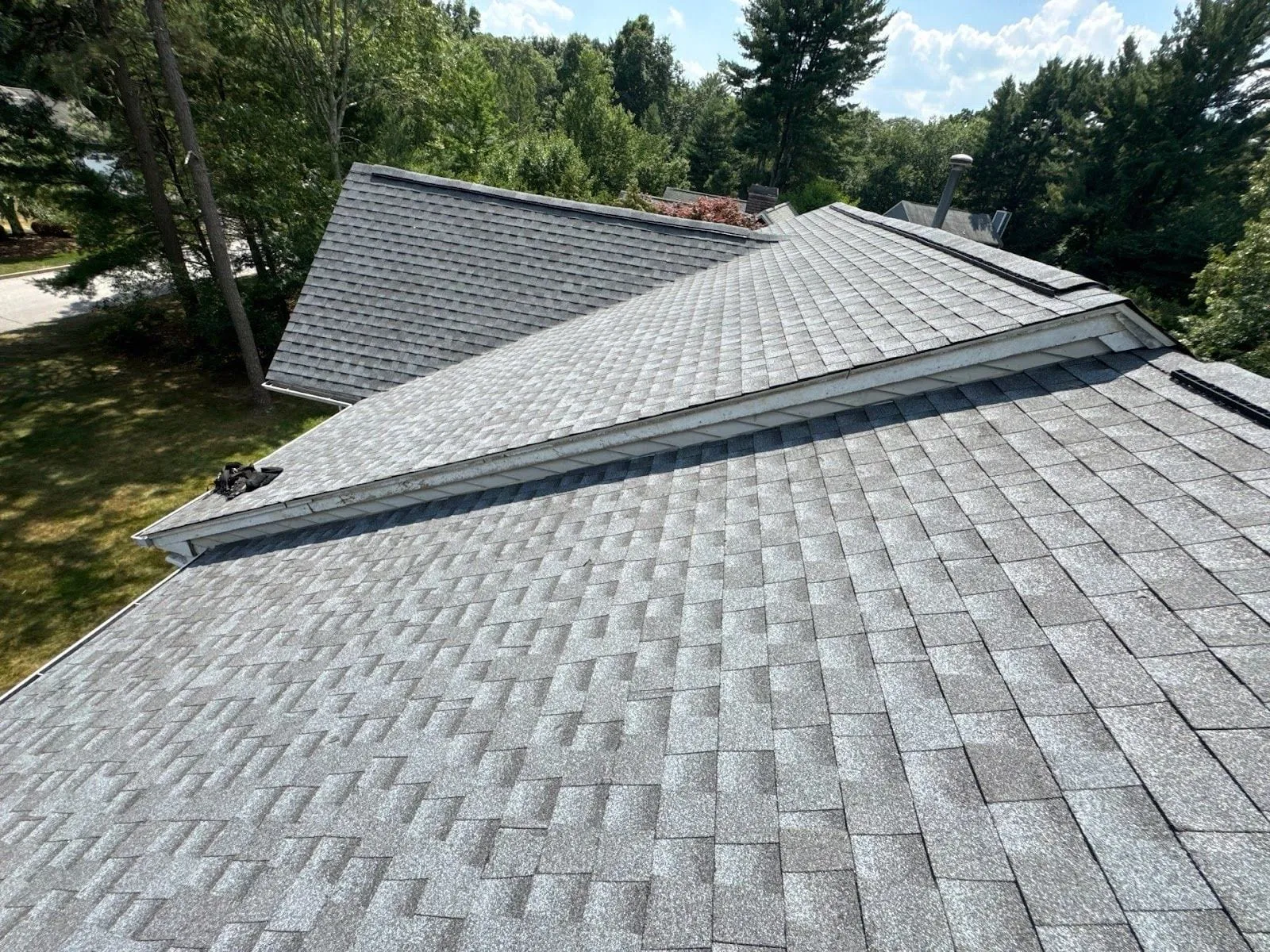
There is a brown stain on the ceiling next to the chimney, or the wall beside the fireplace is damp after a storm. The chimney is the obvious suspect, and it should be. A chimney is a big hole in the roof with a tower on top, and water has plenty of ways in.
The trouble is that "chimney leak" covers several different problems that belong to different trades. The wrong repair does not stop the water. This post helps you sort out which kind of leak you are most likely dealing with, what a proper flashing repair includes, and who to call.
Where the Water Shows Up
Start by writing down where you see it. The location is the first clue.
- A stain on the ceiling or wall beside the chimney, or drips in the attic near the chimney framing, point toward the roof and the flashing.
- Water inside the fireplace, on the damper or the smoke shelf, or white powder on the brick, point toward the chimney itself, such as the crown, cap, mortar or flue.
- Damp that shows up along a wall that runs up to the chimney may be from either.
Then note when it happens. A leak that only appears in heavy rain with the wind pushing the rain sideways behaves differently from one that drips in any rain, and one that appears after a thaw may be melting snow finding a path. Our post on leaks that only show up in wind-driven rain explains why that clue matters.
Water also travels. The stain is often not directly under the opening, so treat the spot as a starting point, not a diagnosis. Our roof leak repair guide covers tracing a leak in general.
The Usual Suspects
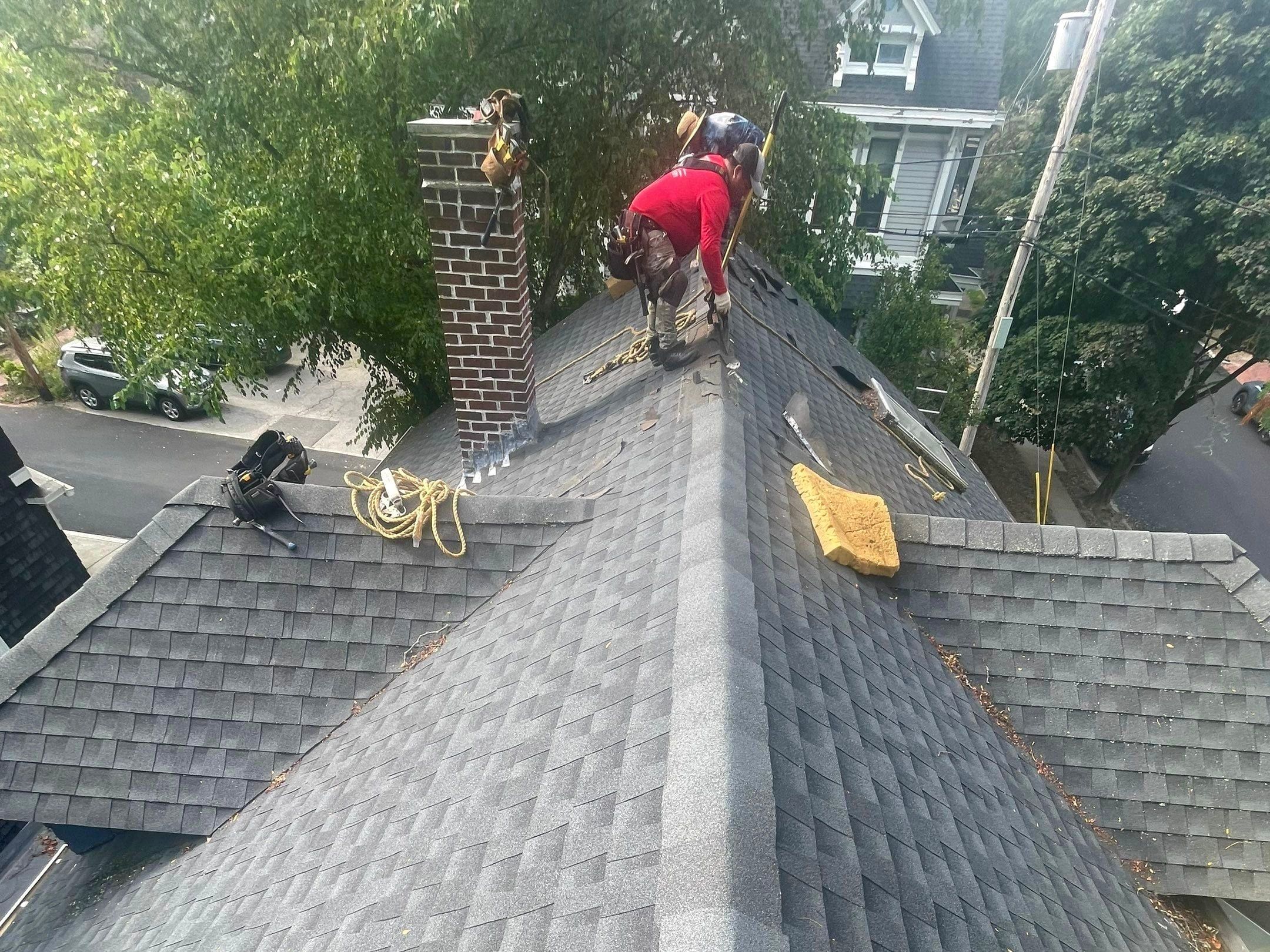
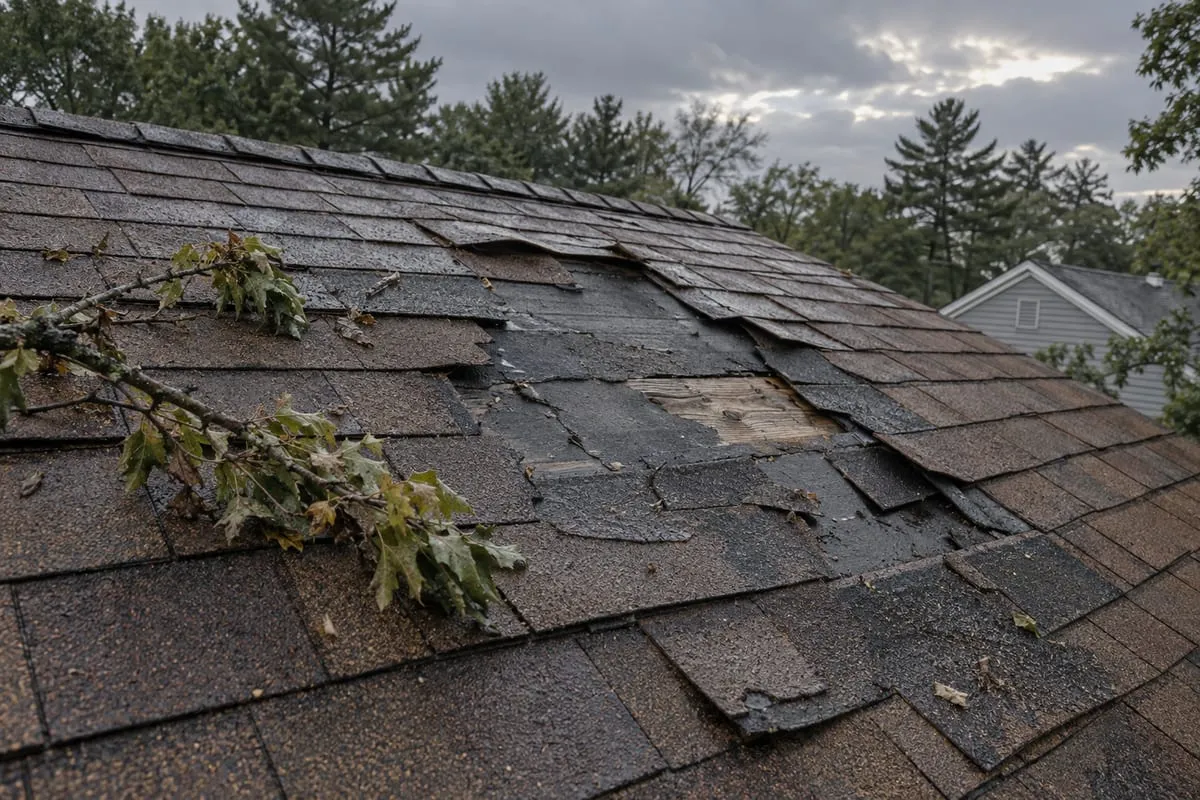
Flashing. This is the metal that seals the joint between the chimney and the roof. It is a common source, and it fails by rusting, bending, pulling away from the brick, or losing its sealant. Signs are metal that looks loose or rusted where the chimney meets the shingles, gaps in the sealant, and stains right beside the chimney.
Crown. The crown is the slab of cement on top of the chimney that sheds water away from the flue. Freeze and thaw cycles can crack it. A cracked crown lets water into the masonry, and the signs are visible cracks on top, damp brick high on the chimney, and water inside the flue.
Masonry. Brick and mortar absorb water over time. Crumbling or open mortar joints, flaking bricks and white mineral deposits mean water is getting into the brick itself.
Cap, flue or liner. A rusted or missing cap lets rain straight down the flue. A cracked flue liner can let moisture through into the walls around it. A chimney sweep can inspect these.
Condensation. This one fools people. A cold chimney can collect moisture on its inside surfaces when warm, humid air meets them, and the water can appear as damp patches or drips that look like a roof leak. A clue is that it tends to show up in cold weather and does not follow the rain. It is a clue, not proof, so do not rule out a real leak on that alone.
Some of these overlap. Failed flashing can soak the upper brick, so wet brick does not by itself point at the masonry.
What You Can Check Without Going Up
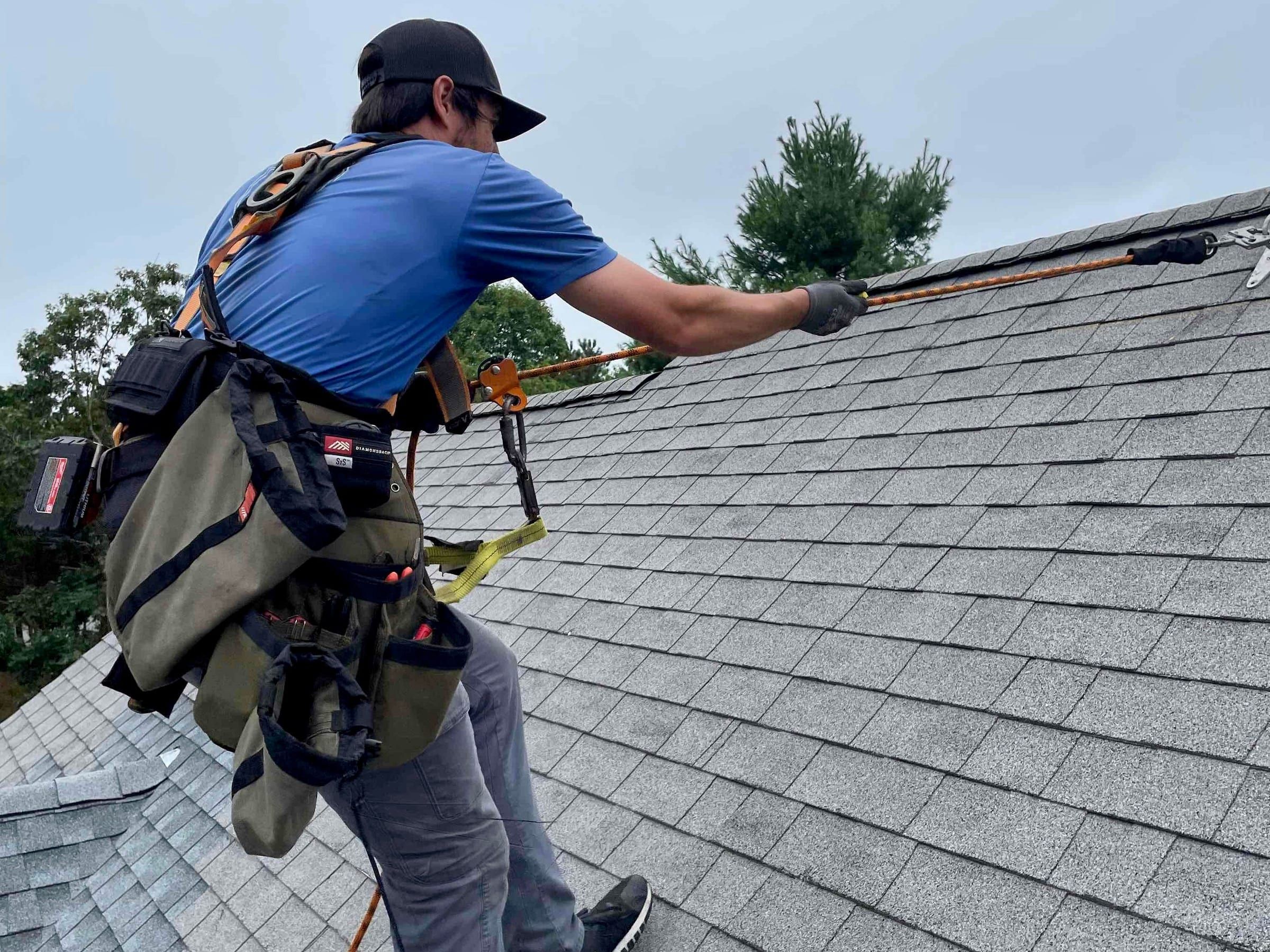
Stay off the roof and off the ladder. A chimney sits at the highest and steepest part of a lot of roofs, and winter makes it worse.
- From the ground, with binoculars, look at where the chimney meets the roof for metal that is lifted, rusted or hanging, and for flashing that is just a smear of tar or sealant.
- Look at the top for a cracked crown, a missing cap, and brick or mortar that is crumbling.
- From the attic hatch, with a flashlight, look at the framing around the chimney for dark stains, wet insulation or daylight at the edge. Look from the hatch only, and never put weight on the drywall between the joists.
- Inside, look at the ceiling, the walls beside the chimney, and the firebox for staining and for white deposits on the brick.
Take dated photos. If water is near a light fixture, outlet or switch, do not touch it and call an electrician. If you see smoke or flames, smell gas or a carbon monoxide alarm goes off, get everyone out of the house and call 911 from outside before anything else.
What a Proper Flashing Repair Includes
Good chimney flashing is built in layers that shed water downhill, each piece lapping over the one below it.
Step flashing runs up each side of the chimney. These are L-shaped pieces, one per shingle course, that tuck under the shingles and turn up against the brick.
Counterflashing goes over the top of the step flashing. It is set into the mortar joints of the chimney, not just stuck to the face of the brick, and it folds down over the step flashing so water runs off it onto the roof. Surface sealant alone is a weaker version of the same job.
Front and back flashing. The low side of the chimney gets an apron that runs across the front. The high side gets flashing too, and this is the side where water collects.
A cricket. On a wider chimney, water rushing down the roof piles up behind it and has to find a way around. A cricket, sometimes called a saddle, is a small peaked structure on the high side that sends the water to either side. It is flashed and shingled like the rest of the roof.
When a roofer tells you the flashing needs work, a reasonable question is which of these pieces are being repaired or replaced and what the shingles around them will look like afterward. Flashing that has rusted or lifted usually means replacing it, not smearing on more sealant. Because counterflashing sits in the mortar, the repair sometimes involves cutting into the mortar joint and re-sealing it.
Who to Call
The right trade follows the source.
- A roofer for flashing, step flashing, a cricket, and shingles around the chimney. A roofing repair covers that work.
- A mason for a cracked crown, open mortar joints and damaged brick.
- A chimney sweep for the cap, the flue and the liner, including a camera inspection where one is needed.
If you are not sure which is the problem, start with the roofer. A roof inspection looks at the whole area, and the roofer can tell you if the flashing is the cause or if the mason or sweep should come next. Do not hire three trades at once to chase the same stain. Ask each to tell you what they found and what they think is not theirs to fix.
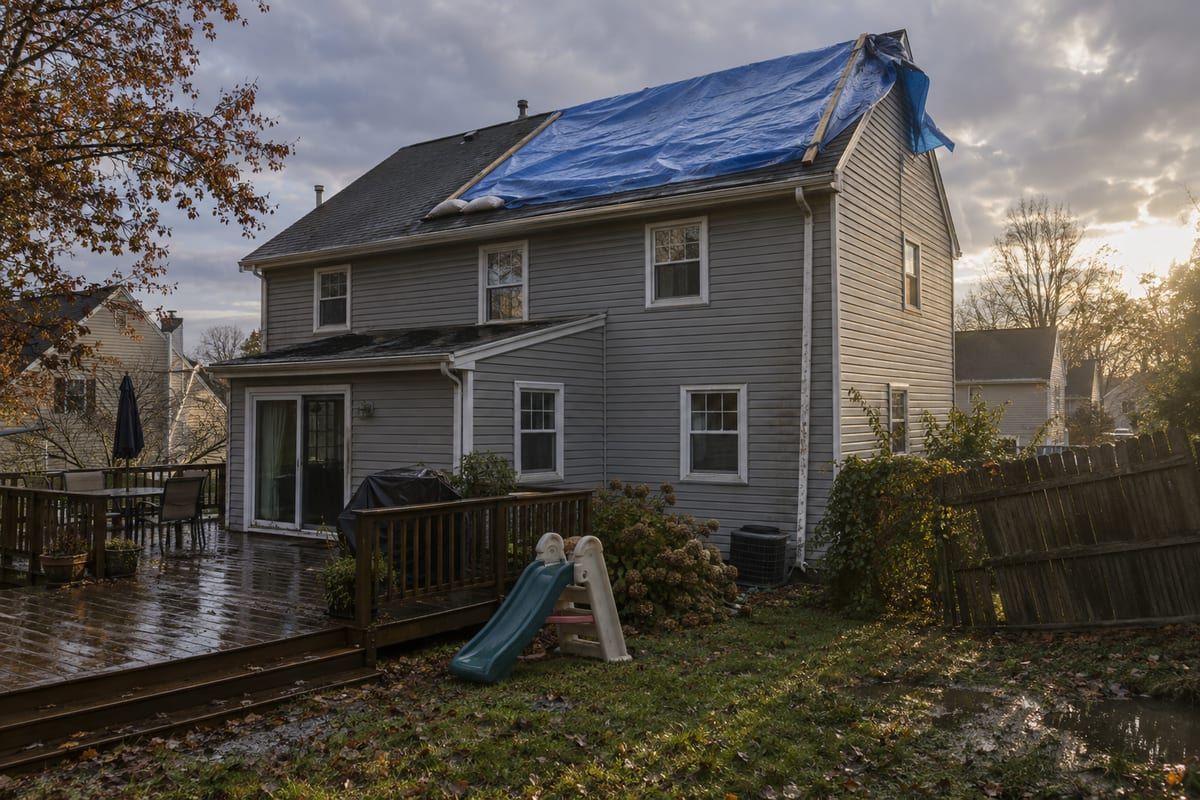
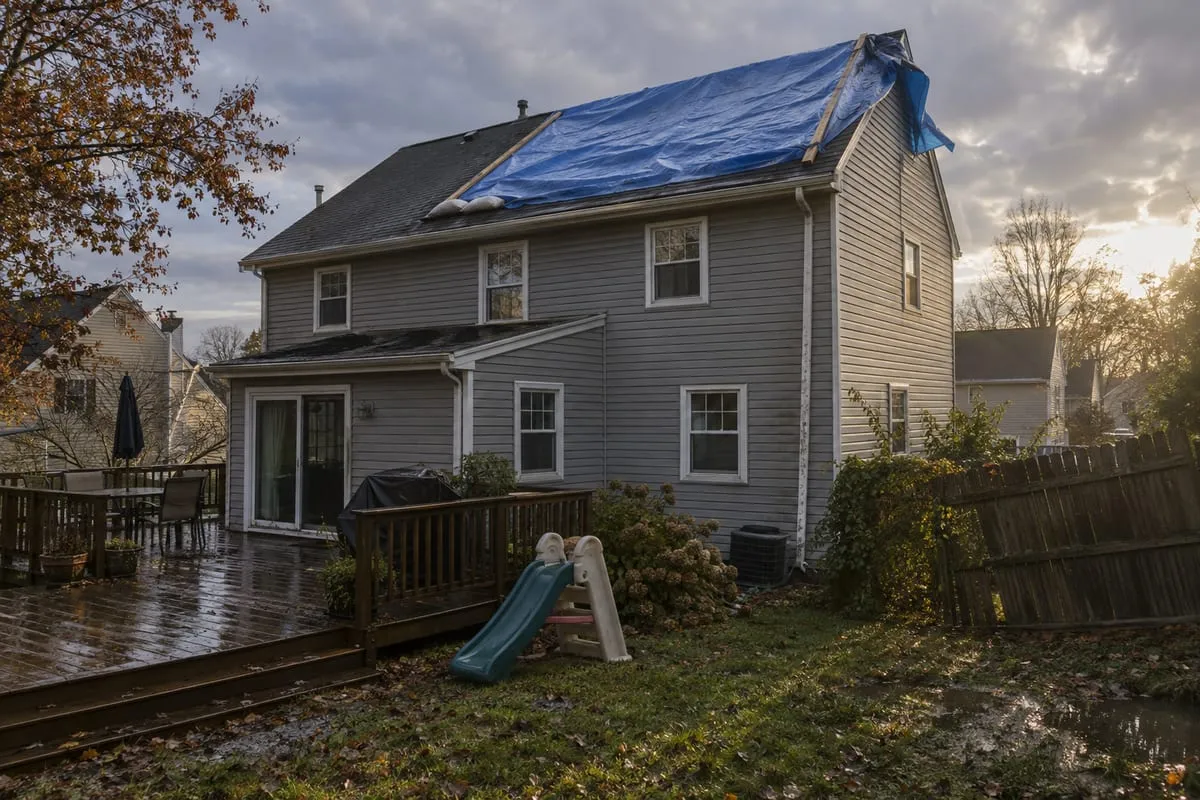
If water is coming in now, ask about temporary protection while you wait for dry weather. Our emergency restoration work page describes what that involves. Do not climb up and tarp the chimney yourself.
Questions Worth Asking Before You Hire
- Is the leak coming from the flashing, or did you see signs of a crown, mortar or flue problem as well?
- Will the counterflashing be set into the mortar, or sealed on the surface?
- Does my chimney need a cricket?
- Who repairs the part you are not fixing, and should that work happen first?
RTP Roofing is a roofing contractor in Warwick, Rhode Island. If you can tell us where the water shows up and when, we can help work out whether it is a roofing job. You can request an estimate to have the roof looked at.