
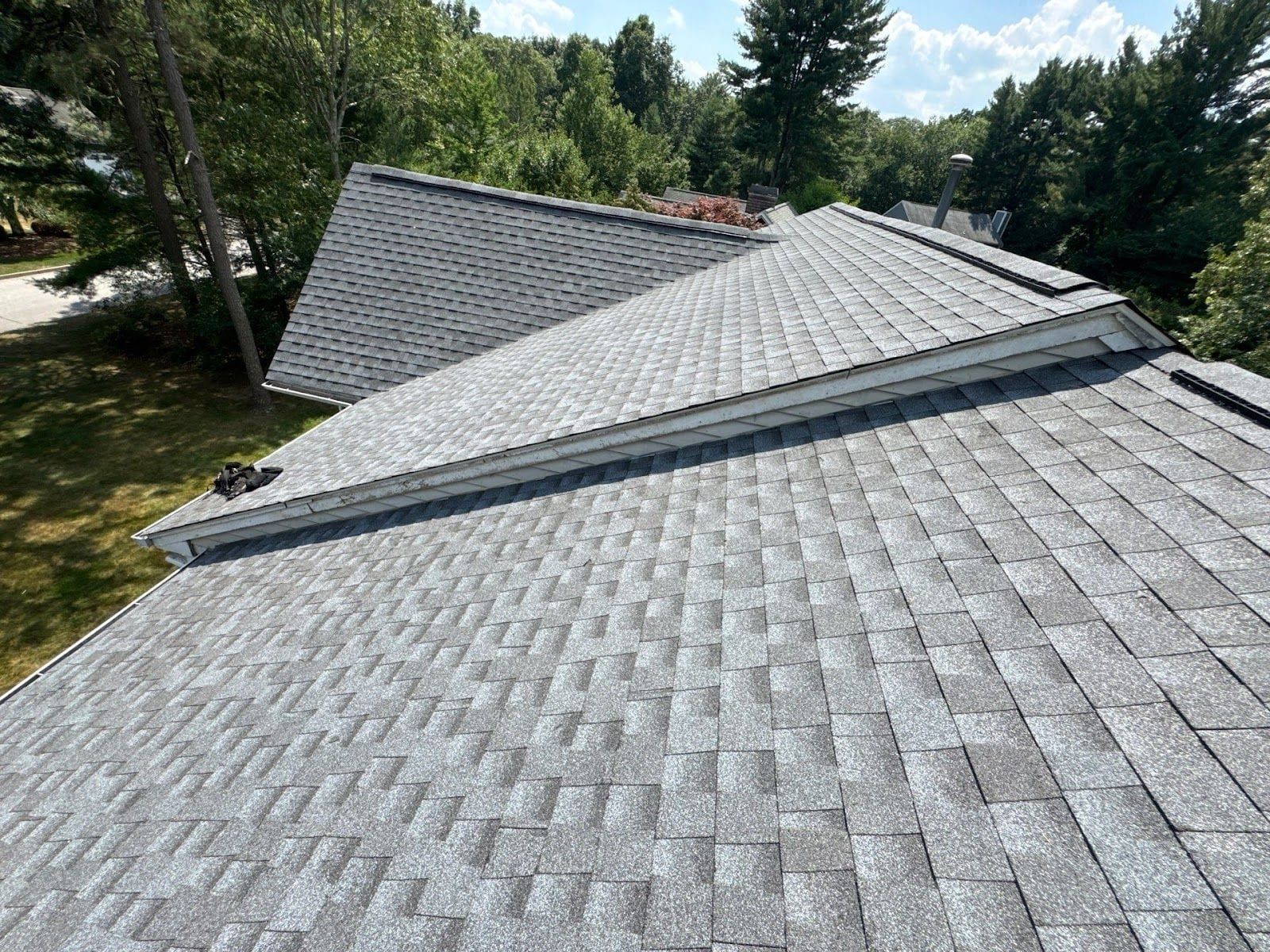
Roofing Guide · New England
Asphalt Shingle vs. Metal Roofing For New England Homes
Both materials can do the job. The honest question isn't which one is better, it's which one is right for your roof, your budget, and how long you plan to own the house. Here's how to think it through.
Free EstimateRTP-····-···· · Warwick Office
Free Estimate
RTP-····-····Warwick Office
Step 1 of 5 · About 1 Minute
What Does Your Home Need?
Pick the closest one. You don't need the right words for it.
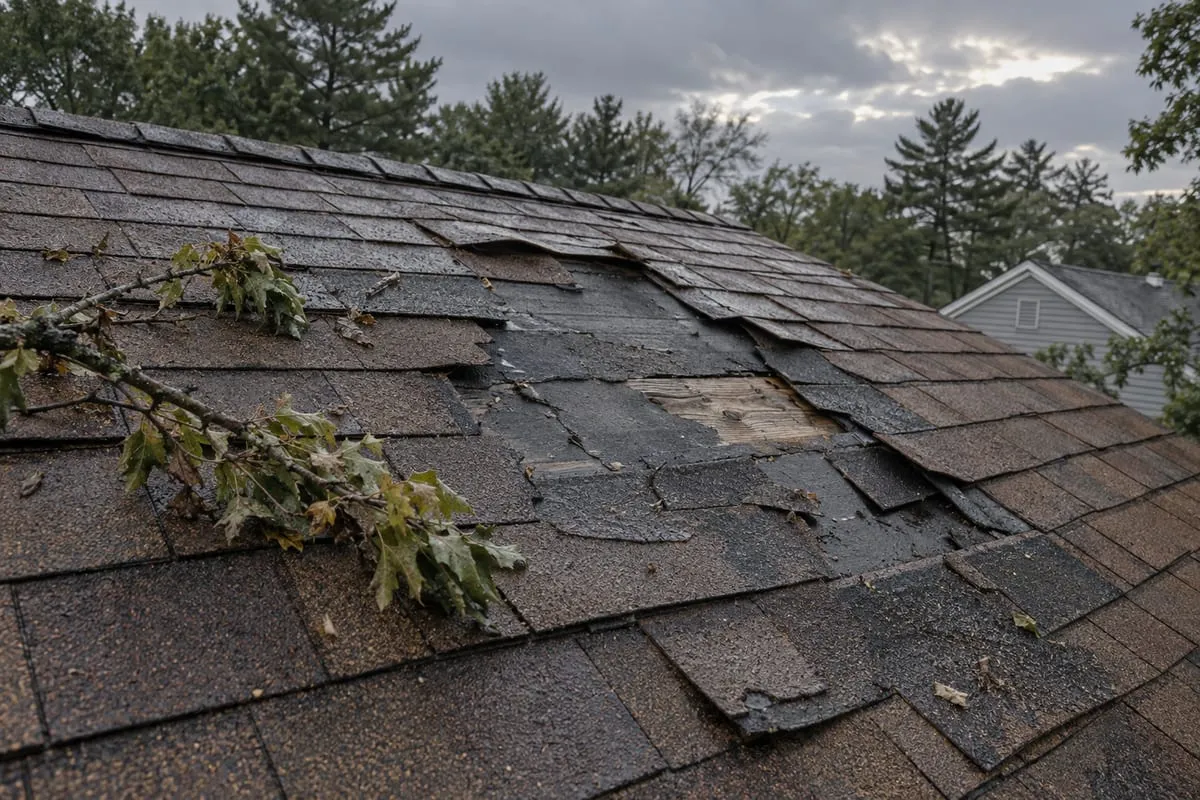 Something's Leaking or DamagedA stain on the ceiling, water in the attic, missing shingles.
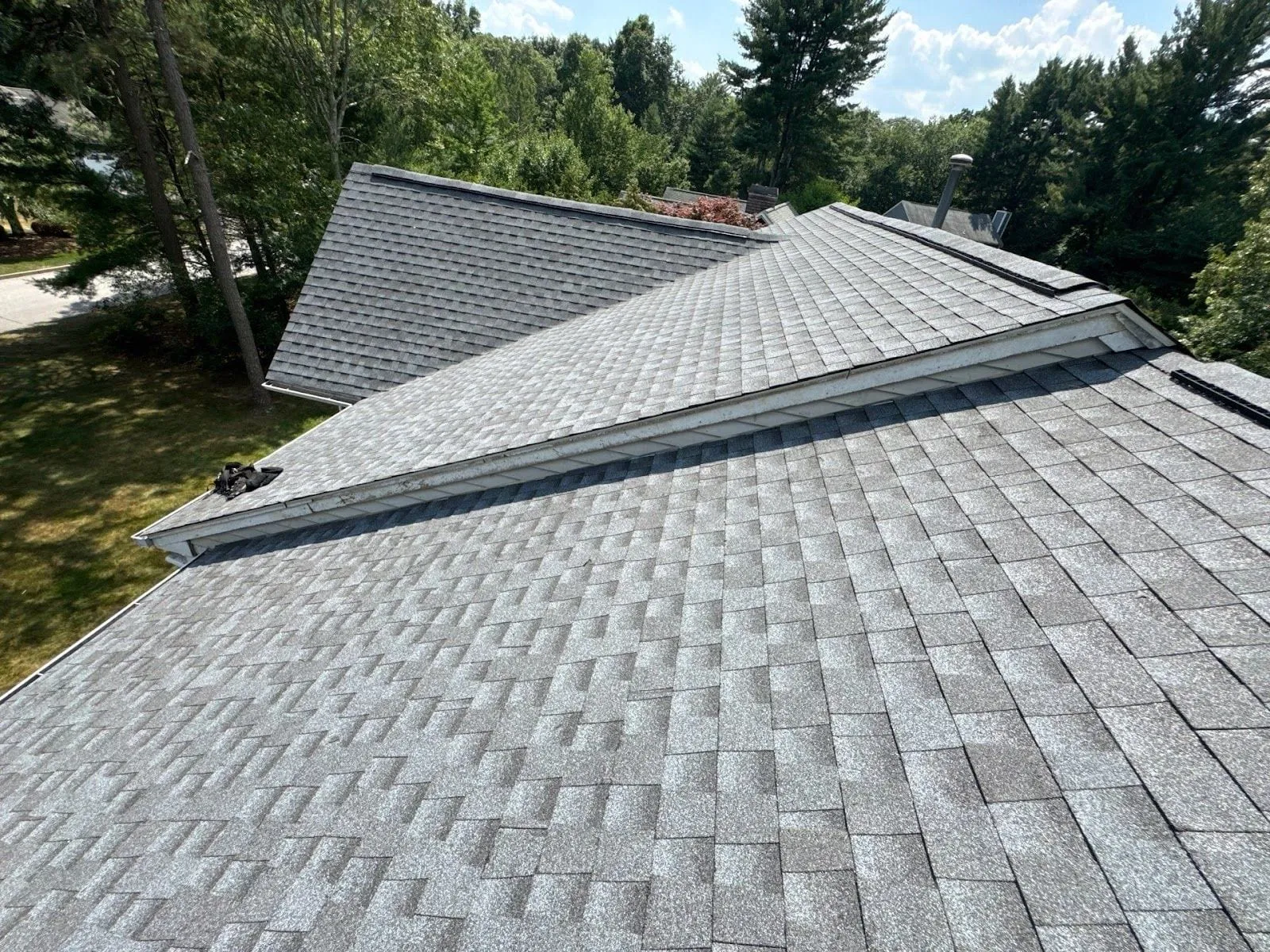 Old Roof, Weighing ReplacementCurling, bald spots, or it's just been a long time.
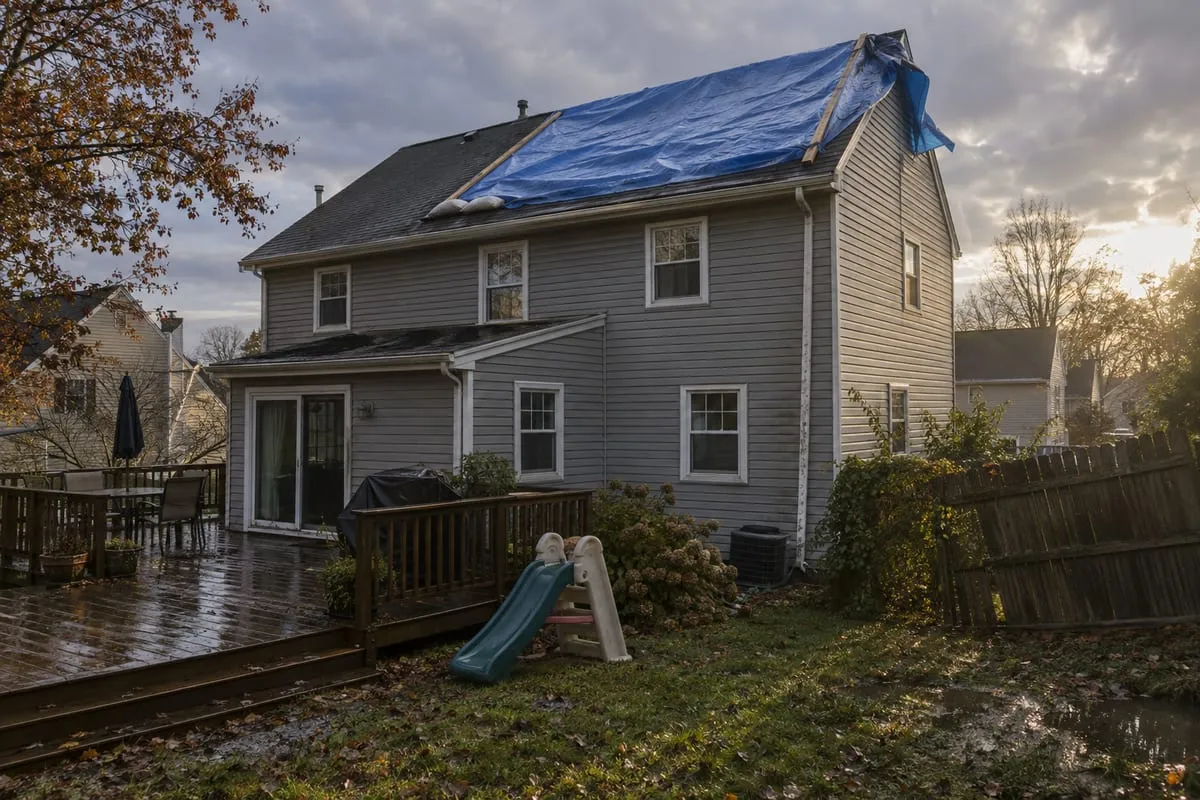 Storm DamageWind, a fallen limb, hail. Claim or no claim.
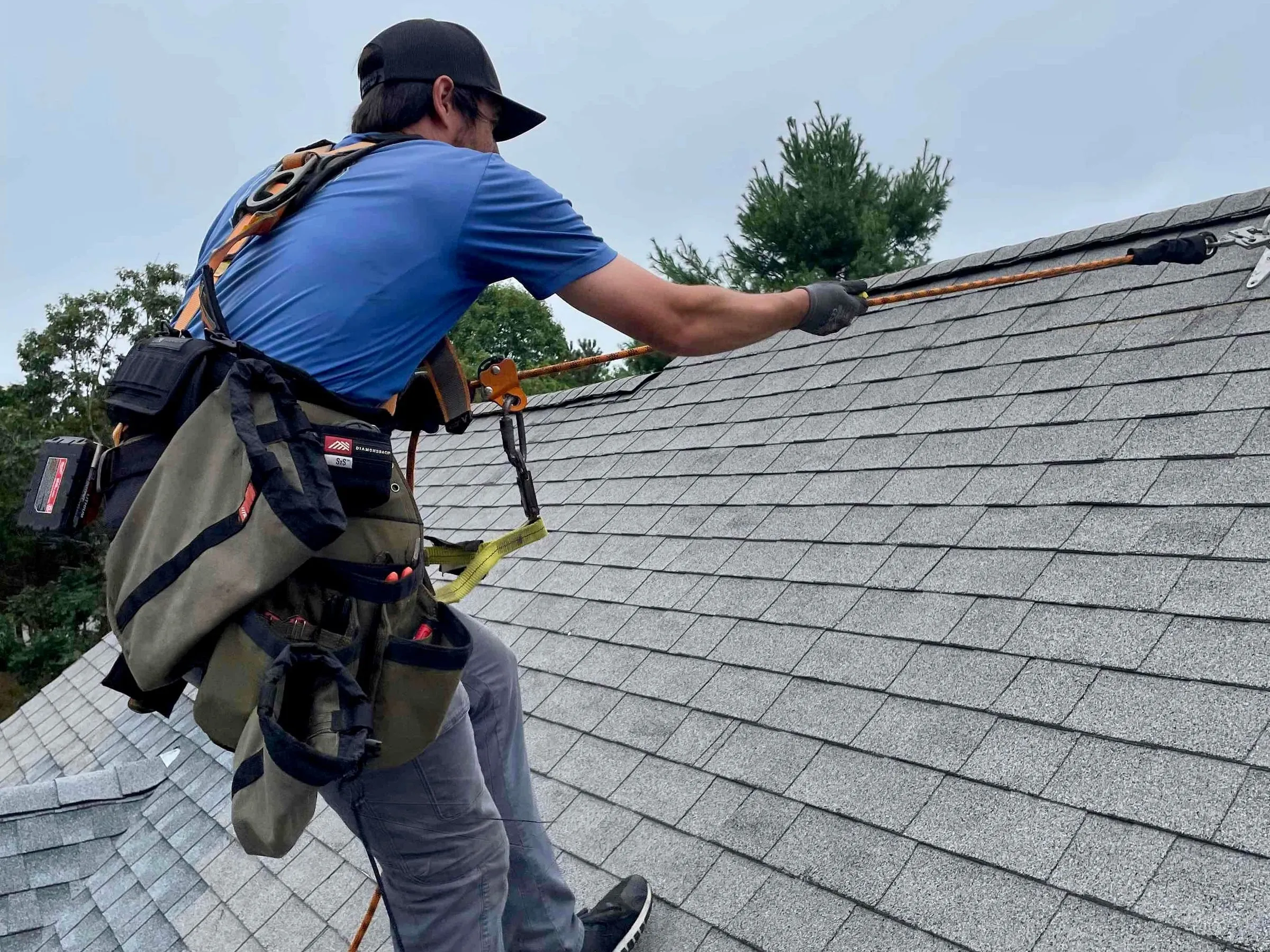 Not Sure, Need an InspectionAn inspection or a second opinion.
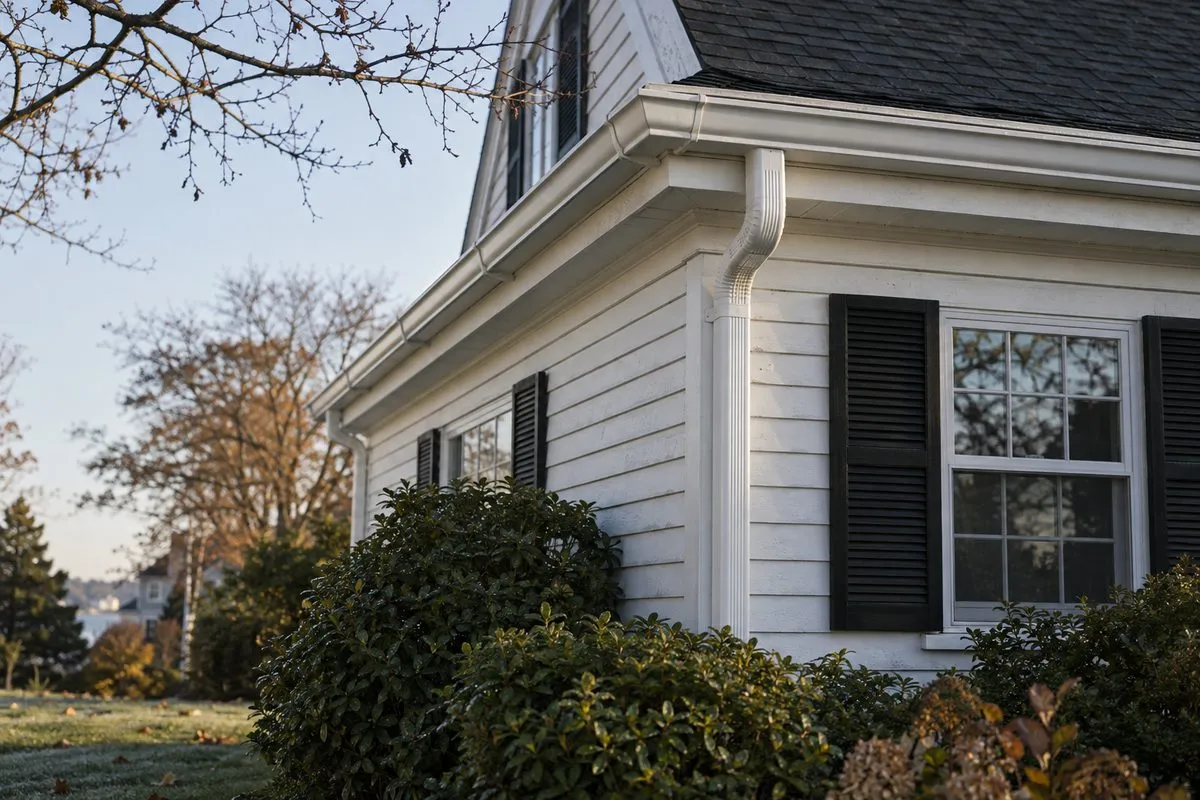 Gutters, Siding or ExteriorGutters, siding, trim, windows, skylights.
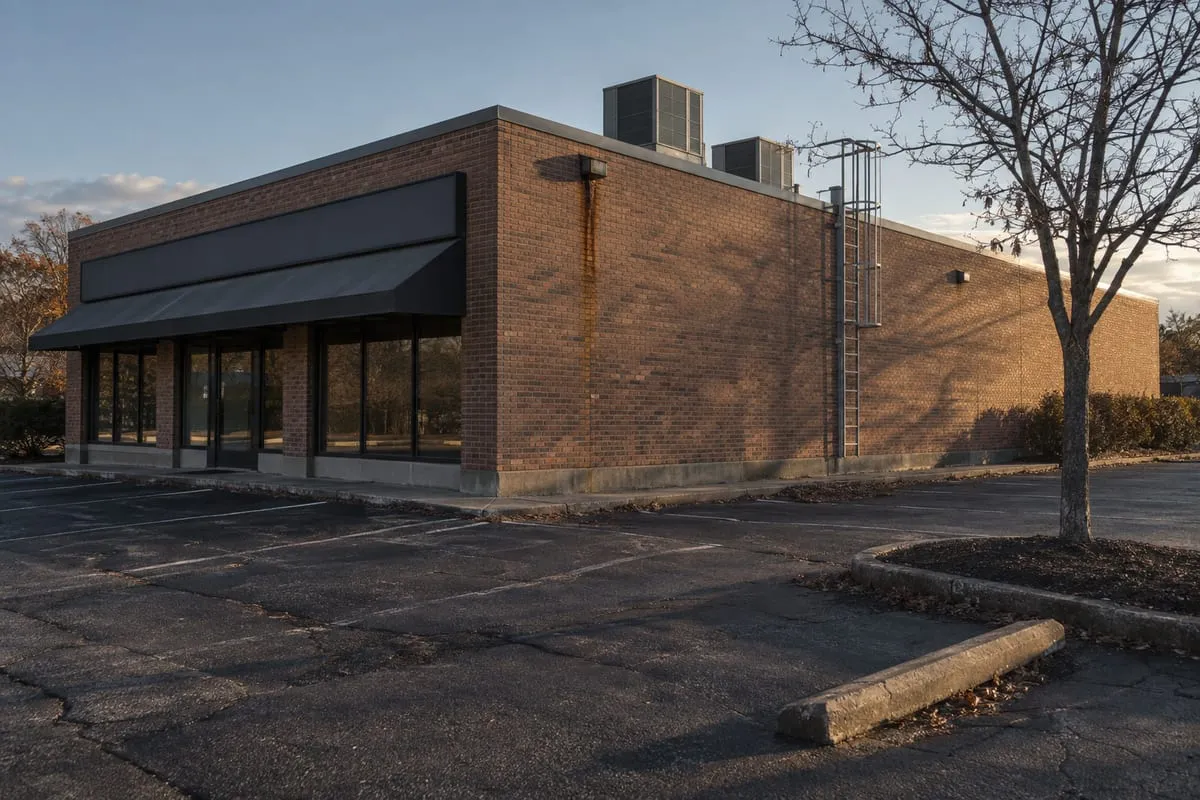 Commercial BuildingFlat or low-slope roofs, maintenance, replacement.
Where Are You Seeing It?
Pick the closest. We'll look at the rest on site.
How Old Is the Roof?
A rough guess is fine.
Have You Started an Insurance Claim?
Either way, we can take a look.
What's Behind the Inspection?
Pick the closest.
Which Part of the Exterior?
Pick the main one. Mention the rest at the end.
What Does the Building Need?
Flat and low-slope roofs included.
What Kind of Property Is It?
When Do You Want It Done?
Where Should We Reach You?
Request Sent
Reference RTP-····-····
We'll reach out from (401) 593-1512 during business hours. Need us sooner? Call that number any time.
Nothing is sent until you say so.
ContinueRather Talk?(401) 593-1512
- GAF Master Elite®
GAF Master Elite® Certified contractor, Cert. #1111816.
- BBB A+
Accredited by the Better Business Bureau since September 29, 2022.
- GC-47694
Licensed and registered general contractor in Rhode Island, valid through September 19, 2027.
- GAF Extended Warranty
Extended manufacturer warranty available on qualifying installations. Coverage terms vary by product and installation.
The Short Answer
Asphalt shingles are the right call for most New England homes: lower upfront cost, fast installation, easy spot repairs, and a wide range of styles that match almost any house. Metal roofing costs more to install but lasts roughly two to three times longer, sheds snow and ice more aggressively, and can lower cooling costs in summer. Neither one is a universal upgrade over the other. It comes down to how long you're planning to stay, what your roof's pitch and structure can support, and what you're actually trying to solve. The rest of this guide walks through why, so you're not choosing blind.
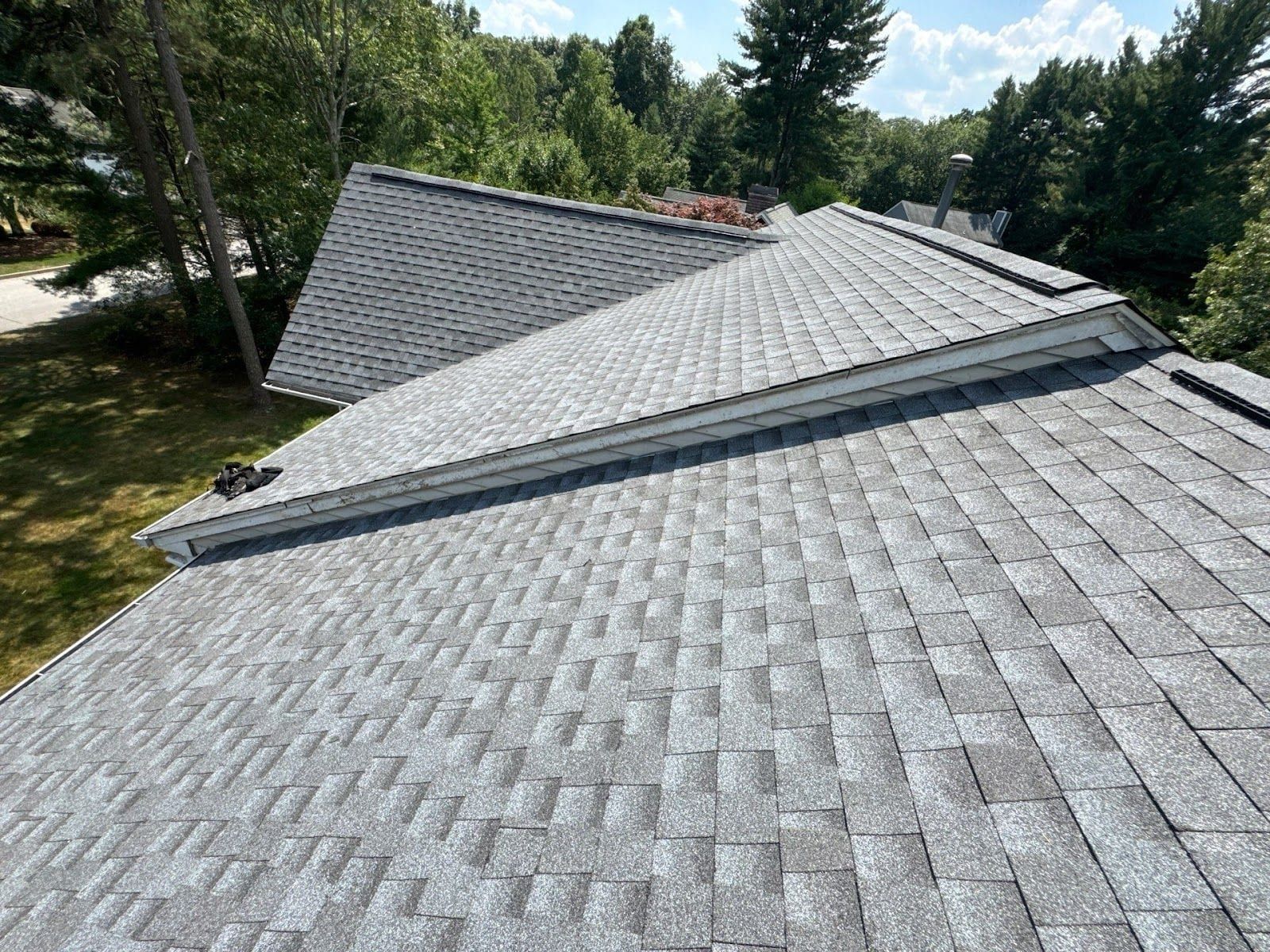
How Each Material Handles New England Winters
Ice dams are the winter problem homeowners actually call us about, and they're worth understanding before you pick a material. An ice dam forms when heat escaping from the living space warms the upper roof deck enough to melt snow, that meltwater runs down to the colder eaves and re-freezes into a ridge of ice, and water backing up behind that ridge finds its way under the shingles and into the house. The National Weather Service describes it as a repeating melt-and-refreeze cycle driven by temperature swings, and the University of Minnesota Extension is blunt about the real cause: it's heat loss through the ceiling and attic, not the roofing material itself, that starts the cycle.
That's the important nuance. No roofing material prevents ice dams on its own, insulation and air-sealing between the living space and the attic do the real work; see our guide on ice dam causes, damage, and prevention for the full picture. What the material changes is how the roof behaves once snow is sitting on it. Metal's smooth, low-friction surface sheds snow and meltwater faster than the granulated surface of an asphalt shingle, which holds onto snow longer and gives more time for a melt-refreeze cycle to build. That's a real advantage for a steep, snow-loaded roof, but it's a second line of defense, not a substitute for proper attic insulation and ventilation.
Wind is the other New England factor worth naming. Coastal towns near Narragansett Bay and inland areas that catch a nor'easter both see wind-driven rain that tests flashing and fastener details more than the field of the roof itself. Both asphalt and metal systems can be installed to handle it well; the failure point is almost always workmanship at the edges, valleys, and penetrations, not the base material.
Lifespan And Durability
A well-installed asphalt shingle roof typically runs 20 to 30 years before it needs replacing, longer on a heavier architectural or designer shingle line, shorter on a basic three-tab. Metal roofing is built for a different timeline: the Metal Roofing Alliance puts a properly installed metal roof's service life at roughly two to three times that of asphalt, commonly 40 years and up depending on the panel type and coating. That's the core tradeoff. If you're planning to be in the house another 10 to 15 years, you may never need a second roof either way. If you're planning to stay for decades, or you'd rather not deal with another tear-off at all, metal's longer runway starts to matter a lot more than its higher sticker price.
Durability isn't only about years, either. Individual shingles are simple to replace when one section of an asphalt roof is damaged, which is part of why targeted roof repair work is usually fast and affordable. Metal panels are more resistant to wind uplift and impact in the first place, but a damaged panel is a more involved repair than swapping a shingle. Each material trades ease of repair against how often it's likely to need one.
Cost And Energy Efficiency
Shingle roofing remains the more affordable option installed, which is a big part of why it's still the standard on most New England homes. Metal roofing costs more upfront, panel type, your roof's pitch and complexity, and what's underneath the existing roof all move that number, but it's also lighter, roughly half the weight of asphalt per the Metal Roofing Alliance, which reduces the ongoing load on the roof structure. Metal is also more reflective, which can ease cooling costs in summer compared to a dark asphalt surface that absorbs more heat.
Neither material's real cost shows up in a square-footage estimate pulled from a photo. What's already on the roof, how many layers need to come off, deck condition once the old roofing is removed, and roof pitch and access all move the final number for either material. We cover that in more detail in our guide to what drives roof replacement cost in Rhode Island, and the short version is the same for shingles or metal: an accurate number comes from someone actually on your roof, not a guess from the street.
Which One Actually Fits Your Roof
A few honest questions tend to sort this out faster than a pros-and-cons list:
- How long are you staying? Long-term ownership favors metal's lifespan. A shorter horizon often makes shingles the more sensible spend.
- What's your roof pitch? Steeper roofs get more benefit from metal's snow-shedding, and standing seam systems are a natural fit on a steep New England roofline.
- What's your budget doing right now? Shingles free up money for other priorities without leaving your roof under-protected.
- Are you chasing curb appeal or a specific look? Shingles offer a wider range of colors and profiles to match an existing home's style; metal has its own distinct look that some homeowners want and others don't.
There's no wrong answer among these, only the one that fits your situation. If you're also weighing solar down the line, a longer-lived roof means fewer conflicts between a roof replacement and panels already installed; if that's part of your plan, our sister company Rooftop Power can walk through how the two fit together.
How We Help You Decide
We're a GAF Master Elite® certified contractor, RI-registered under GC-47694. We don't have a reason to steer you toward the pricier system if it isn't the right fit for your home, and we'll say so directly during a free, on-roof inspection. We install GAF Timberline HDZ® shingle roofing on most residential jobs and metal roofing where it's the better call, and we'll walk you through the real comparison for your specific roof before you commit to either one.
Questions
Frequently asked questions
Is metal roofing actually worth the extra cost in New England?
It depends on your timeline. If you're staying in the home long-term, metal's 40-plus-year service life and lower cooling costs can outweigh the higher install cost. If you're not planning to stay that long, a well-installed shingle roof is usually the more sensible spend.
Does a metal roof really prevent ice dams?
Not on its own. Ice dams start with heat escaping from the living space, so insulation and air-sealing between your attic and the house are what actually prevent them. Metal's smooth surface sheds snow and meltwater faster than shingles, which helps, but it's a second layer of protection, not a replacement for proper insulation.
Can you install a metal roof over my existing shingle roof?
It depends on your roof's condition and local code, not something to assume either way. We'll tell you honestly whether your roof is a re-cover candidate or needs a full tear-off during a free inspection.
Which lasts longer in a coastal Rhode Island location?
Both materials can hold up well near the coast when installed correctly, but salt air and wind-driven rain put extra stress on flashing and fasteners either way. The material matters less here than installation quality and using corrosion-resistant hardware.
Do you install both asphalt shingle and metal roofing?
Yes. We install GAF Timberline HDZ shingle systems on most residential jobs and metal roofing where it fits the home and budget better. We'll give you a straight comparison for your specific roof, not a push toward whichever system costs more.
How do I know which one is right for my house?
Start with how long you're planning to stay, your roof's pitch, and your budget. From there, a free, on-roof inspection is the only way to get real numbers for your specific roof instead of a generic comparison.
Serving Rhode Island
- Asphalt shingle vs. metal roofing for new england homes in Barrington
- Asphalt shingle vs. metal roofing for new england homes in Bristol
- Asphalt shingle vs. metal roofing for new england homes in Burrillville
- Asphalt shingle vs. metal roofing for new england homes in Central Falls
- Asphalt shingle vs. metal roofing for new england homes in Charlestown
- Asphalt shingle vs. metal roofing for new england homes in Coventry
- Asphalt shingle vs. metal roofing for new england homes in Cranston
- Asphalt shingle vs. metal roofing for new england homes in Cumberland
- Asphalt shingle vs. metal roofing for new england homes in East Greenwich
- Asphalt shingle vs. metal roofing for new england homes in East Providence
- Asphalt shingle vs. metal roofing for new england homes in Exeter
- Asphalt shingle vs. metal roofing for new england homes in Foster
- Asphalt shingle vs. metal roofing for new england homes in Glocester
- Asphalt shingle vs. metal roofing for new england homes in Hopkinton
- Asphalt shingle vs. metal roofing for new england homes in Jamestown
- Asphalt shingle vs. metal roofing for new england homes in Johnston
- Asphalt shingle vs. metal roofing for new england homes in Lincoln
- Asphalt shingle vs. metal roofing for new england homes in Little Compton
- Asphalt shingle vs. metal roofing for new england homes in Middletown
- Asphalt shingle vs. metal roofing for new england homes in Narragansett
- Asphalt shingle vs. metal roofing for new england homes in New Shoreham
- Asphalt shingle vs. metal roofing for new england homes in Newport
- Asphalt shingle vs. metal roofing for new england homes in North Kingstown
- Asphalt shingle vs. metal roofing for new england homes in North Providence
- Asphalt shingle vs. metal roofing for new england homes in North Smithfield
- Asphalt shingle vs. metal roofing for new england homes in Pawtucket
- Asphalt shingle vs. metal roofing for new england homes in Portsmouth
- Asphalt shingle vs. metal roofing for new england homes in Providence
- Asphalt shingle vs. metal roofing for new england homes in Richmond
- Asphalt shingle vs. metal roofing for new england homes in Scituate
- Asphalt shingle vs. metal roofing for new england homes in Smithfield
- Asphalt shingle vs. metal roofing for new england homes in South Kingstown
- Asphalt shingle vs. metal roofing for new england homes in Tiverton
- Asphalt shingle vs. metal roofing for new england homes in Warren
- Asphalt shingle vs. metal roofing for new england homes in Warwick
- Asphalt shingle vs. metal roofing for new england homes in West Greenwich
- Asphalt shingle vs. metal roofing for new england homes in West Warwick
- Asphalt shingle vs. metal roofing for new england homes in Westerly
- Asphalt shingle vs. metal roofing for new england homes in Woonsocket
Serving Massachusetts
- Asphalt shingle vs. metal roofing for new england homes in Attleboro
- Asphalt shingle vs. metal roofing for new england homes in Bellingham
- Asphalt shingle vs. metal roofing for new england homes in Blackstone
- Asphalt shingle vs. metal roofing for new england homes in Bridgewater
- Asphalt shingle vs. metal roofing for new england homes in Brockton
- Asphalt shingle vs. metal roofing for new england homes in Dartmouth
- Asphalt shingle vs. metal roofing for new england homes in Easton
- Asphalt shingle vs. metal roofing for new england homes in Fall River
- Asphalt shingle vs. metal roofing for new england homes in Foxborough
- Asphalt shingle vs. metal roofing for new england homes in Franklin
- Asphalt shingle vs. metal roofing for new england homes in Mansfield
- Asphalt shingle vs. metal roofing for new england homes in Middleborough
- Asphalt shingle vs. metal roofing for new england homes in Milford
- Asphalt shingle vs. metal roofing for new england homes in New Bedford
- Asphalt shingle vs. metal roofing for new england homes in North Attleborough
- Asphalt shingle vs. metal roofing for new england homes in Norton
- Asphalt shingle vs. metal roofing for new england homes in Plymouth
- Asphalt shingle vs. metal roofing for new england homes in Rehoboth
- Asphalt shingle vs. metal roofing for new england homes in Seekonk
- Asphalt shingle vs. metal roofing for new england homes in Somerset
- Asphalt shingle vs. metal roofing for new england homes in Swansea
- Asphalt shingle vs. metal roofing for new england homes in Taunton
- Asphalt shingle vs. metal roofing for new england homes in Uxbridge
- Asphalt shingle vs. metal roofing for new england homes in Wareham
- Asphalt shingle vs. metal roofing for new england homes in Westport
- Asphalt shingle vs. metal roofing for new england homes in Worcester
Related pages
- Shingle Roofing in Warwick, RI
- Metal Roofing in Warwick, RI
- Roof inspection Warwick RI
- What Drives The Cost Of A Roof Replacement In Rhode Island
- Signs You Need Roof Repair vs. A Full Replacement
- Ice Dams: Causes, Damage, and Prevention for Rhode Island Roofs
- Best Time to Replace a Roof in New England: Season by Season
- Flat Roof Repair For Homes: Why They Leak and What Actually Fixes Them
- GAF golden pledge warranty
- How Long Does A Roof Last In New England?
- Ice Dam Removal: What Helps, What to Avoid, and What Comes Next
- Roof Leak Repair: What To Do the Moment Water Comes In
Back to Roofing guides hub
Get A Straight Comparison For Your Roof
Request a free, on-roof inspection or call (401) 593-1512. We'll tell you honestly whether shingle or metal is the better fit before you spend a dollar.