
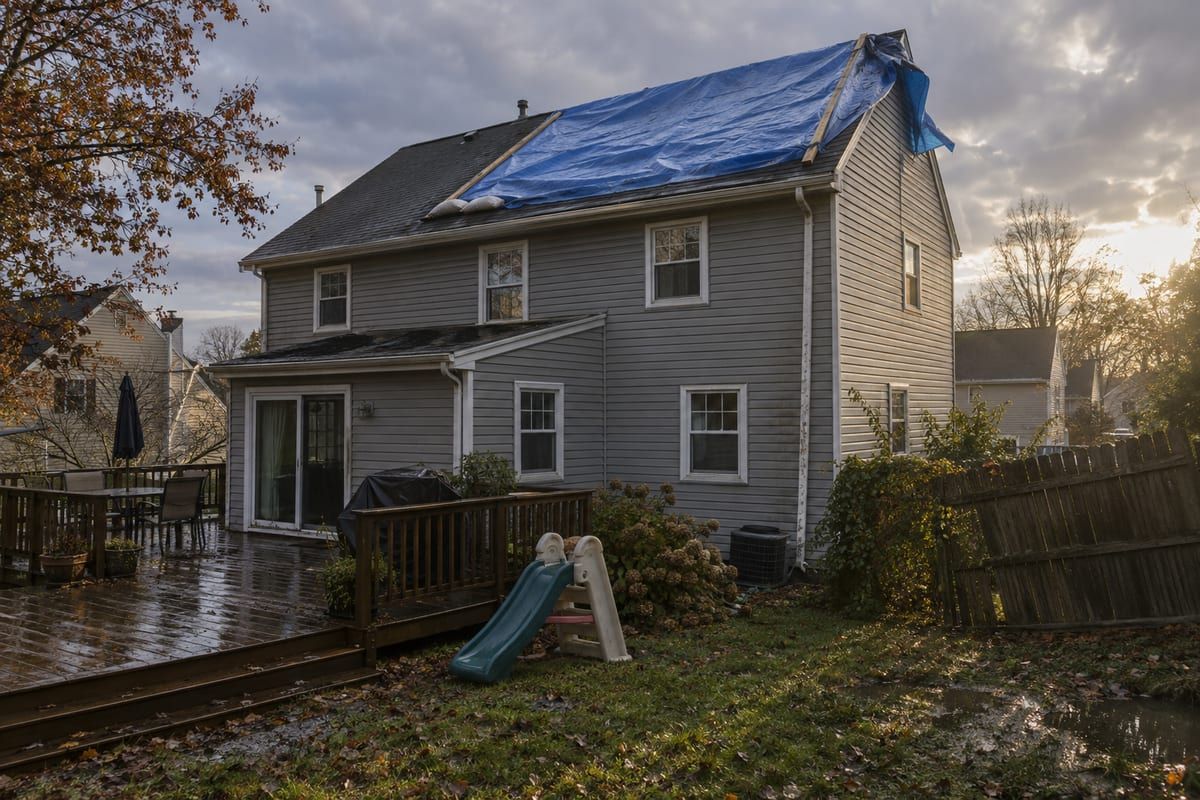
Emergency Restoration · Warwick & Rhode Island
Emergency Restoration Work in Warwick, RI
A tree limb through the roof deck doesn't wait for business hours. Water coming into your attic during a storm doesn't either. RTP Roofing answers the phone when it happens, not just when it's convenient for us.
Free EstimateRTP-····-···· · Warwick Office
Free Estimate
RTP-····-····Warwick Office
Step 1 of 5 · About 1 Minute
What Does Your Home Need?
Pick the closest one. You don't need the right words for it.
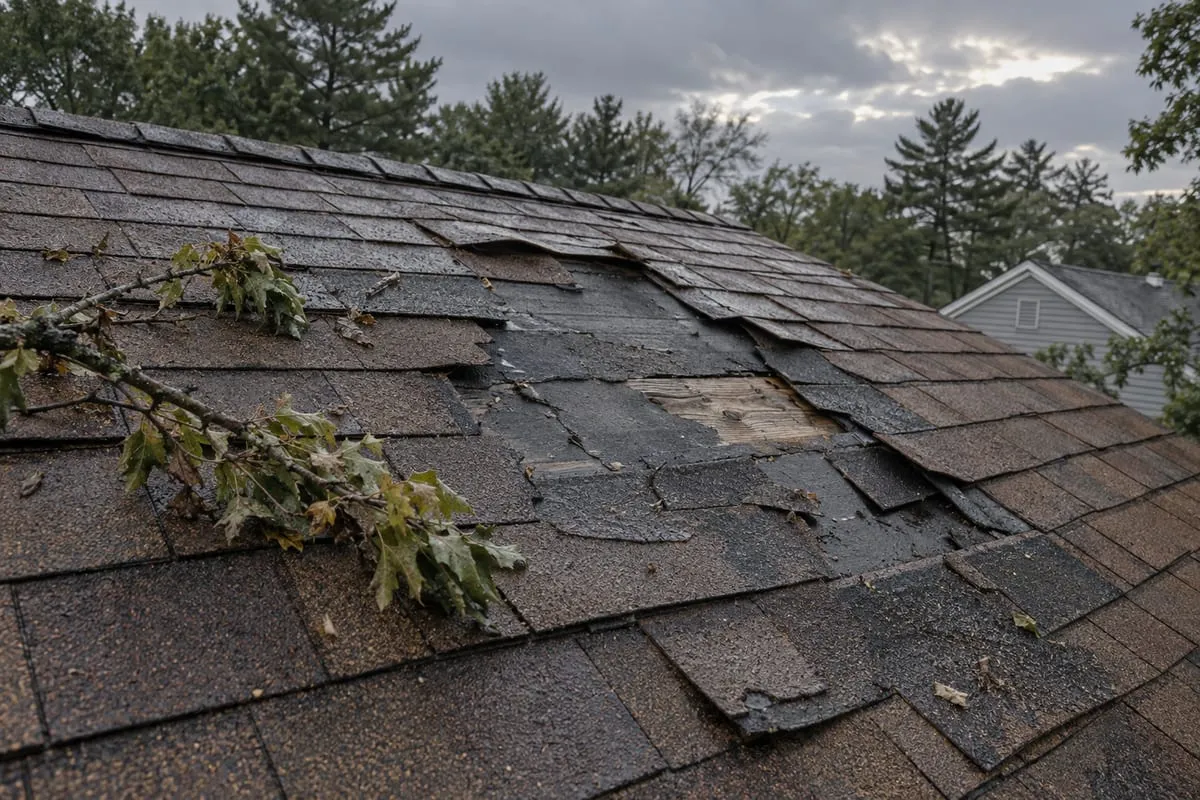 Something's Leaking or DamagedA stain on the ceiling, water in the attic, missing shingles.
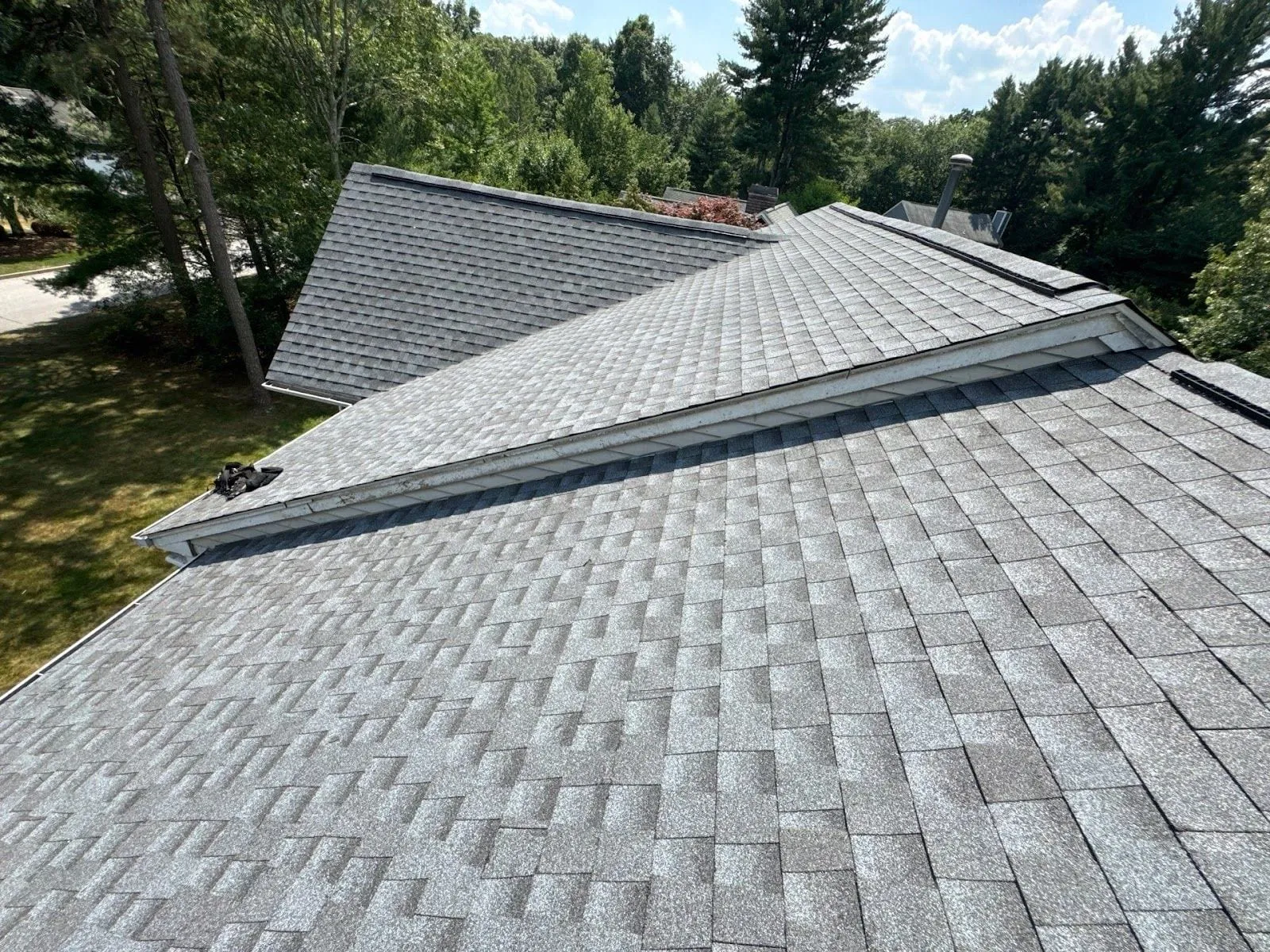 Old Roof, Weighing ReplacementCurling, bald spots, or it's just been a long time.
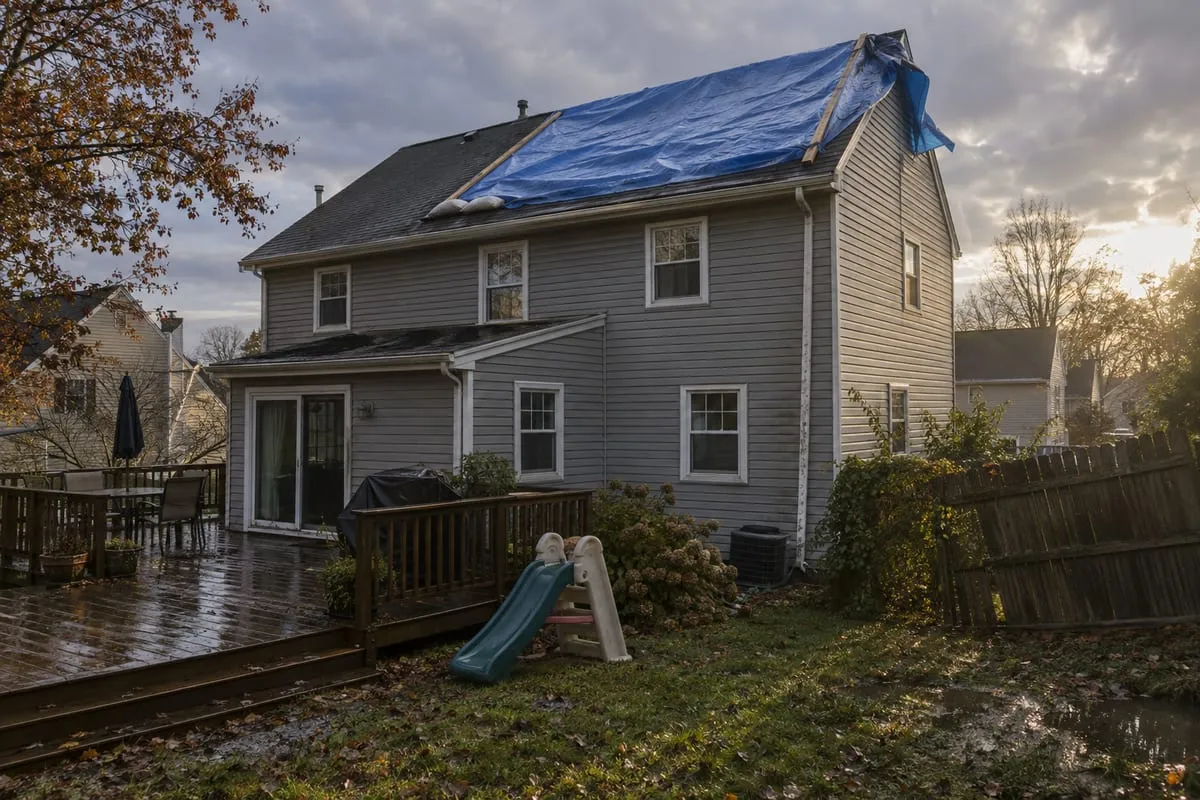 Storm DamageWind, a fallen limb, hail. Claim or no claim.
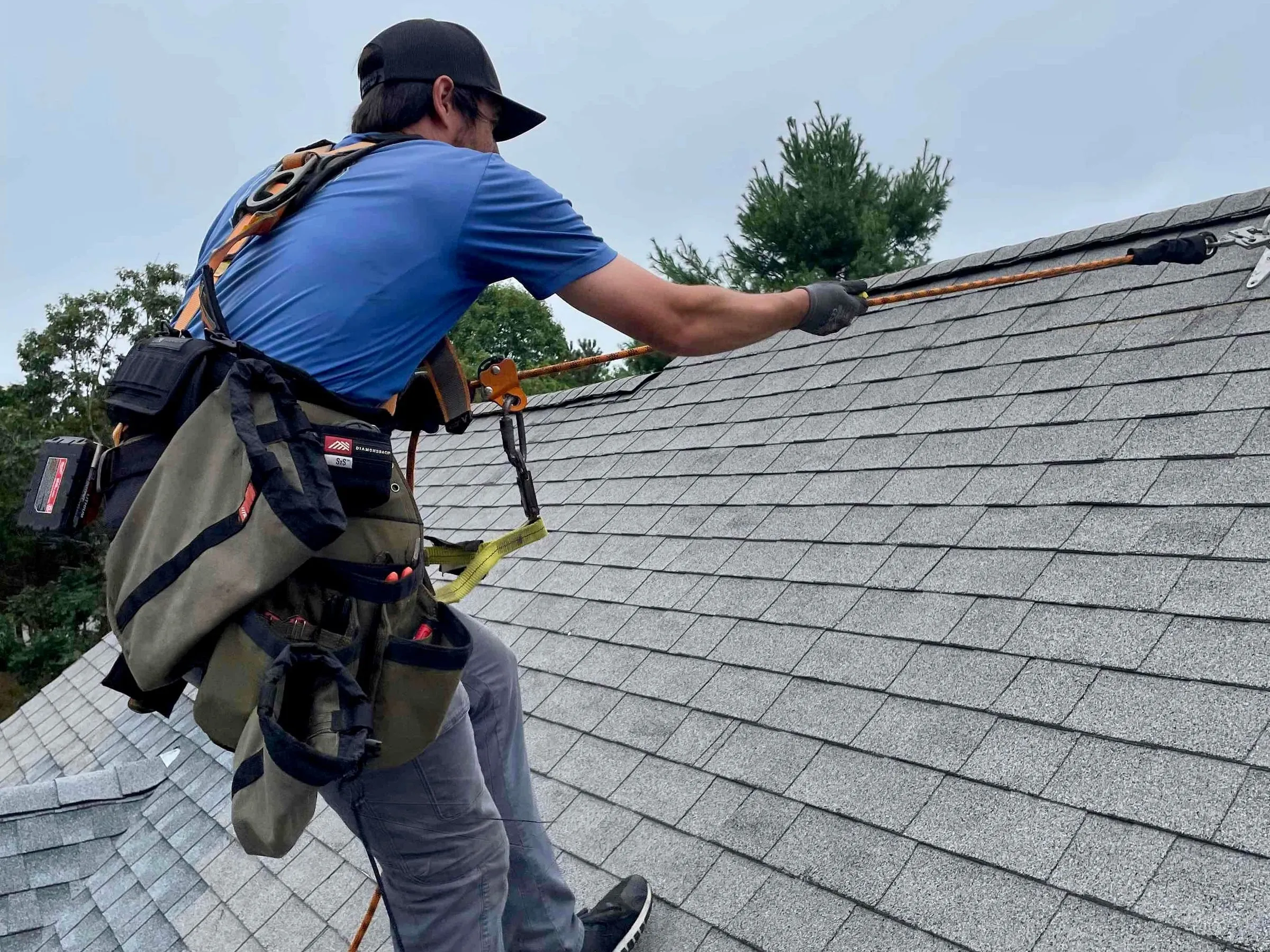 Not Sure, Need an InspectionAn inspection or a second opinion.
 Gutters, Siding or ExteriorGutters, siding, trim, windows, skylights.
 Commercial BuildingFlat or low-slope roofs, maintenance, replacement.
Where Are You Seeing It?
Pick the closest. We'll look at the rest on site.
How Old Is the Roof?
A rough guess is fine.
Have You Started an Insurance Claim?
Either way, we can take a look.
What's Behind the Inspection?
Pick the closest.
Which Part of the Exterior?
Pick the main one. Mention the rest at the end.
What Does the Building Need?
Flat and low-slope roofs included.
What Kind of Property Is It?
When Do You Want It Done?
Where Should We Reach You?
Request Sent
Reference RTP-····-····
We'll reach out from (401) 593-1512 during business hours. Need us sooner? Call that number any time.
Nothing is sent until you say so.
ContinueRather Talk?(401) 593-1512
- GAF Master Elite
GAF Master Elite® Certified contractor, Cert. #1111816.
- BBB A+
Accredited by the Better Business Bureau since September 29, 2022.
- RI GC-47694
Licensed and registered general contractor in Rhode Island, valid through September 19, 2027.
- GAF Golden Pledge
Extended manufacturer warranty available on qualifying installations. Coverage terms vary by product and installation.
What Counts As A Roofing Emergency
Not every storm damage call needs a same-day crew, but some do. We treat these as urgent:
- Active water intrusion. Water coming into the attic or through the ceiling during or right after a storm.
- Structural damage. A fallen tree limb, exposed decking, or a section of roof that's been physically breached.
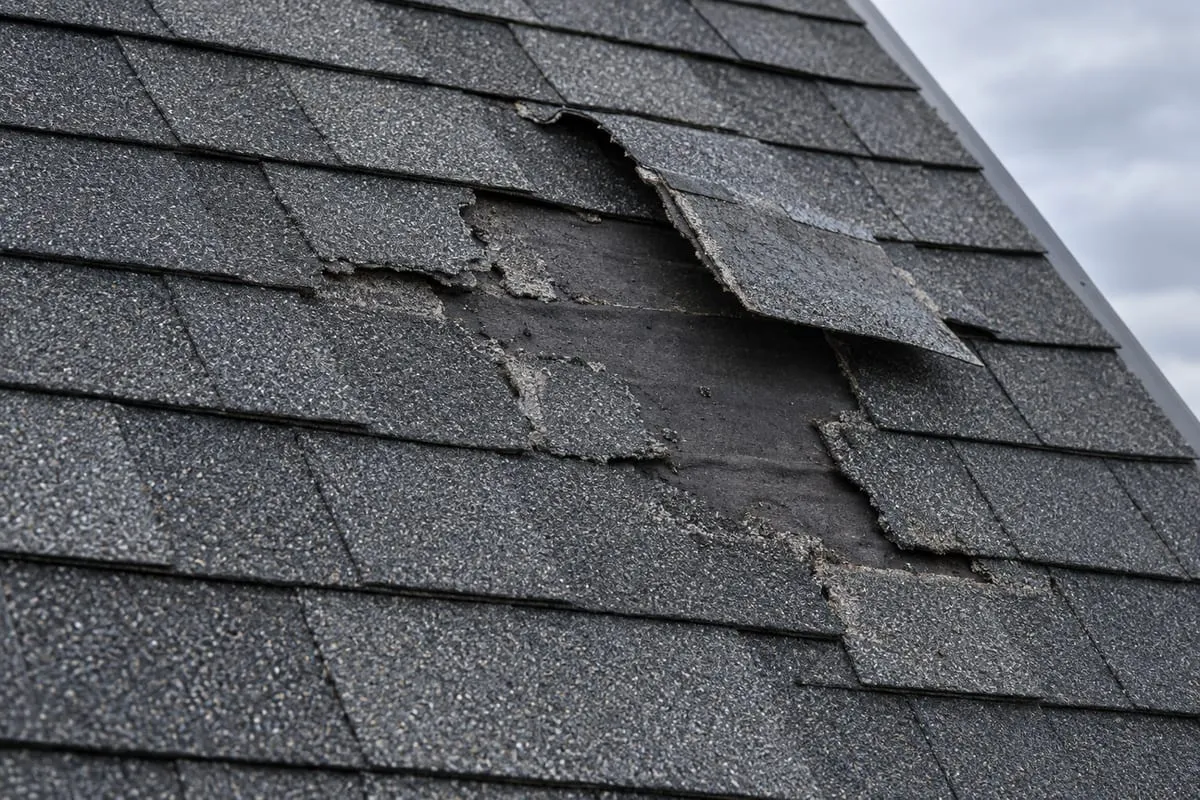
- Missing sections of roofing. Wind that's torn off enough shingles or roofing material to leave the deck exposed.
- Anything creating an immediate safety risk to your home or the people in it.
Rhode Island's nor'easters and coastal wind events are the most common triggers we see, but a single fallen limb on a calm day can create the same urgency. When it's this kind of damage, we prioritize the call and get to your property as fast as we can, not on the next available slot.
Damage Assessment And Temporary Protection
When we arrive, we inspect the roof and any interior damage, check the attic if there's active water intrusion, document what we find with notes and photos, and identify anything that needs to be addressed immediately for safety.
If a permanent repair isn't possible right away, whether due to weather, daylight, or the extent of the damage, we put temporary protection in place to stop further water intrusion:
- Tarping. A heavy-duty tarp secured over the damaged section is the standard first move for a roof that's still structurally sound underneath. It sheds water and buys time, but it isn't a fix, sun and wind exposure break tarps down, so permanent repair still needs to happen on a reasonable timeline, not whenever it's convenient.
- Board-up / decking protection. Where a limb or impact has broken through the deck itself, a tarp alone isn't enough. We board up the breach with plywood before tarping over it, so the temporary protection has something solid to anchor to.
Either way, we walk you through what we found and what the temporary fix means for the permanent one before we leave, so you're never left guessing.
What Materials We Handle On Emergency Calls, And The Honest Tradeoffs
Emergency damage doesn't wait for the right roofing material to be on hand, so we're equipped to assess and temporarily protect asphalt shingle, tile, and flat roofing systems alike:
- Asphalt shingle. The most common system we see and the fastest to stabilize, individual shingles or a section can usually be tarped or patched without disturbing the rest of the roof. See our shingle roofing page for how a full shingle system goes together.
- Tile. Tile needs careful handling on an emergency call so we don't create more breakage getting the temporary protection in place.
- Flat / low-slope roofing. Membrane systems need their own approach to temporary protection, which is why we assess the specific system before deciding how to stabilize it.
Whatever the material, once your roof is stabilized and the immediate risk is handled, we'll talk through whether the permanent fix is a targeted repair or something more involved, the same honest read we give on any roofing call, just faster.
Repair Or Replace After The Emergency Is Stabilized
Temporary protection buys time, it doesn't answer the bigger question: does the permanent fix need to be a repair or a full roof replacement? That comes down to a few honest factors once we're back on the roof without the pressure of an active leak:
- How much of the roof is affected. A single damaged section on an otherwise sound roof is usually a repair. Damage spread across multiple sections, or damage on a roof that was already near the end of its service life, tends to point toward replacement.
- What's under the surface. Exposed decking that's been wet for any length of time needs to be checked for rot before anything permanent goes back on top of it, that inspection sometimes changes the scope of the job.
- Whether a targeted repair holds up. Some emergency damage is genuinely isolated, and a repair done right is a real fix, not just a patch.
We'll never quietly repair around a problem that's bigger than one section, and we won't push a replacement a straightforward repair can handle. You get that read in writing before any permanent work starts.
The RTP Roofing Difference
We're a GAF Master Elite® certified contractor, RI-registered under GC-47694.
Our office is open Monday through Friday, 9 AM to 5 PM, and emergency calls go to the front of the schedule. Once the immediate risk is handled, we clean up the job site, haul away debris from the damage itself, and leave the property the way we found it, minus the hole in the roof. If your permanent repair or replacement ends up on a GAF system, ask about GAF's Golden Pledge® Limited Warranty, up to 50 years of non-prorated coverage on qualifying installations through our Master Elite status; eligibility and coverage vary by product and installation, and full terms are at gaf.com.
What Happens After Your Roof Is Stabilized
Getting the water stopped is step one, not the last step. Once temporary protection is in place:
- We schedule the permanent fix. Weather permitting, we get the permanent repair or replacement on the calendar as soon as materials and conditions allow, tarps aren't built to last indefinitely.
- We document everything. If you're also filing an insurance claim for the damage, our notes and photos from the emergency visit support that process. See our storm damage and insurance claims page for how that works start to finish.
- We give you a real number, not a guess. Once we know the full scope, repair or replacement, you get a written estimate before any permanent work starts.
If the damage turns out to be less urgent than it felt in the moment, request a free inspection instead of an emergency call, so you have documentation and a plan without paying for urgency you don't need.
How it works
- Step 1
Emergency Call & Dispatch
Call (401) 593-1512. We prioritize active leaks and storm damage over routine scheduling and get a crew moving toward your property.
- Step 2
On-Site Damage Assessment
We inspect the roof and any interior damage, documenting what we find with notes and photos for your records and for any insurance claim.
- Step 3
Temporary Protection
If a permanent repair has to wait for weather or materials, we tarp and seal exposed areas, or board up a breached deck first, to stop further water intrusion.
- Step 4
Permanent Restoration
Once conditions allow, we complete the permanent repair or, if the damage warrants it, walk you through a full roof replacement.
Questions
Frequently asked questions
How fast can you respond to a roofing emergency?
Call (401) 593-1512 for an active leak, storm damage, or a structural issue with your roof. Our office is open Monday through Friday, 9 AM to 5 PM, and emergency calls are prioritized over routine scheduling.
What's the difference between emergency restoration and storm damage insurance claims?
Emergency restoration is the immediate response: stopping water intrusion and protecting your home right after damage happens. If you're also filing an insurance claim for that damage, see our storm damage and insurance claims page.
Will you tarp my roof if you can't do a permanent repair right away?
Yes. When weather or the extent of damage means a permanent repair has to wait, we put temporary protection in place first, tarping, or boarding up a breached deck before tarping over it, to stop further water intrusion.
How long can a tarp stay on before I need the permanent repair?
Not indefinitely. A tarp sheds water while it's intact, but sun and wind exposure break it down over time, so we get the permanent repair or replacement scheduled as soon as weather and materials allow rather than leaving temporary protection in place long-term.
What roofing materials do you handle for emergency work?
Asphalt shingle, tile, and flat roofing systems. Whatever's on your home, we can assess and stabilize it, and each material has its own handling considerations once we're up there.
How do you decide whether the permanent fix is a repair or a full replacement?
It comes down to how much of the roof is affected, what condition the decking is in underneath the damage, and whether a targeted repair genuinely holds up or just delays a bigger problem. We'll tell you which one your roof needs, in writing, before any permanent work starts.
Do you document damage for insurance purposes?
Yes, we photograph and note what we find during our assessment, which supports your own claim documentation. See our storm damage and insurance claims page for how the claims process works.
Serving Rhode Island
- Emergency restoration work in Barrington
- Emergency restoration work in Bristol
- Emergency restoration work in Burrillville
- Emergency restoration work in Central Falls
- Emergency restoration work in Charlestown
- Emergency restoration work in Coventry
- Emergency restoration work in Cranston
- Emergency restoration work in Cumberland
- Emergency restoration work in East Greenwich
- Emergency restoration work in East Providence
- Emergency restoration work in Exeter
- Emergency restoration work in Foster
- Emergency restoration work in Glocester
- Emergency restoration work in Hopkinton
- Emergency restoration work in Jamestown
- Emergency restoration work in Johnston
- Emergency restoration work in Lincoln
- Emergency restoration work in Little Compton
- Emergency restoration work in Middletown
- Emergency restoration work in Narragansett
- Emergency restoration work in New Shoreham
- Emergency restoration work in Newport
- Emergency restoration work in North Kingstown
- Emergency restoration work in North Providence
- Emergency restoration work in North Smithfield
- Emergency restoration work in Pawtucket
- Emergency restoration work in Portsmouth
- Emergency restoration work in Providence
- Emergency restoration work in Richmond
- Emergency restoration work in Scituate
- Emergency restoration work in Smithfield
- Emergency restoration work in South Kingstown
- Emergency restoration work in Tiverton
- Emergency restoration work in Warren
- Emergency restoration work in Warwick
- Emergency restoration work in West Greenwich
- Emergency restoration work in West Warwick
- Emergency restoration work in Westerly
- Emergency restoration work in Woonsocket
Serving Massachusetts
- Emergency restoration work in Attleboro
- Emergency restoration work in Bellingham
- Emergency restoration work in Blackstone
- Emergency restoration work in Bridgewater
- Emergency restoration work in Brockton
- Emergency restoration work in Dartmouth
- Emergency restoration work in Easton
- Emergency restoration work in Fall River
- Emergency restoration work in Foxborough
- Emergency restoration work in Franklin
- Emergency restoration work in Mansfield
- Emergency restoration work in Middleborough
- Emergency restoration work in Milford
- Emergency restoration work in New Bedford
- Emergency restoration work in North Attleborough
- Emergency restoration work in Norton
- Emergency restoration work in Plymouth
- Emergency restoration work in Rehoboth
- Emergency restoration work in Seekonk
- Emergency restoration work in Somerset
- Emergency restoration work in Swansea
- Emergency restoration work in Taunton
- Emergency restoration work in Uxbridge
- Emergency restoration work in Wareham
- Emergency restoration work in Westport
- Emergency restoration work in Worcester
Back to Roofing services
Get Help With A Roofing Emergency Now
Call (401) 593-1512. We prioritize active leaks and storm damage over routine scheduling.