
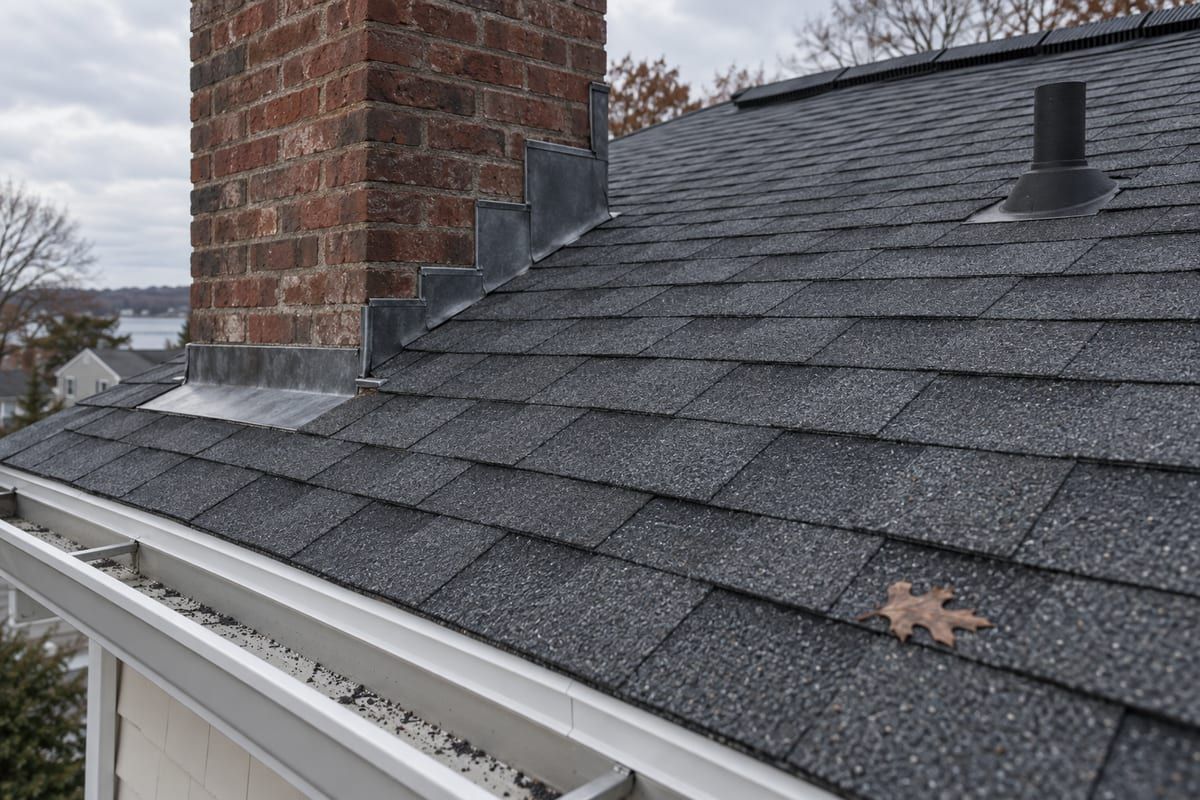
Roof Replacement Timing · New England
Best Time to Replace a Roof in New England: Season by Season
Spring, summer and fall are the easy seasons for shingles, and winter is possible with extra steps. Here is what the manufacturers say about temperature, what each season means for scheduling, and why a failing roof should not wait.
Free EstimateRTP-····-···· · Warwick Office
Free Estimate
RTP-····-····Warwick Office
Step 1 of 5 · About 1 Minute
What Does Your Home Need?
Pick the closest one. You don't need the right words for it.
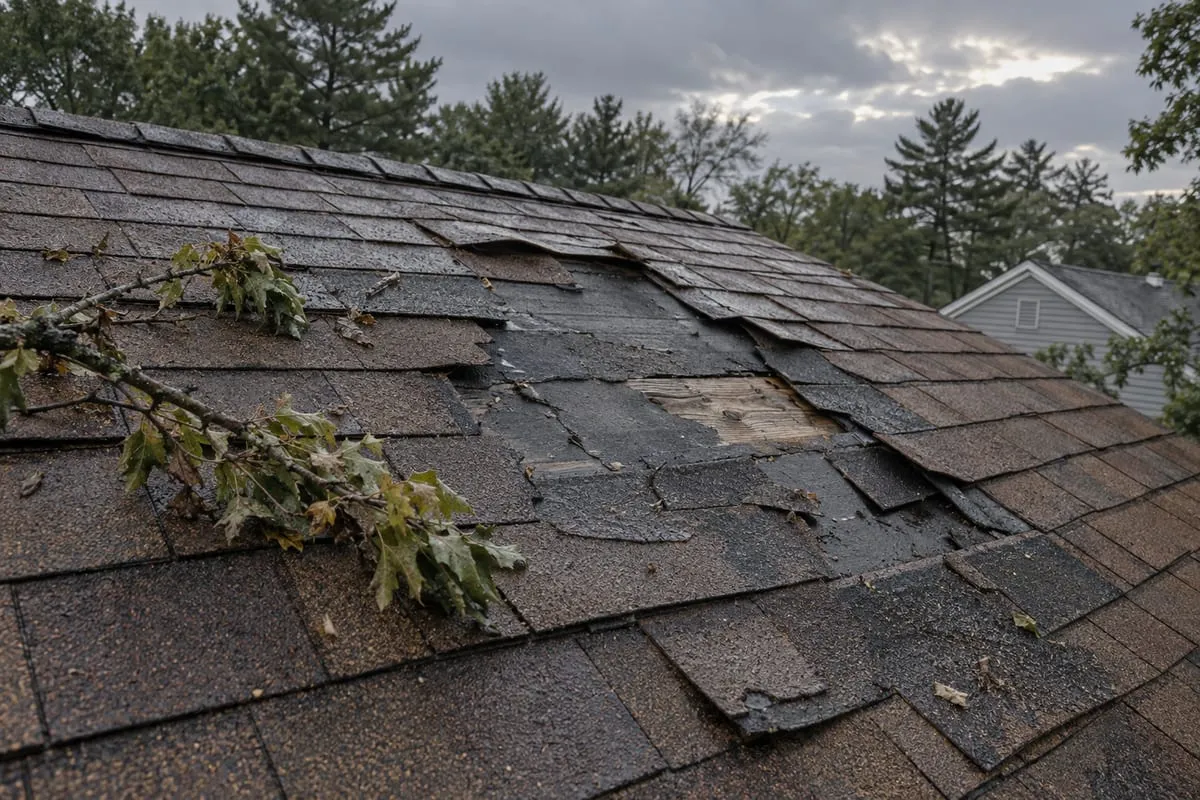 Something's Leaking or DamagedA stain on the ceiling, water in the attic, missing shingles.
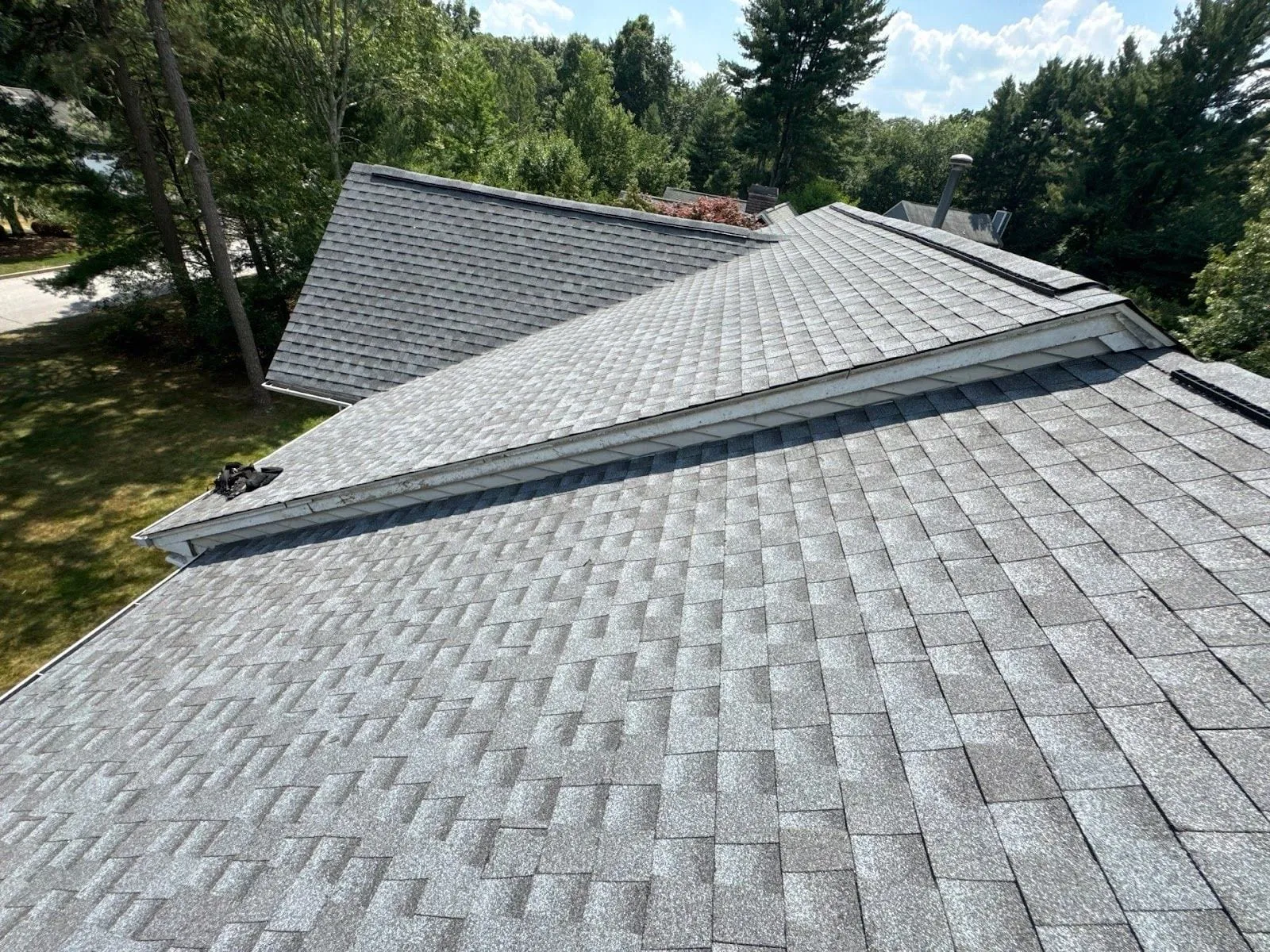 Old Roof, Weighing ReplacementCurling, bald spots, or it's just been a long time.
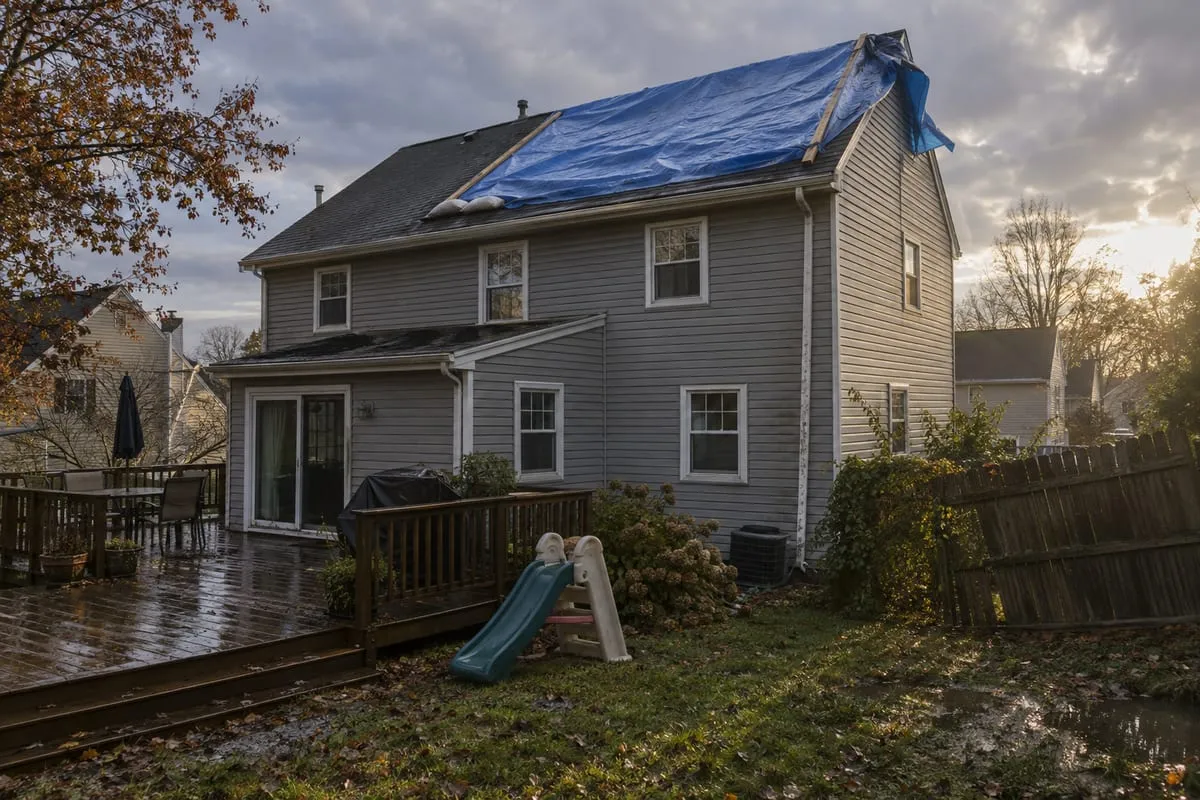 Storm DamageWind, a fallen limb, hail. Claim or no claim.
 Not Sure, Need an InspectionAn inspection or a second opinion.
 Gutters, Siding or ExteriorGutters, siding, trim, windows, skylights.
 Commercial BuildingFlat or low-slope roofs, maintenance, replacement.
Where Are You Seeing It?
Pick the closest. We'll look at the rest on site.
How Old Is the Roof?
A rough guess is fine.
Have You Started an Insurance Claim?
Either way, we can take a look.
What's Behind the Inspection?
Pick the closest.
Which Part of the Exterior?
Pick the main one. Mention the rest at the end.
What Does the Building Need?
Flat and low-slope roofs included.
What Kind of Property Is It?
When Do You Want It Done?
Where Should We Reach You?
Request Sent
Reference RTP-····-····
We'll reach out from (401) 593-1512 during business hours. Need us sooner? Call that number any time.
Nothing is sent until you say so.
ContinueRather Talk?(401) 593-1512
- GAF Master Elite®
GAF Master Elite® Certified contractor, Cert. #1111816.
- BBB A+
Accredited by the Better Business Bureau since September 29, 2022.
- GC-47694
Licensed and registered general contractor in Rhode Island, valid through September 19, 2027.
- GAF Extended Warranty
Extended manufacturer warranty available on qualifying installations. Coverage terms vary by product and installation.
The Short Answer: Mild Weather Is Easier, Condition Matters More
There is no single right month. Shingles are made to be installed in mild weather, and that is when most roofs go on. IKO's cold-weather bulletin says shingle applications typically occur in mild weather months, but that extra care is needed when the work happens in the cold.
For a New England homeowner, that turns into a simple rule of thumb. Spring and fall give you comfortable working temperatures. Summer works too, with some adjustments for heat. Winter is possible, but it asks more of the crew and the materials, and it comes with more weather delays.
The condition of the roof matters more than the calendar. A roof that is leaking, or has failing shingles across several slopes, is a reason to act now. We cover that in its own section below. If you are not sure where your roof stands, start with our guide to how long a roof lasts in New England and the signs you need a new roof.
Why Temperature Matters: Sealant Strips and Brittle Shingles
Asphalt shingles are not just nailed down. Each one carries a factory-applied strip of sealant that glues it to the course below, and that sealant needs warmth. Owens Corning explains that its sealant is thermally activated, and that direct exposure to the sun's energy activates it so the shingles can bond to the course below.
That has a few practical effects in cold weather:
- Sealing can be slow. Owens Corning says shingles installed in cold weather may not seal until warmer temperatures arrive. IKO says it might take up to several weeks for shingles to seal together.
- Unsealed shingles are more exposed to wind. IKO notes that shingles that do not seal together have a higher chance of blow-off, which could result in roof leaks.
- Cold shingles are stiffer. IKO says asphalt shingles can become more brittle in cold weather and that bundles should never be bent, dropped or thrown. CertainTeed's cold-weather guidance, as published by its New Zealand distributor Viking, warns that forcing cold shingles into shape can cause cracking, which may lead to leaks.
- They may not lie flat right away. Owens Corning says shingles installed in cold weather may take longer to lay flat. Malarkey adds that they need warm temperatures and sunlight to relax, a process that can take a couple of weeks to several months.
None of this means a cold-weather roof is a bad roof. It means the installation has to account for it, which is where hand-sealing comes in.
Cold-Weather Installation and Hand-Sealing
Hand-sealing means placing small dabs of asphalt roof cement under shingles so they bond even when the sun is not strong enough to activate the factory strip. Several manufacturers describe it for cold-weather work.
- Owens Corning defines cold weather as air and surface temperatures at or below 40°F (4°C). It calls for hand-sealing to protect against wind uplift when the temperature is too low for the adhesive strip to activate, and it warns that too much roof cement can cause shingles to blister.
- IKO recommends manual sealing with asphalt plastic cement when shingles may not get enough time to seal before winter.
- Malarkey strongly recommends hand-sealing in adverse weather, when cold, high wind and blowing dust can prevent the self-sealing strips from activating. It also says that failure to seal under those conditions is not a manufacturing defect, and that its wind warranties apply only when shingles are sealed, whether by hand or by the strips.
- CertainTeed: its cold-weather guidance, as published by its New Zealand distributor Viking, says that in cold weather all shingles must be installed with six nails and hand sealed. Check the current instructions for the exact product on your roof.
The exact number and placement of dabs differs by manufacturer and by shingle style, so the crew should follow the instructions for the product on your roof.
Hand-sealing is a reason to ask questions, not to be alarmed. Ask any roofer who proposes a cold-weather install how they plan to handle sealing, how they keep shingles flexible, and whether the work will follow the shingle maker's cold-weather instructions.
What Each Season Means for Scheduling
This is a general guide to how the seasons affect the work. Every roof, crew and shingle line is different, so treat it as a way to plan, not a calendar to follow.
Spring. CertainTeed's cold-weather guidance, as published by its New Zealand distributor Viking, says that when temperatures are cool, you should ideally wait until spring to install. Spring also follows the winter, so it is a natural time to deal with damage that showed up over the cold months.
Summer. Warm weather helps shingles seal and lie flat. Heat brings its own concerns for the crew. Malarkey advises that hot summer days call for shingle installation in the morning, following the shade for the rest of the day. Afternoon storms can also interrupt an open roof.
Fall. Temperatures are usually in a workable range, and shingles installed in early fall have some time to seal before winter. IKO's point about sealing time matters here: shingles that may not get enough time to seal before winter are the case where manual sealing is recommended. Later in the fall, the days get shorter and colder.
Winter. Roofing in the cold is possible. IKO says it is possible to shingle year-round, with extra care. Expect more hand-sealing, more attention to handling cold material, and more weather-related schedule changes. Malarkey adds a safety note: make sure ice or frost is not present on the walking surface, whether the deck or the underlayment.
Roof orientation changes the picture too. Malarkey says south and west roof faces typically seal faster than north and east faces, and that darker shingles seal faster than lighter ones.
When a Failing Roof Should Not Wait for a Season
Waiting for ideal weather makes sense for a roof that is aging but dry. It does not make sense for a roof that is letting water in.
InterNACHI says an isolated leak usually can be repaired, and that the age of your roof is usually the major factor in determining when to replace it. A leak that keeps coming back, shingles failing across several slopes, or wet decking in more than one spot are reasons to get the roof inspected now, whatever the month.
Water also does damage while you wait. The EPA says water-damaged areas and items should be dried within 24 to 48 hours to prevent mold growth. A roof that keeps feeding water into the attic works against that.
If the weather is not suitable for a full replacement, a temporary fix or a targeted repair can protect the house until the right window opens. Our guide to roof leak repair covers the first steps. An on-roof roof inspection is the way to learn the roof's current condition, and condition tells you more than age does about whether it can wait, needs a repair or needs to be replaced.
What To Plan Ahead: Permits, Materials and Timing
Most of the decisions that affect timing happen before anyone climbs a ladder.
- Check permits with your town. Whether a roof replacement needs a permit can differ between towns in Rhode Island and Massachusetts. Call your building department before you sign a contract and ask whether your project needs one and how long it takes.
- Choose the material early. Shingle lines, colors and accessories are decisions that take time. If a roof is going on in cold weather, ask which manufacturer's cold-weather instructions apply to the shingle you chose. Our guide to asphalt shingles versus metal roofs in New England can help you compare.
- Think about the whole roof system. Winter is also when ice dams show up. Planning ventilation, insulation and ice protection at replacement time can help, and our ice dam prevention guide explains how.
- Ask for the plan in writing. The scope, the material and how the crew will handle weather delays are worth having on paper. No honest roofer can promise a start date that the weather controls.
For the full picture of what replacement involves, see our roofing replacement page.
Questions
Frequently asked questions
What is the best time of year to replace a roof?
Mild weather is the easiest for asphalt shingles, which usually means spring, summer and early fall. Shingle sealant needs warmth to bond, so manufacturers give extra instructions for cold weather. A roof that is leaking or failing should be dealt with when the problem shows up, not held for a season.
Can you replace a roof in winter?
Yes, with extra care. IKO says it is possible to shingle year-round. In cold weather, manufacturers such as Owens Corning, IKO, Malarkey and CertainTeed call for hand-sealing so the shingles bond when the sun is too weak to activate the factory sealant. Expect more weather-related schedule changes.
What temperature is too cold to install shingles?
There is no single cutoff. Owens Corning's cold-weather bulletin applies at air and surface temperatures at or below 40°F (4°C), and a CertainTeed guide published by its New Zealand distributor Viking gives an ideal install range starting at 10°C (50°F). Malarkey notes that many factors affect sealing, so it is difficult to name one temperature. Follow the instructions for your shingle.
What is hand-sealing and does it matter?
Hand-sealing is placing small dabs of asphalt roof cement under shingles so they bond when the factory strip has not activated. It helps protect against wind uplift in cold weather. The number and placement of dabs depends on the manufacturer and shingle style, and too much cement can blister shingles.
Should I wait for spring if my roof is leaking?
No. An active leak lets water into the attic and walls, and the EPA advises drying water-damaged areas within 24 to 48 hours to prevent mold. Have the roof inspected now. A repair or a temporary fix may hold the roof until conditions suit a full replacement, if the roof is a candidate for one.
Do I need a permit to replace my roof?
Whether a permit is needed can differ from town to town. Call your local building department before work starts and ask whether the project needs one.
Serving Rhode Island
- Best time to replace a roof in new england: season by season in Barrington
- Best time to replace a roof in new england: season by season in Bristol
- Best time to replace a roof in new england: season by season in Burrillville
- Best time to replace a roof in new england: season by season in Central Falls
- Best time to replace a roof in new england: season by season in Charlestown
- Best time to replace a roof in new england: season by season in Coventry
- Best time to replace a roof in new england: season by season in Cranston
- Best time to replace a roof in new england: season by season in Cumberland
- Best time to replace a roof in new england: season by season in East Greenwich
- Best time to replace a roof in new england: season by season in East Providence
- Best time to replace a roof in new england: season by season in Exeter
- Best time to replace a roof in new england: season by season in Foster
- Best time to replace a roof in new england: season by season in Glocester
- Best time to replace a roof in new england: season by season in Hopkinton
- Best time to replace a roof in new england: season by season in Jamestown
- Best time to replace a roof in new england: season by season in Johnston
- Best time to replace a roof in new england: season by season in Lincoln
- Best time to replace a roof in new england: season by season in Little Compton
- Best time to replace a roof in new england: season by season in Middletown
- Best time to replace a roof in new england: season by season in Narragansett
- Best time to replace a roof in new england: season by season in New Shoreham
- Best time to replace a roof in new england: season by season in Newport
- Best time to replace a roof in new england: season by season in North Kingstown
- Best time to replace a roof in new england: season by season in North Providence
- Best time to replace a roof in new england: season by season in North Smithfield
- Best time to replace a roof in new england: season by season in Pawtucket
- Best time to replace a roof in new england: season by season in Portsmouth
- Best time to replace a roof in new england: season by season in Providence
- Best time to replace a roof in new england: season by season in Richmond
- Best time to replace a roof in new england: season by season in Scituate
- Best time to replace a roof in new england: season by season in Smithfield
- Best time to replace a roof in new england: season by season in South Kingstown
- Best time to replace a roof in new england: season by season in Tiverton
- Best time to replace a roof in new england: season by season in Warren
- Best time to replace a roof in new england: season by season in Warwick
- Best time to replace a roof in new england: season by season in West Greenwich
- Best time to replace a roof in new england: season by season in West Warwick
- Best time to replace a roof in new england: season by season in Westerly
- Best time to replace a roof in new england: season by season in Woonsocket
Serving Massachusetts
- Best time to replace a roof in new england: season by season in Attleboro
- Best time to replace a roof in new england: season by season in Bellingham
- Best time to replace a roof in new england: season by season in Blackstone
- Best time to replace a roof in new england: season by season in Bridgewater
- Best time to replace a roof in new england: season by season in Brockton
- Best time to replace a roof in new england: season by season in Dartmouth
- Best time to replace a roof in new england: season by season in Easton
- Best time to replace a roof in new england: season by season in Fall River
- Best time to replace a roof in new england: season by season in Foxborough
- Best time to replace a roof in new england: season by season in Franklin
- Best time to replace a roof in new england: season by season in Mansfield
- Best time to replace a roof in new england: season by season in Middleborough
- Best time to replace a roof in new england: season by season in Milford
- Best time to replace a roof in new england: season by season in New Bedford
- Best time to replace a roof in new england: season by season in North Attleborough
- Best time to replace a roof in new england: season by season in Norton
- Best time to replace a roof in new england: season by season in Plymouth
- Best time to replace a roof in new england: season by season in Rehoboth
- Best time to replace a roof in new england: season by season in Seekonk
- Best time to replace a roof in new england: season by season in Somerset
- Best time to replace a roof in new england: season by season in Swansea
- Best time to replace a roof in new england: season by season in Taunton
- Best time to replace a roof in new england: season by season in Uxbridge
- Best time to replace a roof in new england: season by season in Wareham
- Best time to replace a roof in new england: season by season in Westport
- Best time to replace a roof in new england: season by season in Worcester
Related pages
- How Long Does A Roof Last In New England?
- Signs You Need Roof Repair vs. A Full Replacement
- Ice Dams: Causes, Damage, and Prevention for Rhode Island Roofs
- Roof Leak Repair: What To Do the Moment Water Comes In
- Asphalt Shingle vs. Metal Roofing For New England Homes
- Roof replacement Cranston
- Free roof inspection Rhode Island
- Flat Roof Repair For Homes: Why They Leak and What Actually Fixes Them
- GAF golden pledge warranty
- Ice Dam Removal: What Helps, What to Avoid, and What Comes Next
- What Drives The Cost Of A Roof Replacement In Rhode Island
- How A Roof Storm-Damage Insurance Claim Works In Rhode Island, Step By Step
Back to Roofing guides hub
Not Sure If Your Roof Can Wait?
Request a free, on-roof inspection or call RTP Roofing at (401) 593-1512.