
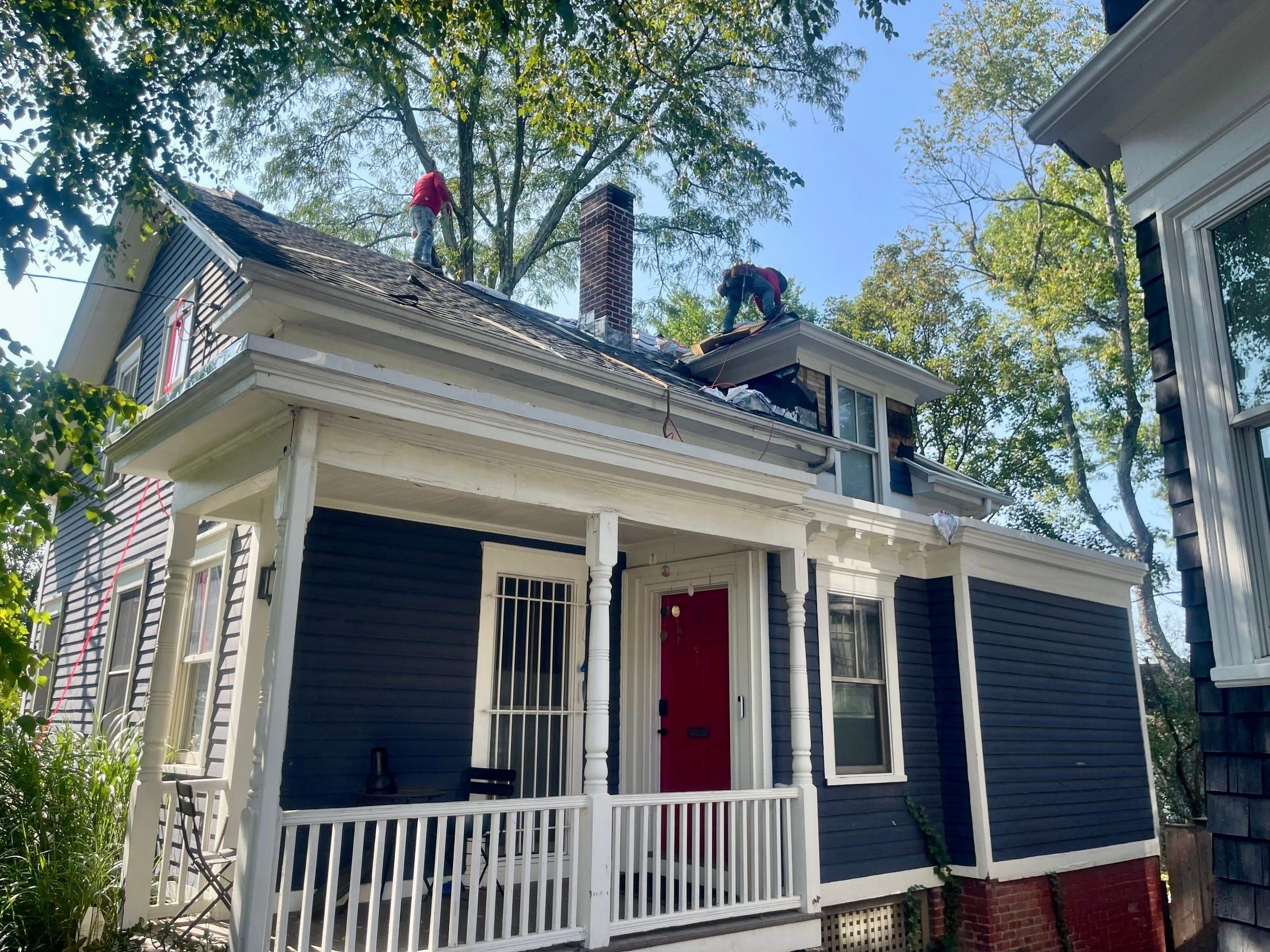
Roof Replacement Cost · Rhode Island
What Drives The Cost Of A Roof Replacement In Rhode Island
Two roofs on the same street can price out very differently, and it's rarely random. Here's what actually moves the number, so you know what you're paying for before you ever get a quote.
Free EstimateRTP-····-···· · Warwick Office
Free Estimate
RTP-····-····Warwick Office
Step 1 of 5 · About 1 Minute
What Does Your Home Need?
Pick the closest one. You don't need the right words for it.
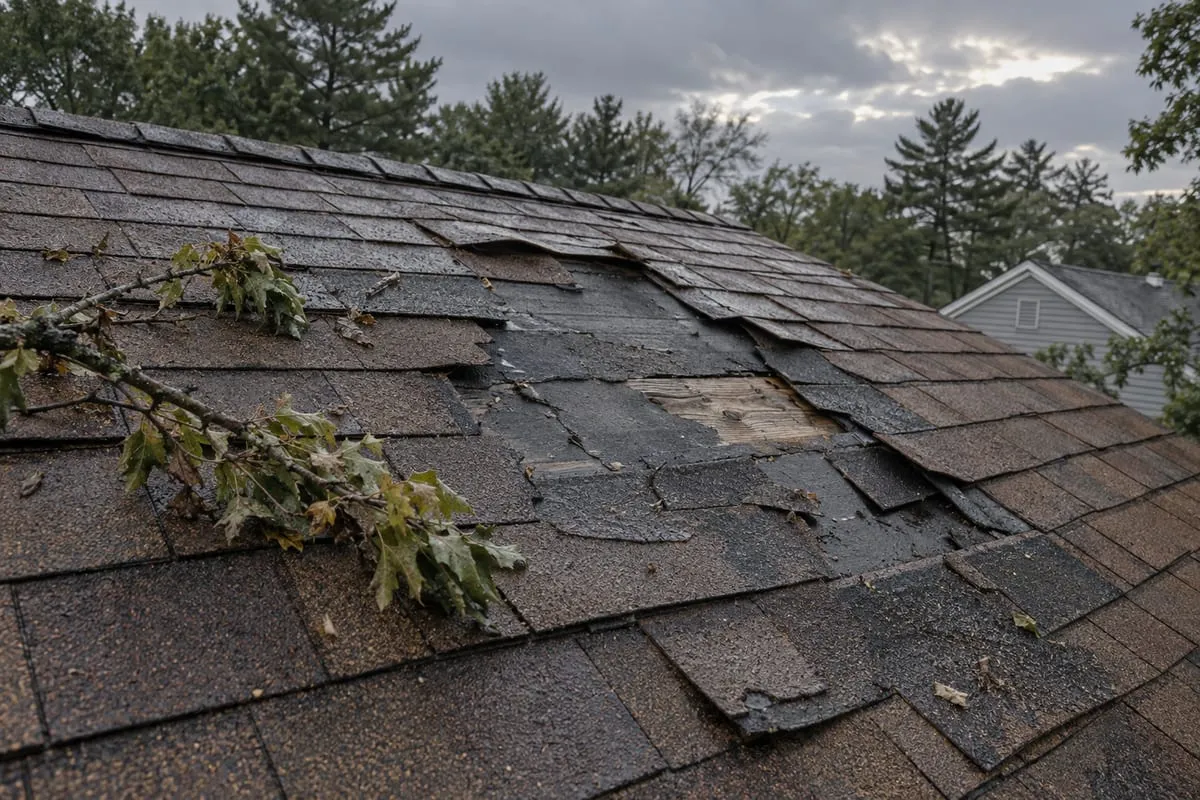 Something's Leaking or DamagedA stain on the ceiling, water in the attic, missing shingles.
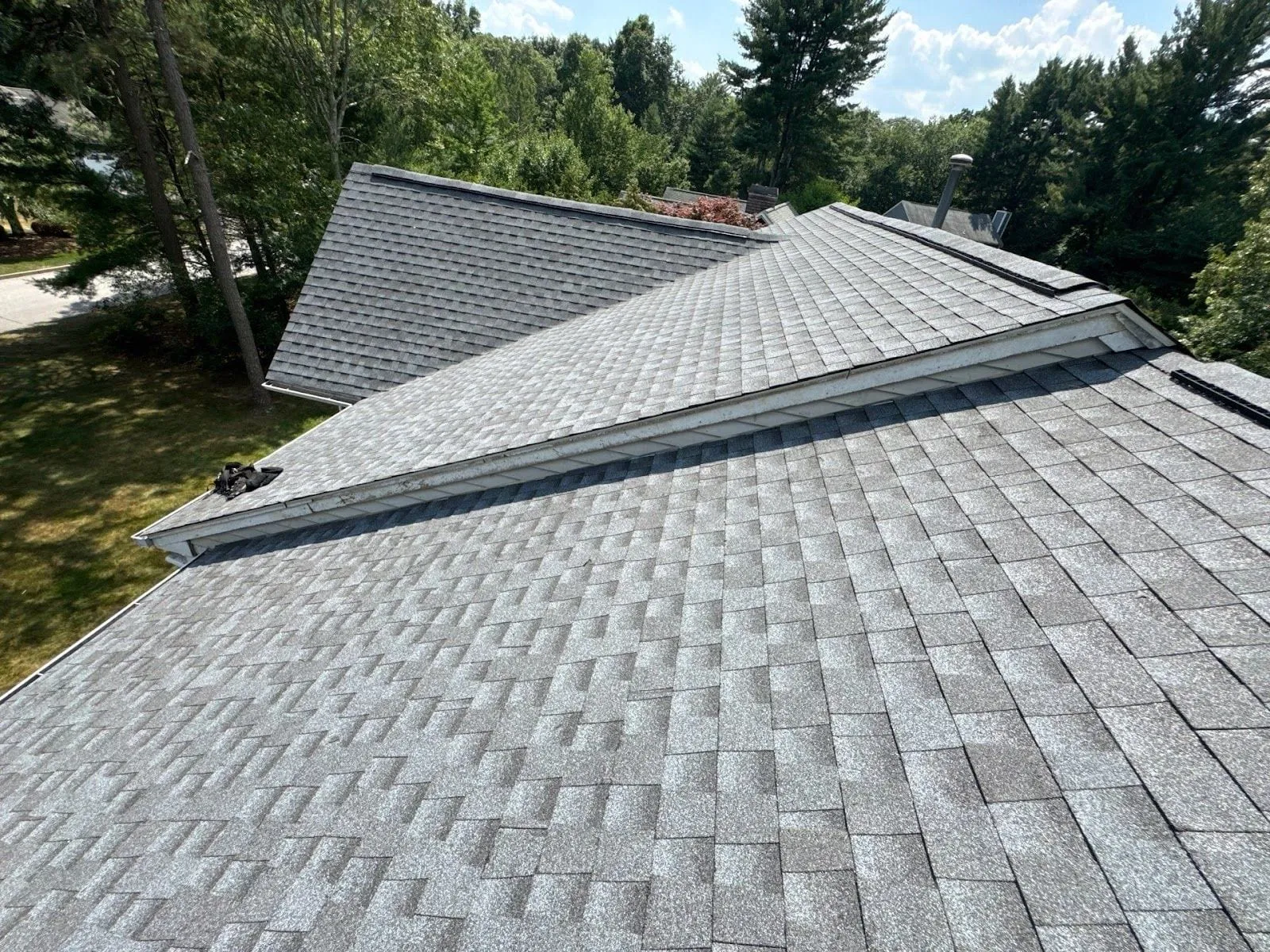 Old Roof, Weighing ReplacementCurling, bald spots, or it's just been a long time.
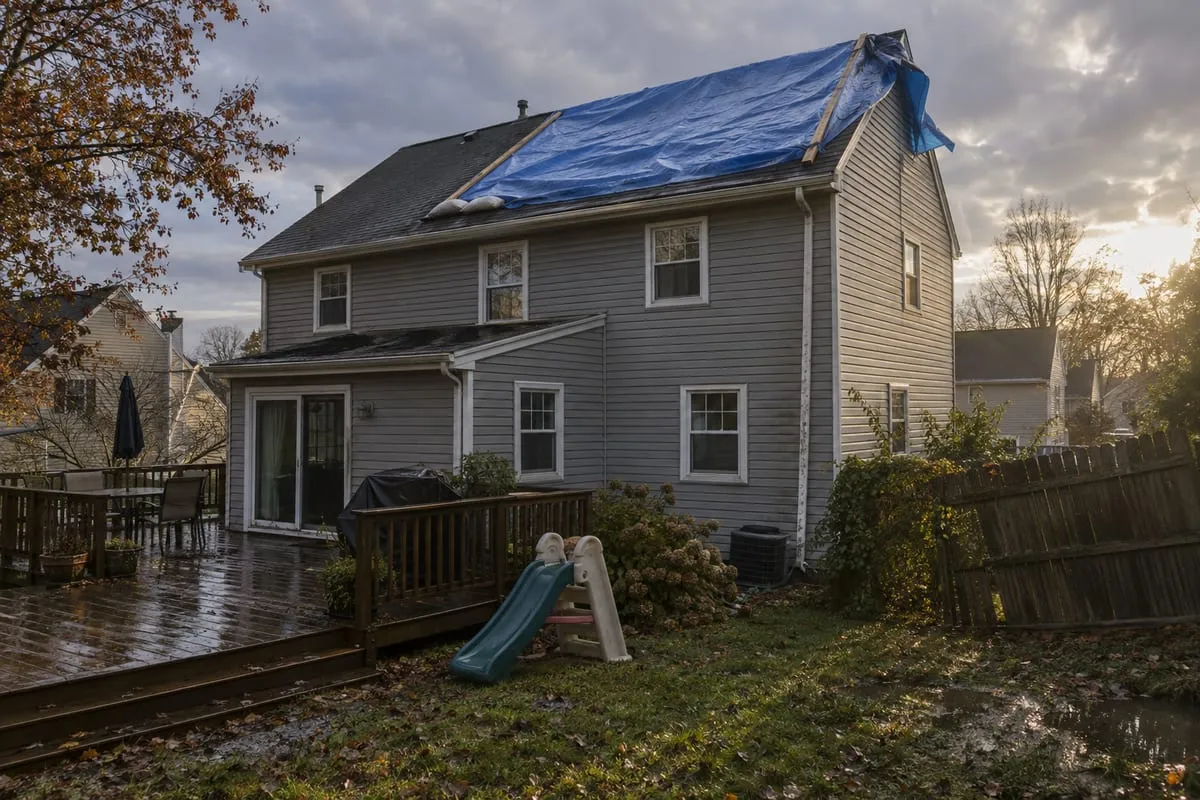 Storm DamageWind, a fallen limb, hail. Claim or no claim.
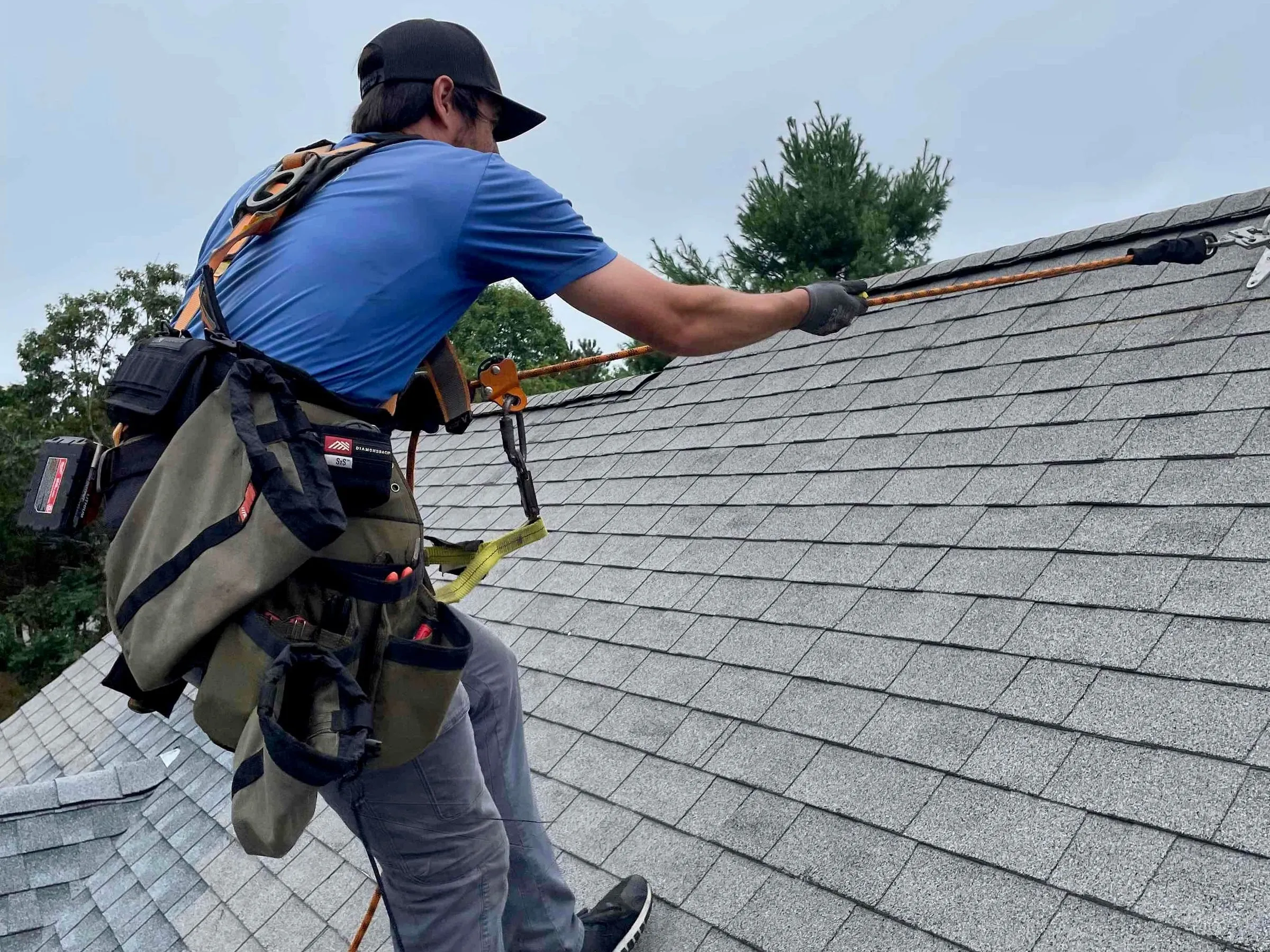 Not Sure, Need an InspectionAn inspection or a second opinion.
 Gutters, Siding or ExteriorGutters, siding, trim, windows, skylights.
 Commercial BuildingFlat or low-slope roofs, maintenance, replacement.
Where Are You Seeing It?
Pick the closest. We'll look at the rest on site.
How Old Is the Roof?
A rough guess is fine.
Have You Started an Insurance Claim?
Either way, we can take a look.
What's Behind the Inspection?
Pick the closest.
Which Part of the Exterior?
Pick the main one. Mention the rest at the end.
What Does the Building Need?
Flat and low-slope roofs included.
What Kind of Property Is It?
When Do You Want It Done?
Where Should We Reach You?
Request Sent
Reference RTP-····-····
We'll reach out from (401) 593-1512 during business hours. Need us sooner? Call that number any time.
Nothing is sent until you say so.
ContinueRather Talk?(401) 593-1512
- GAF Master Elite®
GAF Master Elite® Certified contractor, Cert. #1111816.
- BBB A+
Accredited by the Better Business Bureau since September 29, 2022.
- GC-47694
Licensed and registered general contractor in Rhode Island, valid through September 19, 2027.
- GAF Extended Warranty
Extended manufacturer warranty available on qualifying installations. Coverage terms vary by product and installation.
Why Roof Replacement Quotes Vary So Much
If you've called a few roofing contractors in Rhode Island and gotten quotes that don't seem to line up, that's normal. Roof replacement pricing isn't one number; it's a stack of separate decisions, and every contractor weighs them a little differently. This guide walks through the factors that actually move the price, in the order they usually come up during an estimate, so you can tell a fair quote from a padded one and ask better questions when you're comparing bids. We're not going to hand you dollar figures. Material costs, labor rates, and permit fees change by the season and by the town, so any number we printed here would be stale within a few months. What won't change is which factors matter and why.
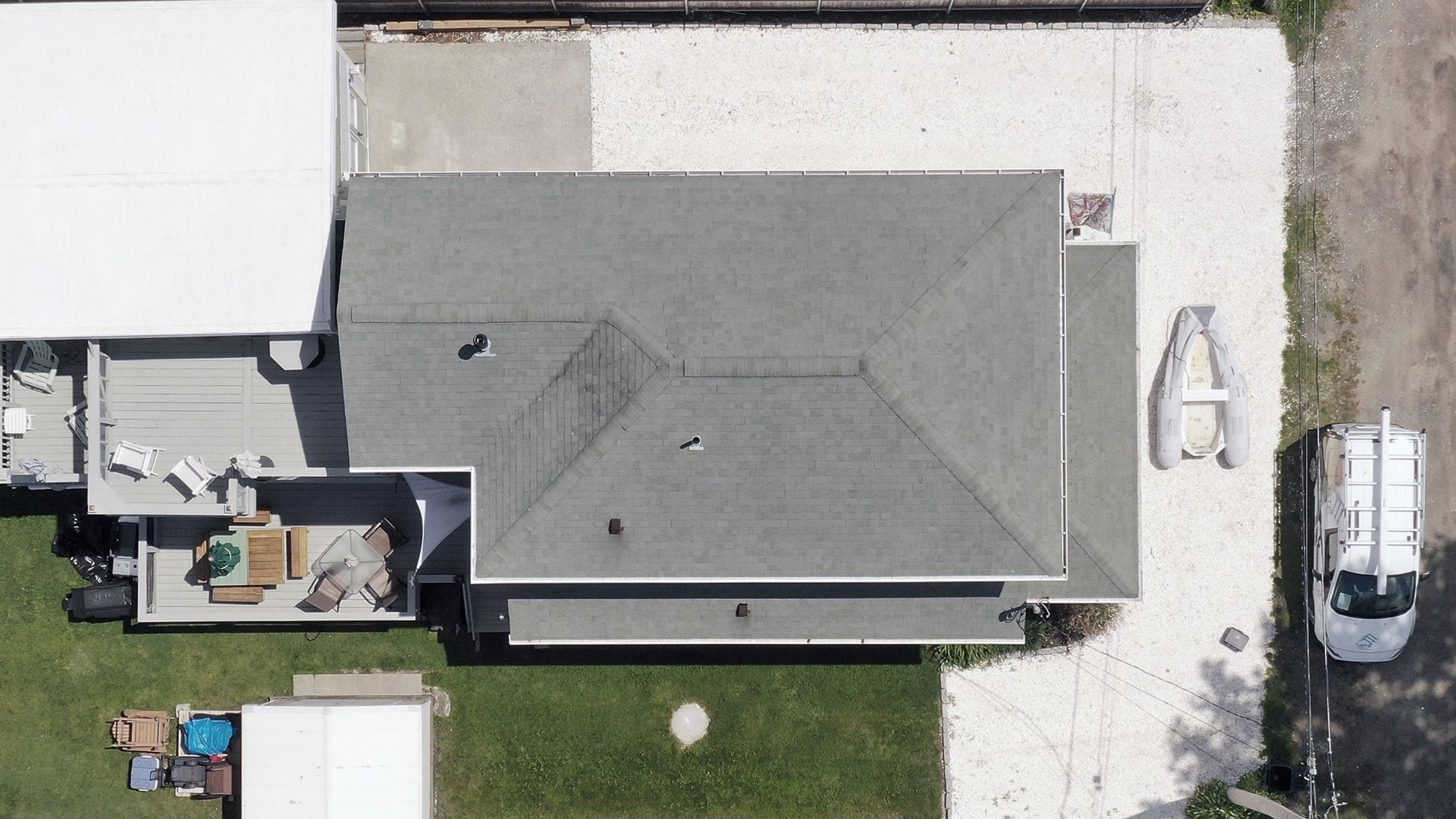
Roof Size, Pitch, And Complexity
Square footage is the obvious starting point, but it's not the whole story. Two roofs of identical size can take very different amounts of labor:
- Pitch. A steep roof requires more fall-protection equipment, slower footing, and often a smaller crew working at once, all of which adds labor time compared to a low-slope roof of the same size.
- Number of planes, valleys, and penetrations. A simple rectangular roof with a couple of vents is straightforward. A roof with multiple dormers, valleys, chimneys, and skylight penetrations takes longer to flash correctly and uses more specialty material at every transition.
- Access. Tight setbacks, mature trees over the roof, a detached garage roofline, or a second story with no ground-level staging area all add time that a wide-open, single-story roof doesn't.
This is why an accurate quote requires someone on the roof, not a number pulled from a satellite photo. We start every estimate with an on-roof look, the same as we do for a roof inspection.
Material Choice
Shingle roofing is the most common choice for Rhode Island homes and covers a wide price range on its own, from standard three-tab and architectural asphalt shingles up through heavier, longer-warranty designer lines. Metal roofing generally costs more upfront than asphalt but is built for a much longer service life and stands up differently to wind and ice; our guide on asphalt shingle vs. metal roofing for New England homes walks through that tradeoff in more depth. On the flat and low-slope sections common on additions, porches, and commercial buildings, TPO membrane is the standard modern choice.
Underlayment and accessory materials matter too, and they're easy for a homeowner to miss on a quote. Ice-and-water shield along eaves and valleys, synthetic underlayment across the field, proper ridge and soffit ventilation components, and quality flashing at every penetration all add real cost, but they're also what determines whether a roof performs through a New England winter or develops a leak at the first ice dam. A quote that skips these to look cheaper on paper usually costs more later.
Tear-Off, Layers, And Roof Deck Condition
What's already on your roof affects the job before a single new shingle goes down. A single-layer tear-off is the simplest case. Multiple existing layers take longer to remove and dispose of, and some jurisdictions limit how many layers can be re-covered rather than torn off, which is one more reason a straight re-cover over old shingles isn't always allowed or advisable.
Once the deck is exposed, its condition is the real wildcard. Soft, rotted, or water-damaged plywood or sheathing has to be replaced before new roofing goes on, and there's often no way to know how much of that is needed until the old roofing is off. A trustworthy contractor should walk you through deck repair as a per-sheet or documented add, not bury an unknown allowance in the base price and hope it's enough.
Permits And Code Compliance
A roof replacement in Rhode Island requires a building permit, pulled by the contractor through the local building department before work starts. That permit fee is a real line item, and the inspection it triggers is part of what makes sure the finished roof actually meets Rhode Island's adopted building code, not a shortcut worth skipping to save a few dollars. We pull the required permit on every replacement so that part isn't on you.
Rhode Island's coastal exposure, salt air off Narragansett Bay, wind-driven rain, and periodic nor'easters, is also part of why local code and manufacturer installation standards specify things like ice-and-water shield coverage at eaves and valleys. A contractor unfamiliar with local requirements may quote a lower price by quietly leaving these out.
Labor, Timing, And Who's On Your Roof
Labor is typically the largest single component of a roof replacement, and it isn't just about crew size. A trained, dedicated crew tends to work more consistently, which is part of how we keep quality steady from the first shingle to the last.
Timing plays a role too. Late spring through fall is peak season for roofing in Rhode Island, and contractor schedules, and sometimes pricing, reflect that demand. Booking a non-emergency replacement in the off-season can mean more flexible scheduling, though storm damage and active leaks obviously don't wait for a convenient month, which is why we also handle storm and insurance claims work year-round.
How To Get An Accurate Estimate, Not A Guess
The single biggest thing that separates an accurate quote from a rough guess is whether someone actually got on your roof. A number generated from a satellite measurement or a drive-by look can be close on square footage and still miss pitch, access, deck condition, and existing layers entirely, all of which move the real price. We start every replacement quote with a free, on-roof inspection so what you're quoted reflects what's actually up there, not an estimate of an estimate.
Thinking about solar with your new roof? See roof replacement with solar in Rhode Island from Rooftop Power, the family of companies RTP Roofing is part of.
Questions
Frequently asked questions
Why did I get three roof replacement quotes with three different prices?
Because the factors above (material grade, underlayment, deck repair allowance, permit handling, crew type) can all be priced differently even for the same roof. The way to compare fairly is to ask each contractor exactly which materials and scope are included, not just the bottom-line number.
Does roof pitch really change the price that much?
Yes. A steeper roof takes more time, more fall-protection setup, and often more careful footing than a low-slope roof of the same square footage, and that labor difference shows up in the quote.
Will I know the final price before work starts?
You'll know the quoted price before work starts. If the tear-off reveals rotted decking that wasn't visible beforehand, that's the one common source of a documented add, and we'll show you exactly what we found before doing that work, not add it to the invoice after the fact.
Do I need a permit for a roof replacement in Rhode Island?
Yes. Rhode Island requires a building permit for roof replacement, and we pull it through the local building department on every job we do, along with the inspection that comes with it.
Is it cheaper to re-cover an existing roof instead of a full tear-off?
It can look cheaper upfront, but it isn't always allowed depending on how many layers are already up there, and it hides the roof deck's actual condition. We'll tell you honestly whether your roof is a re-cover candidate or needs a full tear-off during the inspection.
Does the season I schedule in affect the price?
It can affect scheduling flexibility more than price directly. Late spring through fall is our busiest season; booking outside that window, when the work isn't storm-related or urgent, often means more open scheduling.
Serving Rhode Island
- What drives the cost of a roof replacement in rhode island in Barrington
- What drives the cost of a roof replacement in rhode island in Bristol
- What drives the cost of a roof replacement in rhode island in Burrillville
- What drives the cost of a roof replacement in rhode island in Central Falls
- What drives the cost of a roof replacement in rhode island in Charlestown
- What drives the cost of a roof replacement in rhode island in Coventry
- What drives the cost of a roof replacement in rhode island in Cranston
- What drives the cost of a roof replacement in rhode island in Cumberland
- What drives the cost of a roof replacement in rhode island in East Greenwich
- What drives the cost of a roof replacement in rhode island in East Providence
- What drives the cost of a roof replacement in rhode island in Exeter
- What drives the cost of a roof replacement in rhode island in Foster
- What drives the cost of a roof replacement in rhode island in Glocester
- What drives the cost of a roof replacement in rhode island in Hopkinton
- What drives the cost of a roof replacement in rhode island in Jamestown
- What drives the cost of a roof replacement in rhode island in Johnston
- What drives the cost of a roof replacement in rhode island in Lincoln
- What drives the cost of a roof replacement in rhode island in Little Compton
- What drives the cost of a roof replacement in rhode island in Middletown
- What drives the cost of a roof replacement in rhode island in Narragansett
- What drives the cost of a roof replacement in rhode island in New Shoreham
- What drives the cost of a roof replacement in rhode island in Newport
- What drives the cost of a roof replacement in rhode island in North Kingstown
- What drives the cost of a roof replacement in rhode island in North Providence
- What drives the cost of a roof replacement in rhode island in North Smithfield
- What drives the cost of a roof replacement in rhode island in Pawtucket
- What drives the cost of a roof replacement in rhode island in Portsmouth
- What drives the cost of a roof replacement in rhode island in Providence
- What drives the cost of a roof replacement in rhode island in Richmond
- What drives the cost of a roof replacement in rhode island in Scituate
- What drives the cost of a roof replacement in rhode island in Smithfield
- What drives the cost of a roof replacement in rhode island in South Kingstown
- What drives the cost of a roof replacement in rhode island in Tiverton
- What drives the cost of a roof replacement in rhode island in Warren
- What drives the cost of a roof replacement in rhode island in Warwick
- What drives the cost of a roof replacement in rhode island in West Greenwich
- What drives the cost of a roof replacement in rhode island in West Warwick
- What drives the cost of a roof replacement in rhode island in Westerly
- What drives the cost of a roof replacement in rhode island in Woonsocket
Serving Massachusetts
- Roofing in Attleboro, MA
- Roofing in Bellingham, MA
- Roofing in Blackstone, MA
- Roofing in Bridgewater, MA
- Roofing in Brockton, MA
- Roofing in Dartmouth, MA
- Roofing in Easton, MA
- Roofing in Fall River, MA
- Roofing in Foxborough, MA
- Roofing in Franklin, MA
- Roofing in Mansfield, MA
- Roofing in Middleborough, MA
- Roofing in Milford, MA
- Roofing in New Bedford, MA
- Roofing in North Attleborough, MA
- Roofing in Norton, MA
- Roofing in Plymouth, MA
- Roofing in Rehoboth, MA
- Roofing in Seekonk, MA
- Roofing in Somerset, MA
- Roofing in Swansea, MA
- Roofing in Taunton, MA
- Roofing in Uxbridge, MA
- Roofing in Wareham, MA
- Roofing in Westport, MA
- Roofing in Worcester, MA
Related pages
- Roof inspector Providence RI
- Roofing contractor Warwick RI
- Hail damage roof Rhode Island
- Shingle Roofing in Warwick, RI
- Metal Roofing in Warwick, RI
- Roofing company Warwick RI
- How to tell if roof needs replacing
- Roof insurance claim process RI
- Metal roof vs shingle roof Rhode Island
- Best time of year to replace a roof
- Flat roof leak repair
- GAF master elite warranty
Back to All roofing guides
Get A Straight, On-Roof Estimate
Skip the satellite guess. Request a free, on-roof inspection or call (401) 593-1512 for an estimate based on what's actually on your roof.