
Storm-Damage Insurance Claims · Rhode Island
How A Roof Storm-Damage Insurance Claim Works In Rhode Island, Step By Step
A storm hits, shingles are missing, and now you're supposed to deal with an insurance claim on top of it. Here's what the process actually looks like in Rhode Island, step by step, so you know what to expect before you make the first call.
Free EstimateRTP-····-···· · Warwick Office
Free Estimate
RTP-····-····Warwick Office
Step 1 of 5 · About 1 Minute
What Does Your Home Need?
Pick the closest one. You don't need the right words for it.
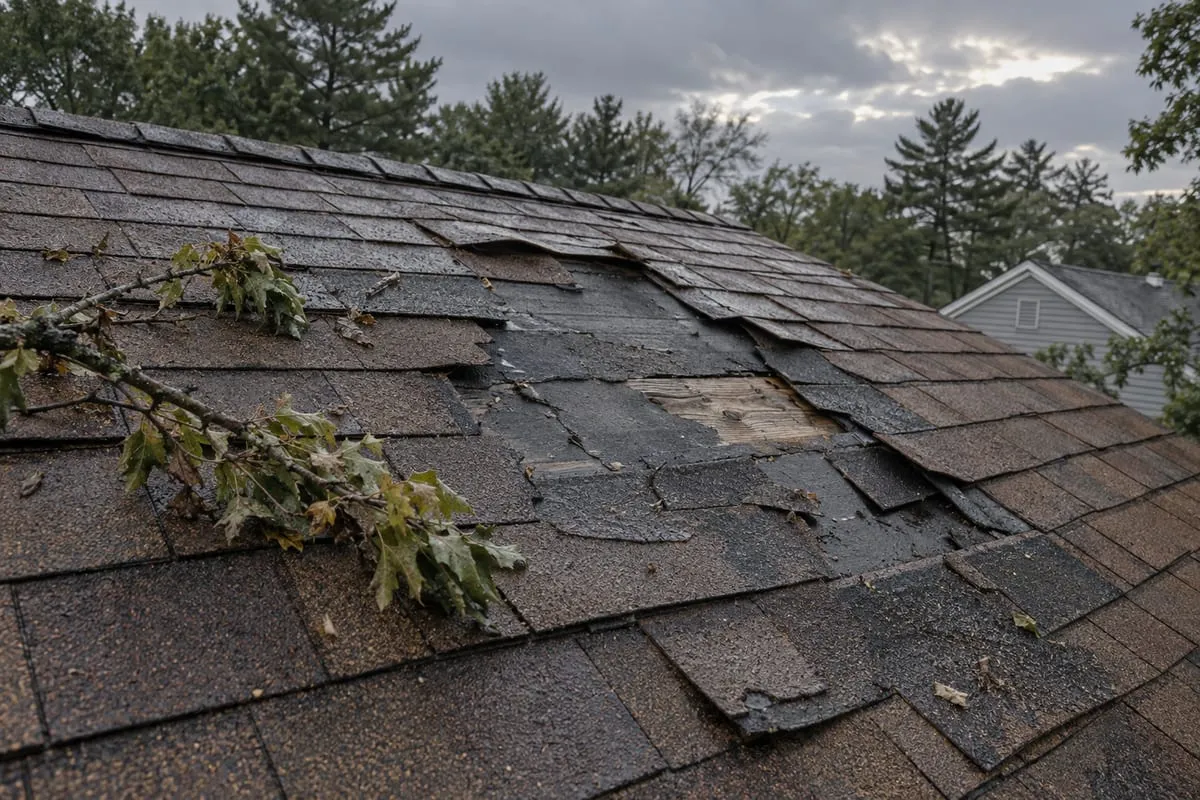 Something's Leaking or DamagedA stain on the ceiling, water in the attic, missing shingles.
 Old Roof, Weighing ReplacementCurling, bald spots, or it's just been a long time.
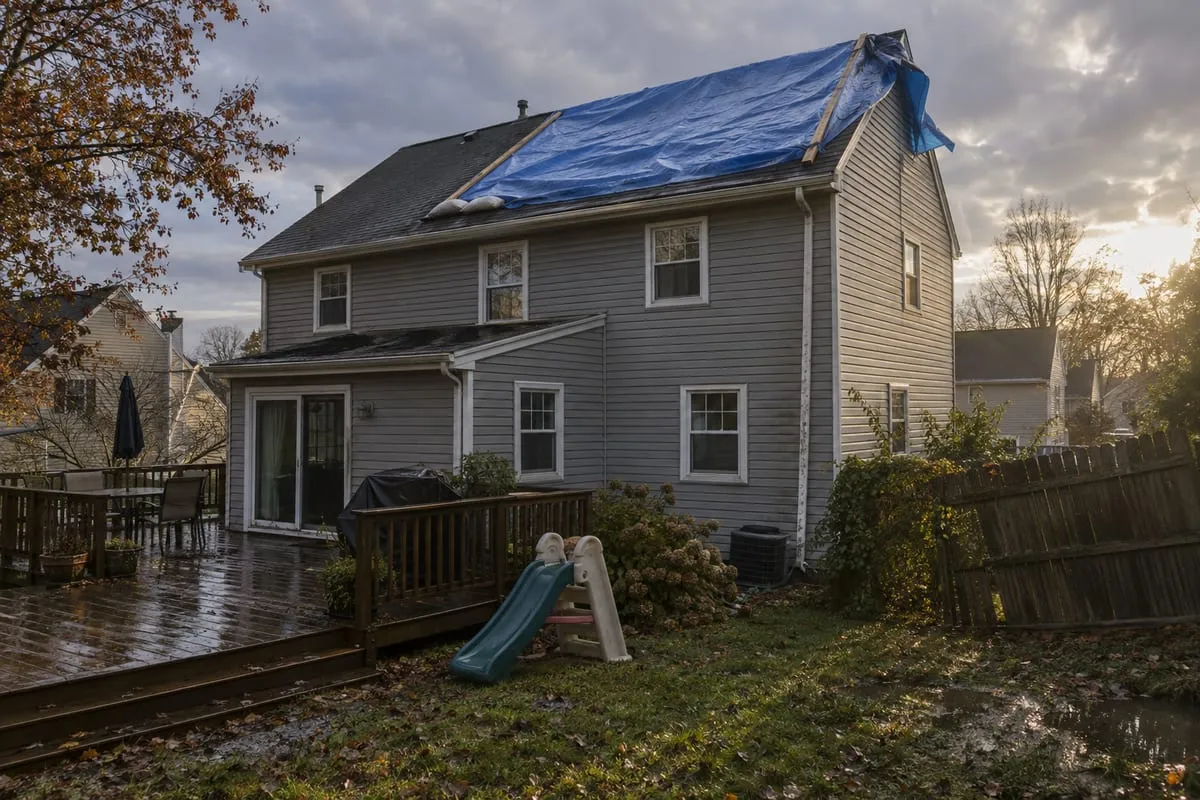 Storm DamageWind, a fallen limb, hail. Claim or no claim.
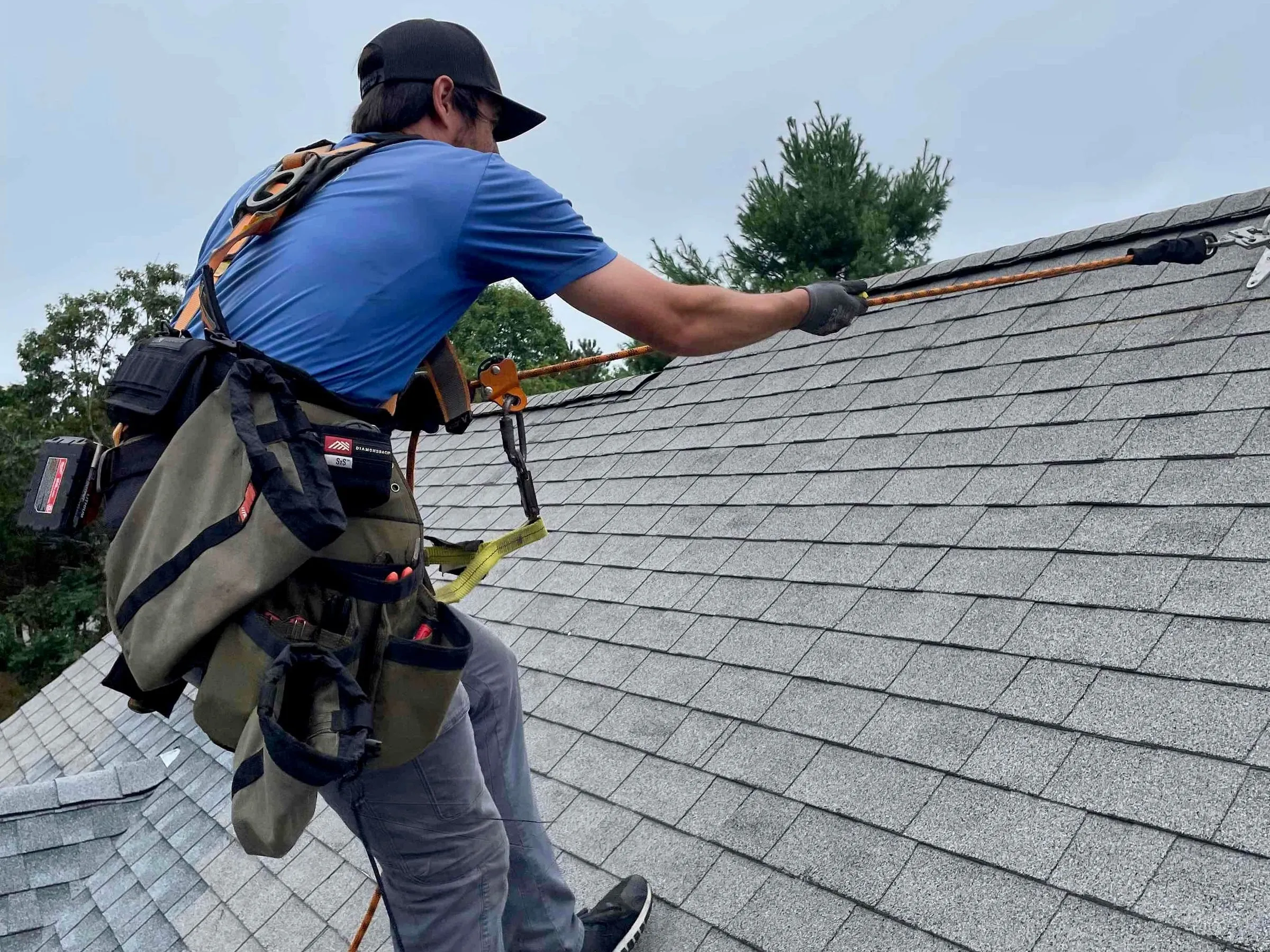 Not Sure, Need an InspectionAn inspection or a second opinion.
 Gutters, Siding or ExteriorGutters, siding, trim, windows, skylights.
 Commercial BuildingFlat or low-slope roofs, maintenance, replacement.
Where Are You Seeing It?
Pick the closest. We'll look at the rest on site.
How Old Is the Roof?
A rough guess is fine.
Have You Started an Insurance Claim?
Either way, we can take a look.
What's Behind the Inspection?
Pick the closest.
Which Part of the Exterior?
Pick the main one. Mention the rest at the end.
What Does the Building Need?
Flat and low-slope roofs included.
What Kind of Property Is It?
When Do You Want It Done?
Where Should We Reach You?
Request Sent
Reference RTP-····-····
We'll reach out from (401) 593-1512 during business hours. Need us sooner? Call that number any time.
Nothing is sent until you say so.
ContinueRather Talk?(401) 593-1512
- GAF Master Elite®
GAF Master Elite® Certified contractor, Cert. #1111816.
- BBB A+
Accredited by the Better Business Bureau since September 29, 2022.
- GC-47694
Licensed and registered general contractor in Rhode Island, valid through September 19, 2027.
- GAF Extended Warranty
Extended manufacturer warranty available on qualifying installations. Coverage terms vary by product and installation.
Step 1: Make The Roof Safe, Then Document Everything
Before anything involving insurance, make sure your family is safe and there's no immediate hazard like a downed power line. Once that's handled, Rhode Island's own consumer guidance from the Department of Business Regulation is clear on what comes next: do what you reasonably can to prevent further damage, such as covering an active leak with a tarp, and keep every receipt for that emergency work to give your insurer later. Don't start permanent repairs yet; your policy may not cover work your insurer hasn't had a chance to see first.
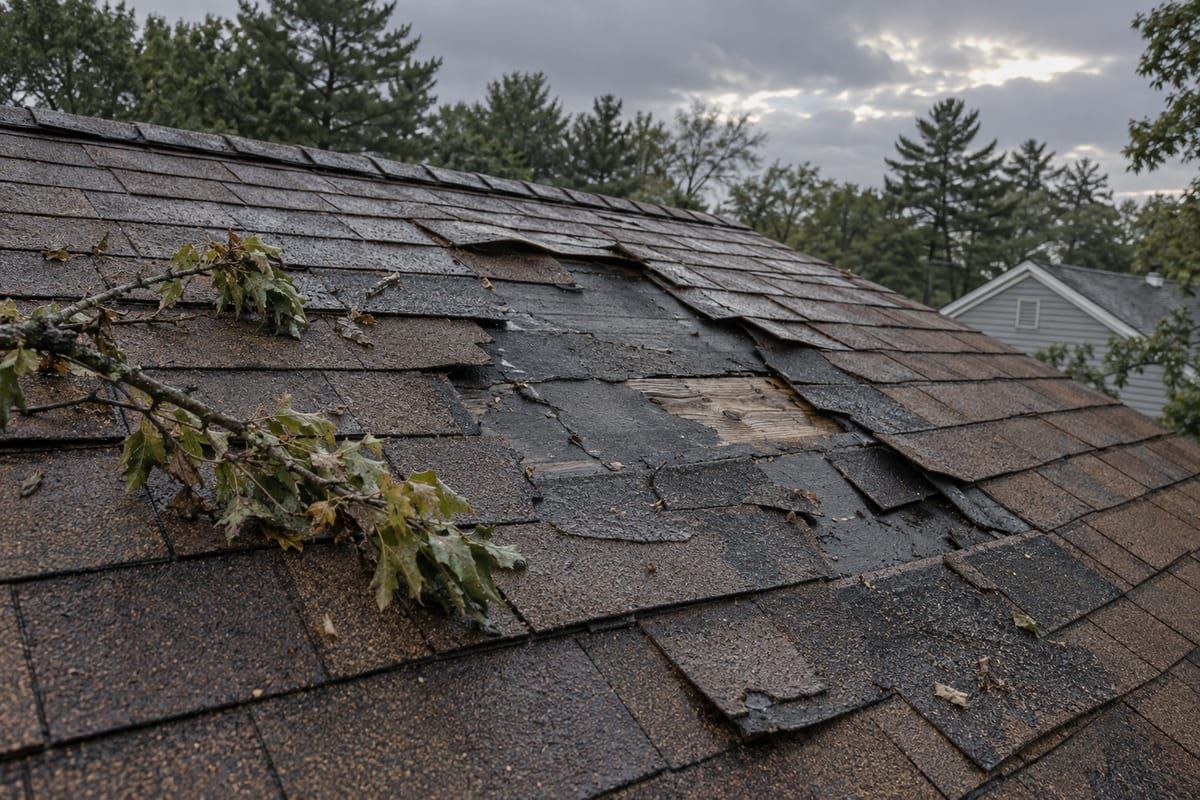
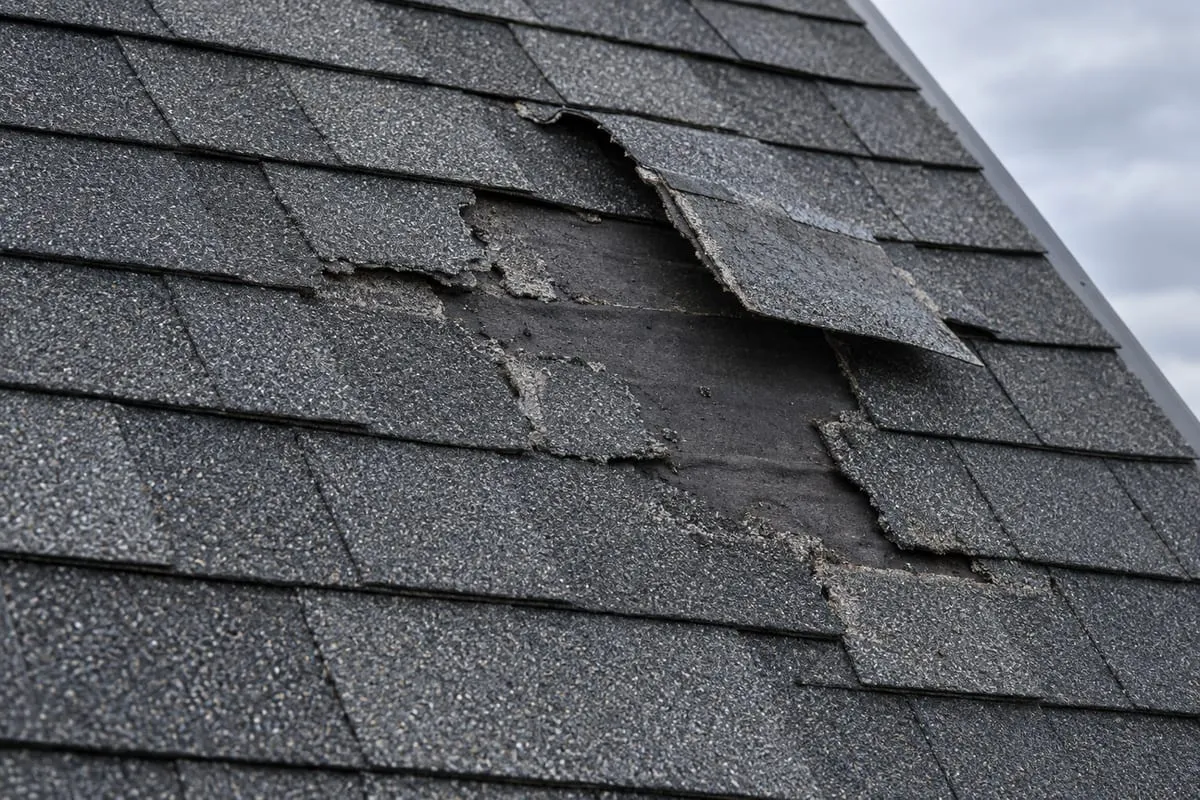
While the damage is fresh, take photos and video of everything: missing or lifted shingles, granule loss, dented flashing, and any interior staining or leaks. This documentation is separate from whatever your insurer's adjuster records, and it's yours to keep.
Step 2: Report The Claim To Your Insurance Company
Call your insurance company or agent as soon as you know there's storm damage worth claiming. Have your policy number ready if you can find it, but if not, your insurer can look up your policy by name and address. Ask directly: how long you have to file, whether there's a separate wind or hail deductible from your regular deductible, and roughly when you can expect an adjuster to contact you. Getting that timeline in writing, or at least in your own notes with a date and the rep's name, gives you something to point back to if the process stalls.
Step 3: Meet The Adjuster, And Know Which Kind You're Dealing With
An adjuster's job is to inspect the roof, estimate the cost of the damage, and check that against what your policy covers. Rhode Island's consumer guidance describes three types you might encounter:
- Company adjuster, who works directly for your insurance company. You don't pay them.
- Independent adjuster, hired by your insurer when it needs extra help, often after a widespread storm. You don't pay them either.
- Public adjuster, who you hire yourself to represent your interests in the claim, and who charges you a fee, typically a percentage of the settlement, that they're required to spell out in a signed contract before doing the work.
Before the adjuster arrives, gather your documentation and, if you have time, a written estimate from a roofing contractor. When they inspect, walk the damage with them if you can, get their name and direct contact information, and ask when you'll hear back with a decision.
Step 4: Understand What Your Payout Actually Covers
This is where a lot of roof claims get confusing, and it's worth slowing down on. Two terms decide how much you actually collect:
- Replacement Cost Value (RCV) pays what it costs to replace your roof today, without subtracting for age.
- Actual Cash Value (ACV) pays the replacement cost minus depreciation, meaning an older roof is worth less on paper even though it still needs to be fully replaced.
Here's the part most homeowners don't realize: even if the rest of your policy is RCV, your roof specifically may be covered on an ACV basis, sometimes based on its age or roofing material. Check your policy's declarations page or ask your adjuster directly which one applies to your roof. If you do have an RCV policy, insurers commonly pay the ACV amount first and release the remaining "recoverable depreciation" once you show the repair or replacement is actually done, usually within a window set by your policy, so don't sit on that paperwork after the work is finished.
One more Rhode Island-specific point worth knowing: state insurance regulation addresses what happens when only part of your roof is damaged and the existing shingles can no longer be matched, for example because that product line is discontinued or has faded. In that situation, insurers may be required to replace enough of the roof to restore a reasonably uniform appearance rather than paying for a visibly mismatched patch. If your insurer is only offering to patch a section that can't realistically be matched, that's worth raising directly with them or with the state.
Step 5: Get The Work Done, With A Contractor You've Actually Checked
Once you know what's covered, you'll choose a contractor for the repair or replacement. Rhode Island's own guidance for homeowners recommends getting more than one estimate, confirming your contractor pulls the required local building permit, and, importantly, checking that whoever you hire is properly registered. Rhode Island law requires anyone doing residential construction, including roof repairs and replacement, to be registered with the Contractors' Registration and Licensing Board. Ask to see that registration before signing anything, and be cautious of anyone who wants a large payment upfront.
RTP Roofing is RI-registered under GC-47694. We'll give you a straight estimate against whatever your insurer has approved, whether that's a roof repair or a full roof replacement, and pull the permit your job needs.
Step 6: If You Disagree With The Settlement
Differences between a contractor's estimate and an insurer's estimate are common, and there are ways to resolve them short of a lawsuit. If your policy includes an appraisal clause, you and your insurer each bring in an appraiser to compare estimates and settle the cost, separate from the question of what's covered. Some policies use arbitration instead, where a neutral third party decides and both sides agree to accept it.
If you believe your claim was underpaid or wrongly denied, Rhode Island's Department of Business Regulation can't force an insurer to pay a claim, but it will review your concerns and answer questions; you can reach the Insurance Division's consumer line at (401) 462-9500 or by writing to dbr.insurance@dbr.ri.gov.
Questions
Frequently asked questions
Does homeowners insurance in Rhode Island cover storm damage to my roof?
Most homeowners policies cover wind and hail damage, but coverage details, deductibles, and whether your roof specifically is paid on a replacement cost or actual cash value basis all vary by policy. Check your declarations page or ask your agent directly, since flood damage generally requires separate coverage.
How long does a storm-damage roof claim take to settle in Rhode Island?
It depends on the extent of the damage and how busy adjusters are after a widespread storm. A straightforward claim can move in a matter of weeks; claims tied to a major regional disaster, where insurers are handling a high volume at once, commonly take longer. Your insurer should give you a status update whenever you ask.
What's the difference between actual cash value and replacement cost for my roof?
Replacement cost pays what it takes to replace your roof today. Actual cash value subtracts depreciation for the roof's age, so an older roof settles for less even though it costs the same to replace. Some policies pay actual cash value on the roof specifically even if the rest of the home is covered at replacement cost, so it's worth confirming which applies before you get a number back.
Am I required to use the contractor my insurance company suggests?
No. You can choose any properly registered roofing contractor. Get more than one estimate, and confirm your contractor is registered with Rhode Island's Contractors' Registration and Licensing Board before signing anything.
What if my insurer will only pay to patch part of my roof and the shingles don't match?
Rhode Island insurance regulation addresses this situation: if the existing shingles can't be reasonably matched, insurers may need to cover enough additional roof area to restore a uniform appearance rather than leaving a visibly mismatched patch. Raise this directly with your adjuster if it comes up.
What do I do if I disagree with my insurance company's settlement offer?
Ask for the basis of their estimate in writing and compare it line-by-line against a contractor's estimate. Many policies offer an appraisal or arbitration process to resolve cost disagreements, and Rhode Island's Department of Business Regulation Insurance Division will review consumer concerns, though it can't order an insurer to pay a specific claim.
Serving Rhode Island
- How a roof storm-damage insurance claim works in rhode island, step by step in Barrington
- How a roof storm-damage insurance claim works in rhode island, step by step in Bristol
- How a roof storm-damage insurance claim works in rhode island, step by step in Burrillville
- How a roof storm-damage insurance claim works in rhode island, step by step in Central Falls
- How a roof storm-damage insurance claim works in rhode island, step by step in Charlestown
- How a roof storm-damage insurance claim works in rhode island, step by step in Coventry
- How a roof storm-damage insurance claim works in rhode island, step by step in Cranston
- How a roof storm-damage insurance claim works in rhode island, step by step in Cumberland
- How a roof storm-damage insurance claim works in rhode island, step by step in East Greenwich
- How a roof storm-damage insurance claim works in rhode island, step by step in East Providence
- How a roof storm-damage insurance claim works in rhode island, step by step in Exeter
- How a roof storm-damage insurance claim works in rhode island, step by step in Foster
- How a roof storm-damage insurance claim works in rhode island, step by step in Glocester
- How a roof storm-damage insurance claim works in rhode island, step by step in Hopkinton
- How a roof storm-damage insurance claim works in rhode island, step by step in Jamestown
- How a roof storm-damage insurance claim works in rhode island, step by step in Johnston
- How a roof storm-damage insurance claim works in rhode island, step by step in Lincoln
- How a roof storm-damage insurance claim works in rhode island, step by step in Little Compton
- How a roof storm-damage insurance claim works in rhode island, step by step in Middletown
- How a roof storm-damage insurance claim works in rhode island, step by step in Narragansett
- How a roof storm-damage insurance claim works in rhode island, step by step in New Shoreham
- How a roof storm-damage insurance claim works in rhode island, step by step in Newport
- How a roof storm-damage insurance claim works in rhode island, step by step in North Kingstown
- How a roof storm-damage insurance claim works in rhode island, step by step in North Providence
- How a roof storm-damage insurance claim works in rhode island, step by step in North Smithfield
- How a roof storm-damage insurance claim works in rhode island, step by step in Pawtucket
- How a roof storm-damage insurance claim works in rhode island, step by step in Portsmouth
- How a roof storm-damage insurance claim works in rhode island, step by step in Providence
- How a roof storm-damage insurance claim works in rhode island, step by step in Richmond
- How a roof storm-damage insurance claim works in rhode island, step by step in Scituate
- How a roof storm-damage insurance claim works in rhode island, step by step in Smithfield
- How a roof storm-damage insurance claim works in rhode island, step by step in South Kingstown
- How a roof storm-damage insurance claim works in rhode island, step by step in Tiverton
- How a roof storm-damage insurance claim works in rhode island, step by step in Warren
- How a roof storm-damage insurance claim works in rhode island, step by step in Warwick
- How a roof storm-damage insurance claim works in rhode island, step by step in West Greenwich
- How a roof storm-damage insurance claim works in rhode island, step by step in West Warwick
- How a roof storm-damage insurance claim works in rhode island, step by step in Westerly
- How a roof storm-damage insurance claim works in rhode island, step by step in Woonsocket
Serving Massachusetts
- Attleboro roofing services
- Bellingham roofing services
- Blackstone roofing services
- Bridgewater roofing services
- Brockton roofing services
- Dartmouth roofing services
- Easton roofing services
- Fall River roofing services
- Foxborough roofing services
- Franklin roofing services
- Mansfield roofing services
- Middleborough roofing services
- Milford roofing services
- New Bedford roofing services
- North Attleborough roofing services
- Norton roofing services
- Plymouth roofing services
- Rehoboth roofing services
- Seekonk roofing services
- Somerset roofing services
- Swansea roofing services
- Taunton roofing services
- Uxbridge roofing services
- Wareham roofing services
- Westport roofing services
- Worcester roofing services
Related pages
Back to Roofing guides in Rhode Island
Get Your Roof Documented Before You File
Request a free, on-roof inspection or call (401) 593-1512. We'll document the storm damage in writing so you're walking into the claims process with real evidence, not a guess from the ground.