
Tree Services · Warwick, RI
Tree Services in Warwick, RI
A branch that scrapes the shingles every time the wind picks up. A tree close enough to drop limbs on your roof in the next storm. Before we replace or repair a roof, RTP Roofing clears what's threatening it.
Free EstimateRTP-····-···· · Warwick Office
Free Estimate
RTP-····-····Warwick Office
Step 1 of 5 · About 1 Minute
What Does Your Home Need?
Pick the closest one. You don't need the right words for it.
 Something's Leaking or DamagedA stain on the ceiling, water in the attic, missing shingles.
 Old Roof, Weighing ReplacementCurling, bald spots, or it's just been a long time.
 Storm DamageWind, a fallen limb, hail. Claim or no claim.
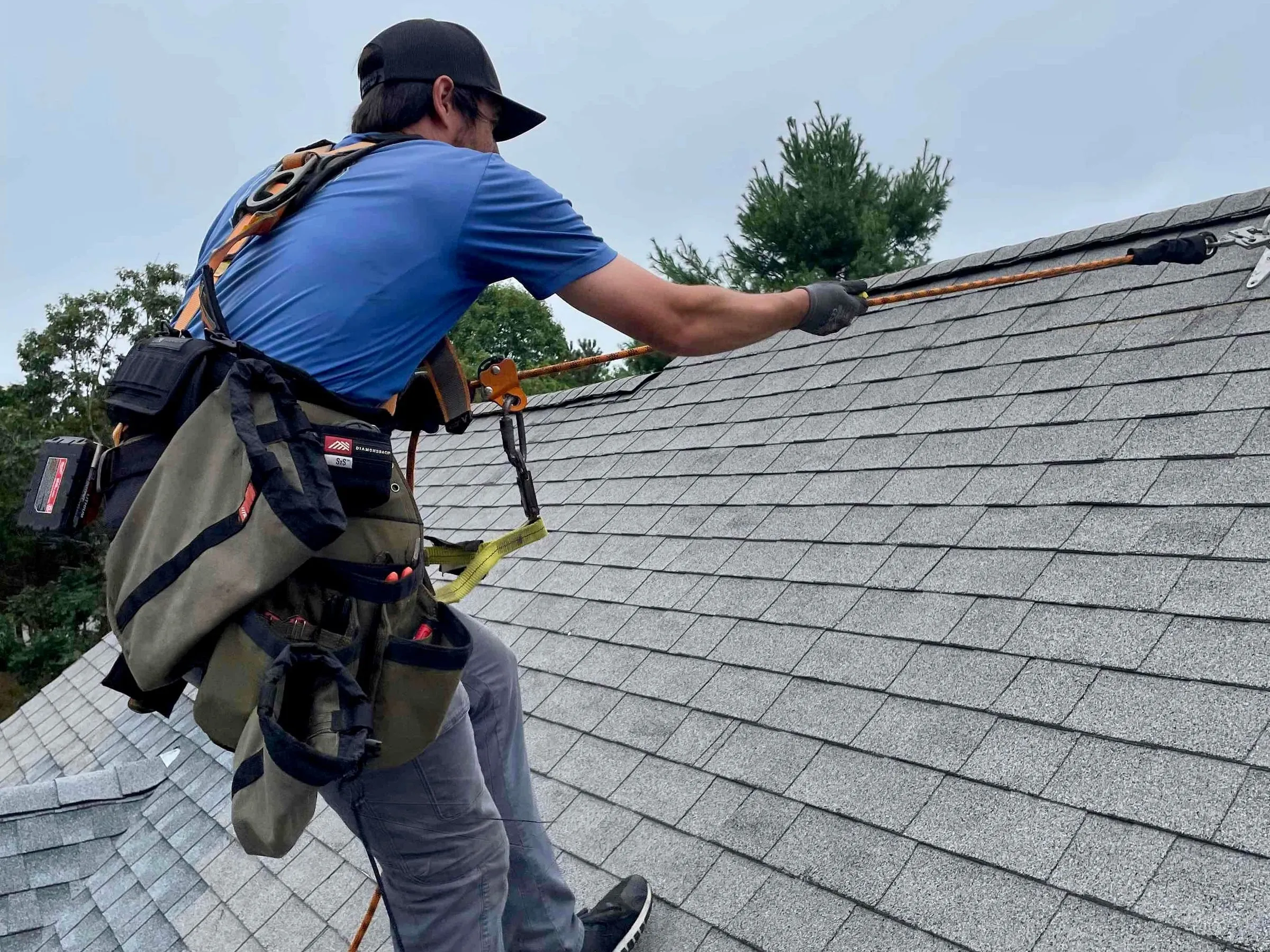 Not Sure, Need an InspectionAn inspection or a second opinion.
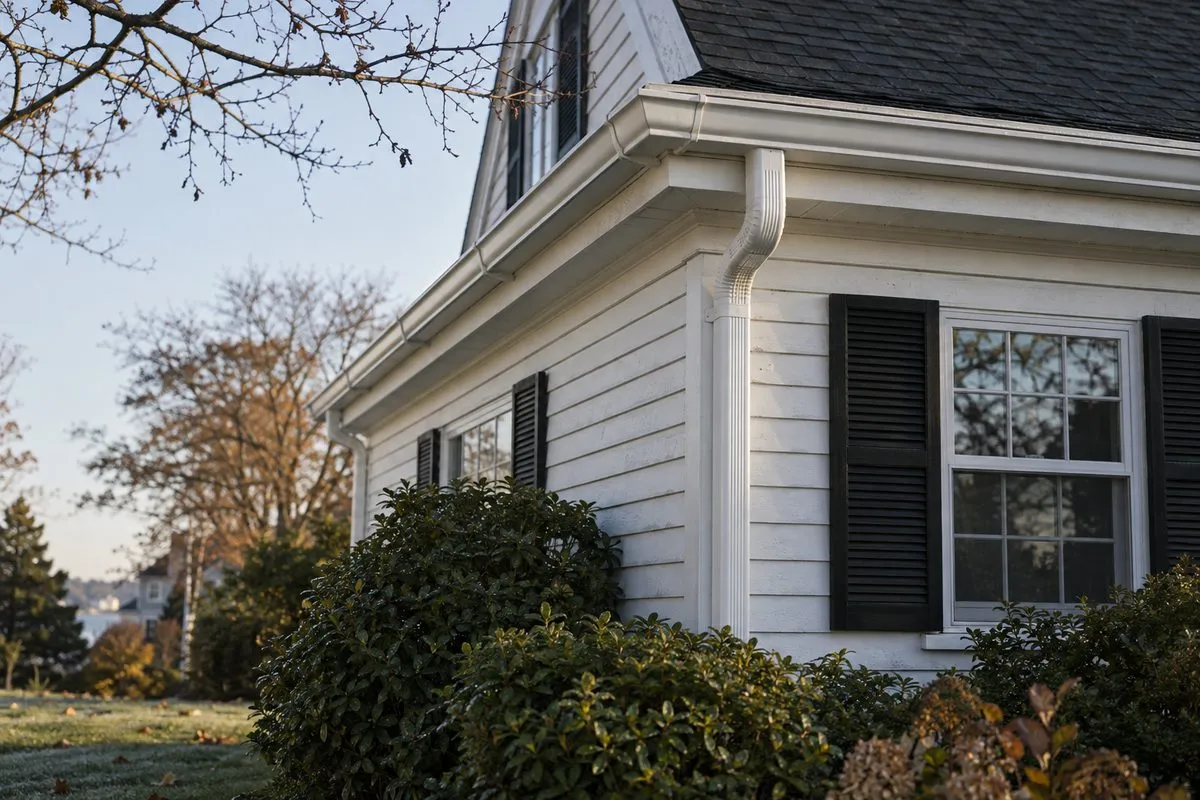 Gutters, Siding or ExteriorGutters, siding, trim, windows, skylights.
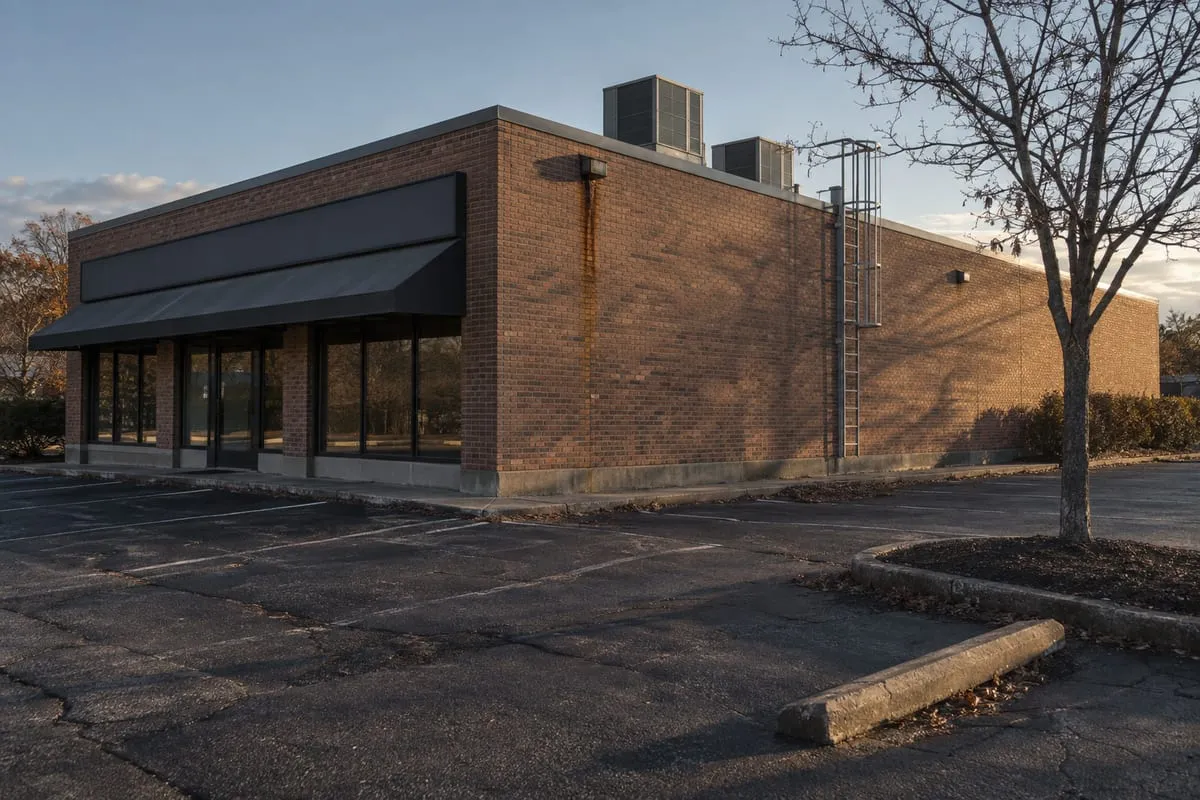 Commercial BuildingFlat or low-slope roofs, maintenance, replacement.
Where Are You Seeing It?
Pick the closest. We'll look at the rest on site.
How Old Is the Roof?
A rough guess is fine.
Have You Started an Insurance Claim?
Either way, we can take a look.
What's Behind the Inspection?
Pick the closest.
Which Part of the Exterior?
Pick the main one. Mention the rest at the end.
What Does the Building Need?
Flat and low-slope roofs included.
What Kind of Property Is It?
When Do You Want It Done?
Where Should We Reach You?
Request Sent
Reference RTP-····-····
We'll reach out from (401) 593-1512 during business hours. Need us sooner? Call that number any time.
Nothing is sent until you say so.
ContinueRather Talk?(401) 593-1512
- GAF Master Elite
GAF Master Elite® Certified contractor, Cert. #1111816.
- BBB A+
Accredited by the Better Business Bureau since September 29, 2022.
- RI GC-47694
Licensed and registered general contractor in Rhode Island, valid through September 19, 2027.
- GAF Golden Pledge
Extended manufacturer warranty available on qualifying installations. Coverage terms vary by product and installation.
How Overhanging Trees Damage A Roof
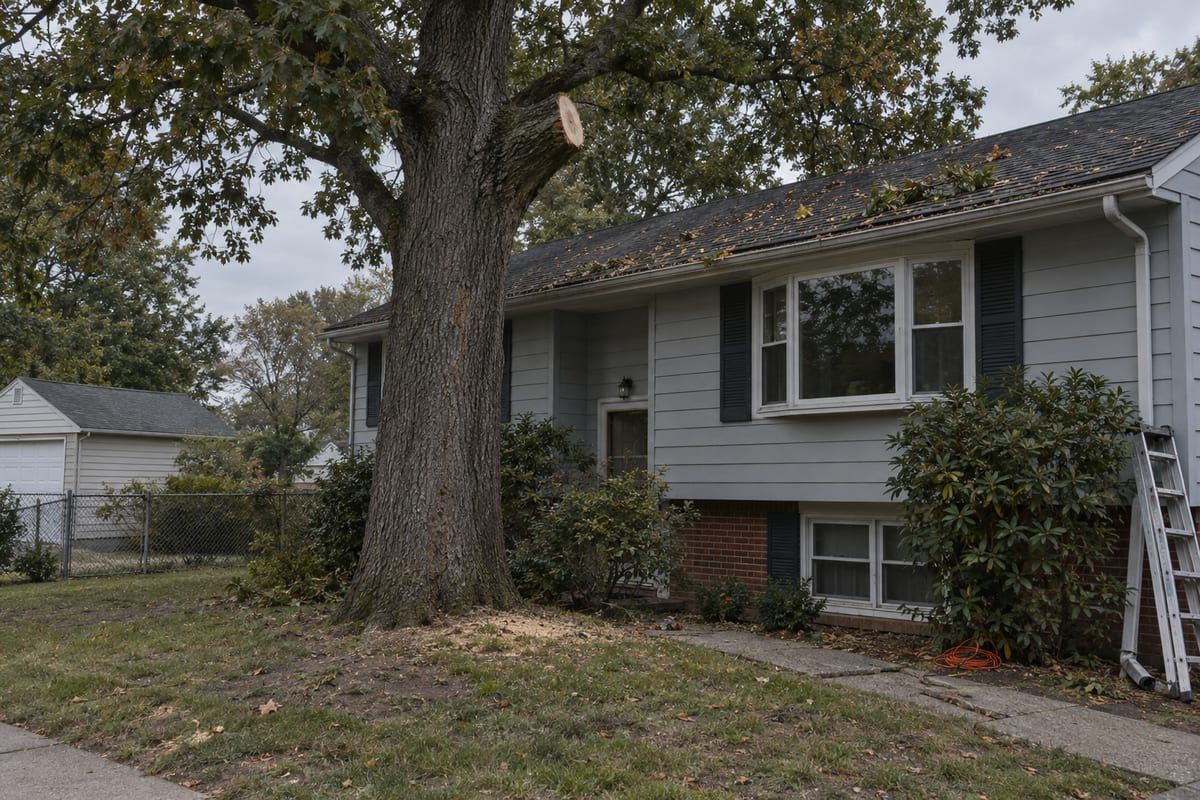
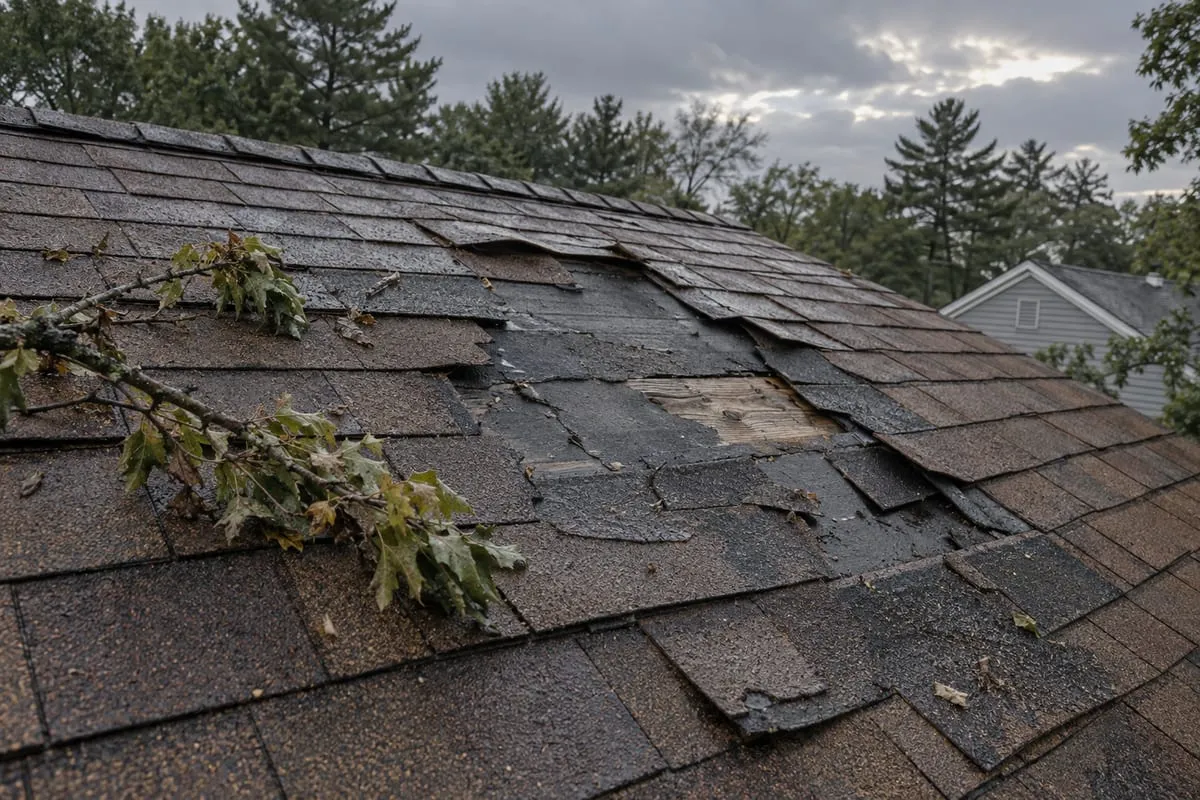
Trees close to a house cause roof damage in a few specific, cumulative ways: fallen branches that crack or puncture shingles during storms, overhanging limbs that scrape the roof surface with every gust of wind and wear through the granule coating that protects shingles from sun and weather, and leaf, needle, and nut debris that builds up in valleys and gutters, trapping moisture that feeds algae and moss growth long after the storm that dropped it. A widely used guideline is to keep at least six feet of clearance between branch tips and the roofline — closer than that, and routine wind is enough to turn a branch into sandpaper on your shingles.
RTP Roofing offers tree services as part of protecting a roof we're working on or maintaining, clearing overhanging limbs and storm-damaged branches so they're not compromising the roof above or below them. This is roof-protection work, not a full landscaping or arborist service — if a tree itself needs crown thinning, crown raising, or removal beyond what's touching the roof, we'll tell you that during inspection and point you to a dedicated tree service.
The RTP Roofing Difference
We're RI-registered (GC-47694), and we handle limb trimming and debris removal as part of the same visit we're already assessing or repairing your roof on. If a storm brought a tree down on your roof, see our storm damage and insurance claims page for how we document that for your insurer.
How We Clear Tree Damage From A Roof, Step By Step
Assessment. We walk the roof, or the affected section, and identify which limbs or debris are an actual threat — contact wear, storm damage, or buildup that's trapping moisture — versus a tree that just happens to be nearby. Not every overhanging branch needs to come down.
Clearing. We trim limbs that are contacting or scraping the roof and remove any branches a storm already brought down, using the same visit we're already on the roof for instead of scheduling a second appointment.
Debris removal. We clear branches, leaves, and needles off the roof surface and out of the gutters. Debris that stays put is what turns into trapped moisture, algae, and eventually a bigger repair.
Roof check. Since we're already there, we check the affected section for damage the limbs caused before we cleared them — cracked, lifted, or missing shingles, punctures, or soft decking underneath. If that turns up storm damage, see storm damage and insurance claims for how we document it. If it's wear from routine contact rather than a storm, we'll tell you plainly whether it's a repair or worth a closer look during a full roof inspection.
What This Service Does, And Doesn't, Cover
To be straightforward about it: this is roof-protection work, not a landscaping business. We clear limbs and branches that are contacting, threatening, or have already damaged your roof, and we remove the resulting debris. We don't take on general yard tree work, stump grinding, crown thinning, or large-scale removal unrelated to a roof we're already on.
Rhode Island's nor'easters and heavy wet snow put real weight on tree limbs every winter, and a branch that's fine in July can be the thing that punctures your roof in a February storm. If you're not sure whether a tree near your house is a roofing risk, that's exactly the kind of question worth asking during a roof inspection.
Repair Or Replace: What Tree Damage Actually Calls For
Most tree-related roof damage is a repair, not a replacement. A single cracked or missing shingle from a falling branch, a scraped strip along one edge, or a small puncture are typically patched or reshingled in the affected area — see our roofing repair page for how we handle that.
Replacement becomes the honest answer when the damage is widespread rather than localized: a large limb came down across multiple sections, the decking underneath is soft or damaged over more area than a spot repair covers, or the roof was already near the end of its service life and the tree damage is what surfaced that. We'll tell you which situation you're in during the same visit — we don't run up a repair bill on a roof that needs replacement, and we don't sell a replacement for what a repair will fix.
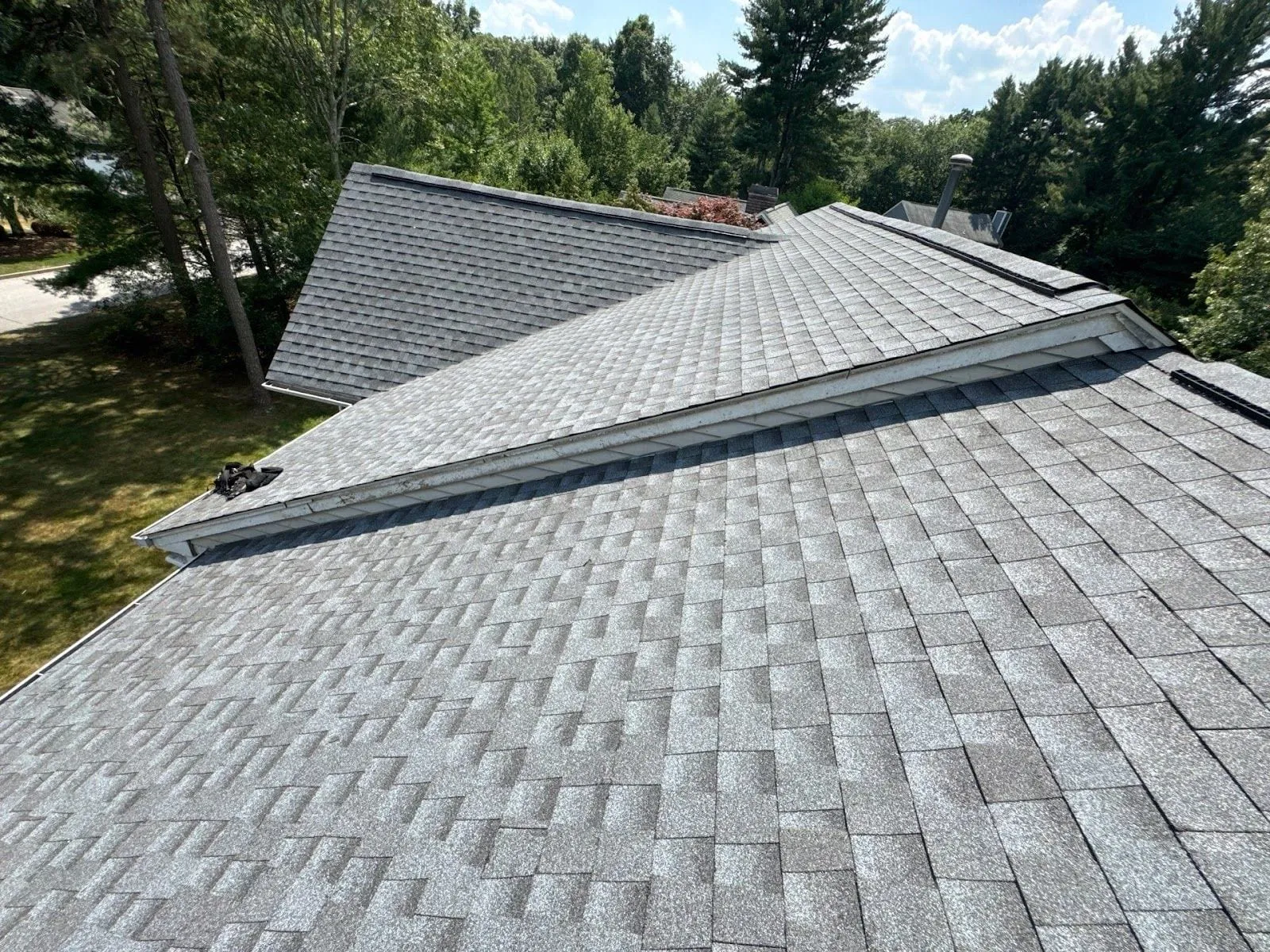
If you're rebuilding a section anyway, it's worth asking about algae-resistant shingle options for the parts of the roof under heavy tree shade — they're built to resist the moss and algae growth that shaded, debris-prone sections are prone to. Standard shingles perform fine on sections that get regular sun and stay clear of overhanging limbs. See our shingle roofing page for the options we install.
Keeping It From Happening Again
A few things cut down how often tree limbs turn into a roof problem: keeping branch tips trimmed back several feet from the roofline so wind can't put them in contact with the shingles, clearing gutters and roof valleys before they clog with leaf and needle debris, and having a roof inspection after any significant storm rather than waiting for a leak to show up inside. If a tree near the house looks weak, split, or leaning after a storm, that's worth flagging to an arborist before the next one — we can tell you what we see from the roof, but a standing tree's structural health beyond the branches over your roof is outside what we assess. Regular roofing maintenance visits are also a natural time to catch overhanging growth before it becomes a repair.
How it works
- Step 1
Assessment
We identify which limbs or trees are close enough to threaten your roof, whether from routine scraping, storm risk, or existing damage.
- Step 2
Clearing
We trim overhanging limbs or remove storm-damaged branches that are contacting or threatening the roof surface.
- Step 3
Debris Removal
We clear branches, leaves, and other debris from the roof and gutters so trapped moisture and algae growth don't continue the damage.
- Step 4
Roof Check
Since we're already there for the tree work, we check the affected section of roof for any damage the limbs already caused.
Questions
Frequently asked questions
Do you remove entire trees?
Our tree services focus on limbs and branches that threaten or are already touching your roof, as part of a roofing job or maintenance visit. For full tree removal unrelated to roof protection, we can point you to a dedicated tree service.
A tree fell on my roof during a storm, what do I do?
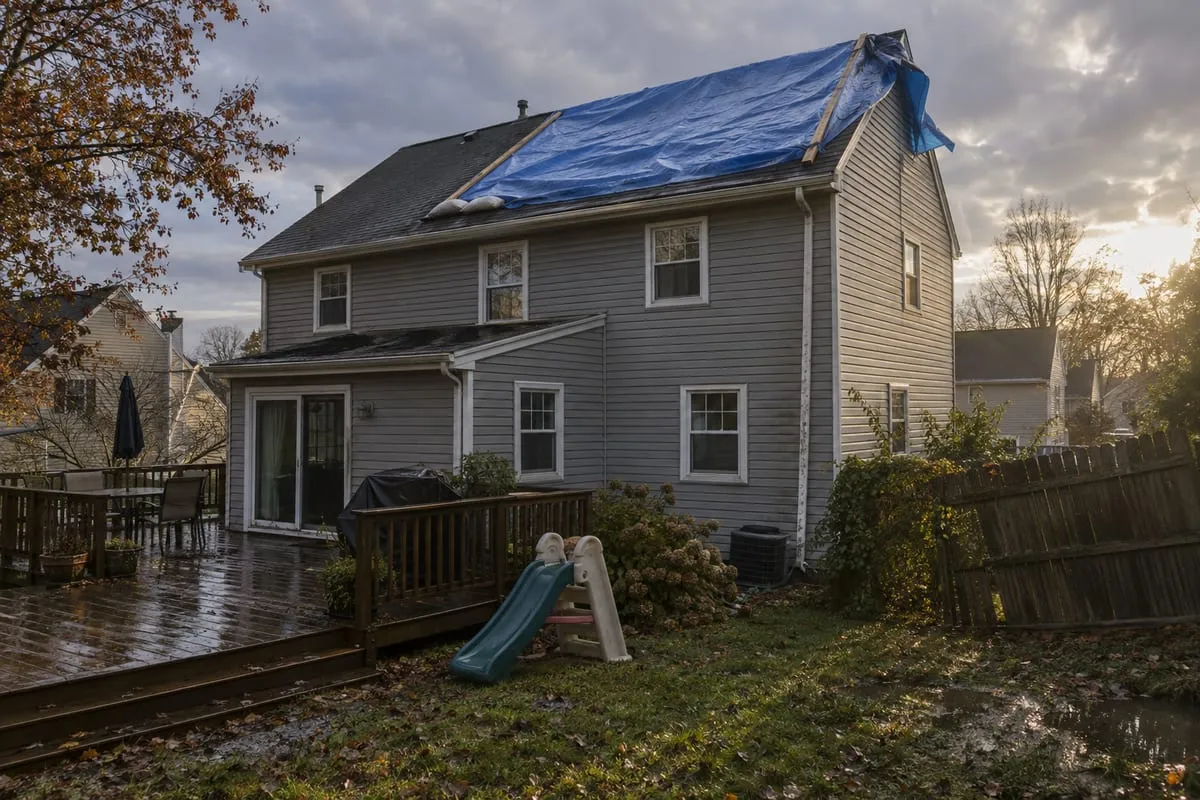
Call (401) 593-1512. We can assess the damage, clear what's on the roof, and help you document it for an insurance claim. See our storm damage and insurance claims page for details.
How close is too close for a tree limb near my roof?
Any limb that touches or scrapes the roof surface is already causing wear. We'll tell you during inspection whether trimming is enough or whether the tree poses a bigger risk.
Do you handle general tree removal or yard work?
No. Our tree services are scoped to limbs and branches that threaten or have damaged your roof, as part of a roofing visit. For yard work unrelated to your roof, we'd point you to a dedicated tree service.
Can you check for tree damage during a roof inspection?
Yes. When we're on your roof for an inspection, repair, or maintenance visit, we look at nearby trees and overhanging limbs as part of the same walk, so you're not paying for a separate visit to flag a risk we can see from the roof.
Will you remove branches that already fell on my roof?
Yes, as part of assessing and repairing the roof damage. We'll clear what's on the roof and in the gutters before we look at what the impact actually did to the shingles or deck underneath.
Do cracked or scraped shingles from tree limbs need to be replaced right away?
Not always. A single scraped or cracked shingle is usually a repair, and if it isn't actively leaking it isn't an emergency — but it's worth having inspected before the next storm, since a shingle that's lost its granule coating wears faster from there. We'll tell you honestly whether it can wait or should be fixed now.
Serving Rhode Island
- Tree services in Barrington
- Tree services in Bristol
- Tree services in Burrillville
- Tree services in Central Falls
- Tree services in Charlestown
- Tree services in Coventry
- Tree services in Cranston
- Tree services in Cumberland
- Tree services in East Greenwich
- Tree services in East Providence
- Tree services in Exeter
- Tree services in Foster
- Tree services in Glocester
- Tree services in Hopkinton
- Tree services in Jamestown
- Tree services in Johnston
- Tree services in Lincoln
- Tree services in Little Compton
- Tree services in Middletown
- Tree services in Narragansett
- Tree services in New Shoreham
- Tree services in Newport
- Tree services in North Kingstown
- Tree services in North Providence
- Tree services in North Smithfield
- Tree services in Pawtucket
- Tree services in Portsmouth
- Tree services in Providence
- Tree services in Richmond
- Tree services in Scituate
- Tree services in Smithfield
- Tree services in South Kingstown
- Tree services in Tiverton
- Tree services in Warren
- Tree services in Warwick
- Tree services in West Greenwich
- Tree services in West Warwick
- Tree services in Westerly
- Tree services in Woonsocket
Serving Massachusetts
- Tree services in Attleboro
- Tree services in Bellingham
- Tree services in Blackstone
- Tree services in Bridgewater
- Tree services in Brockton
- Tree services in Dartmouth
- Tree services in Easton
- Tree services in Fall River
- Tree services in Foxborough
- Tree services in Franklin
- Tree services in Mansfield
- Tree services in Middleborough
- Tree services in Milford
- Tree services in New Bedford
- Tree services in North Attleborough
- Tree services in Norton
- Tree services in Plymouth
- Tree services in Rehoboth
- Tree services in Seekonk
- Tree services in Somerset
- Tree services in Swansea
- Tree services in Taunton
- Tree services in Uxbridge
- Tree services in Wareham
- Tree services in Westport
- Tree services in Worcester
Back to Exterior services Warwick RI
Clear What's Threatening Your Roof
Request a free inspection or call (401) 593-1512. We'll check what the trees near your roof are already costing you.