

There is a row of icicles hanging off the front of the house, a couple of them a foot long, and the neighbors have the same. They look like winter. They also make you wonder whether your roof is being hurt and whether you should be doing something about them.
The short answer is that icicles by themselves are mostly a nuisance. The question that matters is what is behind them. Sometimes it is nothing. Sometimes it is a ridge of ice sitting on the roof edge, and that is the part that can send water into your ceiling.
What an Icicle Actually Is
An icicle is meltwater that drips off the edge of the roof and freezes on its way down. Any roof with snow on it and a sunny afternoon can make them. Snow on the upper part of the roof melts in the sun, runs down, hits the colder overhang, and freezes in place a little at a time.
That means a few icicles after a cold snap are normal. They can pull a gutter loose if they get heavy enough, and a big one falling is a risk to anyone underneath. A handful of short icicles with no ice built up on the roof itself is not a sign of damage.
What an Ice Dam Is and Why It Matters More
An ice dam is a ridge of ice at the lowest edge of the roof. It builds up when snow melts higher up on the roof and the water refreezes at the cold edge, so it stacks up there instead of draining. The pooled water has nowhere to go, and shingles are built to shed water downhill, not to hold it back. Water can then work up and under the shingles and into the roof deck, the insulation and the ceiling below.
The part that surprises people is the cause. The snow usually melts because heat from the house is warming the roof from underneath. The ice at the edge is the symptom. Our ice dam prevention guide goes through that in detail, including what stops it from coming back.
How to Tell Them Apart From the Ground
You do not need to get near the roof. Stand back in daylight and look at the edge of each slope.
Signs that you are looking at icicles only:
- A few icicles of different lengths, hanging from the gutter or the edge.
- No raised ridge of ice sitting on the shingles or in the gutter.
- Dry ceilings and walls inside, with no new stains.
Signs of an ice dam:
- A thick, continuous band of ice along the bottom of the roof, often with icicles coming out of it like teeth.
- Ice packed solid in the gutters, or water seeping out of seams where there should be none.
- Icicles hanging from the wall, soffit or a window frame instead of the gutter, which can mean water has gotten past the edge.
- Icicles that are long on one slope and short on the others. The slope with the most ice can be the one above the warmest part of the house, though sun exposure also changes how much snow melts on each slope.
- New stains on the ceilings along an outside wall, or damp patches near the attic hatch.
Then go inside. Look at the top-floor ceilings and the attic with a flashlight for stains, damp insulation or drips. If you see water inside during a thaw, treat it as a leak, not a winter curiosity.
What Not to Do About Them
The common reaction to a roof edge full of ice is to get a hammer, a ladder and a pry bar. Please do not. A wet or icy roof is a fall risk even for someone used to working at height, and chipping at ice that is stuck to shingles tears the shingles and bends the gutter. Falling ice is also a hazard to you on the way down.
The same goes for a pressure washer or hot water on the ice, which can damage the shingles. Our ice dam removal guide covers what is lower risk and why removal is only a short-term fix.
What you can do safely:
- Stay out from under the edge, and keep children and pets away from it.
- Take photos of the ice and any stains so you have a record of what you saw and when.
- Move belongings out from under any ceiling that is dripping, and put a container under the drip. Stay out from under a ceiling that bulges or sags. If water is near a light fixture, outlet or switch, do not touch it, and call an electrician.
- If icicles hang over a door, steps or the driveway, call someone with the right equipment to deal with them.
What to Do When It Is an Ice Dam
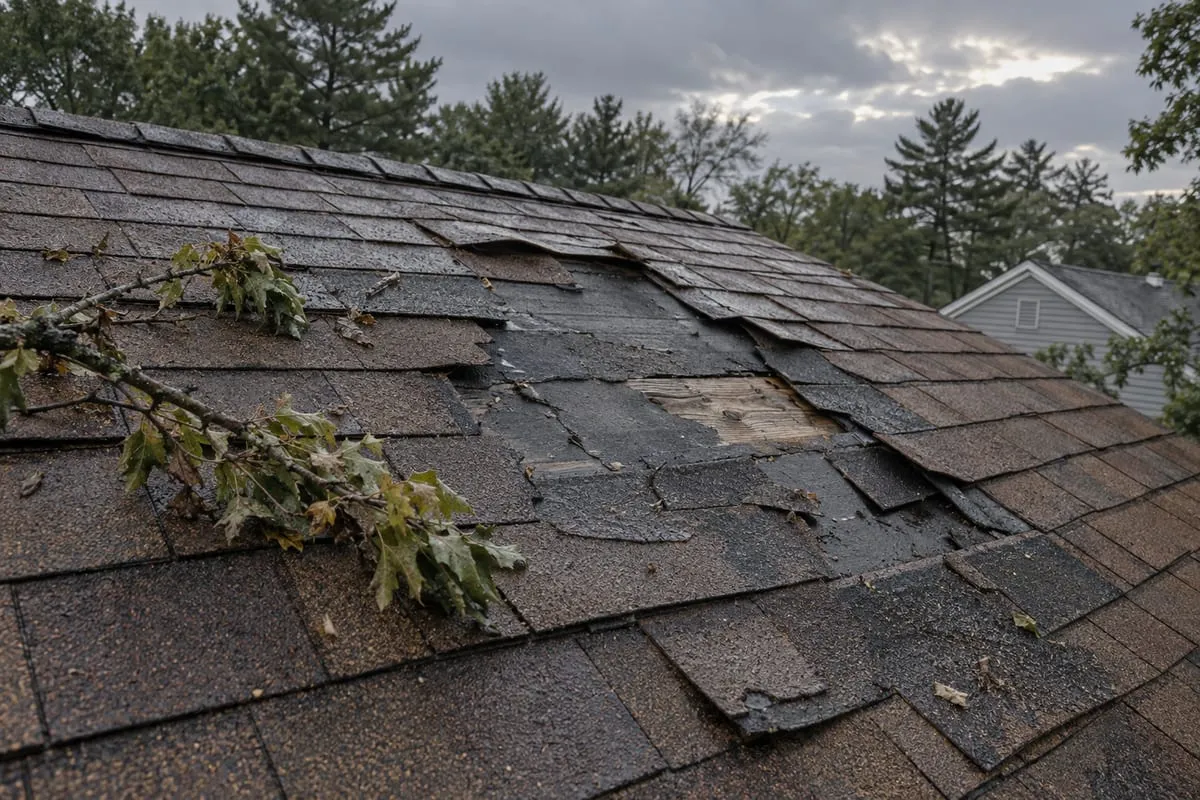
If you have the signs of a dam, the ice is not the problem you can solve in an afternoon. The cause is usually heat and air moving into the attic, so the lasting fix is often in the attic: insulation, air sealing and ventilation. That is work for a roofer and often an insulation contractor, and the roofer can tell you whether the shingles and decking have been damaged.
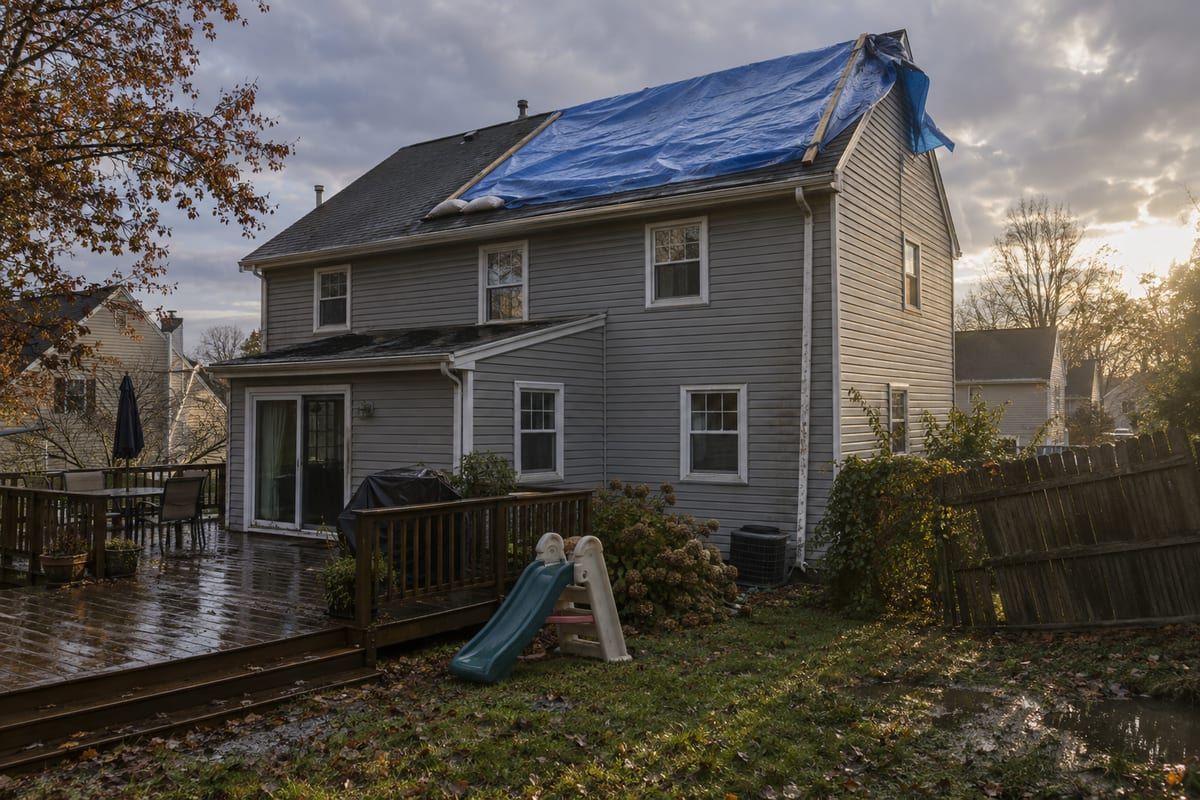
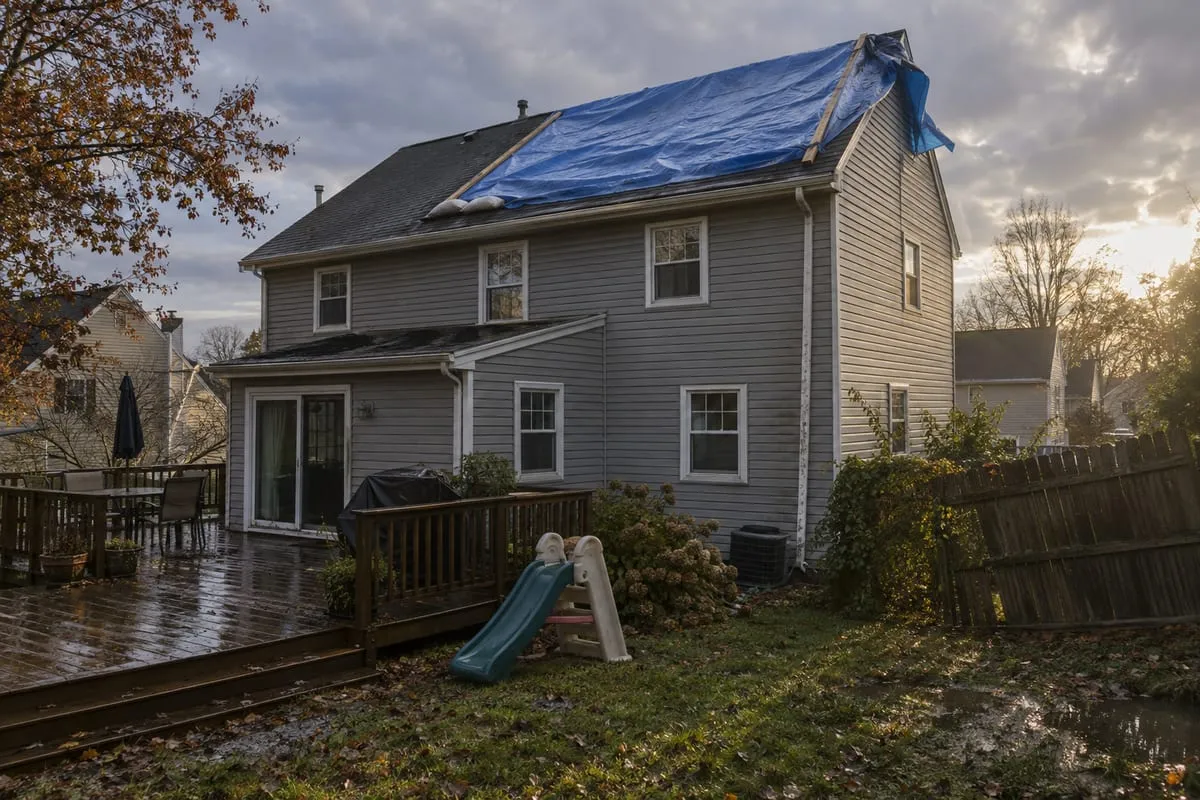
If water is already coming inside, call a roofer to stop the water now. Emergency restoration work covers tarping and temporary protection while the weather stays bad. A roof inspection after the thaw checks the shingles at the eave, the flashing and the underlayment where the water sat. Keep your photos for your insurance company if you decide to file a claim.
RTP Roofing is a roofing contractor in Warwick, Rhode Island. If you can describe where the ice sits and where the water shows up inside, you already have most of what a roofer needs to know to help.