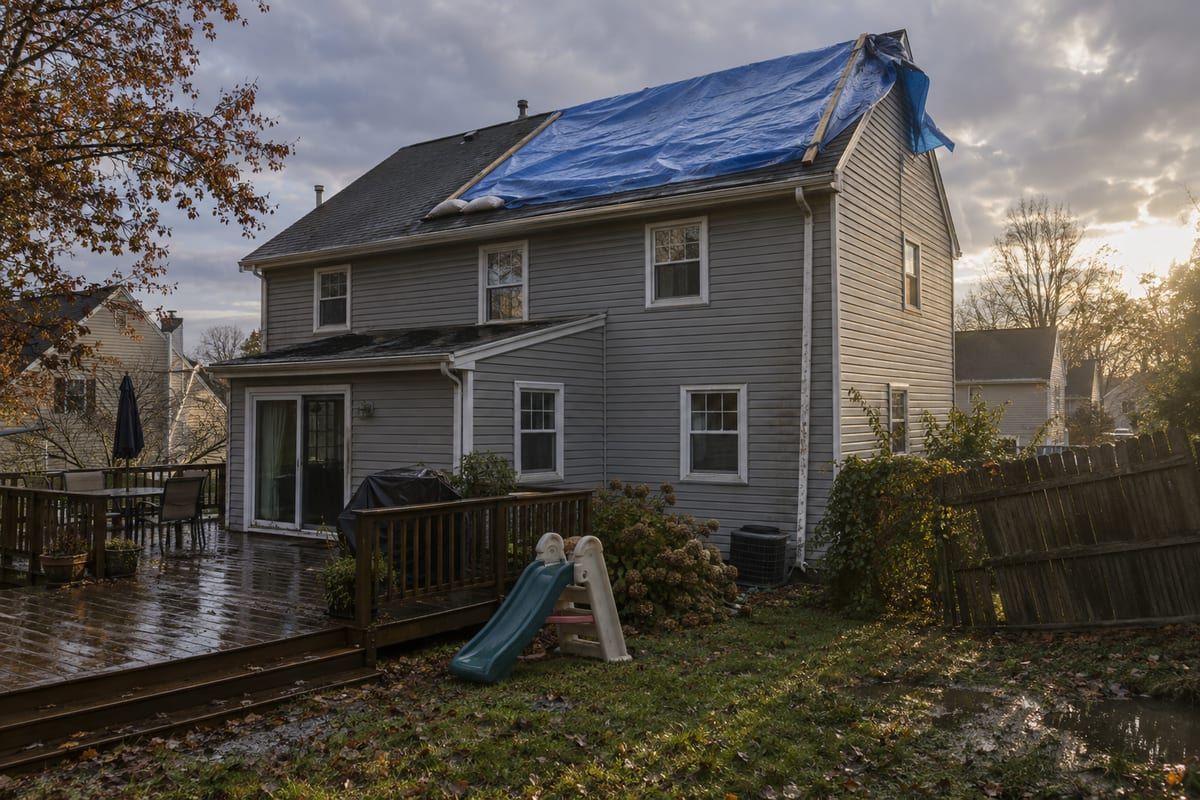
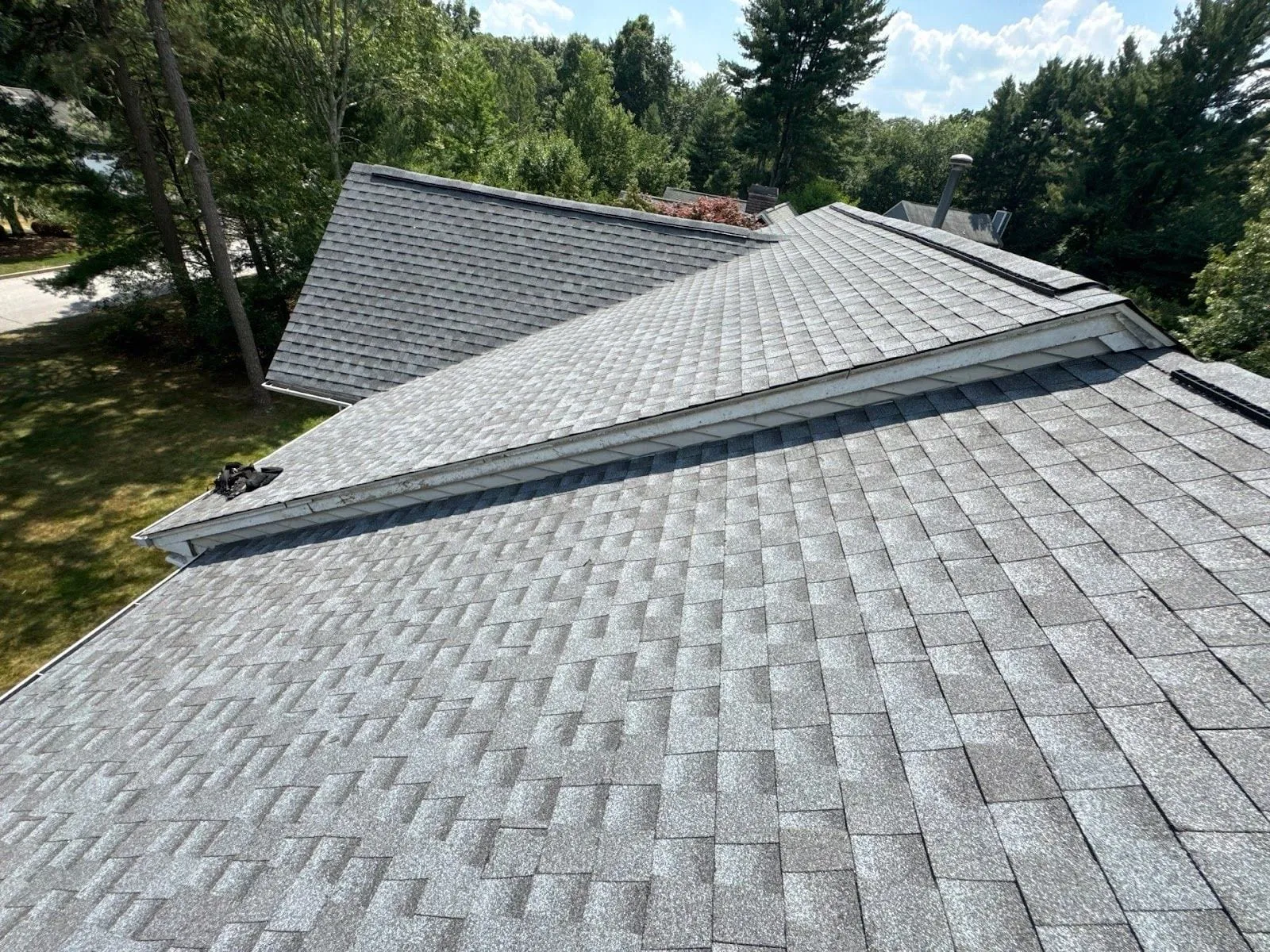
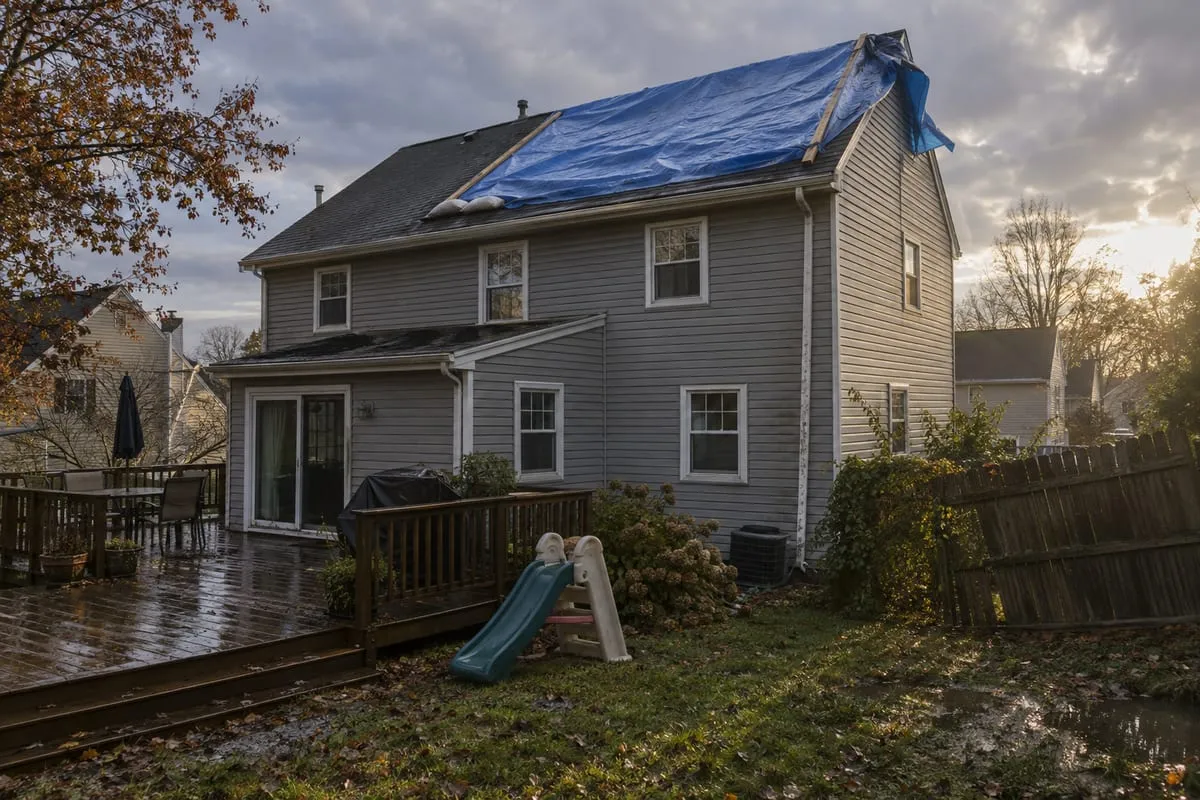
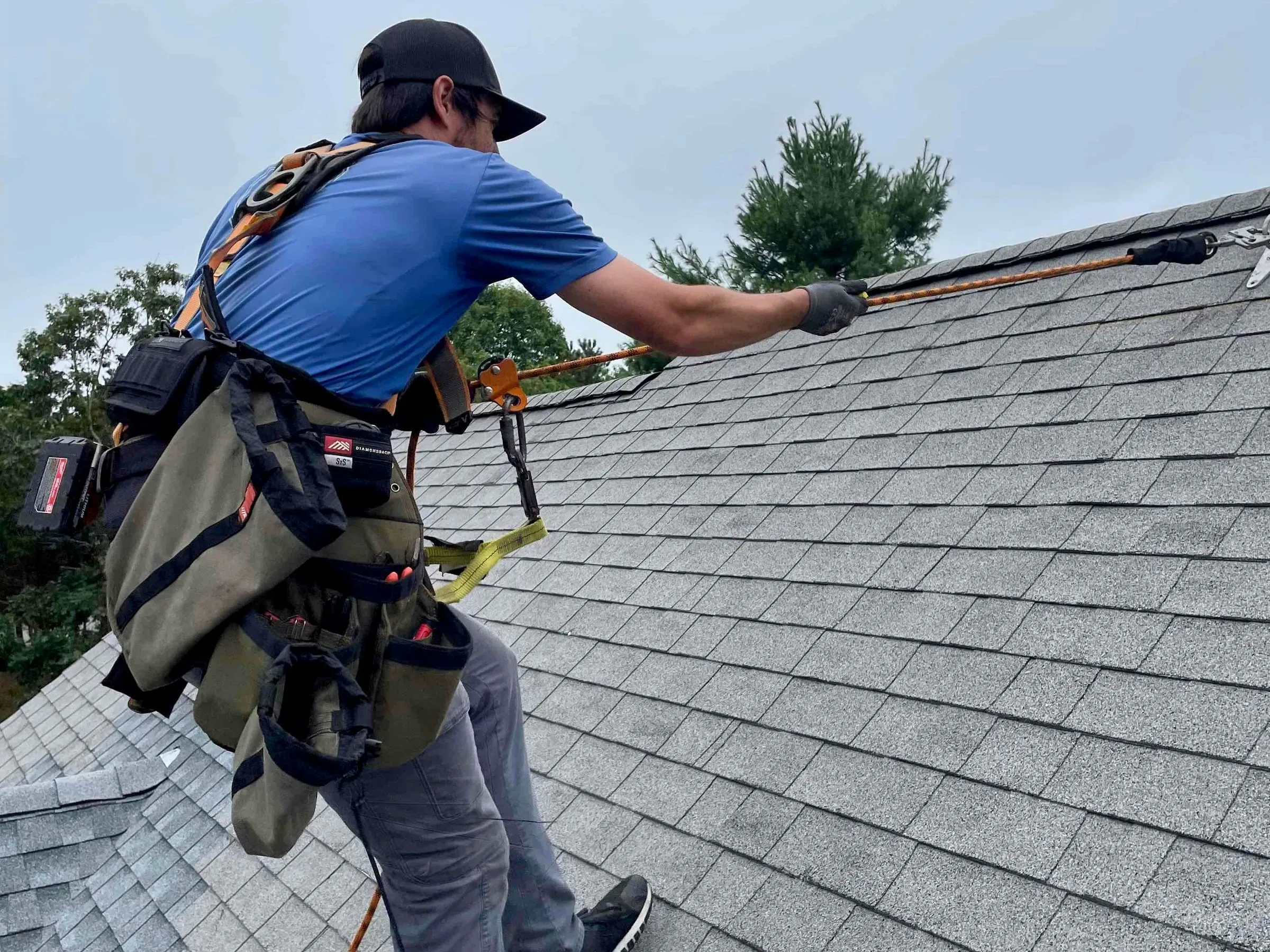
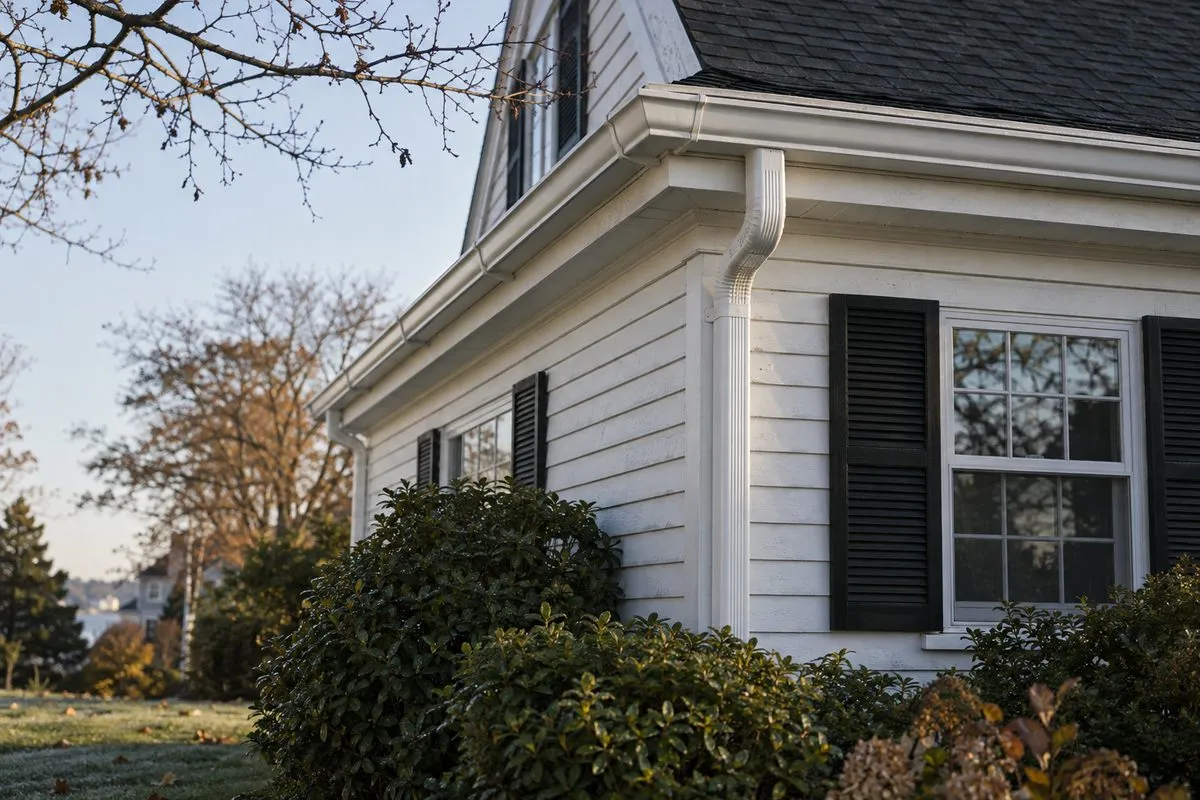

The leaves are down, the gutters are full of them, and the forecast has started using the word snow. You have not thought about the roof since spring, and you would like to know whether it is ready without climbing up there to find out. You do not have to climb. Most of what matters before winter shows up from the ground, from the gutters and from the attic hatch.
The reason to do it now is simple. A small problem found in November is a short repair. The same problem found under a foot of snow in February is a leak, and nobody can see the roof to fix it.
Walk the House and Look Up
Pick a dry afternoon with decent light and walk all the way around the house. Binoculars help more than a ladder does. Look at each slope and ask what is different from the rest.
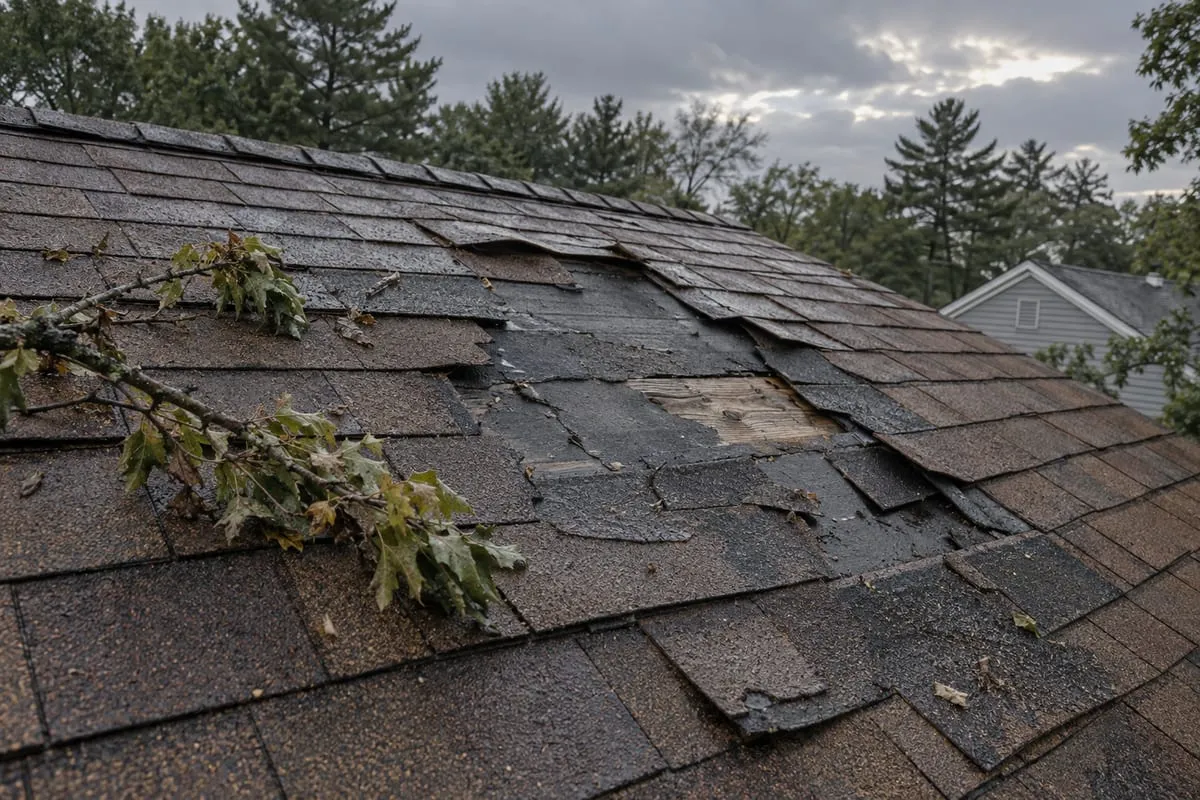
- Shingles that are missing, curled at the corners, or sitting at a different angle than their neighbors.
- Bare patches where the granules have worn off and the dark mat shows through.
- Metal flashing at the chimney, vent pipes, skylights and walls that is bent, rusted or pulling away.
- Anything that is not on the roof but should be, like a loose ridge cap or a vent cover hanging by one screw.
Take a photo of anything odd. If you later call a roofer, a photo with a date on it saves a lot of describing over the phone. If you see more than one or two of these on the same slope, that is a good reason to have the roof looked at in person, which is what a roof inspection is for.
Clear the Gutters and Check Where Water Goes
Gutters are the part of the roof system that fills with leaves, so late fall is when they matter. Water that cannot leave the roof edge backs up under the first row of shingles. In winter it also freezes in the trough, and the ice gets heavy and can pull a gutter loose from the fascia.
Once most of the leaves are down:
- Have the gutters and downspouts cleaned, or clean them yourself only if you are comfortable on a ladder. Falls from ladders are a real injury risk, and it is reasonable to hire gutter work out.
- Make sure each downspout empties away from the foundation and not onto a walkway, where it will freeze into a sheet of ice.
- Look for gutters that sag, pull away from the house, or leave a gap at a seam. These show up on a rainy day as water pouring over the front instead of down the pipe.
- Check for a heavy pile of shingle grit at a downspout outlet. A few granules are normal on any shingle roof. A lot of them is a sign the shingles are wearing.
Our gutter service page covers repair and replacement if the gutters themselves are the problem.
Look at What the Trees Are Doing
Branches over the roof cause two kinds of trouble in winter. Wet snow and ice add weight to a limb until it comes down, and a limb that lands on a roof can crack the decking even when the shingles look fine. Smaller branches that rub the shingles in the wind wear them down over time.
From the ground, note any dead limbs and any that hang over the roof. Dead wood is the first to fail, and it fails in storms. Tree work near a roof is a job for a tree service, not a homeowner with a pole saw.
Look Into the Attic
The attic tells you what the roof is doing when you cannot see it. Look in from the hatch with a flashlight. Do not step off the hatch area unless the attic has a floor, and never put weight on the drywall between the joists.
Look for:
- Daylight coming through the roof boards, which means a gap.
- Dark stains or streaks on the underside of the roof deck, or rust on the nail tips.
- Insulation that is wet, matted down or pushed away from the eaves.
- Bathroom or kitchen fan ducts that end in the attic instead of outside.
- Frost on the nails or the roof boards after a cold night. That usually means warm, damp air from the house is reaching a cold surface.
The attic matters in winter because heat escaping from the house is the usual cause of ice dams. Heat escaping into the attic warms the roof, melts the snow on it, and the meltwater refreezes at the cold edge of the roof. If the attic is warm in January, your roof will tell you through icicles and ice at the eaves. Our ice dam prevention guide explains what actually fixes that.
What to Fix Now and What Can Wait
Fix now, before the ground freezes and snow covers the roof:
- Loose, bent or missing flashing.
- Missing or lifted shingles, especially near the edges and ridge.
- Gutters that are full, sagging or leaking at the seams.
- Any attic stain that looks fresh or any spot where daylight shows through.
Can wait for spring, as long as you have written it down:
- Light moss or staining on a shaded slope.
- A roof that is simply getting old. That is a planning question, not an emergency, and our guide on signs you need a new roof walks through how to tell. If it does come to replacement, a roof inspection is the place to start.
Work done in the cold is possible, but cold shingles are brittle and sealant strips bond slowly. A roofer will often prefer to fix a small problem in November than to chase it in January.
When to Call a Roofer
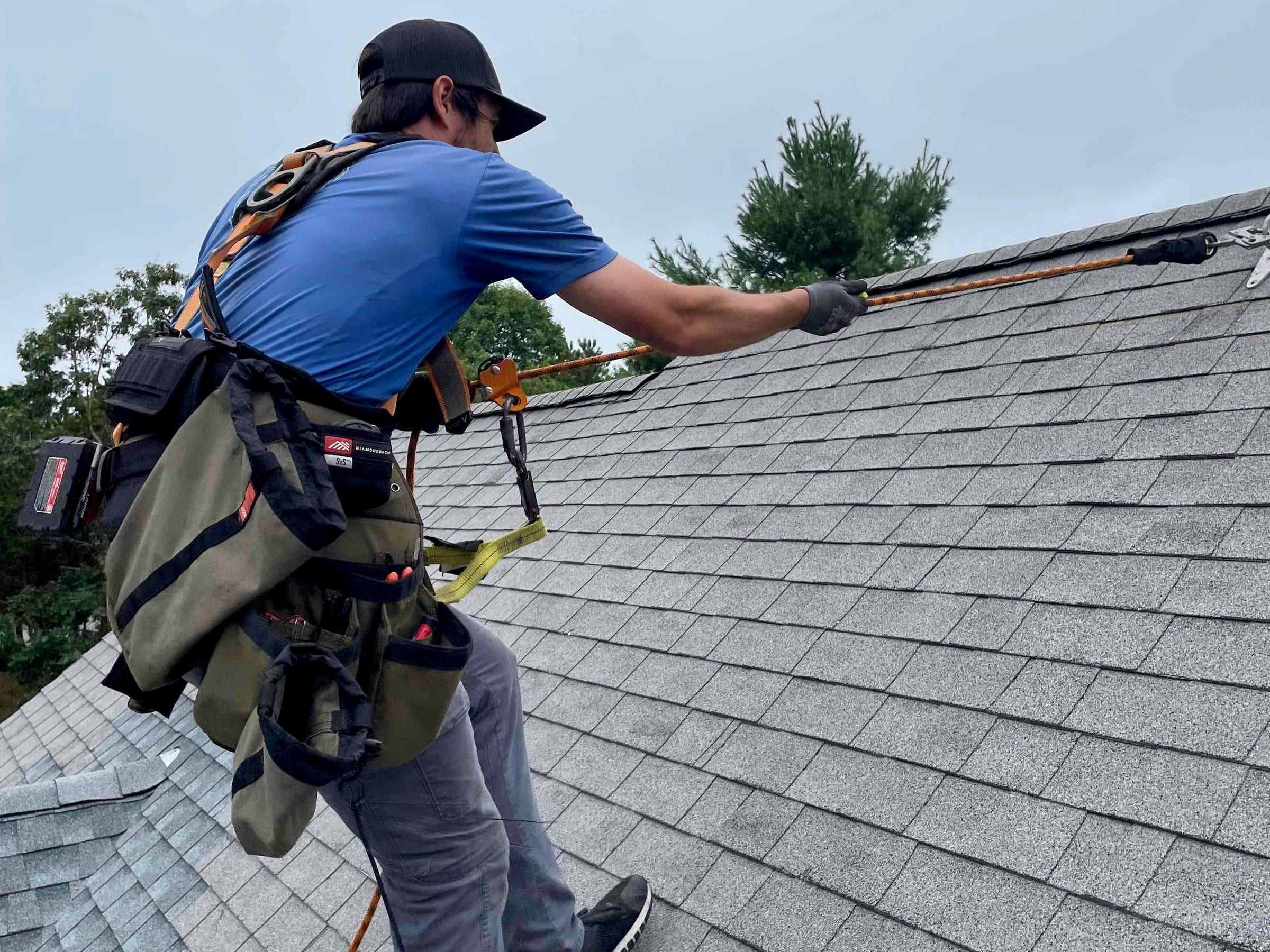
Call if you found damage you cannot name, a stain you cannot trace, or more than a couple of problems on one slope. Also call if the roof has had a leak before and you are not sure it was fixed at the source. A roofer can look at the roof surface, the flashing and the attic together, which is hard to do from the ground.
RTP Roofing is a roofing contractor in Warwick, Rhode Island. If you would rather have a person look than guess, start with our roof maintenance page or ask for an estimate on roof repair.